You spend a quarter of your day on your feet at home, and when the heel pain of plantar fasciitis shows up, even a quick trip to the kitchen can feel like a march on broken glass. The right pair of slippers can ease that daily sting by cradling the arch, cushioning the heel, and letting your foot move naturally between rooms. This roundup walks through seven solid options worth a look, so you can pick the pair that matches your routine.
An Overview Of The Picks

HAFLINGER GZ Spirit Felt Clog Slipper Unisex

KuaiLu Women’s Orthotic Arch Support Slippers

Orthofeet Vito Orthopedic Men’s Slip-On Slippers

ULTRAIDEAS Women’s Indoor Outdoor Slipper

Skechers Women’s Keepsakes Ice Angel Sneaker

Crocs Unisex Adult Bayaband Slide Sandals
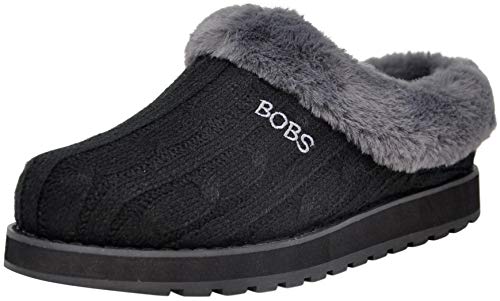
BOBS from Skechers Women’s Keepsakes Delight
The Strengths Of Each Pick
If your feet run cold and your floors are chilly tile or hardwood, a wool felt clog handles both jobs at once. The HAFLINGER GZ Spirit uses a dense boiled wool upper that breathes, so your feet stay warm without getting sweaty.
The contoured footbed follows the arch, which gives the plantar fascia a reason to relax between steps. It’s a unisex cut offered in overlapping women’s and men’s sizes, useful for households sharing a closet.
Benefits That Matter
- Wool felt upper warms cold feet and wicks moisture, useful in drafty older homes
- Contoured footbed supports the arch, easing that first-morning heel throb
- Cork-and-latex sole holds shape over years, so the support doesn’t flatten fast
- Unisex sizing works for couples sharing a slipper drawer
Things To Consider
- Clog silhouette lacks a heel strap, so fit shifts on stairs if you size up
- Wool sheds a bit in the first weeks, normal for the material but worth knowing
Who It Suits Best
Natural-fiber shoppers with cold floors and steady indoor routines who want arch support that holds up across seasons.
A Better Fit Elsewhere
Hot climates or anyone wanting a cushioned slide should look at the Crocs Bayaband Slide Sandals instead.
The KuaiLu Orthotic Slippers look like a soft house shoe but hide a proper orthotic insole underneath the plush top layer. The molded arch and deep heel cup aim at the same support zone a custom insert would target.
For shoppers new to supportive slippers, this pair is an approachable entry point, easier to swallow than a clinical orthopedic shoe. The design stays low-profile enough to wear around guests without drawing attention.
The Helpful Details
- Orthotic footbed lifts the arch and cushions the heel on hard floors
- Lower price makes it easy to try a structured slipper without much commitment
Worth Noting
- Sizing runs slightly narrow, wide-foot wearers may want to size up
- Cushion compresses faster than premium builds, depending on daily use hours
- Spot-clean only, owners commonly report the footbed needs airing out after sweaty days
Made For
First-time orthotic shoppers on a tight budget who want real arch structure in a soft house shoe.
Consider Something Else When
Anyone with chronic heel pain who needs longer-lasting cushioning should look at the Orthofeet Vito Orthopedic Men’s Slip-On Slippers.
The Vito sits at the heavier end of the slipper spectrum, by design. A suede upper wraps a fully cushioned Ortho-Cushion sole that absorbs shock on tile, hardwood, and outdoor steps alike.
The hands-free slip-on shape (a patented detail that lets you step in without bending) helps anyone whose heels protest first thing in the morning. The faux-fur lining keeps the foot warm without packing the toebox.
A Strong Showing
- Ortho-Cushion sole absorbs impact, easing plantar pain during long days on your feet
- Fully lined interior holds warmth through cold winter mornings
- Structured footbed supports the arch for chronic fasciitis symptoms
- Suede upper wears well indoors and quick trips outside
Trade Offs
- The build is bulkier than wool clogs, so it looks more like a shoe than a slipper
- Suede needs occasional brushing and care to keep its finish, a real ownership detail
Quick Technical Notes
Right Fit For
Men managing long-term heel pain who want orthopedic-grade support and don’t mind a shoe-like silhouette.
Look Elsewhere When
Shoppers wanting a soft, lightweight wool slipper should consider the HAFLINGER GZ Spirit Felt Clog Slipper Unisex.
ULTRAIDEAS leans into pure softness. A thick memory foam footbed wraps the foot in plush cushioning, the kind that greets you at the end of a long shift.
The outsole is built for short outdoor trips, so you can step out for the mail without switching shoes. For shoppers who want cushion over structure, this slipper trades arch rigidity for sink-in comfort.
Practical Advantages
- Memory foam top layer softens heel strike on tile and wood
- Indoor/outdoor sole handles porch steps and quick errands
- Lightweight build is easy on tired feet at the end of the day
Points To Keep In Mind
- Memory foam compresses faster than structured footbeds, depending on wear hours
- Less arch contour than orthotic options, so severe plantar cases may want more support
- Foam can trap warmth, less ideal for very hot climates
Feature Snapshot
Who Should Grab It
Everyday loungers who want cloud-like cushioning over rigid arch support and step outside often.
Reach For A Different Pick When
Anyone needing firmer arch support should look at the KuaiLu Women’s Orthotic Arch Support Slippers.
The Ice Angel walks the line between slipper and casual shoe, useful for chilly porches and quick coffee runs. A sweater-knit upper feels soft against the foot, and the faux-fur lining adds real warmth.
The memory foam footbed takes the edge off tile floors, and the traction outsole handles slippery steps. For shoppers who treat their slippers like shoes, this pair covers both jobs in one.
Real-World Strengths
- Sweater-knit upper looks intentional with loungewear, not frumpy
- Traction outsole grips better than typical indoor slippers on slick surfaces
- Memory foam footbed softens heel impact on hard flooring
- Faux-fur lining adds warmth without bulk in the toebox
Room For Improvement
- Less arch contour than orthotic-focused picks, depending on your support needs
- Sweater-knit fabric shows wear sooner than suede or wool
Best Suited To
Women who want a slipper-shoe hybrid for cold mornings and quick outdoor walks.
Swap It Out When
Anyone needing heavier orthopedic structure should consider the Orthofeet Vito Orthopedic Men’s Slip-On Slippers.
The Bayaband Slide takes the Crocs formula and turns it into a slip-on that breathes. Croslite foam cushions the footbed while keeping the slide light enough to forget you’re wearing it.
For warm climates or anyone whose feet overheat in wool clogs, the open design solves a real problem. It won’t wrap the heel like a structured slipper, but it does soften impact on hard kitchen floors.
What Makes Sense
- Croslite foam footbed softens heel impact on hard floors
- Open slide design keeps feet cool in warm climates
- Lightweight build reduces fatigue during long indoor hours
Where It Is Less Suited
- No heel strap means the slide can shift on stairs or uneven flooring
- Minimal arch structure compared with orthotic slippers
- Open back lets cold air in, less useful in drafty homes in winter
Who Will Love This
Warm-climate wearers or post-workout loungers who want a breathable, cushioned slide over a closed slipper.
A Better Fit Elsewhere
Anyone needing cold-weather warmth should look at the Skechers Women’s Keepsakes Ice Angel Sneaker.
The Keepsakes Delight keeps the focus on warmth. A cable rib knit upper and faux-fur lining wrap the foot in soft, lounge-ready comfort that feels right after a hot shower on cold mornings.
The padded footbed and shock-absorbent midsole add a layer of cushion under the heel, useful on hardwood that would otherwise telegraph every step. Compared with the Ice Angel, this pair leans more slipper than sneaker.
A Few Highlights
- Cable knit texture adds visual interest over flat slipper fabrics
- Padded footbed softens heel strike on hard floors
- Faux-fur lining holds warmth around the ankle
Things To Weigh
- Less structured arch support than orthotic-focused picks
- Knit upper is best kept indoors, owners commonly report faster wear on outdoor surfaces
Built With In Mind
Women who want a soft, warm lounging slipper for cold hardwood and tile floors.
Another Choice May Suit
Anyone wanting firmer arch support should consider the KuaiLu Women’s Orthotic Arch Support Slippers.
What Matters Most Before Choosing House Slippers For Plantar Fasciitis
Arch Support That Actually Lifts
Plantar fasciitis pain traces back to the band of tissue running under your foot, so any slipper worth wearing needs an arch contour that matches your foot shape. A deep heel cup also helps, since it stabilizes the heel on hard floors. For shoppers with a high arch, look for a structured footbed rather than flat foam.
Cushioning Versus Structure
Soft memory foam slippers feel great at first, but they compress over months of daily wear. Orthopedic footbeds use layered EVA or rubber that holds its shape longer, useful for chronic heel pain. Runners logging long distances and people standing at work all day tend to need more structure than occasional loungers do.
Fit, Sole, And Use Case
A backless clog shifts on stairs, while a heel strap or hands-free slip-on stays put during morning routines. Indoor-only soles wear faster on concrete porches, while indoor-outdoor builds handle short outdoor stops. Climate matters too: wool clogs suit cold floors, and open slides like the Crocs Bayaband make sense in warm homes.
Sizing And Break-In
Most supportive slippers feel stiff for the first few wears as the footbed molds to your arch. Owners commonly report the best results after a week of consistent indoor use. Sizing varies by brand, so checking size charts matters more than trusting your usual shoe size.
Key Considerations Across These Picks
Pitfalls Shoppers Hit
A common trap is buying a slipper that feels soft in the store but flattens within weeks. The foam-only models look cushy at first and then lose the arch lift your foot needs. Another miss is choosing a backless clog without trying stairs in your home, which can turn a quiet slip into a daily wobble.
Where The Extra Money Goes
Premium orthopedic slippers like the Orthofeet Vito use layered midsoles and shock-absorbing materials that hold up under repeated impact. Cheaper builds cut those layers, so the cushion feels similar at first but breaks down faster. For chronic pain, paying up usually means longer support and fewer replacements down the road.
Frequently Asked Questions
Do slippers really help with plantar fasciitis?
A supportive slipper can reduce strain on the plantar fascia between long periods of barefoot walking, especially on hard floors. They work best as part of a broader routine that includes stretching and proper shoes outdoors.
Should slippers have arch support or just cushion?
Cushion alone softens impact but doesn’t lift the arch. For plantar fasciitis, a contoured footbed with a defined heel cup usually helps more than flat memory foam, depending on how your pain shows up.
How long do supportive slippers last?
Most structured slippers hold their support for around a year of daily indoor use, though heavier wearers may notice compression sooner. Rotating between two pairs tends to extend the life of each.
Can slippers be worn outside?
Indoor-outdoor models with rubber soles handle short porch and driveway trips fine, while knit or wool uppers wear out faster on rough surfaces. Use the right slipper for the right surface to keep the upper intact.
What about sizing for swollen feet?
Feet often swell later in the day, so measuring and comparing size charts in the afternoon gives a more accurate fit. Shoppers with edema sometimes prefer adjustable straps or a half-size up for comfort.
Closing Remarks
The right house slipper for plantar fasciitis balances arch structure with the comfort your routine actually demands. Wool clogs, orthotic builds, and cushioned slides each solve a different version of the same problem, so match the slipper to your floor, your climate, and how often you’re on your feet. Once you find the pair that fits your day, the morning heel throb tends to quiet down a notch.