Most runners don’t train on a single surface. A week might mix a paved greenway, a gravel fire road, a root-strewn park loop, and a muddy trail after rain. That’s where hybrid footwear earns its keep. The picks below handle road miles and trail miles without making you switch shoes at the car, so you can run out the door and adapt as the path changes.
A Closer Look At The Lineup

Merrell Men’s Moab 3 Hiking Shoe

Merrell Moab 3 Mid Hiking Boot
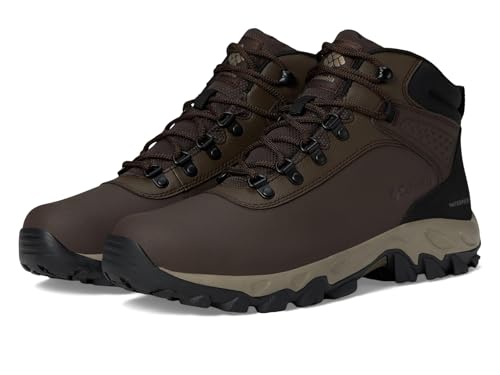
Columbia Newton Explorer

Merrell Moab 3 Mid Waterproof

KEEN Targhee 4 Low Waterproof Hiking Shoe

KEEN KS86 Retro Style Sneaker
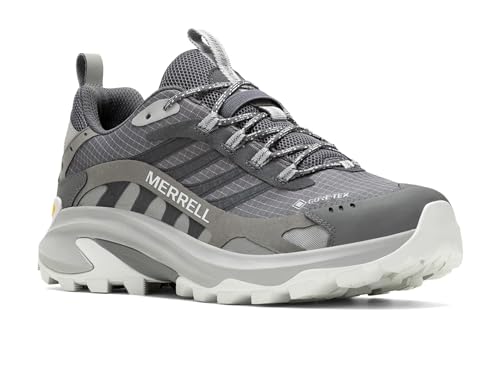
Merrell Moab Speed 2 GTX
The Strengths Of Each Pick
The Merrell Moab line has been around long enough that calling it a familiar name almost undersells the reach. The Moab 3 sits in that low-cut, lace-up silhouette many runners default to when they want trail grip without a boot-level commitment.
Version 3 leans into a more supportive insole and a softer midsole than earlier editions, which translates to longer runs feeling less punishing on hard-packed fire roads. A Vibram outsole handles the traction side. Compared with the Merrell Moab Speed 2 GTX later on this list, this one feels more like a workhorse than a speed tool, and that’s a fair trade for many weekly mileage goals.
Practical Advantages
- Lower-cut profile feels closer to a running shoe than a boot, useful on long road-to-trail transitions.
- Vibram outsole (a high-grip rubber compound widely used in trail footwear) grips mixed surfaces without feeling clunky on pavement.
- Updated insole adds arch support for runners logging high weekly mileage.
- Soft midsole absorbs impact on crushed-stone paths and asphalt alike.
- Long-running Moab platform means replacement parts and accessories are easy to find.
Things To Consider
- Not waterproof in this base version, so deep puddles or wet grass will soak through.
- Heavier than a dedicated road trainer, which you may notice on fast tempo days.
Who It Suits Best
Runners who mix pavement, gravel, and easy trail miles each week and want one shoe that handles all three without drama.
Look Elsewhere When
Wet-weather runners who regularly splash through puddles should consider the Merrell Moab 3 Mid Waterproof instead.
Take the Moab 3 platform and add a mid-cut collar, and you get a boot that stabilizes the ankle on uneven ground. The extra height isn’t just for show; it keeps trail debris from spilling into the shoe on rocky ascents.
Runners who tackle root-heavy singletrack, sloped scrambles, or rocky descents will appreciate the extra structure when fatigue sets in. The trade-off shows up on smooth pavement, where the stiffer collar and added material slow the cadence a touch compared with the low-cut Moab 3 above.
The Helpful Details
- Mid-cut design reduces ankle roll on uneven, rocky terrain.
- Same updated insole and softer midsole as the low-cut Moab 3, so comfort stays consistent across the lineup.
- Protective upper height shields against trail debris and brush.
Points To Note
- Not waterproof in this version, so wet conditions remain a concern.
- Heavier and less breathable than a low-cut shoe, especially on warm days.
- Runners used to road-only footwear may need a short break-in period.
Made For
Runners tackling rocky or root-heavy trails who want extra ankle support and don’t mind a slight weight penalty.
Consider Something Else When
Anyone running mostly on pavement with only occasional trail time will find the Columbia Newton Explorer a friendlier everyday pick.
The Newton Explorer brings Columbia’s waterproofing playbook into a low-profile trail shoe. The waterproof leather upper and Omni-Tech waterproof breathable construction work together to keep rain, dew, and shallow puddles from reaching the foot.
For runners in damp climates or shoulder-season training, that barrier makes a real difference on long outings. Underfoot, the Techlite lightweight midsole is tuned for energy return, so the shoe doesn’t feel sluggish on the paved sections between trailheads. Compared with the Merrell Moab 3 base version, this one trades breathability for dryness, a fair swap during cold wet months.
The Upside
- Omni-Tech waterproof construction keeps feet dry in rain and shallow puddles.
- Techlite midsole offers a cushioned, energetic ride on pavement and trail alike.
- Waterproof leather upper resists abrasion from rocks and brush.
- Metal hardware lacing system stays secure during long descents.
Honest Caveats
- Waterproofing reduces airflow, so summer runs can feel noticeably warm.
- Leather upper needs occasional cleaning to maintain its water-shedding surface.
Best Suited To
Runners training through wet, cool seasons who want a sealed shoe that handles both pavement and trail under one outsole.
Skip It When
Hot-weather runners will prefer the uninsulated Merrell Moab 3 for its lighter, more breathable construction.
Combine the mid-cut support of the Moab 3 Mid with a waterproof membrane, and you get a boot built for sloppy trail days. Runners who don’t turn around at the first sign of mud will appreciate how this version keeps feet drier without the stiff feel of older hiking boots.
The Vibram outsole and updated insole carry over from the rest of the Moab 3 family, so the underfoot feel is familiar. Stack this against the Columbia Newton Explorer and you get more ankle security in exchange for a slightly heavier shoe.
Where It Delivers
- Waterproof membrane keeps moisture out during stream crossings and wet grass.
- Mid-cut collar adds stability on uneven, rocky terrain.
- Vibram outsole maintains grip across slick roots and wet rock.
- Plush midsole cushions long miles across mixed surfaces.
- Same roomy toe box as the Moab family for natural foot splay.
Softer Spots
- Waterproof lining reduces breathability, making warm-weather runs feel stuffy.
- Heavier than the low-cut Moab 3 for runners focused on pace.
Right Fit For
Runners facing cold, wet shoulder seasons on technical trails who value ankle support and dry feet equally.
Reach For A Different Pick When
Runners wanting a lighter waterproof option should consider the Merrell Moab Speed 2 GTX later in this list.
KEEN has long built footwear with a slightly wider, foot-shaped toe box, and the Targhee 4 continues that tradition. The fused upper joins the materials in a way that resists separating after months of grit and dust, which is the kind of detail that matters when you log serious weekly mileage.
Inside, the KEEN.DRY waterproof lining keeps moisture out without making the shoe feel like a sauna. On the bottom, an aggressive lug pattern (the deep tread blocks that bite into soft ground) handles loose gravel and muddy sections. Compared with the Merrell Moab 3 base version, this shoe is heavier but feels more planted on technical terrain.
Real Benefits
- Fused upper construction improves long-term durability against abrasion.
- KEEN.DRY waterproof lining seals out water while letting some heat escape.
- Wide, foot-shaped toe box suits runners with broader forefeet.
- Aggressive outsole lugs grip loose and muddy surfaces.
Worth Bearing In Mind
- Heavier than road-oriented trainers, so fast tempo sessions feel labored.
- Wider last may feel loose for runners with narrow heels.
Quick Facts
Whose Shelf It Belongs On
Runners who pile up trail miles year-round and want a shoe that survives the wear, including those with wider feet.
A Better Fit Elsewhere
Runners seeking a sleeker, lighter waterproof option should look at the Merrell Moab Speed 2 GTX instead.
The KS86 steps away from KEEN’s trail-first identity and leans into everyday wear, with an aggressive tread hidden under a retro-inspired upper. Recycled mesh or eco-friendly leather options bring a lighter environmental footprint without dropping the brand’s wider fit.
Runners who commute by foot and detour onto a park trail will appreciate the grip when the path turns loose. It won’t match the technical grip of the KEEN Targhee 4 above, but for paved miles plus light gravel, it covers both jobs.
A Few Strong Suits
- Retro-inspired styling transitions easily from run to casual wear.
- Recycled mesh upper option reduces environmental impact.
- Aggressive tread pattern adds trail capability to a casual silhouette.
- KEEN’s traditional wider fit accommodates broader forefeet.
Practical Considerations
- Less supportive than dedicated trail running shoes on technical terrain.
- Mesh versions offer limited water resistance, so wet days will soak through.
Perfect Match For
Runners who want one shoe for commute, casual outings, and the occasional gravel path, with style that fits office-casual settings.
Swap It Out When
Runners regularly tackling technical singletrack should step up to the Merrell Moab Speed 2 GTX for proper trail performance.
The Moab Speed 2 borrows Moab’s trail credibility and blends in athletic-shoe DNA. Merrell pairs Vibram TC5+ rubber (a specially formulated high-grip compound) with redesigned traction lugs that hold firm on soft ground without slowing the turnover on paved connectors.
The GTX version adds a GORE-TEX waterproof membrane for wet conditions. Runners chasing faster tempo efforts on mixed terrain will find this shoe livelier than the standard Moab 3. Compared with the KEEN KS86 above, it’s far more capable on real trail, though it’s heavier than a casual sneaker.
Notable Gains
- Merrell-tuned Vibram TC5+ outsole grips loose dirt, gravel, and wet rock.
- Lightweight build supports faster paces than the standard Moab 3.
- GORE-TEX membrane seals out rain and stream splash.
- Redesigned traction lugs improve braking on descents.
- Athletic geometry feels closer to a road shoe than a hiking boot.
Things To Weigh Up
- Lighter build offers less ankle protection than mid-cut Moab boots.
- Premium materials put this above entry-level Moab options in cost.
- GORE-TEX lining reduces breathability on hot, dry days.
Feature Snapshot
Who Should Grab It
Runners training for tempo efforts on mixed terrain who want trail confidence without giving up road responsiveness.
Where Another Pick Suits Better
Runners wanting maximum ankle stability on rocky routes will find the Merrell Moab 3 Mid Waterproof a more protective choice.
Picking The Right Hybrid Running Shoes For Trail And Road
A hybrid shoe lives or dies by how it balances three things: road comfort, trail grip, and the weight you’d happily carry on long runs. Lower-cut designs tend to feel livelier on pavement, while mid-cut boots add ankle security for technical ground. Waterproofing is worth it for wet climates but adds warmth that hot-weather runners may not enjoy. Fit matters too, since a wider toe box helps on descents but may feel sloppy for narrow heels.
For runners who log mostly easy miles on mixed surfaces, the Merrell Moab 3 line offers familiar comfort across multiple versions. For wet-weather training, GORE-TEX or Omni-Tech membranes keep feet drier without changing the ride dramatically. For fast-paced sessions where every ounce counts, athletic-leaning designs like the Moab Speed 2 GTX deliver grip without the boot-level weight.
Key Factors To Weigh Before Buying
Pitfalls Shoppers Hit
Assuming a waterproof shoe breathes like a non-waterproof one leads to hot, damp feet on summer runs. The membrane trades airflow for dryness, so pick waterproof versions mainly for wet seasons.
Another common misstep is choosing a low-cut shoe for ankle-heavy trail work. Root-covered descents and uneven rock slabs punish weak ankles, and a mid-cut boot pays for itself the first time you stumble.
Where The Extra Money Goes
Premium trail runners spend the budget on lighter midsole foams, grippier outsole compounds, and bonded upper construction that resists separation. For runners logging high weekly mileage, those upgrades usually return the investment through longer-lasting shoes and more comfortable long runs. Casual users running a few times a week on easy mixed terrain may not notice the difference, and a standard Moab or Targhee will serve them well.
Frequently Asked Questions
What makes a shoe a true hybrid for trail and road?
A true hybrid balances road-shoe comfort with trail-shoe traction, using a moderately aggressive outsole, a cushioned midsole, and a protective but flexible upper that handles both surfaces without feeling specialized to either.
Do I need waterproofing if I run on mixed terrain?
Waterproofing helps runners in wet climates or during shoulder seasons, but it reduces breathability. In dry, warm conditions, non-waterproof versions stay cooler and dry out faster after creek crossings.
How long should hybrid trail running shoes last?
Most hybrid shoes last several hundred miles before the midsole cushioning or outsole lugs wear down, depending on terrain. Rough, rocky trails shorten lifespan, while softer surfaces extend it.
Can I use these shoes for hiking too?
Yes, most of the picks here work well for day hikes since the grip and support overlap with running demands. Mid-cut and waterproof versions handle heavier packs and rougher trails more comfortably.
Are low-cut or mid-cut versions better for hybrid running?
Low-cut shoes feel lighter and faster, which suits road-heavy runners. Mid-cut boots add ankle support for technical trail sections, so the choice depends on how much rough ground your regular routes include.
Final Verdict
The best hybrid running shoes for trail and road are the ones that disappear on your feet across surfaces. Match the shoe to your dominant terrain, climate, and pace goals, and you’ll spend less time thinking about your footwear and more time running.