A hybrid training week looks like running intervals Monday, lifting Tuesday, a HIIT circuit Wednesday, then more mileage Thursday. Most shoes force you to pick a lane. The picks below split the difference in different ways: some lean cushioned for the miles, others stay flat and tough for the gym floor, and a few try to do real justice to both. This roundup covers seven options worth a look at if you cross-train hard and hate changing shoes between sessions.
The Picks In Brief
Everlast Elite V2 Boxing Shoes

Wilson Men’s Bela Tour Padel Shoes

ASICS Gel-Nimbus 27 Running Shoes
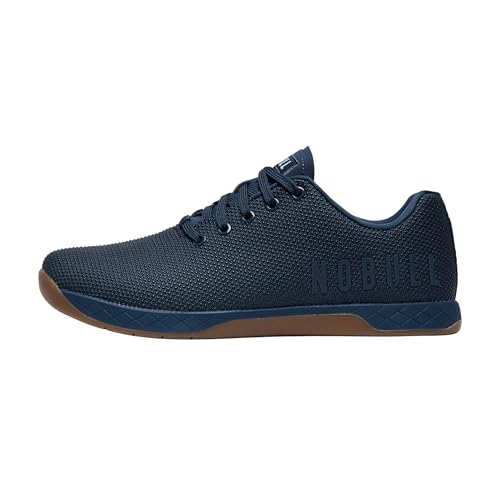
NOBULL Men’s Outwork Shoe

NOBULL Men’s Outwork Edge Shoe

WHITIN Men’s Wide Toe Box Barefoot W87

NOBULL Women’s Allday 365 Ripstop
What Each Pick Brings To The Table
Boxing shoes occupy a niche most runners and lifters ignore, which is exactly why the Everlast Elite V2 earns a spot on a hybrid training list. The profile sits low to the floor, the ankle collar stays out of the way, and the outsole is built for grip on canvas rather than pavement.
If your week includes bag work, footwork drills, or a combat conditioning class between lifting sessions, this slot makes sense. Compared with the ASICS Gel-Nimbus 27 covered later, the Everlast trades cushion for control and a much closer ground feel.
What Works In Its Favor
- Light, low-profile build that keeps footwork quick on canvas.
- Mid-cut ankle support that stays flexible for pivots.
- Flat sole that translates well to lateral shuffles and rope work.
- Navy Blue colorway that hides scuffs better than white options.
Trade-Offs Worth Knowing
- Minimal cushioning can feel harsh on longer road miles.
- Narrower than typical training shoes, so wide-foot wearers may size up.
Feature Snapshot
Made For
Combat athletes and conditioning class regulars who need a nimble, ankle-friendly shoe between strength sessions.
Skip It When
Runners logging real road mileage should step toward the ASICS Gel-Nimbus 27 instead, which carries the cushioning the Everlast skips.
Padel pushes shoes harder than almost any lateral sport, and the Wilson Bela Tour is built for exactly that punishment. A single-piece 4D torsional chassis (a structural midfoot bridge that resists twisting) keeps the forefoot stable when you plant to change direction.
For hybrid athletes who rotate between court time and the weight room, this is a thoughtful crossover option. Compared with the NOBULL Outwork Edge later in this list, the Bela Tour adds genuine court grip but loses some gym-floor versatility.
Real-World Strengths
- One-piece 4D chassis resists midfoot twist during sharp pivots.
- 360-degree padel outsole grips glass-walled courts confidently.
- Engineered for advanced players who sprint and recover often.
Points To Keep In Mind
- The outsole pattern is purpose-built, so gym floors may feel overly grippy and slow on lifts.
- Stock at the listing can vary, so color and size options may come and go.
- Priced above casual trainers, which may not pencil out for occasional players.
Key Attributes
Right Fit For
Intermediate to advanced padel players who also value cross-training stability for lateral conditioning work.
Look Elsewhere When
Lifters who want a single shoe for the platform should pick the NOBULL Men’s Outwork, which has a flatter, more gym-tuned sole.
The ASICS Gel-Nimbus 27 is the running shoe in this roundup, and it earns its place by handling the most common hybrid week: four to six miles on Monday, a heavy squat session Tuesday, repeat. The cushion stack eats up pavement without feeling mushy under a barbell.
The Nimbus line has always been plush, and the 27 refines that feel rather than reinventing it. Compared with the WHITIN barefoot option later, the ASICS is a much taller, more protective ride, which matters if your easy days lean longer.
Useful Highlights
- Generous cushioning that softens long road runs.
- Stable midfoot platform that holds up under moderate lifting.
- Updated upper construction that should breathe well in warm conditions.
Small Caveats
- Stack height (the total thickness of material between foot and ground) is tall for Olympic-style lifts, so serious lifters may want to swap to a flat shoe for heavy pulls.
- More shoe than needed for short conditioning circuits, where it can feel clunky.
- Lacks the wide toe box that some lifters prefer.
Whose Shelf It Belongs On
Runners who want one shoe to cover base mileage plus moderate strength training without changing footwear.
Reach For A Different Pick When
Powerlifters chasing a flat, grounded platform should grab the WHITIN W87 barefoot option, which sits much closer to the floor.
NOBULL built its name on training shoes that look as natural on the sidewalk as they do on a gym floor, and the Outwork continues that line. The SuperFabric upper (a abrasion-resistant woven textile) takes abuse from rope climbs, sled pushes, and unexpected weather without looking beat up by week three.
The Outwork is the most “lifter first” pick in this roundup. Stack height stays low, the heel doesn’t compress under a heavy squat, and the toe box sits wide enough for natural foot splay. Compared with the ASICS Gel-Nimbus 27, the Outwork feels closer to the floor and far more stable under load.
Strengths Worth Knowing
- Tough SuperFabric upper that resists abrasion from rope and sled work.
- Flat, wide platform that supports heavy compound lifts.
- Low stack height that keeps balance honest during lunges and step-ups.
- Styling simple enough for casual wear between sessions.
Some Limits To Know
- Minimal cushioning, so longer runs can feel harsh on the joints.
- Higher price than the WHITIN entry, which may not suit casual users.
Who Should Grab It
Hybrid athletes whose weeks lean heavily toward lifting, sled work, and metabolic conditioning rather than steady mileage.
Swap It Out When
Runners who log four or more miles a session will find the NOBULL Women’s Allday 365 (or a cushioned option) more comfortable on the road.
The Outwork Edge is the more agile sibling of the standard Outwork. NOBULL reworked the outsole for quicker cuts and a more responsive toe-off, which matters when your conditioning day includes short sprints and lateral shuffles instead of just steady sled work.
It still belongs in the gym-first category, but it leans a little more toward speed. Against the standard Outwork, you trade a touch of cushion for grip and snap. Against the ASICS Gel-Nimbus 27, you trade plush mileage for grounded control.
The Practical Payoff
- Updated outsole pattern grips gym floors during sharp direction changes.
- Toe-off feels livelier than the standard Outwork for short sprints.
- Keeps the wide, stable platform that hybrid lifters want.
- Same durable upper construction as the rest of the Outwork line.
- Works well as a daily driver for non-runners who mostly train indoors.
Honest Caveats
- Not built for distance, so logging more than three miles can feel rough.
- Outsole grip can feel overly aggressive on smooth indoor surfaces for some users.
- Sizing and color options vary across listings.
Spec Overview
Best Suited To
Hybrid athletes who do circuit-style conditioning with directional changes but still want a flat lifting platform.
Not Your Match When
Runners who need real road mileage should step up to the ASICS Gel-Nimbus 27, which carries the cushioning this shoe skips on purpose.
Zero-drop shoes (foot sits flat with no heel elevation) split the training world, but for hybrid lifters who care about foot strength, balance, and a wide splay, the WHITIN W87 brings real value. The toe box sits noticeably wider than a standard trainer, and the platform stays thin enough to feel the floor under a heavy deadlift.
This is the most affordable entry on the list, and it earns a place by being the most grounded. Against the NOBULL Outwork, the W87 has less structure but a closer ground feel. Against the ASICS Nimbus, it is the opposite of cushioned on purpose.
What Pays Off
- Wide toe box lets toes splay naturally under load.
- Zero-drop platform supports better lifting mechanics for some lifters.
- Lightweight build reduces fatigue during longer conditioning days.
- Lowest price in this roundup for budget-minded shoppers.
Practical Considerations
- Minimal cushioning can feel punishing on hard pavement over long distances.
- Transition period is real; feet and calves may need a couple of weeks to adapt.
- Less ankle support than the Everlast boxing shoe.
Perfect Match For
Lifters and minimalist-minded hybrid athletes who want maximum ground contact and a wide forefoot at a friendly price.
A Better Fit Elsewhere
Runners who log steady mileage will find the ASICS Gel-Nimbus 27 far more forgiving on long pavement sessions.
The Allday 365 is NOBULL’s “wear it everywhere” hybrid, and the ripstop upper (a tightly woven textile that resists tearing) makes it the most travel-ready option in this roundup. The shoe handles a morning conditioning class, an afternoon of errands, and an evening mobility session without looking out of place.
It slots in as a versatile daily driver for hybrid weeks that don’t lean too heavily toward running or heavy lifting. Compared with the WHITIN W87, the Allday 365 adds more structure and durability at the cost of that barefoot ground feel.
Well-Handled Touches
- Ripstop upper holds up to daily wear and light outdoor use.
- Slip-on construction makes the shoe quick on and off between sessions.
- Cushioned enough for short runs to and from the gym.
- Styling works with casual outfits, not just gym clothes.
- Stable enough for moderate strength work.
Where It May Fall Short
- Not specialized enough for serious distance runners or heavy lifters.
- Premium price compared with the WHITIN barefoot option.
Quick Technical Notes
Who Will Love This
Hybrid athletes with packed schedules who want one shoe for the gym, errands, and travel without changing footwear.
Where Another Pick Suits Better
Powerlifters chasing a flat, grounded platform should reach for the NOBULL Men’s Outwork, which holds steadier under heavy loads.
What Matters Most Before Choosing Hybrid Workout Shoes
Match the Shoe to the Heaviest Day
Hybrid training works best when you build around your hardest session. Runners should anchor the choice on cushioning and outsole geometry, while lifters should anchor on stack height and a stable heel. Most hybrid athletes tilt toward one discipline, and the shoe should reflect that lean.
Cushioning vs Ground Feel
Cushioned shoes (the ASICS Nimbus) protect joints over distance but feel clunky under load. Minimal shoes (the WHITIN W87) feel grounded under a barbell but punish pavement. Picking the right balance depends on whether your longer sessions are runs or lifts.
Outsole and Traction
Court-specific outsoles (the Wilson Bela Tour) grip lateral cuts but may feel sticky under a clean deadlift. Gym-tuned outsoles (the NOBULL Outwork line) balance traction for both. Choosing well comes down to how much directional change your week actually includes.
Durability and Toe Room
Wide toe boxes (WHITIN, NOBULL Outwork) let toes splay for better lifts and reduce hot spots on long days. Tough uppers (NOBULL ripstop, SuperFabric) handle rope climbs, sled pushes, and rough outdoor surfaces without falling apart mid-cycle.
Key Considerations Across These Picks
Where Shoppers Go Wrong
The biggest trap is buying one shoe for everything and expecting it to do everything well. A road running shoe will always feel unstable under a heavy squat, and a flat lifting shoe will always feel harsh on a long run. Match the dominant training day first, then pick secondary strengths.
When Paying More Pays Off
Higher-tier picks earn their price through specific upgrades. The NOBULL Allday 365 adds ripstop durability for daily wear. The ASICS Nimbus adds a refined cushion stack for higher mileage. The WHITIN W87 stays low-cost by skipping the extras, which suits minimalist budgets. Spending up makes sense when the upgrade matches your actual training, not when it just looks nicer.
Frequently Asked Questions
Can hybrid workout shoes really replace running shoes?
For moderate mileage, yes. For sessions over four miles or daily high-mileage training, a dedicated road running shoe is still the safer choice.
Do I need a flat shoe for lifting in hybrid training?
A flat, stable platform helps under heavy compound lifts. Hybrid weeks that include moderate lifts benefit from a lower stack height, even if the shoe is not a true powerlifting shoe.
How long should hybrid workout shoes last?
Durable uppers like SuperFabric or ripstop can extend lifespan, but outsole wear is the real limit. Rotate shoes if your hybrid week includes heavy outdoor running on rough surfaces.
Are wide toe boxes worth it for non-lifters?
Many wearers find wide toe boxes more comfortable on long conditioning days, even without lifting. Foot splay reduces hot spots during long bouts of movement.
Is barefoot-style training safe for beginners?
Transition slowly. Feet and calves adapt over weeks, not days. New wearers benefit from shorter sessions at first and a gradual increase in barefoot-style work.