Sore heels have a way of turning small daily routines into careful negotiations. You stand at the sink for two minutes and the arch tightens. You get up from the couch and that first step feels like a jab. The right indoor slippers can take some of that sting out by giving your foot a stable, cushioned surface the moment you kick off your shoes. This roundup focuses on slippers and recovery socks that share one clear job: making time at home easier on a foot that protests when it isn’t supported.
An Overview Of The Picks

HAFLINGER GZ Spirit Felt Clog Slipper Unisex

Orthofeet Vito Orthopedic Men’s Slip-On Slippers

Crocs Unisex Adult Bayaband Slide Sandals
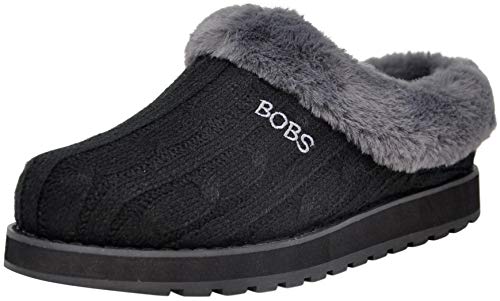
BOBS from Skechers Women’s Keepsakes Delight Slipper

OS1st FS4 Merino Wool Plantar Fasciitis 1/4 Crew Compression Socks

OS1st FS4 Crew length Plantar Fasciitis Socks
Inside Each Recommended Option
The HAFLINGER GZ Spirit is the kind of slipper that earns a permanent spot by the door in a cold-climate home. Its upper is a dense wool felt that softens with wear yet holds its clog shape, so the foot sits in a defined cup rather than sloshing around in something floppy. A molded footbed gives the arch a steady ledge to settle on, which matters first thing in the morning when the plantar fascia feels tightest.
Compared to the Orthofeet Vito and the Crocs Bayaband Slide below, this pair feels closer to a traditional clog, with a stiffer sole and a warmer wrap. You will likely appreciate it most on tile or hardwood in winter, where its felt upper and firm base do the most good. For shared houses with a range of foot sizes, the unisex sizing tends to run a touch generous, so reading the sizing notes before ordering is a small step that pays off.
Benefits That Matter
- The wool felt upper breathes while insulating, so feet stay warm without getting clammy during long evenings at home.
- A contoured footbed gives the arch something firm to push against, which can take pressure off an irritated plantar band.
- The clog silhouette keeps the heel locked in, reducing the slide-and-grip motion that tends to flare heel pain on slick floors.
- Felted wool naturally resists odor, helping the slipper stay fresher between washes compared to synthetic knits.
Things To Consider
- Felt uppers can take a real beating from damp boots and slushy entries, so letting them dry away from direct heat matters for longevity.
- The break-in period runs a few wears, so the first evening may feel firmer than a cushioned knit slipper like the Skechers Keepsakes Delight.
Feature Snapshot
Made For
People in colder homes with hard floors who want a structured, warm slipper that doubles as reliable indoor footwear.
Consider Something Else When
The Orthofeet Vito is a smarter fit if hands-free step-in entry and a softer, fur-lined interior matter more to you than a wool felt upper.
The Orthofeet Vito is built for the foot that has been complaining for a while. It is a slipper-shoe hybrid with a suede upper and a fully faux-fur lining that feels more like a recovery shoe than a lounging clog. The Ortho-Cushion System underfoot is the centerpiece: a multi-layer sole designed to soften impact and shape to your stride, so the heel absorbs less shock every time you cross the kitchen.
Where the HAFLINGER GZ Spirit leans traditional and the Crocs Bayaband Slide leans casual, the Vito sits firmly in the orthopedic lane. Its hands-free step-in design also matters more than it sounds, especially for anyone who finds bending down to pull on a slipper painful first thing in the morning. You may find the structured silhouette takes a day or two to feel natural if you are used to soft, floppy house shoes.
Where It Excels
- The Ortho-Cushion System layers cushioning under the heel, which is where plantar fasciitis pain usually shows up first.
- Hands-free step-in means you can slide your foot in without gripping with your toes, a real relief on stiff mornings.
- The full faux-fur lining keeps the foot warm, making it a solid option for cooler rooms without bulk.
- Full-foot suede coverage means you can step outside briefly to grab the mail without switching shoes.
- The structured shape holds its form over time, so the support does not collapse after a season of daily wear.
Worth Noting
- The orthopedic styling reads more like a shoe than a slipper, so it may feel out of place if you want something purely lounge-worthy.
- Faux-fur linings can trap moisture on warm days, so airing the slipper out after wear helps it stay fresh.
- The fit tends to favor those who need extra room in the toe box, so narrow-footed wearers may want to size carefully.
Built With In Mind
Adults managing ongoing heel or arch pain who want a structured, supportive slipper that can handle both indoor and quick outdoor trips.
Look Elsewhere When
The Skechers Keepsakes Delight is a better match if you prioritize a soft knit feel and a lighter slipper for relaxing on the couch.
The Crocs Bayaband Slide takes everything people like about the classic Crocs clog and strips it down to a sporty slide. A single piece of Croslite foam makes up the whole shoe, which means there is nothing to break in and almost nothing to maintain. For a foot that just wants to be left alone, that simplicity is genuinely useful, especially in warmer homes or during summer evenings when a closed slipper would feel suffocating.
Compared with the Orthofeet Vito, this is a much more casual pick. There is no faux-fur lining, no structured arch cradle, just the molded footbed that Crocs is known for. You may find the roomy toe box a real gift if you have been wearing tighter shoes and your forefoot needs space to spread.
What Helps Most
- The one-piece foam construction makes the slide lightweight and easy to rinse clean under a tap.
- An open heel and toe-free design let swollen feet slip in without any gripping or bending.
- The molded footbed gives a light arch contour, enough for casual at-home wear without the bulk of an orthopedic shoe.
Points To Note
- An open-back slide lets the heel shift, which is less stabilizing than a closed-back clog like the HAFLINGER GZ Spirit on hard floors.
- Foam slides can feel slick on polished wood if the footbed wears smooth, so traction may fade over time.
Spec Overview
Best Suited To
People who want a fuss-free, easy-clean slide for warm rooms or post-shower wear where structure is less important than comfort.
Skip It When
The Orthofeet Vito is a better match if you need a closed heel and a more supportive sole for daily wear on hard floors.
The Skechers Keepsakes Delight leans into the cozy side of the slipper world. Its sweater-knit upper feels like a soft hug around the foot, with cable rib detailing that gives it a touch of texture without adding weight. Inside, a faux-fur lining and a padded footbed add a layer of cushioning that makes sitting on the couch with a book feel considerably better than walking barefoot on cold floors.
It is a noticeably different animal from the Orthofeet Vito. Where the Vito is structured and orthopedic, this slipper is relaxed and textile-forward. For someone whose main complaint is heel pain that flares after long days, a softer slipper like this is sometimes enough for low-key evenings, while more intense days may still call for compression socks like the OS1st pair below.
Well-Handled Touches
- The sweater-knit upper is soft against the skin, reducing pressure points when feet are sore and swollen.
- A padded footbed gives a gentle lift under the heel, taking some edge off hard-floor standing during quick kitchen tasks.
- The faux-fur lining holds warmth, helping tight arches relax a bit in cooler rooms.
Honest Caveats
- The soft knit upper will not give you the firm arch support that an orthopedic slipper like the Orthofeet Vito delivers on tougher days.
- Knit slippers tend to attract lint and pet hair, so a quick lint-roll between wears keeps them looking tidy.
Feature Rundown
Who Should Grab It
Anyone who wants a soft, warm, low-effort slipper for evenings at home when serious foot support is less important than comfort.
Reach For A Different Pick When
The Orthofeet Vito is a stronger call if you need real orthopedic support throughout the day rather than a softer slipper for lounging.
The OS1st FS4 in merino is not a slipper at all, but it earns its spot here because of how often people with sore feet wear a slipper over a compression sock. This version wraps the foot and lower leg in a graduated compression knit that hugs the arch without squeezing the calf, paired with a merino wool blend that helps manage temperature and moisture. Worn around the house, it turns a regular slipper into something more like a recovery setup.
Compared to the standard OS1st FS4 crew reviewed next, the merino version leans warmer and slightly more comfortable for indoor lounging. You may find it especially useful at night, when tight arches tend to cramp up and a cushioned, supportive layer can keep things calmer while you read or watch TV.
Strong Points
- The graduated compression knit supports the arch and heel in a way that feels active rather than passive.
- Merino wool helps regulate temperature, keeping feet warm in winter rooms without turning sweaty in summer.
- The 1/4 crew height sits below the calf, making it easy to pull on without tugging or fighting the fit.
- Worn under a slipper, it adds a layer of cushioning that barefoot or sock-only wear cannot match.
Trade Offs
- Compression socks are snug by design, so anyone with very swollen ankles should check sizing carefully before committing.
- Merino blends need gentle washing to keep their shape, so a mesh laundry bag helps them survive the machine.
The Right Fit
People whose arch pain spikes during rest or sleep and who want a soft, warm layer to wear inside a slipper or on its own.
Another Choice May Suit
The standard OS1st FS4 crew sock below is a better match if you want firmer compression and a slightly more breathable synthetic for daytime wear.
The standard OS1st FS4 crew sock is the workhorse of the brand’s plantar line. It targets the same zones as the merino version above, with a structured knit that focuses compression where the plantar fascia actually pulls: under the arch and around the heel. The taller crew cut gives it a more athletic, daytime feel, and the synthetic-leaning knit breathes a little better during warmer evenings.
Where the merino FS4 leans cozy and rest-friendly, this version is closer to a training sock. You may find it more useful for active recovery days at home, when you are up and moving more often and want a stable wrap under your slippers. Pairing it with a more open slide like the Crocs Bayaband gives the foot room to breathe without losing that supportive feel.
Where It Delivers
- Targeted arch and heel compression helps reduce the sharp first-step pain that plantar fasciitis is known for.
- The taller crew cut supports the ankle and lower leg, which can be helpful on days when swelling runs higher.
- The knit construction slides easily into most slippers and casual shoes without adding bulk.
- It works as a standalone recovery sock for evening floor time when a slipper feels like overkill.
Small Caveats
- Compression socks can run warm in heated homes, so swapping to the merino FS4 above may be friendlier in winter.
- The structured compression knit takes a few wears to feel familiar, especially if you are used to thin, loose house socks.
Whose Shelf It Belongs On
Active adults managing heel and arch pain who want a supportive sock to wear around the house or under casual shoes.
Where A Sibling Pick Shines
The merino OS1st FS4 sock is the better call for cold rooms and bedtime wear, where warmth and gentler compression matter more.
What Matters Most Before Choosing Indoor Slippers For Plantar Fasciitis
Arch Support That Matches Your Foot
Slipper footbeds vary wildly, from flat foam slabs to molded contours that mirror the shape of your arch. For plantar fasciitis, a contoured footbed that lifts the arch and cushions the heel tends to feel more supportive across a full evening. Flat slippers can leave the plantar band to do all the work, which often shows up as next-morning stiffness. Try to picture how the footbed looks in profile: a flat line versus a gentle curve under the arch.
The level of support you need depends on how active your evenings are. A cushioned contour is usually enough for casual lounging, while more structured orthotic shapes help if you are on your feet cleaning or cooking for long stretches.
Heel Lock and Sole Stability
Backless slides are easy to slip on, but they let the heel slide with every step, which can aggravate tight plantar tissue. A closed-back clog or a structured slipper-shoe keeps the heel seated, reducing the gripping motion that flares heel pain on tile or hardwood. A sole with a bit of grip also matters on slippery floors, where unstable footing forces the foot to over-correct.
Warmth, Material, and Indoor Climate
Wool and felt uppers keep feet warm in cool rooms, while knits and foams breathe better in warmer homes. Merino blends are a good middle ground, warm yet moisture-wicking. Matching the slipper to your indoor climate helps avoid the sweaty-foot problem that turns any slipper into an uncomfortable one by the end of the evening.
Compression Socks as a Companion
Compression socks are not slippers, but they pair naturally with them. A supportive sock worn under or instead of a slipper can keep the arch and heel engaged even while you sit. The OS1st FS4 options in this roundup are designed for exactly that role, with targeted compression around the plantar band. Think of them as a layer you can add to almost any slipper setup.
Key Considerations Across These Picks
Pitfalls Shoppers Hit
Choosing a slipper purely because it is soft or plush is a common trap. Cozy linings feel nice at first, but if the footbed is flat, the arch still does all the work. Another frequent miss is buying a backless slide for a slippery floor, where the heel slides with every step and tightens the plantar band by morning. Treat support and grip as the foundation, and treat softness as the layer you add on top.
What The Higher Tier Buys
The pricier slipper in this category usually earns its keep with a more engineered footbed, denser midsole foam, and better material quality across the upper. You are paying for shaped support rather than flat cushioning, which is what actually takes pressure off the plantar fascia. For someone dealing with daily heel pain, that structured support is often the difference between a slipper that feels nice and one that quietly helps the foot recover.
Frequently Asked Questions
Do indoor slippers really help with plantar fasciitis pain?
A supportive slipper can reduce strain on the plantar fascia by giving the arch something to rest on and cushioning the heel on hard floors. They work best as part of a broader routine that may include stretching and supportive footwear during the day.
Should slippers be worn with socks or barefoot inside?
Either can work, depending on the slipper and the climate. A compression sock like the OS1st FS4 adds targeted support under a slipper, while a lined slipper like the Skechers Keepsakes Delight is comfortable barefoot. Match the combination to how warm your home runs and how much support your arch needs.
How firm should a slipper footbed be for plantar fasciitis?
Look for a footbed that has a defined arch curve rather than a flat foam slab, with enough cushioning under the heel to absorb impact. Too soft and the foot sinks without support; too hard and the heel can feel bruised. A medium-firm, contoured footbed tends to hit the right balance.
Are backless slides okay for plantar fasciitis?
Slides like the Crocs Bayaband are fine for short stints, but a closed-back clog or structured slipper is usually gentler on the heel because it keeps the foot seated. Slides let the heel grip with every step, which can aggravate tight plantar tissue on slick floors.
When should compression socks be worn instead of slippers?
Compression socks make sense for evenings when you are sitting for long stretches or for nights when arch cramping tends to wake you up. Worn alone or under a slipper, they keep the plantar band supported while the foot recovers.
The Takeaway
Plantar fasciitis is unforgiving in the morning, and the wrong slipper makes it worse. A structured, supportive option, whether a felted clog, an orthopedic slipper, or a compression sock under a soft slipper, gives the arch a real chance to settle down. Match the slipper to your floor, your climate, and how active your evenings are, and your feet will thank you first thing tomorrow.