You want to hit the trail without flattening your wallet, and that balance is trickier than it sounds. Cheap hiking shoes often mean thin soles that punish your feet after three miles, or uppers that soak through on a dewy morning. This list sorts through five solid options that keep costs reasonable and performance honest.
The Picks In Brief
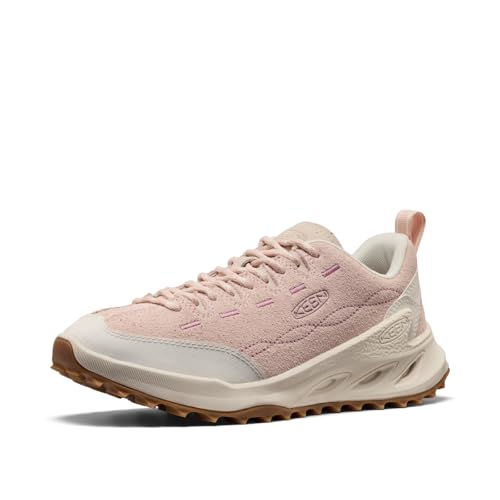
KEEN Jasper Zionic Sneakers

Columbia Benson II Hiking Shoes
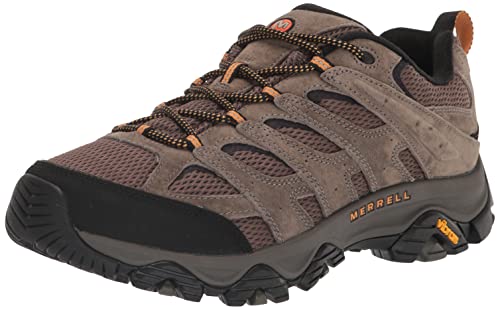
Merrell Moab 3 Hiking Shoe


Merrell Moab 3 Mid Waterproof
The Details Behind The Selections
Not everyone wants their hiking shoes to scream “hiking shoes.” The KEEN Jasper Zionic blends a suede-style sneaker silhouette with the brand’s trail-ready DNA, including a treaded outsole and KEEN’s signature toe protection. The result is something you can wear to brunch and then take straight onto a gravel path without swapping footwear.
The Jasper Zionic leans into comfort for everyday wear, with cushioned underfoot support and a roomy toe box that lets your feet splay naturally. Compared to the Columbia Benson II reviewed below, this one carries a sturdier, more lifestyle-driven look, while still giving you the grip you’d want on packed dirt. You may find the fashion-forward styling slightly less technical on truly rugged rock, though for moderate trails it holds its own.
Why It Works Well
- Suede-style upper with a sneaker silhouette that transitions easily from trail to town.
- Reinforced toe cap protects against roots, rocks, and curbs on short hikes.
- Trail-ready treaded outsole gives grip without feeling clunky underfoot.
- Roomy toe box accommodates wider feet and lets toes settle on long walks.
Things To Consider
- The fashion-first upper is less rugged than a full hiking shoe on truly technical terrain.
- Suede-style materials need a bit more care around mud and puddles than synthetic uppers.
Right Fit For
Commuters and casual hikers who want one shoe that handles a trailhead on Saturday and a sidewalk on Sunday without missing a beat.
A Better Fit Elsewhere
For hikers tackling long, rocky routes who need serious ankle protection, the Merrell Moab 3 Mid Hiking Boot is a more capable match.
The Columbia Benson II is the entry ticket to trail footwear, designed for hikers who want function without paying for features they won’t use. Its breathable mesh upper keeps your feet from roasting on warm-weather day hikes, while a cushioned midsole softens the impact of gravel paths and rocky fire roads.
Where the KEEN Jasper above leans lifestyle, the Benson II leans utility. The lightweight build makes it a solid pick for casual hikers who mostly walk short, well-maintained trails. You may find the lighter construction less supportive under a heavy pack, but for a few miles with a daypack, it’s a sensible, no-fuss option that won’t blow up your gear budget.
The Value In It
- Breathable mesh upper helps feet stay cooler on warm-weather trails.
- Cushioned midsole softens impact on packed gravel and hard-packed dirt.
- Lightweight build reduces foot fatigue on day trips.
- Available in multiple colorways to suit different style preferences.
- Lower price point makes it approachable for first-time trail shoe shoppers.
Points To Keep In Mind
- Lightweight build means less stability for users carrying a heavy backpack.
- Mesh upper breathes well but won’t repel water in wet conditions.
- Not as durable as the Merrell Moab line for rocky, abrasive terrain.
Made For
Casual day hikers and beginners exploring well-maintained trails who want trail-appropriate footwear without overspending.
Consider Something Else When
For wet trails or stream crossings, the Merrell Moab 3 Mid Waterproof offers the kind of weather protection the Benson II simply doesn’t provide.
The Merrell Moab 3 sits at the center of this whole list for good reason: it balances comfort, traction, and durability in a way that works for a wide range of hikers. A supportive insole pairs with a cushioned midsole, while the Vibram outsole grips well on loose dirt, wet rock, and root-covered trails alike.
Compared to the Columbia Benson II, the Moab 3 brings noticeably more structure and substance. The fit is famously easy right out of the box, which matters for hikers avoiding a painful break-in period. Depending on the trail you frequent, you may find the low-cut design trades some ankle security for mobility, but for moderate terrain it remains a reliable, well-rounded pick.
Everyday Perks
- Supportive insole and cushioned midsole reduce foot fatigue over long days.
- Vibram outsole delivers dependable grip on loose dirt, rock, and roots.
- Out-of-the-box comfort means no painful break-in period.
- Versatile build handles everything from casual walks to multi-hour hikes.
Trade Offs
- Low-cut design offers less ankle protection than the mid-height Moab option.
- Heavier than the ultralight Columbia Benson II.
Best Suited To
Regular trail walkers seeking a versatile, all-purpose hiking shoe for moderate terrain and varied conditions.
Look Elsewhere When
For ankle-heavy routes or technical scrambles, the Merrell Moab 3 Mid Hiking Boot delivers more support than this low-cut version.
The Moab 3 Mid takes everything the standard Moab 3 does well and adds a higher cut that wraps around the ankle. That mid-height design helps stabilize the joint on uneven ground, which matters when you’re carrying weight across rocky ascents or stepping over loose talus.
Where the low-cut Moab 3 prioritizes mobility, this mid version prioritizes structure. The same Vibram outsole and cushioned midsole carry over, so grip and comfort stay consistent with its sibling. You may find the extra ankle coverage slightly warmer in summer, but for shoulder seasons and rugged trails, that trade-off pays off.
What Pays Off
- Mid-height shaft stabilizes joints on rocky or uneven terrain.
- Vibram outsole carries over from the trusted Moab 3 platform.
- Cushioned midsole keeps long miles manageable.
- Durable construction handles abrasive rock and rough trails.
- Better protection against debris like grit and small stones entering through the ankle collar.
Small Caveats
- Adds weight compared to the low-cut Moab 3.
- Mid-height design runs warmer in hot summer conditions.
Who Should Grab It
Hikers tackling rocky, uneven terrain or carrying a loaded backpack who want extra ankle support without jumping to a full backpacking boot.
Reach For A Different Pick When
For wet-weather hikes where waterproofing matters as much as ankle support, the Merrell Moab 3 Mid Waterproof is a stronger match.
The Moab 3 Mid Waterproof closes the list by addressing the one thing most hiking shoes struggle with: wet feet. A waterproof membrane is layered into the boot to keep rain, puddles, and shallow stream crossings from soaking through to your socks, while the mid-height shaft continues the ankle support story from the previous Moab review.
Same Vibram outsole, same cushioned midsole, just wrapped in a weather-ready shell. For hikers in the Pacific Northwest, the Southeast’s rainy shoulder seasons, or anywhere with unpredictable forecasts, that membrane earns its keep. The trade-off shows up in breathability: waterproof membranes trap more heat, so on a hot, dry summer day, your feet may feel toastier than they would in the standard Moab 3.
Useful Highlights
- Waterproof membrane protects feet from rain, puddles, and stream crossings.
- Mid-height shaft adds ankle stability on uneven ground.
- Vibram outsole maintains the Moab line’s reliable traction.
- Cushioned midsole keeps long-mile comfort consistent with the rest of the Moab family.
Honest Caveats
- Waterproof membrane traps warmth, making the boot less breathable in hot, dry conditions.
- Heavier than the standard Moab 3 due to the waterproof lining.
- Once water enters over the top of the collar, the membrane can hold moisture against the foot until removed.
Key Advantages
Hikers in wet climates or shoulder seasons who need ankle support plus reliable weather protection on muddy trails and stream crossings.
Skip It When
For dry, warm-weather hiking where breathability matters more than waterproofing, the Merrell Moab 3 Hiking Shoe is a more comfortable match.
What To Weigh Before Choosing Inexpensive Hiking Shoes
Match The Shoe To The Trail, Not The Sale Tag
A budget price doesn’t help if the shoe falls apart on your second trip. Look at the outsole first, since lug depth and rubber compound determine how the shoe grips loose dirt, wet rock, and roots. The Vibram outsole on the Moab family, for instance, performs on varied terrain in a way thinner rubber compounds struggle to match. For well-maintained dirt paths, lighter outsoles like the one on the Columbia Benson II are perfectly adequate, but rocky routes benefit from deeper lugs.
Consider Cut Height For Real Protection
Low-cut hiking shoes like the Jasper Zionic and the Moab 3 Hiking Shoe prioritize mobility and lighter weight. Mid-cut boots like the Moab 3 Mid add ankle support that helps on uneven ground or when carrying a pack. The honest read is that ankle support matters more on technical terrain than on flat, groomed trails, so match the cut to your usual hiking environment rather than chasing extra coverage you won’t use.
Waterproof Or Breathable: Pick The Climate
Waterproof membranes keep rain and puddles out but trap heat inside. In dry, warm regions, breathable mesh uppers like the Columbia Benson II keep feet cooler. In wet climates, the Moab 3 Mid Waterproof earns its keep. The trade-off shows up fast: a waterproof boot on a hot summer day can feel like a sauna, while a breathable shoe in a rainstorm means wet socks.
Fit Beats Features Every Time
Even the best spec sheet won’t save a shoe that doesn’t fit your foot. The Merrell Moab line is known for out-of-the-box comfort, which matters if you don’t want a painful break-in. Try to test fit later in the afternoon when feet are slightly swollen, since feet tend to expand on long hikes, and a snug fit at 9 a.m. may feel tight by mile six.
Common Slip-Ups Worth Dodging
Traps First Timers Fall Into
Buying hiking shoes based on looks alone is a classic mistake. A sneaker-style silhouette like the KEEN Jasper Zionic handles trail-to-town wear beautifully, but a stiff, rugged boot may surprise casual hikers who only need light traction. Match the shoe to your actual terrain: paved fire roads, rocky scrambles, and muddy creeks each demand different features. Skipping a break-in period on stiffer boots leads to blisters within the first hour, while over-tightening laces to “fix” a poor fit just creates pressure points.
Where The Extra Money Goes
Higher-tier hiking shoes typically invest in three areas: outsole quality, midsole cushioning, and upper durability. A premium Vibram outsole grips better and sheds mud faster than budget rubber compounds. Better midsoles maintain cushioning over hundreds of miles instead of breaking down after a season. Stronger uppers resist abrasion from rock and scree, extending the shoe’s life. For occasional day hikes, the upgrades may not justify the extra spend, but for regular trail use, those areas are where the higher price earns its keep.
Frequently Asked Questions
Do inexpensive hiking shoes hold up on real trails?
Yes, when you match them to appropriate terrain. Budget-friendly options like the Columbia Benson II handle well-maintained dirt trails just fine, while mid-cut boots like the Moab 3 Mid handle rocky, uneven routes with more confidence.
How often should hiking shoes be replaced?
Most hikers find their shoes wear out between 300 and 800 miles, depending on terrain and weight carried. Worn-down lugs, compressed midsoles, and separated uppers are the usual signs it’s time.
Can I use running shoes instead of hiking shoes?
Running shoes work on smooth, flat trails but lack the protective toe caps, structured midsoles, and grippy outsoles that hiking shoes provide. For anything beyond paved paths, dedicated hiking footwear pays off.
Should hiking shoes be tight or loose?
Hiking shoes should feel snug around the heel and midfoot with room to wiggle your toes in the toe box. Tight shoes cause blisters, while overly loose shoes lead to sliding and instability on uneven ground.
Are waterproof hiking shoes worth it?
Waterproof shoes are worth it in wet climates and shoulder seasons. In dry, hot conditions, they trap heat and can feel uncomfortable, so breathable shoes are the better pick there.
The Takeaway
Picking affordable hiking footwear comes down to honest terrain matching: casual hikers can save with lighter options like the Columbia Benson II, while those tackling rocky, wet, or uneven trails will appreciate the structure of the Moab family. The right shoe is the one that fits your routes and your climate, not the cheapest or the most expensive on the shelf.