Those first wobbly steps are a milestone worth dressing properly for. The right pair gives small feet room to flex, grip on slick floors, and protection during the inevitable tumble. You want something comfortable enough for daily wear, but sturdy enough to handle playgrounds, grass, and kitchen tile. This lineup covers five solid options across different styles, fits, and budgets, so you can match the shoe to your child’s stage and your routine.
The Lineup, Simplified

Under Armour Kids Flash (Toddler)

See Kai Run Riley
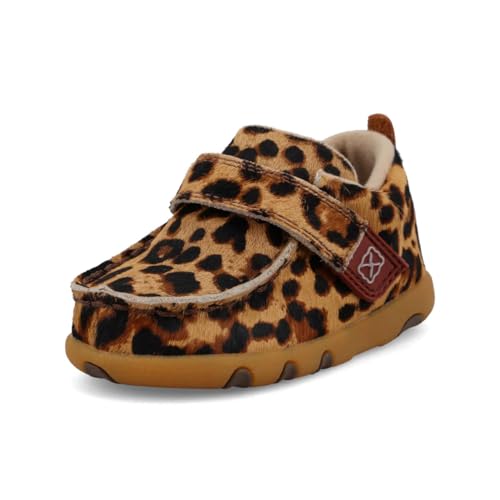
Twisted X Infant’s Driving Moc

BMCiTYBM Baby Toddler Walking Shoes

Hstyle Baby Sock Shoes
A Breakdown Of The Leading Choices
Built for movement, the Flash pulls from Under Armour’s athletic playbook and scales it down to toddler proportions. A breathable upper keeps small feet from overheating during backyard adventures, while a reinforced toe cap handles the crawl-then-walk phase without scuffing apart.
You get a slip-on silhouette that busy parents appreciate during rushed mornings, plus an EVA midsole (a lightweight foam that absorbs impact) for cushioned landings. Compared to the softer Twisted X moc that appears later in this list, the Flash leans toward an active, sporty character rather than a relaxed slipper feel.
Reasons It Performs
- Breathable upper construction helps prevent sweaty feet during long play sessions
- Adjustable strap delivers a more secure, customized fit than typical slip-ons
- Cushioned EVA midsole softens impact on hard floors and sidewalks
- Reinforced toe cap adds durability for crawlers transitioning to walkers
- Lightweight feel reduces fatigue during extended wear
Trade-Offs To Consider
- Slip-on design can loosen throughout the day on narrower feet
- Sporty styling may not suit families looking for dressier options
- Foam midsole may show visible creasing after months of heavy use
Key Specs
Made For
Active toddlers who spend long days running around playgrounds and sidewalks, and parents who want athletic construction in a small package.
Consider Something Else When
Pick the See Kai Run Riley if you prioritize a more fashion-forward look with leather overlays for everyday outings.
The Riley brings a more curated, boutique-style energy to the walker set. A sky blue denim cotton upper gets paired with nubuck (a buffed, sueded leather) overlays and a welded thermoplastic toe cap that shields little toes without bulk.
Inside, a recycled mesh lining and contoured insole support all-day comfort, while a natural rubber outsole with chevron-pattern lugs (V-shaped grooves cut into the sole) grips both indoor floors and park paths. This sits in a different lane than the sporty Under Armour Flash, trading athletic energy for polished everyday style.
Real-World Strengths
- Welded toe cap protects against scuffs without adding visible bulk
- Contoured, mesh-lined insole supports natural foot development
- Recycled mesh lining helps manage moisture during warm days
- Multi-directional chevron outsole pattern grips varied surfaces
Soft Spots
- Denim upper can show stains more readily than synthetic mesh
- Nubuck overlays require occasional brushing to maintain texture
- Styling skews toward specific outfits rather than versatile basics
Right Fit For
Style-conscious parents who want a shoe that pairs with curated outfits and feels a step above basic sneakers.
Look Elsewhere When
Choose the BMCiTYBM Baby Toddler Walking Shoes if you want a more budget-friendly mesh sneaker with simpler care requirements.
The Driving Moc leans into relaxed, casual comfort with a soft fabric upper and easy-wear construction. Nylon laces and a breathable interior make it a friendly choice for laid-back days around the house or quick trips outside.
The standout element is the Blend85 footbed, which combines recycled foam with ecoTWEED lining for cushioned support. A durable rubber outsole adds grip for early walkers still finding their balance. Compared to the mesh-heavy BMCiTYBM option later in the list, this moc trades breathability for a cozier, slipper-adjacent feel.
The Helpful Details
- Soft fabric upper feels gentle against developing feet
- Blend85 footbed cushions landings during frequent standing practice
- Breathable fabric lining reduces stuffiness on warm days
- Rubber outsole provides dependable traction on smooth floors
Worth Noting
- Moc silhouette offers less ankle coverage than high-top styles
- Fabric upper may absorb spills more quickly during messy meals
- Casual aesthetic works less well for dressier occasions
Best Suited To
Parents drawn to sustainable materials and casual style for everyday wear around the home and neighborhood.
Swap It Out When
Pick the Hstyle Baby Sock Shoes if you want an even softer, sock-like feel for primarily indoor cruising.
BMCiTYBM delivers a practical first-walker sneaker that covers the basics without overcomplicating things. A breathable mesh upper keeps air flowing during active play, and hook-and-loop straps (closures that fasten with Velcro-style tabs) make on-and-off easy enough that toddlers can start practicing the skill themselves.
A soft foam insole pairs with a slip-resistant outsole to keep early walkers steady on kitchen tile and playground surfaces. This sits in a different price neighborhood than the See Kai Run Riley earlier in the list, trading premium materials for accessible, everyday utility.
What Pays Off
- Hook-and-loop straps let toddlers practice independent dressing
- Mesh upper keeps feet cool during warm-weather play
- Slip-resistant outsole helps prevent tumbles on smooth surfaces
- Sock-like fit accommodates wider feet and higher insteps
- Affordable price makes it easy to replace as feet grow quickly
Points To Keep In Mind
- Hook-and-loop fasteners can lose grip after repeated wash cycles
- Mesh upper offers less warmth for cooler-weather wear
- Basic construction may show wear faster than premium options
At A Glance
Who Will Love This
Budget-conscious families seeking a versatile first-walker sneaker that handles daily wear without premium pricing.
Reach For A Different Pick When
Choose the Twisted X Infant’s Driving Moc for a cozier, fabric-based feel with sustainable materials.
The Hstyle sock shoe takes the gentlest approach in this lineup, wrapping feet in soft, flexible fabric rather than structured support. It’s the kind of shoe that works well for pre-walkers who pull up on furniture and cruise along the couch, or for toddlers who want something that feels closer to barefoot.
Slip-on construction keeps things simple, and the lightweight build encourages natural foot movement. This is a different category from the structured Under Armour Flash or the sporty BMCiTYBM sneaker, serving as a stepping stone before full footwear takes over.
Useful Highlights
- Soft construction lets feet move and flex naturally during development
- Slip-on design removes frustration during diaper changes and quick outings
- Lightweight feel prevents fatigue during short practice sessions
- Affordable pricing suits families needing multiple pairs
Honest Caveats
- Minimal structure offers little protection on rough outdoor terrain
- Sock-like fit may slip on narrower feet during active walking
- Limited durability for extended outdoor adventures
Quick Facts
Perfect Match For
Pre-walkers and early cruisers who need gentle, flexible footwear for indoor exploration.
A Better Fit Elsewhere
Pick the Under Armour Kids Flash for active toddlers who need structured support during longer outdoor adventures.
What Matters Before Choosing Infant Shoes For Walking
Fit and Foot Shape Considerations
Every toddler’s foot is different, and a shoe that fits one child may not fit another. Wide feet often do better in sock-style constructions like the BMCiTYBM sneaker, while narrower feet may need adjustable straps to keep the shoe secure. Checking toe room matters: you want about a thumb’s width of space at the front so toes can spread naturally during movement.
Activity Level and Surface Use
Active toddlers who spend hours on playgrounds benefit from rubber outsoles with traction patterns, similar to what the See Kai Run Riley offers. Quieter kids who mostly cruise on smooth floors can get by with softer constructions like the Hstyle sock shoe. Matching the shoe to the environment helps prevent slips and supports natural gait development.
Material and Breathability
Breathable mesh and natural fabrics help regulate temperature during active play, which matters more than many parents expect. Synthetic overlays add structure and durability, while cushioned footbeds from EVA or recycled foam absorb impact during frequent standing and stepping practice. Balancing breathability with protection comes down to your climate and how much time your toddler spends outside.
Ease of Use for Parents and Kids
Hook-and-loop straps and slip-on designs save time during rushed mornings, and they also let toddlers practice independent dressing skills. Lace-up options offer more precise fit adjustment but require adult help each time. Considering who puts the shoes on most often helps narrow the choice toward designs that match your daily routine.
Key Considerations Across These Picks
Common Shopping Slip Ups
Many parents size up too aggressively to extend shoe life, but oversized shoes can cause tripping and poor gait development. Feet grow quickly, yet walking shoes should fit properly at the time of purchase rather than anticipate future growth. Another frequent mistake is choosing style over function; a cute shoe that lacks grip or support does little for a child still learning balance.
Where The Extra Money Goes
Higher-tier options like the See Kai Run Riley often feature premium materials such as nubuck leather, contoured footbeds, and welded toe caps that hold up longer under daily wear. Mid-range picks like the Under Armour Flash balance athletic construction with accessible pricing. Budget choices like the BMCiTYBM sneaker cover essential features without extras, making them ideal when feet outgrow shoes every few months. The upgrade tends to matter most when your toddler walks frequently outdoors on varied surfaces.
Frequently Asked Questions
When should my baby start wearing walking shoes?
Most toddlers benefit from walking shoes once they take independent steps outside, usually around 9 to 15 months. Before that, barefoot time or soft sock shoes help feet develop naturally without restriction.
How often should I check the fit of infant walking shoes?
Recheck fit every two to three months, since toddler feet can grow surprisingly fast. Signs that shoes are too small include curled toes, red marks, or frequent tripping.
Are soft sole shoes better than structured ones for early walkers?
Soft soles encourage natural foot movement and balance practice indoors, while structured shoes with rubber outsoles suit outdoor walking on harder surfaces. Matching the shoe to the environment works better than choosing one style for everything.
What materials should I look for in infant walking shoes?
Breathable mesh, natural cotton, and quality leather help regulate temperature and resist wear. Rubber outsoles with tread patterns add necessary grip on smooth floors.
Can my toddler wear hand-me-down walking shoes?
Hand-me-downs work fine if the previous owner wore them lightly and the shoes still hold their shape. Worn-down outsoles or stretched interiors mean the shoes no longer support developing feet properly.
The Takeaway
Choosing infant shoes for walking comes down to matching the shoe to your child’s stage, foot shape, and daily routine. Active outdoor walkers need traction and structure, indoor cruisers benefit from softer flexibility, and style-minded families may want premium materials. The five picks above cover a range of needs, so you can find a comfortable, supportive option that fits your toddler’s first adventures with confidence.