Slushy sidewalks, frostbitten toes, and that awful moment when water seeps through the seam of a “waterproof” boot. Anyone who works outdoors or simply refuses to surrender to winter knows the search for warm, dry, grippy footwear is real. This roundup rounds up seven rugged cold-weather work boots built to keep feet warm and protected through the worst of the season, with honest notes on who each pair actually suits.
The Leading Options At A Glance

NORTIV 8 Waterproof Steel Toe Work Boots

NORTIV 8 Waterproof Military Tactical Work Boots
NORTIV 8 Men’s Composite Toe Work Boots

NORTIV 8 Military Tactical Work Boots Hiking Side Zip

NORTIV 8 Military Tactical Boot Zipper Lightweight

NORTIV 8 Men’s Waterproof Steel Toe Work Boots
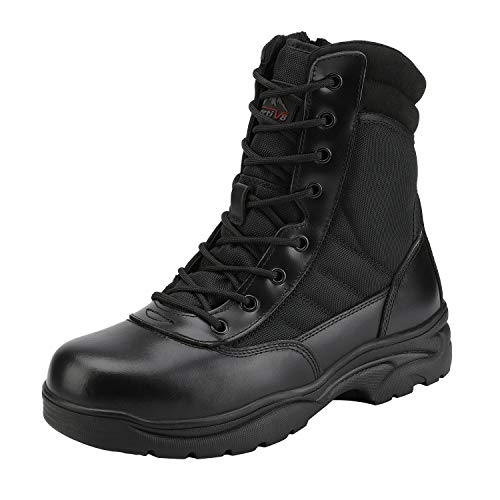
NORTIV 8 Men’s Military Tactical Work Boots
The Picks, Examined More Closely
Frigid job sites punish feet first, and a steel toe adds peace of mind when something heavy shifts. The NORTIV 8 Waterproof Steel Toe Work Boots aim squarely at that combo: impact protection up front and a waterproof shell around the foot, so cold slush and dropped lumber stop being a worry. Compared to the tactical pairs lower on this list, this one trades a lighter, speed-oriented build for heavier-duty reinforcement. For tradespeople clocking in before sunrise, that balance often makes sense.
The trade-off shows up in weight. Steel toes are inherently heavier than composite, and after a ten-hour shift your ankles may notice. Insulation quality also varies by lining, so cold-sensitive feet should layer wool socks underneath.
What It Does Well
- Steel toe cap handles dropped tools, kicked debris, and rolling stock without flinching.
- Waterproof construction keeps slush and standing water from soaking through during long outdoor shifts.
- Industrial and construction-focused design feels purpose-built rather than repurposed from a fashion boot.
- Sturdy ankle support helps when walking on uneven ground or frozen ruts.
Things To Consider
- Heavier than composite-toe alternatives, which can tire out feet on long walks.
- Cold-weather performance leans heavily on sock choice; thin cotton socks will feel the chill.
- Break-in time is common with stiffer leather-style builds before the boot truly softens.
Who It Suits Best
Construction workers, warehouse staff, and anyone on a job site with impact hazards and slushy conditions.
Consider Something Else When
Long-shift walkers needing less weight should look at the NORTIV 8 Composite Toe Work Boots, which trade steel for a lighter toe material.
Tactical boots carry a specific silhouette: tall shaft, rugged lace pattern, and an aggressive outsole that shrugs off mud. The NORTIV 8 Waterproof Military Tactical Work Boots lean into that aesthetic while folding in waterproofing for wet patrols and outdoor work. Versus the steel-toe option above, this pair feels more agile and less armored, which is the point. Side-by-side, the difference is less about warmth and more about mission profile.
You may find the shaft height takes some getting used to if you’re coming from a short work boot. For security contractors, weekend range days, or anyone who needs a no-nonsense boot that handles weather, this is a comfortable middle ground.
Positive Points
- Tactical styling reads as purposeful, not gimmicky, in outdoor and uniform settings.
- Waterproof build handles puddles and wet grass without an immediate soak-through.
- Lace-up shaft gives a customizable, snug fit around the ankle.
Worth Noting
- No reinforced toe means it isn’t a substitute for steel-toe jobsite requirements.
- Sizing runs close to standard, but wide-footed wearers may want to check fit carefully.
- Suede and fabric uppers typically need occasional cleaning to stay presentable.
Built With In Mind
Security personnel, range-goers, and outdoor hobbyists who want a tactical look without armor-class weight.
Skip It When
Toe-impact regulations matter on the job, in which case the NORTIV 8 Composite Toe Work Boots deliver similar styling with a protective cap.
Composite toes are a quieter revolution in work boots. They pass impact ratings, but they don’t set off metal detectors, and they weigh noticeably less than steel. The NORTIV 8 Composite Toe Work Boots pair that lighter toe with a slip-resistant outsole, which matters more than people realize until they’re scrambling across a wet warehouse floor. Compared to the steel-toe option earlier in this list, these feel less punishing on long walks while still checking the safety box.
For airport crews, logistics workers, or anyone who walks miles inside a building each shift, the comfort gain is real. Depending on your climate, you may want to confirm the lining weight is suited to your winters, since composite toes don’t generate extra cold the way steel sometimes does.
Reasons It Performs
- Composite toe provides impact protection without the heavy drag of steel.
- Slip-resistant outsole grips well on wet concrete, oily floors, and slick pavement.
- Metal-free construction clears security checkpoints without removing footwear.
- Lighter overall build reduces end-of-shift foot and leg fatigue.
Points To Note
- Composite materials can cost more upfront than steel-toe equivalents.
- Waterproofing should still be confirmed if you regularly face standing water.
- Lacing may loosen over a long shift without a periodic re-tie.
Feature Snapshot
Whose Shelf It Belongs On
Logistics workers, airport ground crews, and indoor industrial staff who want lighter boots with serious traction.
A Better Fit Elsewhere
Workers needing maximum impact protection at minimum cost may prefer the NORTIV 8 Waterproof Steel Toe Work Boots instead.
Re-lacing a tall tactical boot every time you duck out for a break eats into the day. The NORTIV 8 Military Tactical Work Boots Hiking Side Zip solve that small annoyance with a side zipper that lets you slip in and out without unlacing. The hiking-style outsole adds trail-friendly traction, which makes these a natural fit for both work and weekend terrain. Where the previous tactical pick emphasized uniform styling, this one leans into hybrid use.
One thing worth considering: side zippers need occasional care. Sand or ice grit can jam the mechanism if not brushed out, so a quick wipe at the end of the day keeps things running smoothly.
Standout Benefits
- Side zipper enables fast on/off without loosening every lace.
- Hiking-style tread grips dirt, gravel, and uneven ground well.
- Tactical aesthetic transitions cleanly from jobsite to trail.
Practical Considerations
- Zipper durability depends on keeping grit out of the track.
- No reinforced safety toe, so not suitable where one is required.
- Boot height takes adjustment for first-time tactical boot wearers.
Best Suited To
Outdoor volunteers, search-and-reserve hobbyists, and tactical enthusiasts who move between settings during a long day.
Reach For A Different Pick When
Workplace safety rules demand a protective toe, where the NORTIV 8 Steel Toe Work Boots step in.
Tactical boots historically meant heavy, but the NORTIV 8 Military Tactical Boot Zipper Lightweight flips that script. It keeps the tall shaft and aggressive tread but trims weight wherever it can, which matters when you’re on hour nine of a patrol or event shift. Compared to the side-zip hiking option above, this pair feels more uniform-oriented and a touch lighter on the foot. If you’ve ever finished a long day with sore arches, that trim is noticeable.
Assuming the zipper is properly maintained, the convenience factor is hard to beat. For most outdoor events, in our view, lighter is the right call.
A Few Highlights
- Reduced weight compared to standard tactical boots eases long-shift fatigue.
- Side zipper speeds up transitions during quick stops.
- Tactical profile works for security, range use, and casual wear.
Honest Caveats
- Lightweight construction may trade some long-term durability for reduced weight.
- Not a substitute for safety-toe footwear on regulated worksites.
Feature Snapshot
Perfect Match For
Security staff, event workers, and tactical boot fans who spend long hours on their feet.
Swap It Out When
Hiking-focused users may prefer the NORTIV 8 Military Tactical Work Boots Hiking Side Zip, which emphasizes tread grip.
The NORTIV 8 Men’s Waterproof Steel Toe Work Boots cover the classic jobsite checklist: steel cap, waterproof shell, work-and-utility construction. Where the first steel-toe pick leans a little more tactical, this pair stays closer to a traditional work-boot silhouette that veterans recognize instantly. It feels like the boot supervisors have been pointing at for years, just updated with modern waterproofing.
Heavy industrial work means more than just cold, so steel-toe protection earns its weight here. Depending on your shift length, you may find the boot roomy enough to add a thick insulating sock without pinching.
Useful Strengths
- Steel toe cap delivers proven impact protection in industrial settings.
- Waterproof construction keeps feet dry through puddles and slush.
- Traditional work-boot design reads as familiar on regulated sites.
Factors To Consider
- Heavier than composite-toe models, which can drag on long walking shifts.
- Steel conducts cold, so very low temperatures may require heavier socks.
Feature Snapshot
The Right Fit
Industrial workers who want a familiar, heavy-duty work boot with modern waterproofing.
Look Elsewhere When
Lighter shifts and lots of walking call for the NORTIV 8 Composite Toe Work Boots, which reduce fatigue.
The NORTIV 8 Men’s Military Tactical Work Boots close the list with a versatile, no-frills tactical build. They’re the kind of boot that quietly handles yard work, trail hikes, and casual weekend projects without specialized features. Against the side-zip option earlier, this one skips the zipper for a classic full-lace setup, which feels simpler and slightly more durable over time. It’s a reasonable “one boot does a lot” pick.
For most households, in our view, a boot like this covers more weekends than a specialized jobsite model. You may find the lacing is a little more work each morning, which is the honest trade-off for the simpler build.
Useful Touches
- All-purpose tactical design handles a mix of yard, trail, and casual tasks.
- Full-lace closure offers a familiar, adjustable fit.
- Tread pattern grips well across varied outdoor terrain.
Some Limits To Know
- Full re-lacing each time can slow quick entry and exit.
- No waterproofing or safety toe specified, so wet and impact conditions require care.
Feature Snapshot
Who Should Grab It
Households wanting one dependable boot for yard chores, weekend hikes, and general outdoor tasks.
Another Choice May Suit
Waterproofing matters more than classic lacing for the NORTIV 8 Waterproof Military Tactical Work Boots.
What To Weigh Before Choosing Insulated Bean Boots
Warmth starts with insulation, but it doesn’t end there. A boot that traps heat but soaks through after ten minutes is no winter boot at all, so waterproofing or at least water resistance belongs near the top of the list. Material choices matter too: leather uppers breathe and age well, while synthetics dry faster after a wet day but may run warmer over time.
Outsole grip deserves a real look. Lug depth and rubber compound determine whether you stride confidently across icy parking lots or shuffle like everyone else. For jobsite use, toe protection comes down to steel versus composite, where steel handles heavy impact and composite trims weight. The right pick depends on how much walking you do each day.
Key Considerations Across These Picks
Pitfalls Shoppers Hit
Buying by looks alone is a common trap. A boot can look rugged in photos and still leak at the seams after one slushy walk. Always confirm waterproofing is specified rather than assumed. Another mistake is ignoring weight. Heavy boots feel fine in the store and punishing by hour six of a real shift, so match the boot to your actual workload.
What The Higher Tier Buys
Stepping up in this category typically buys better waterproof membranes, longer-lasting outsole rubber, and stronger stitching at stress points. The honest read is that the upgrade is worth it when you live in your boots, but for occasional weekend use a mid-tier option handles the job without straining your wallet.
Frequently Asked Questions
Are insulated bean boots warm enough for sub-zero workdays?
Most insulated models handle single digits comfortably when paired with wool socks, but extreme cold or long static periods may require higher-rated linings.
How do I clean waterproof work boots without ruining them?
Brush off dirt first, then wipe with a damp cloth and mild soap. Avoid soaking the boot or using harsh detergents that strip waterproof coatings.
Should I size up to leave room for thick socks?
Going up half a size is common for winter use, since cold feet need circulation space. Try the boots with the socks you actually plan to wear.
How long should a quality work boot last?
With rotating pairs and basic care, three to five years of regular use is realistic before outsoles or waterproofing begin to fade.
Can tactical boots replace dedicated work boots?
Tactical boots handle outdoor and casual jobs well, but they typically lack safety toes and certified outsoles required on regulated worksites.
Closing Remarks
The right cold-weather boot depends on where you actually spend your time. Job site crews benefit from reinforced toes and waterproofing, while weekend trail users often prefer lighter tactical builds. Pick the pair that matches your real conditions, and your feet will thank you all season long.