Wet feet, sun-baked docks, slippery kayak decks, and surprise rain squalls all share one thing in common: regular sneakers fall apart fast. Dedicated kayak shoes solve problems most people don’t think about until their first launch: sand between the toes, drainage after a swim, and grip on slick fiberglass. This lineup covers anglers, casual paddlers, and barefoot-style fans who want protection without the bulk.
A Quick View Of The Lineup
FEFELUIS Men’s Barefoot Water Shoes

WateLves Barefoot Quick-Dry Aqua Shoes
FITKICKS Original Women’s Foldable Water Shoes
Meet The Standout Selections
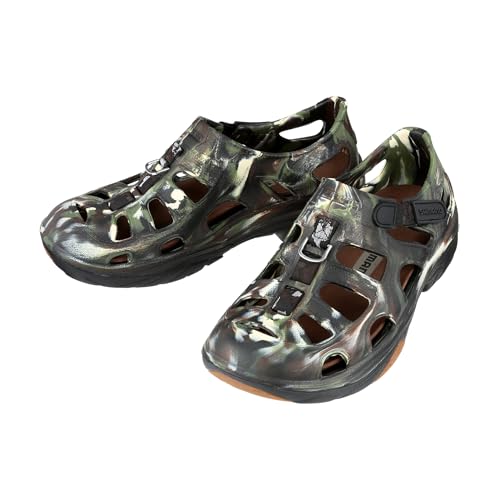
Shimano’s EVAIR leans into a fishing-first design language that translates naturally to kayak decks. The one-piece molded EVA build, a foam blend popular for its light weight and cushioning, wraps the foot in a soft, sandal-like silhouette that slips on fast at the launch ramp. Ergonomic arch support helps during long drifts when you’re bracing on a pedestal seat, and the construction is intended to absorb heel shock on choppy landings.
The shoe works across fishing, boating, kayaking, jet skiing, and surfing, which means you get one piece of gear for many wet outings. EVA also drains quickly and dries in minutes, two details that matter when you’re stepping out of a wet yak into a muddy parking lot. For paddle anglers and casual recreational kayakers, it covers the basics without extra bulk.
The Case For It
- Molded EVA construction keeps the shoe light enough for long paddle days.
- Ergonomic arch support reduces fatigue during hours of bracing and standing.
- Versatile enough for fishing, surfing, jet skiing, and boating in one pair.
- Fast water drainage and quick dry time after swim-assisted entries.
- Slip-on convenience at the ramp when your hands are full of gear.
Trade Offs
- Open, sandal-like coverage means less toe protection against rocks and crab traps.
- EVA foam tends to compress and crease with heavy seasonal use.
- Limited insulation, so cold-water paddlers may find them too cool.
Key Specs
Right Fit For
Paddle anglers and recreational kayakers who want a featherweight, slip-on shoe for warm-water sessions.
Swap It Out When
Travel-light paddlers should consider the FITKICKS Original, which folds flatter for backpack or dry-bag packing.
Where the Shimano reads more like a fishing shoe, the FEFELUIS leans hard into a barefoot sock aesthetic. It’s a slip-on aqua sock, a soft, stretchy upper that hugs the foot, paired with a non-slip outsole, the treaded bottom layer that grips slick surfaces. The wide-width cut is the headline here: paddlers who’ve been shut out of standard water shoes finally get room up front.
Quick-dry fabric keeps the shoe from becoming a waterlogged sock after a wet exit, and the lightweight build suits beach launches, swim breaks, and short kayak hops. Owners commonly note the airy upper runs cool in summer sun. For paddlers who treat their kayak like a floating beach day, the trade-off is a thinner sole and less arch structure than a dedicated fishing shoe.
Notable Upsides
- Wide-width construction fits broad feet that struggle in standard water shoes.
- Quick-dry fabric sheds water after wet exits and swim breaks.
- Non-slip outsole grips wet boat ramps and slick kayak decks.
- Lightweight stretch upper feels closer to a sock than a shoe.
Honest Caveats
- Minimal arch support on long paddle days.
- Thin sole offers limited protection from submerged rocks and shells.
- Stretchy upper collects sand in toe pockets at beach launches.
Whose Shelf It Belongs On
Kayakers with wide feet who prefer a barefoot feel for warm-weather paddling and casual swim stops.
Reach For A Different Pick When
Active outdoor paddlers who hike to remote put-ins may prefer the WateLves for its sportier outsole and broader activity range.
The WateLves is the hybrid of the group, a barefoot aqua sock that also claims hiking, surfing, and boating territory. That crossover matters for paddlers whose day starts with a half-mile trail to the put-in and ends with a surf entry at the takeout. The quick-dry upper and flexible sole keep the transition between walking and paddling smooth.
Compared to the FEFELUIS option, this shoe aims at a more athletic foot shape rather than a wide cut. It also leans a bit harder into rugged tread, which helps on gravel bars and rocky shorelines. For most paddlers who mix water time with light hiking, the case for spending up to a sport-specific hybrid is solid.
Useful Touches
- Multi-activity design handles kayaking, boating, hiking, surfing, and walking.
- Rugged tread grips gravel bars and algae-covered rocks.
- Quick-dry construction moves water away from the foot fast.
- Barefoot-style flexibility preserves natural foot movement on deck.
- Lightweight build packs small enough for a hatch or day bag.
Points To Keep In Mind
- Less suited for anglers needing EVA comfort for full-day standing drifts.
- Fit runs narrower than wide-foot options like the FEFELUIS.
- Mesh panels collect fine sand at beach put-ins.
Feature Snapshot
Who Should Grab It
Outdoor paddlers who split their day between water time and short hikes, and want one shoe to handle both.
Look Elsewhere When
Kayak anglers seeking long-day EVA comfort should reach for the Shimano EVAIR instead.
The FITKICKS closes the roundup with a different philosophy: a women’s-specific, foldable water shoe designed to disappear into a beach bag. The flexible upper rolls into a flat disc that fits in a backpack pocket, day pack, or even a dry bag, which solves the classic problem of bulky water shoes eating up cargo space.
Versus the heavier Shimano, the FITKICKS prioritizes portability over rugged support. You give up serious heel cushioning and toe protection, and you gain a shoe that travels well, slips on at a beach, and handles casual kayak rentals or shoreline wading with ease. Stock tends to come and go, so checking current availability matters.
Good Reasons To Consider
- Foldable design compresses flat for travel and tight storage.
- Lightweight build suits beach-to-kayak days.
- Slip-on construction is convenient at rental kiosks and docks.
Less Ideal Details
- Thin sole offers limited protection on rocky shorelines.
- Light cushioning may feel flat during long paddles.
- Stock availability can be inconsistent depending on color and size.
Best Suited To
Women paddlers and travelers who want a packable water shoe for beach launches and casual kayak days.
Where Another Pick Suits Better
Kayak anglers needing all-day support should consider the Shimano EVAIR, which offers molded comfort instead of a packable flat build.
What To Weigh Before Choosing Your Next Pair
Wet footwear comes down to four core attributes: grip, drainage, fit, and how much protection you actually need. Grip comes from the outsole material and tread pattern. Look for rubberized soles (a tough, water-friendly bottom compound) with channels that evacuate water and grip algae-covered ramps. Drainage depends on the upper construction. Open mesh or perforated uppers, which are fabrics peppered with small holes, shed water faster than sealed neoprene. The trade-off is reduced insulation and more sand intrusion.
Fit matters more than most shoppers expect. Water swells feet slightly, and tight shoes turn into blisters fast. If your feet run wide, the FEFELUIS is the obvious call. For narrow or average feet, the WateLves and FITKICKS run closer to standard athletic sizing.
Protection is where you choose your fighter. Sandal-like EVA shoes like the Shimano EVAIR breathe well and pack light, but leave toes exposed. Aqua socks hug the foot but trade cushioning. Hybrid builds aim for balance. Match the shoe to the most aggressive thing your day throws at you: a rocky put-in, a long drift, or a swim-break swim session.
Grip, Drainage, and Fit In Real Conditions
Traction on wet fiberglass and algae-coated ramps separates useful shoes from frustrating ones. A patterned rubber outsole spreads weight across uneven surfaces, while smooth soles skate on slick decks. Drainage holes or mesh panels cut down on sloshing water weight after a wet exit.
Matching Shoe To Activity
Think about the most demanding moment of your day. A surf landing, a hike-in put-in, or a long standing drift all push different attributes. Anglers lean toward Shimano-style EVA comfort. Active paddlers who hike to launches lean toward the WateLves. Travelers who want one shoe that disappears in a bag lean toward FITKICKS.
Common Pitfalls When Shopping For Kayak Shoes
Where Shoppers Go Wrong
A common mistake is treating water shoes like regular sneakers, then wondering why they slip on wet ramps. Another is choosing a closed, insulated shoe for a warm-weather paddle day and ending up with hot, blistered feet. Skipping fit checks because of online-only sizing also backfires; water swelling means a snug fit becomes painful fast.
What Separates Premium From Basic
Higher-tier kayak shoes usually invest in better outsole rubber, more anatomically shaped footbeds, and stronger upper materials that resist abrasion on rocky shores. You also tend to get better drainage engineering, which keeps the shoe lighter during long days. The premium is worth it if you paddle often or in rough environments; for occasional rentals and beach days, a budget-friendly aqua sock often does the job.
Frequently Asked Questions
Do I really need kayak-specific shoes?
Regular sneakers soak through, hold water, and slip on wet decks. Kayak-specific shoes drain fast, grip slick surfaces, and dry quickly between launches.
Can I use hiking sandals instead?
Hiking sandals work for easy put-ins but offer limited toe protection and less traction on slick kayak decks. A dedicated water shoe usually grips better.
Should I size up from my normal shoe size?
Most paddlers find a half size up comfortable, since feet swell in warm water. Trying them on with the socks you’ll actually wear helps too.
How do I clean and store kayak shoes?
Rinse with fresh water after each outing, shake out debris, and air-dry out of direct sunlight. Storing them damp invites odor and breaks down glue.
Are foldable water shoes durable enough for regular use?
Foldable designs prioritize portability over rugged support. They handle beach launches and casual paddling well, but heavy rocky use wears them faster than stiffer hybrids.
The Takeaway
The best kayak shoes match your most demanding moment on the water, not your calmest day. Match grip to your slipperiest surface, drainage to your wettest exit, and fit to your actual foot shape, and the rest of the choice tends to sort itself out.