Finding shoes that fit a wide-foot child can feel like a monthly quest. Standard sizing pinches across the toe box, velcro straps gap awkwardly, and sneakers that look perfect in the box turn into blisters by recess. This roundup focuses on five options built with roomy lasts and forgiving toe boxes, so parents can stop guessing and start with a smarter shortlist.
The Lineup, Simplified

WHITIN Toddler/Little Kid Wide Barefoot Shoes W8K2
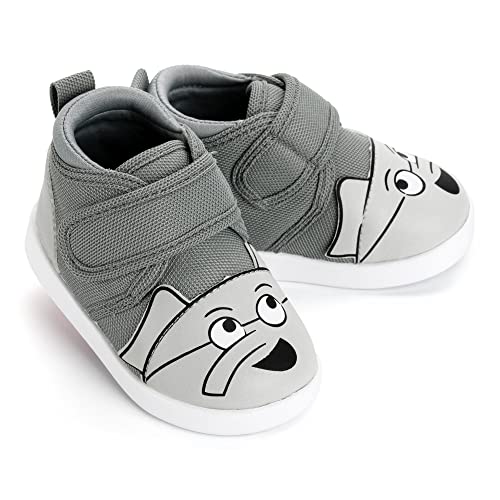
ikiki Squeaky Toddler Shoes V1 Walking Shoes
New Balance Kids’ 515 V1 Hook and Loop Sneaker
WHITIN Little/Big Kid Wide Retro Barefoot Sneakers WK102
WHITIN Girls Wide Toe Box Barefoot Mary Jane Flats W9K01
A Breakdown Of The Leading Choices
Toddlers with wide forefeet often struggle in conventional sneakers, where the toe box tapers and squeezes small toes together. The WHITIN W8K2 takes the opposite approach, shaping the front of the shoe to match a foot’s natural spread rather than forcing it into a narrow last. Parents who have watched their child wince during walks usually notice the difference within a single afternoon.
Because the upper mimics a barefoot-style profile, kids can splay their toes naturally on uneven playground surfaces, which matters during the years when foot bones are still soft and forming. The flexible build pairs well with early walkers who drag their toes or shuffle instead of lifting cleanly. Compared with the ikiki V1 that follows, this pick prioritizes fit over interactive feedback.
Practical Pluses
- Wide, barefoot-inspired toe box lets toes spread without compression
- Flexible construction supports natural gait during developmental stages
- Roomy upper accommodates chunky feet that pinch in standard toddler sizing
- Lightweight feel reduces fatigue on long daycare days
Things To Consider
- Less structured cushioning than a traditional sneaker, so very high-impact play may feel thin
- Wide fit may feel sloppy on a child with a narrow heel
Who It Suits Best
Toddlers and young kids with wide forefeet whose parents want a forgiving, foot-shaped shoe for daily wear.
Swap It Out When
Choose the ikiki Squeaky Toddler Shoes V1 instead if your child is just learning to walk and benefits from audible feedback with each step.
The ikiki V1 solves a specific frustration for parents of new walkers: a child who refuses to lift their feet. The built-in squeaker chirps with each step, turning heel-striking or shuffling into an obvious problem you can hear and correct in real time. A simple switch under the strap lets you mute the noise once coordination improves, which matters during quiet story time at the library.
Beyond the audible gimmick, the shoe offers a roomy fit that suits wide feet and a soft, breathable fabric upper that flexes with tiny steps. The wide velcro strap makes on-and-off easier for wiggly toddlers and gives a bit of adjustability across foot shapes. Where the WHITIN W8K2 leans minimalist, this pick adds interactive feedback on top of a forgiving last.
Positive Takeaways
- On/off squeaker switch gives audible gait feedback when needed
- Roomy fit accommodates wide or chunky toddler feet
- Velcro strap simplifies independent dressing practice
- Breathable fabric helps on warm playground afternoons
Worth Noting
- Squeaker mechanism adds bulk compared to a barefoot-style shoe
- Limited size range, so older kids outgrow it quickly
Made For
Toddlers just learning to walk whose parents want a tool that doubles as a coordination coach.
A Better Fit Elsewhere
Pick the New Balance Kids’ 515 V1 Hook and Loop Sneaker if your child is past the early-walking stage and needs a sturdier everyday sneaker.
The 515 V1 is the workhorse option in this roundup, designed for kids who rack up serious mileage between school, recess, and weekend sports. New Balance built this model around a heavy-duty rubber outsole that holds up to running, jumping, and the kind of sideways scuffing that shreds lighter sneakers within a month. Parents usually see the outsole pattern still intact long after the upper starts looking lived-in.
The hook-and-loop closure trades traditional laces for wide velcro straps that little hands can manage on their own, while still letting you fine-tune tension across the top of the foot. Inside, a cushioned midsole absorbs impact during longer days, which matters when kids skip the sit-down breaks at recess. Compared with the WHITIN W8K2, this shoe trades minimalist flexibility for tougher construction.
Useful Touches
- Heavy-duty rubber outsole handles playground abuse
- Hook-and-loop closure lets kids dress themselves independently
- Cushioned midsole softens impact during long school days
- Adjustable fit across the instep suits a range of foot volumes
Trade Offs
- Standard last fits narrower than barefoot-style options on truly wide feet
- Heavier than minimalist picks, which matters during early walking
- Hook-and-loop straps collect lint and lose grip after repeated machine washes
Right Fit For
Active school-age children who need a durable everyday sneaker for playground, classroom, and casual sports use.
Reach For A Different Pick When
Choose the WHITIN Little/Big Kid Wide Retro Barefoot Sneakers WK102 if your child has a wider foot that pinches in standard lasts.
The WK102 carries the barefoot-friendly philosophy of the W8K2 into the big-kid sizing range, where standard sneakers tend to run narrow. The retro silhouette adds a touch of style that older kids actually want to wear, which solves the daily battle of convincing an opinionated 8-year-old that orthopedic comfort can also look cool. The wide last gives toes room to splay during recess sprints.
Compared with the New Balance 515 V1, this pick sits lighter on the foot and bends more easily, which parents of kids with foot sensitivity often appreciate. The trade-off is less rugged outsole material, so heavy street play will wear through the sole faster. The WK102 fits a niche that the 515 misses: bigger kids who need width more than armor.
Where It Helps
- Wide toe box suits kids who outgrew toddler barefoot styles
- Retro styling appeals to school-age taste without sacrificing fit
- Lightweight build reduces fatigue on long walking days
- Flexible sole encourages natural foot movement
Honest Caveats
- Less durable outsole than a traditional athletic sneaker
- Limited structure for kids who need ankle support
Best Suited To
Big kids with wide feet who want a roomy, everyday sneaker without the bulk of a traditional athletic shoe.
Look Elsewhere When
Pick the New Balance Kids’ 515 V1 Hook and Loop Sneaker if your child plays high-impact sports and needs a tougher outsole.
Dressy shoes are where wide-foot kids usually suffer the most, because most Mary Janes taper sharply at the toe. The W9K01 flips that script with a wide toe box hidden inside a classic Mary Jane silhouette, so girls can wear them to weddings, school photos, and family dinners without red marks across the forefoot. Parents who have taped and padded standard flats will recognize the relief immediately.
The barefoot-style last gives toes room to spread even during long seated events, which matters more than parents expect when a child has to sit still for hours. The flexible sole walks more naturally than stiff dress shoes, so transitioning from carpet to pavement feels less clunky. Where the WHITIN WK102 leans sporty, this pick dresses up while keeping the same width philosophy.
The Good Stuff
- Wide toe box disguised inside a classic Mary Jane shape
- Flexible sole feels natural on varied surfaces
- Dressy enough for events without sacrificing foot comfort
- Roomy fit accommodates orthotic inserts when needed
Points To Keep In Mind
- Not designed for playground use, so a separate athletic shoe is still necessary
- Less arch support than structured dress shoes
- Scuff-prone upper may show wear faster than rougher fabrics
Perfect Match For
Parents of wide-foot girls who need a dressy option for events, photos, or school uniforms.
Consider Something Else When
Choose the WHITIN Toddler/Little Kid Wide Barefoot Shoes W8K2 if you need a shoe for daily playground activity rather than dressy occasions.
What To Weigh Before Choosing Kid Shoes For Wide Feet
Toe Box Shape Over Size Alone
A common trap is buying a longer shoe to relieve width pressure, which only changes the foot’s position inside the shoe. Look for a wide or anatomical last, the molded shape on which a shoe is built, that gives the forefoot horizontal room. This matters most during growth spurts, when bones lengthen and widen at the same time.
Closure Type And Adjustability
Wide feet often come with high or low insteps, so a closure that adjusts across the top of the foot saves a lot of trial-and-error. Hook-and-loop straps, the wide velcro tabs found on the New Balance 515 V1, let you fine-tune fit in seconds, while fixed elastic Mary Jane straps do not. Choose based on whether your child needs tension control or slip-on speed.
Activity Match
Dress shoes, athletic sneakers, and barefoot-style shoes each handle different surfaces and intensities. The W9K01 suits carpeted events; the New Balance 515 V1 suits blacktop. Most kids end up needing at least two pairs to cover both dress and play, which is more honest than forcing one shoe to do everything.
Growth Room Without Sloppiness
Leaving a thumb’s width at the toe helps, but too much extra space causes blisters as the foot slides during walking. For most kids, that translates to roughly a half-size up from current measurement. Recheck sizing every few months, because wide-foot children sometimes outgrow width before length.
Key Considerations Across These Picks
Where Shoppers Go Wrong
The most common slip-up is trusting standard width labels across brands, since sizing conventions vary wildly between athletic and barefoot-style makers. Measure both feet in the afternoon when swelling peaks, and prioritize the larger measurement. Skipping this step leads to the all-too-familiar return cycle.
When Paying More Pays Off
Higher-tier wide shoes tend to use better lasted construction, meaning the shoe is shaped over a rigid form rather than just stitched flat, which keeps the toe box from collapsing over time. That matters for kids who wear the same pair daily through a school year. For occasional or event-only wear, the budget options hold up just fine.
Frequently Asked Questions
How do I know if my child actually needs wide shoes?
Persistent redness across the outer toes, blisters on the pinky side, or shoes that gap at the heel usually signal the standard last is too narrow. A quick in-store width measurement confirms what your eyes suspect.
At what age do wide-foot concerns usually show up?
Most parents notice the fit issue once toddlers start walking on their own, because crawling rarely reveals shoe-width problems. The same concern tends to resurface during early elementary growth spurts.
Can wide shoes still work with orthotic inserts?
Yes, roomy lasts like the WHITIN W9K01 often accommodate thin orthotics without crowding the toe box. Thicker prescription inserts may require removing the original insole first.
How often should I replace growing kids’ shoes?
Every four to six months is typical for active kids, though fast growers may need new pairs sooner. Check by pressing the toe area; if you can feel the toes through the upper, sizing has run out.
Are barefoot designs safe for everyday wear?
For most children with healthy foot development, yes. Kids with specific medical needs should follow their clinician’s guidance before switching from structured athletic shoes.
Closing Verdict
Wide-foot kids deserve shoes that fit without forcing the foot to fit the shoe. The picks above span walkers, athletes, school-age kids, and dressy occasions, so most families can find a starting point here. Measure carefully, watch for pressure points after the first wearing, and trust comfort over the label on the box.