Splash pads, lake weekends, sandy playgrounds, and pool days all demand the same thing: footwear that stays on, dries fast, and protects tiny toes from rough surfaces. The trouble is, kids water shoes range wildly, from featherlight aqua socks to rugged closed-toe sandals, and the right call depends on where your child actually spends time. This guide walks through five well-regarded options for 2026, breaking down what each one does well, where it falls short, and who’ll get the most mileage out of it.
A Snapshot Of The Selections

Racqua Toddler Boys Girls Baby Water Shoes Quick-Dry Lightweight Swim

Native Shoes Unisex-Kids Jefferson Sneakers

KEEN Seacamp 2 CNX Closed Toe Sandals
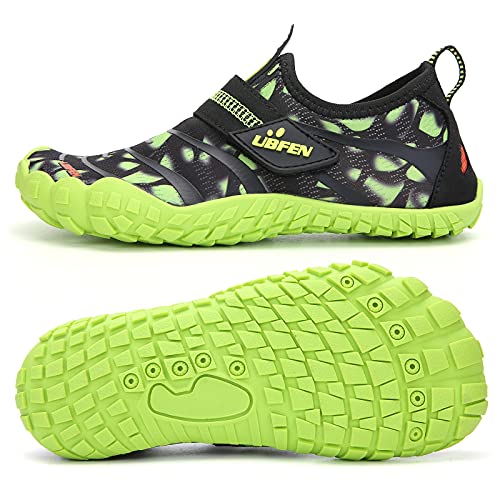
UBFEN Kids Water Shoes Quick-Dry Swim Aqua Socks

WHITIN Kids Shore Explorer Water Shoes Z1K2
A Deeper Look At The Lineup
The Racqua water shoes target the very youngest wearers, with sizing aimed at infants from six months through toddlerhood. That early-age focus sets the tone for everything about this pick: the materials aim to cradle wobbly first steps rather than handle trail abuse. Parents juggling a baby at the splash pad usually want one thing above all else: shoes that slip on without a wrestling match.
Compared to the heavier Native Jefferson you’ll read about next, the Racqua design feels closer to a sock than a shoe, which makes transitions from car to pool deck a lot smoother. For most parents introducing their child to water play, that’s the right trade-off to make.
What Works In Its Favor
- Infant-friendly sizing covers babies from six to eighteen months, a range many competitors leave out entirely.
- Lightweight build means less fatigue during early walking practice on hard pool decks.
- Quick-dry construction keeps the shoe from staying soggy between play sessions.
- Stretchy upper accommodates chubby baby feet without pinching.
Things To Consider
- The thin sole offers limited protection against sharp rocks, hot sand, or rough pool bottoms.
- Outgrown fast: babies in the six-to-twelve-month window may cycle through a size in a single summer.
Built With In Mind
Parents of infants and young toddlers just starting water play who need a gentle, slip-on first pair rather than trail-ready construction.
Look Elsewhere When
You need genuine toe protection for rocky river hikes; the KEEN Seacamp 2 CNX Closed Toe Sandals handles that scenario far better.
The Native Jefferson has earned a devoted following for one big reason: it’s the rare kids shoe that genuinely works year-round, water or not. EVA, a foam-rubber blend that’s lighter than traditional rubber, forms the entire body, so the shoe weighs almost nothing on the foot. That same material sheds water quickly and rinses clean under a tap.
Where the Racqua baby shoe targets the pool deck, the Jefferson crosses over into the school yard, the playground, and the backyard without missing a beat. Most parents shopping for one shoe that handles water play and casual use will appreciate that flexibility.
Useful Strengths
- EVA construction delivers a noticeably lighter step than rubber-soled alternatives.
- One-piece molded body means no seams to peel apart after months of soak-and-dry cycles.
- Hand-washable in minutes, useful for muddy spring afternoons.
- Wide range of colorways makes it easy to match school outfits.
- Slip-on style suits kids who resist laces and Velcro.
Worth Noting
- The fully enclosed EVA upper can feel warm during peak summer heat compared to ventilated sandals.
- Openings at the side let in sand and fine gravel at the beach.
- Less ground feel than barefoot-style options like the WHITIN Shore Explorer.
Whose Shelf It Belongs On
Parents who want one shoe to cover pool days, recess, and weekend errands without swapping pairs.
Swap It Out When
Your child spends long hours in true water environments and needs faster drying; the UBFEN Kids Water Shoes Quick-Dry Swim Aqua Socks handles that workload more directly.
The KEEN Seacamp 2 CNX steps away from the aqua-sock category entirely. Closed-toe construction wraps the front of the foot in protective rubber, a real asset when kids clamber over river rocks or kick up submerged debris. A Secure Fit Lace Capture System replaces traditional laces, drawing the shoe snug with a single cord and toggle.
The KEEN.CNX platform (KEEN’s lightweight, low-profile build) keeps the sandal flexible and ground-sensitive, so kids still get feedback underfoot instead of feeling cut off from the terrain. For most families who hike, camp, and swim all in the same weekend, this is the rugged pick on the list.
Points In Its Favor
- Closed toe shields against sharp objects that would punish open aqua socks.
- Non-marking rubber sole grips wet rocks without scuffing pool decks.
- Secure Fit Lace Capture System lets kids tighten the shoe without tying knots.
- Moisture-wicking lining pulls water away from the skin for faster drying.
- Polyester webbing holds up to repeated wet-dry cycles without rotting.
Trade Offs
- Heavier than aqua socks; very young kids may notice the added weight.
- More parts and straps mean more spots where sand can hide after a beach day.
- Closed-toe coverage runs warm in midsummer sun compared to ventilated options.
Quick Technical Notes
Who Will Love This
Active kids and families who split time between streams, rocky shorelines, and trailheads and need footwear that survives all three.
Where A Sibling Pick Shines
For purely pool-and-splash-pad use without trail hazards, the UBFEN Kids Water Shoes Quick-Dry Swim Aqua Socks delivers a lighter, more breathable fit.
The UBFEN aqua socks lean into the stretchy, sock-like fit that parents have come to expect from pool footwear. The upper hugs the foot and ankle, so the shoe stays put through cannonballs and wave jumping far better than loose slip-ons. A rubber outsole keeps traction reliable on slick pool decks and boat docks.
This pick sits in the middle of the list for good reason. It covers the widest range of typical family water scenarios, from resort pools to lake docks, without committing to either the trail-ready build of the KEEN or the everyday versatility of the Native Jefferson.
Where It Delivers
- Stretchy sock-like upper stays on through active pool play.
- Quick-dry fabric avoids the soggy-shoe slowdown between activities.
- Lightweight construction packs flat for travel days.
- Wide color selection covers both boys and girls without sibling squabbles.
Points To Note
- Thin sole offers minimal protection against submerged sticks or sharp rocks.
- Snug fit can run tight on kids with wider feet, so sizing up may be necessary.
- Less structured than the KEEN, so long hikes leave feet more fatigued.
Right Fit For
Families who want a versatile, travel-friendly shoe for pool decks, splash pads, and casual beach days where serious trail terrain isn’t on the agenda.
Reach For A Different Pick When
You need serious rock-and-debris protection at a lake or river; the KEEN Seacamp 2 CNX Closed Toe Sandals is the right tool for that scenario.
The WHITIN Shore Explorer goes in the opposite direction from the rugged KEEN. A barefoot-style design with a thin, flexible sole aims to keep feet close to the ground for sensory feedback on the terrain. That makes the shoe feel closer to a water sock with a sole attached, which suits backyard sprinklers, sandbox play, and shallow wading.
This pick rounds out the list as the casual, easygoing option. For most families who need an inexpensive spare pair to leave at the lake house or send to summer camp, the WHITIN fits that role without much fuss.
Notable Gains
- Barefoot-style sole delivers strong ground feel for sensory development.
- Light, packable build slips into a beach bag without bulk.
- Aqua sock upper pulls on quickly during spontaneous wading sessions.
- Lower price point leaves budget for other summer gear.
Honest Caveats
- Minimal sole cushioning tires feet faster on long walks.
- Limited toe coverage leaves front of foot exposed to scuffs and stubbed toes.
- Less durable under heavy trail use compared to the KEEN.
- Snug sock fit can feel restrictive for kids with wider feet.
Feature Card
Best Suited To
Parents who want an inexpensive spare pair for backyard play, summer camp, or travel without committing to premium price tags.
Consider Something Else When
Your child needs a single do-it-all shoe for school and water days; the Native Shoes Unisex-Kids Jefferson Sneakers covers that wider use case more naturally.
Matching Kids Water Shoes To The Way Your Family Plays
Start with the environment, because that decides almost everything. Pool decks and splash pads call for quick-dry, slip-resistant aqua socks like the UBFEN or the barefoot-style WHITIN. Rocky lake shores and stream beds demand closed-toe protection, which is where the KEEN earns its keep. A school-and-water shoe hybrid is what the Native Jefferson is built for.
Fit matters more than fabric. Kids grow fast, and water shoes should feel snug without squeezing, so sizing up half a step for a long summer is a move worth making. Look for adjustable closures (toggle cords, stretchy uppers) that let you fine-tune the fit through growth spurts.
Sole thickness is the next big call. Barefoot-style designs (WHITIN) let feet feel the ground, which helps younger kids develop balance, but they tire faster on long days. Thicker soles (KEEN, UBFEN) handle rough terrain and long walks at the cost of ground feedback.
Drainage and drying time round out the practical list. Mesh uppers and open weaves shed water fastest, which matters when kids move from pool to car seat without a change. Hand-washable construction (Native Jefferson especially) keeps muddy shoes from becoming a permanent headache.
Mistakes Worth Dodging
Skipping toe protection for trail use is a classic slip-up. Aqua socks feel light and breathable, but on rocky riverbeds they leave toes exposed to scrapes and stubbed injuries. The KEEN Seacamp 2 CNX exists for that scenario, and reaching for it saves a trip to the first-aid kit.
Buying too big “to grow into” backfires with water shoes. Extra space lets water rush in and lets the shoe slip off during active play. Sizing snug with a small growth buffer is the safer bet.
Overlooking smell and mildew is another common miss. Closed-cell foams (like EVA on the Native Jefferson) resist odor better than open-weave fabrics, but every water shoe benefits from a rinse and air-dry after heavy use.
When Paying More Pays Off
Higher-tier water shoes tend to invest the extra money in three places: protective toe caps, grippier outsoles, and longer-lasting uppers. The KEEN Seacamp 2 CNX shows this pattern clearly, with a closed toe and non-marking rubber that cheaper aqua socks can’t match.
The upgrade pays off most for families who actually hike, camp, and swim on the same trip. For pure pool-deck or backyard use, the budget tier handles the job without the extra cost. Worth weighing honestly before reaching for the priciest option.
Frequently Asked Questions
How do I pick the right size for kids water shoes?
Snug fit beats loose fit here, since water rushing into extra space pulls shoes off during active play. Measure your child’s foot in the evening and leave a small growth buffer rather than sizing up a full step.
Can kids water shoes go in the washing machine?
Most aqua socks and EVA sneakers handle a gentle machine cycle, but air-drying extends the life of glues and elastic. Hand-rinsing under a tap after each heavy-use day is the safest routine.
Are closed-toe water shoes worth the extra cost?
For rocky shorelines, creek beds, and trails with debris, yes. The toe cap prevents the kind of stubbed-toe injuries that end water play early. For pool decks and sand, open aqua socks do the job.
How long do kids water shoes typically last?
A single summer for fast-growing toddlers is realistic, while EVA sneakers and rugged sandals often stretch into a second season for older kids. Rotation between two pairs extends lifespan noticeably.
Do kids water shoes need socks underneath?
Most designs assume bare feet, with linings that handle moisture directly. Adding socks usually creates more friction than comfort, so skip them unless the shoe runs cold in early-season water.
Bottom Line
The right kids water shoe depends on where your family actually plays. The KEEN earns its keep on rough terrain, the Native handles everyday versatility, the UBFEN covers typical pool and beach days, the WHITIN works as an inexpensive spare, and the Racqua fits babies just starting out. Pick the environment first, fit second, and the choice usually makes itself.