Finding the right pair of ladies sports shoes shapes every run, walk, gym session, and standing shift that follows. Cushioning, fit, and outsole grip all decide whether your feet feel energized or beaten up by the end of the day. The seven options below cover different priorities, from long-distance road running to wide-foot comfort and all-day training.
An Overview Of The Picks

Reebok Womens Zignition

adidas Women’s Ultraboost 20

adidas Women’s Ultraboost 19
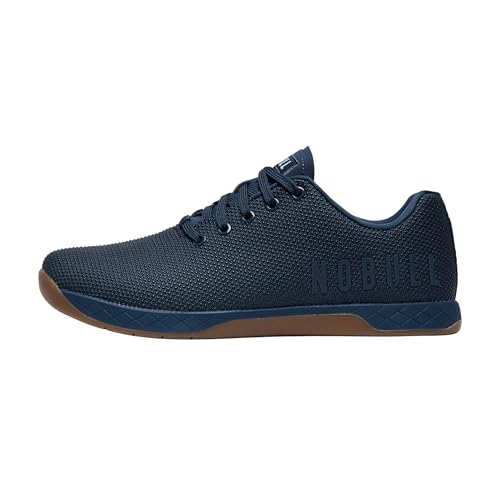
NOBULL Outwork Cross-Trainer

NOBULL Outwork Edge Trainer

Scurtain Wide Adjustable Walking Shoe

NOBULL Allday 365 Ripstop
More On The Choices That Made The List
The Reebok Zignition lands as a fashion-leaning sneaker that doubles as a light gym companion. The low-profile silhouette pairs naturally with leggings, denim, or shorts, which matters when your shoes double as your daily uniform. Compared to the cushioned running picks later on this list, it leans minimalist rather than plush.
The low-top cut slips easily on and off between workouts and errands, and the lighter midsole keeps things feeling agile. For shorter walks, light gym work, or all-day casual wear, this is the kind of shoe that doesn’t fight your outfit. One thing worth considering: serious mileage runners will want more cushioning than this minimal build offers.
What Stands Out
- Lightweight feel that reduces leg fatigue on short outings
- Low-profile look transitions smoothly from gym to street
- Slip-on friendly silhouette saves time on busy mornings
- Easy to pair with casual athletic wear without looking overly sporty
Worth Noting
- Minimal cushioning may feel thin during long runs or extended standing
- Not engineered for high-impact training sessions
Right Fit For
You want a casual sneaker that doubles for light workouts and doesn’t scream “performance gear.”
Consider Something Else When
You’re logging serious mileage; the adidas Women’s Ultraboost 20 delivers the energy return your knees will thank you for.
The Ultraboost 20 is built for runners who log real mileage and want every stride to feel spring-loaded. Boost cushioning (a foam midsole that compresses and bounces back with each step) absorbs impact while returning energy, making longer efforts feel smoother on the joints. The knit upper wraps the foot with stitched-in support zones that flex where you bend and hold firm where you push off.
Where the Reebok Zignition leans minimalist, this shoe goes the other way: plush, structured, and unapologetically a runner. The elastane heel allows natural Achilles movement, reducing the tug that stiff collars can create. Heel strikers and midfoot strikers both tend to find a comfortable rhythm in this platform.
Points In Its Favor
- Energy-return midsole reduces leg fatigue on long runs
- Engineered knit upper balances stretch with hold
- Soft elastane heel supports natural Achilles motion
- Smooth heel-to-toe transitions keep cadence steady
Trade Offs
- Premium build carries a higher cost than casual trainers
- Cushion stack feels tall for runners who prefer ground feel
- Outsole wear can accelerate on rough pavement over time
Feature Snapshot
Best Suited To
Distance runners who want plush cushioning and a responsive feel on every stride.
Skip It When
Your training is mostly gym-based; the NOBULL Outwork Edge handles lateral and lifting work with a flatter, more stable platform.
The Ultraboost 19 sits one generation behind the 20 but shares its DNA: motion-weave knit, propulsive Boost foam, and a fit that hugs the foot without squeezing. Runners who prefer a slightly softer ride than the 20 sometimes find this version lands just right. It’s the predecessor many loyalists still reach for.
The seamless knit upper reduces pressure points across the forefoot, a real plus for runners with bunions or sensitive metatarsals (the bones across the ball of your foot). Neutral gait runners, meaning those whose feet don’t roll inward or outward much, get a balanced platform here. You may find the fit runs a touch snug at first, so most runners benefit from a short break-in period.
What Pays Off
- Second-skin knit fit reduces hot spots during longer efforts
- Boost midsole delivers reliable energy return mile after mile
- Seamless construction minimizes rubbing and irritation
Points To Keep In Mind
- Snug initial fit may feel tight for wider feet
- Knit upper requires gentle cleaning to maintain structure
- Older generation may have fewer colorway options
Who Will Love This
Neutral runners who want Ultraboost performance at a lower tier than the current model.
Look Elsewhere When
You need a roomier toe box; the Scurtain wide adjustable shoe gives you the width and the adjustability for swelling or wide feet.
The NOBULL Outwork is purpose-built for the gym floor. Where running shoes prioritize forward cushioning, this trainer offers a flatter, more stable platform for lifting, sled pushes, and short bursts of cardio. The construction takes a beating and keeps its shape, which gym-goers tend to appreciate after months of rope climbs and box jumps.
The brand has built its reputation around minimal branding and maximum durability. This shoe leans into that philosophy with a tough upper that shrugs off scrapes from barbells and rough gym flooring. Runners should know this isn’t a mileage shoe; it’s a session shoe.
The Good Stuff
- Durable upper handles abrasive gym surfaces
- Stable flat platform supports lifting mechanics
- Minimal design pairs easily with casual outfits
- Reinforced toe cap protects during high-impact work
Less Ideal Details
- Minimal cushioning makes long-distance running uncomfortable
- Stiffer feel out of the box compared to knit trainers
Feature Snapshot
Whose Shelf It Belongs On
Lifters and CrossFit-style athletes who need grip, stability, and durability over plush cushioning.
Reach For A Different Pick When
Road running is your main activity; the adidas Women’s Ultraboost 20 is engineered for that mileage.
The Outwork Edge takes the Outwork formula and pushes it toward higher-intensity training. Think HIIT classes, plyometric boxes, and mixed-modality sessions where your feet change direction every few seconds. The outsole grips well on rubber gym floors and the upper takes abuse without complaint.
Compared to the standard Outwork, the Edge version leans slightly more aggressive in its geometry. That extra edge matters for athletes pivoting quickly or working on unstable surfaces. Casual gym-goers may find the firmer feel less forgiving than they’d like.
Key Advantages
- Reinforced outsole grips well during lateral movements
- Tough upper construction handles varied training demands
- Stable platform supports explosive lifts and plyometrics
- Low-profile design keeps you grounded during balance work
Honest Caveats
- Not designed for sustained cardio or running mileage
- Firmer ride takes adjustment if you’re used to cushioned trainers
Made For
Athletes running mixed-modality workouts who need grip and durability in equal measure.
Swap It Out When
Most of your training is road miles; the adidas Women’s Ultraboost 19 delivers the cushioning your joints will want.
The Scurtain walking shoe takes a different approach to fit. Adjustable closures (often hook-and-loop) let you customize the width across the forefoot and instep, which is essential for anyone dealing with swelling, neuropathy (nerve-related numbness or tingling), or wider feet that standard sizing can’t accommodate. A zero-drop platform keeps the heel and forefoot level, encouraging a more natural footstrike for walking.
Breathable mesh uppers keep feet from overheating during long shifts, and the roomy toe box prevents the pinching that narrow trainers create. Where the running shoes earlier on this list chase performance, this one chases relief. It’s a thoughtful option for nurses, retail workers, and anyone spending hours on their feet.
What It Does Well
- Adjustable fit accommodates swelling throughout the day
- Zero-drop geometry supports natural foot positioning
- Wide toe box prevents pressure on sensitive feet
- Breathable mesh keeps feet cooler during long shifts
- Casual sneaker styling suits everyday wear
Practical Considerations
- Not engineered for running or high-impact training
- Adjustable straps may require occasional readjustment during wear
- Casual silhouette won’t suit dressier wardrobes
Feature Snapshot
Built With In Mind
You need a forgiving, adjustable fit for long hours on your feet, especially with swelling or wide-foot concerns.
Not Your Match When
Speed work and tempo runs are your focus; the adidas Women’s Ultraboost 19 is built for that mileage.
The Allday 365 closes the list as a versatile training shoe that handles whatever you throw at it. Ripstop fabric (a woven material that resists tearing and fraying) reinforces the upper against unexpected scrapes, which matters for outdoor workouts or busy gym bags. The flat, stable platform works for lifting and short cardio bursts alike.
Compared to the running-focused Ultraboost picks earlier on, this one takes a more grounded approach. It’s the kind of shoe you can wear to a lifting session, a class, or errands without changing footwear. The trade-off is that it won’t deliver the springy ride serious runners want.
A Strong Showing
- Ripstop upper resists tears during outdoor sessions
- Versatile platform handles varied daily training
- Durable construction supports long-term daily use
- Streamlined silhouette works beyond the gym
Where It May Fall Short
- Limited cushioning for sustained running mileage
- Toe box may feel narrow for very wide feet
Perfect Match For
You rotate between gym sessions, classes, and casual wear and want one shoe that handles all three.
A Better Fit Elsewhere
Your feet swell during long days; the Scurtain wide adjustable shoe gives you the room and the closures to manage that.
What Matters Most Before Choosing Ladies Sports Shoes
Start with the activity that will dominate your week. Runners chasing mileage want responsive cushioning and a breathable knit upper, like the adidas Ultraboost pair above. Gym-goers and lifters need a flat, stable platform with grippy outsoles, which is where the NOBULL trainers shine. Anyone on their feet for long hours should prioritize adjustable fit and a roomy toe box.
Next, think about your foot shape. Narrow feet often thrive in knit uppers that hug the midfoot. Wider feet, or anyone prone to swelling, usually does better with adjustable closures or wider lasts (the molded shape the shoe is built around). Trying shoes on later in the day, when feet are slightly swollen, gives a more realistic fit than a morning try-on.
Cushioning preferences vary widely. Plush, energy-return foams soften impact but feel tall underfoot; thinner, firmer platforms keep you grounded but transmit more road feel. There’s no wrong answer, only the answer that matches your training style and joint sensitivity.
Finally, consider durability expectations. Shoes that see rope climbs, box jumps, and outdoor miles take more abuse than a treadmill-only pair. Reinforced uppers, ripstop fabrics, and tougher outsoles extend the life of training shoes significantly, which matters when you find a pair you love.
Key Considerations Across These Picks
Wrong Turns To Avoid
Picking a shoe purely on look often backfires. A fashion sneaker that looks great with leggings may lack the support your daily walk needs. Likewise, choosing the plushest cushioning available can leave lifters feeling unstable under a barbell. Match the shoe to the activity, not the aesthetic.
Another common slip: ignoring width. Standard sizing assumes an average foot, which excludes a large portion of shoppers. Skipping the width check leads to pinching, blisters, and shoes that sit in the closet. Adjustable closures or wide-width options solve this problem without forcing you into specialty sizing.
What The Higher Tier Buys
Spending more on premium running shoes typically buys you better energy-return foams, more refined knit uppers, and engineering tuned to specific gaits. The Ultraboost pair delivers measurable differences in cushioning longevity and upper comfort that budget trainers can’t match.
For cross-training, the upgrade often shows up in material quality: tougher outsoles, reinforced stitching, and uppers that hold their shape after months of abuse. Cheaper trainers tend to lose structure faster, which can change your mechanics over time. The honest read is that the upgrade pays off if you train frequently enough to notice the difference.