Wet soil, loose gravel, and cold morning dew don’t care about your shoes. The right pair of landscaping boots keeps your feet dry, your arches supported, and your mind on the mulch pile instead of the puddle soaking through your soles. Whether you’re a weekend gardener or someone who tackles professional yard work, the right boot matters more than you’d think. We’ve narrowed down five pairs across price points and use cases, so you can match your terrain and your workload without overpaying for features you’ll never use.
The Lineup, Simplified
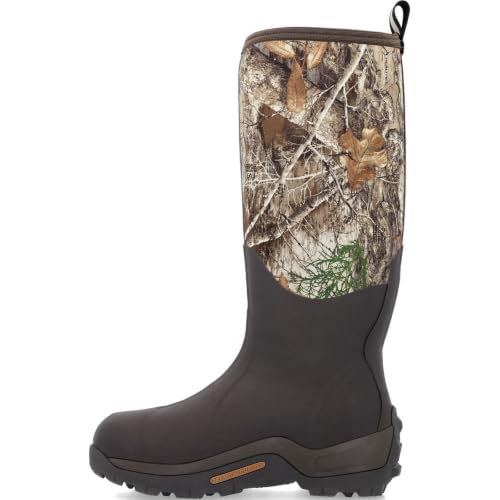
MUCK Woody Max Mossy Oak Hunting Boot
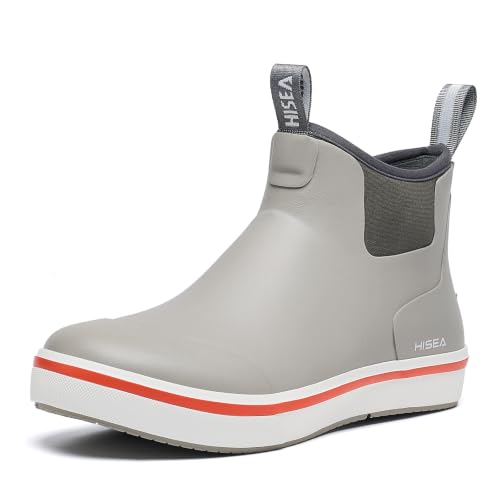
HISEA Men’s Ankle Deck Rain Boots

HISEA Knee-High Rain Boots Steel Shank

HISEA Unisex Waterproof Slip-On Garden Shoes
HISEA Men’s Steel-Toe Rain Boots
What Each Pick Brings To The Table
The MUCK Woody Max earns its place at the top because it solves the toughest landscaping problem: working in genuinely cold, wet conditions where most rubber boots would leave your feet numb within an hour. The boot uses a fleece lining paired with internal neoprene to trap body heat, and the stretch-fit topline helps seal warmth around your calf. The high-grade rubber shell shrugs off standing water, mud, and snow, which matters when you’re digging beds in February or clearing leaves from frozen gutters.
What sets this pair apart from the lighter picks later in the list is the focus on thermal retention rather than just waterproofing. For landscapers in northern climates or anyone working through shoulder seasons, that insulation layer makes a real difference. Compared to the HISEA models coming up, you’re paying a premium here specifically for cold-weather comfort.
Everyday Wins
- Fleece lining plus internal neoprene insulation keeps feet warm in freezing conditions
- High-grade rubber exterior provides reliable waterproofing through mud and standing water
- Stretch-fit topline seals in warmth and keeps debris from slipping inside
- Thermal foam under the footbed adds cushion and another layer of cold protection
- Tall shaft height protects lower legs from brush, thorns, and deep snow
Trade-Offs
- Heavier than the ankle-height picks, which can slow quick side-to-side work
- Insulation feels excessive in mild spring weather, leading to sweaty feet
- Bulkier fit may require sizing up for people with wider feet
Who It Suits Best
Homeowners and pros who tackle winter landscaping, snow clearing, or any work in freezing soil where warmth matters more than agility.
Skip It When
The HISEA Men’s Ankle Deck Rain Boots serve summer gardeners better when warm-weather agility matters more than insulation.
The HISEA ankle deck boot shifts the priority from cold protection to ease of movement, which makes it a smarter choice for the mowing-and-watering crowd. The lower cut lets you bend, kneel, and pivot without the bulk of a knee-high shaft fighting against you. Built as a waterproof rubber and neoprene hybrid, it handles wet grass, morning dew, and the occasional puddle without weighing you down.
For someone who spends a Saturday pulling weeds rather than clearing drainage ditches, this pair hits a sweet spot. It’s noticeably lighter than the MUCK Woody Max reviewed above, and the simpler silhouette means less fatigue during long stretches of pruning or edging.
Everyday Advantages
- Low ankle cut reduces fatigue and improves mobility during extended yard work
- Lightweight construction makes it comfortable for quick, repetitive tasks
- Waterproof rubber shell handles wet grass and shallow puddles reliably
- Slip-on style saves time when you’re heading out for short landscaping jobs
Worth Noting
- No insulation, so cold-weather use is limited to mild days
- Lower shaft means water can spill in during deep puddle crossings
- Minimal arch support compared to taller work boots
Made For
Weekend gardeners and homeowners who mow, weed, and water in mild weather and want a boot that disappears on the foot.
Consider Something Else When
The HISEA Knee-High Rain Boots Steel Shank model is the better call for anyone working through deep mud or long shifts on their feet.
The HISEA knee-high boot steps into the deep-mud territory where ankle-height boots wave goodbye. The taller PVC shaft keeps water and muck out when you’re wading through soggy planting beds or trenching along a wet perimeter. The steel shank running under the arch is the standout detail, giving the boot rigidity that prevents foot fatigue on hard-packed surfaces like concrete or compacted gravel.
For landscapers who spend full days on uneven ground, that shank makes a noticeable difference compared to the softer ankle pick above. It’s a work boot first, a garden shoe second, and the design reflects that balance honestly.
Notable Upsides
- Steel shank reinforces the arch, reducing fatigue on hard, uneven terrain
- Knee-high PVC shaft protects against deep mud, standing water, and thorny brush
- Waterproof construction holds up through wet workdays without leaking
- Rugged outsole grips slick grass and muddy slopes effectively
Things To Weigh
- Heavier than ankle-height picks, which slows quick pivots and kneeling tasks
- PVC can feel stiff in cold weather until broken in
Key Specs
The Right Fit
Pros and serious hobby landscapers who deal with deep mud, wet concrete, or full-day shifts and want arch support that won’t quit.
Where Another Pick Suits Better
The HISEA Unisex Waterproof Slip-On Garden Shoes work better for quick, light chores around raised beds and flower borders.
The HISEA garden shoe is the most casual option in this roundup, designed for the moments when you just need to step outside and water the tomatoes without lacing up. The slip-on silhouette makes it a go-to for short errands between the garden and the porch. Waterproof construction handles wet soil and puddle-crossing without complaint.
This isn’t a heavy-duty work boot, and that’s the point. For raised beds, container gardening, and light maintenance, the low-profile design reduces noise and keeps your movements nimble. Compared to the heavier HISEA picks, this one trades rugged features for pure convenience.
What It Does Well
- Slip-on design eliminates lacing for quick garden trips
- Lightweight feel suits casual, low-intensity yard work
- Waterproof shell keeps feet dry during watering and morning dew
- Unisex sizing accommodates shared household use
Honest Caveats
- Minimal cushioning for prolonged standing or walking
- Low profile offers little protection against sharp tools or thorns
- Not suited for deep mud, snow, or heavy landscaping projects
- Rubber can crack faster with constant sun exposure; storing in shade helps
Best Suited To
Casual gardeners and homeowners handling light watering, weeding, and container planting on easy terrain.
A Better Fit Elsewhere
The MUCK Woody Max Mossy Oak Hunting Boot serves anyone who needs insulation and serious waterproofing for cold, wet work.
The HISEA steel-toe boot rounds out the roundup by addressing the part of landscaping that the other pairs leave exposed: your toes. A dropped shovel, a rolling log, or a misplaced pry bar can ruin a Saturday fast. The reinforced toe cap absorbs those impacts before they reach your foot, while the slip-resistant outsole grips slick grass and wet stone.
This boot carries the same waterproof rubber shell as the other HISEA models but adds the safety features that matter when you’re hauling materials or operating heavier equipment. It’s heavier than the ankle deck pick, but for anyone running power tools or moving heavy landscape stone, the trade-off is worth it.
A Few Strong Suits
- Steel toe cap protects against dropped tools and rolling debris
- Slip-resistant outsole improves traction on wet grass and slopes
- Waterproof rubber construction handles full workdays in wet conditions
- Taller shaft shields lower legs from brush and splash-back
Points To Keep In Mind
- Steel toe adds noticeable weight compared to non-reinforced picks
- Less insulation than the MUCK Woody Max, limiting cold-weather comfort
- Bulkier fit may feel restrictive for detail-oriented planting work
Feature Snapshot
Built With In Mind
Landscapers and homeowners who move heavy materials, operate equipment, or work in terrain where dropped-object risks are real.
Look Elsewhere When
The HISEA Men’s Ankle Deck Rain Boots are easier to wear for quick garden visits that don’t involve heavy tools or hazardous footing.
Choosing Landscaping Boots That Actually Fit Your Work
Shaft height is the first decision that matters. Ankle-height boots excel at quick mobility and light chores but let water in during deep puddle crossings. Knee-high pairs trade agility for protection, making them smarter for trenching, wet-soil digging, or any work where you’re stepping into standing water. Match the shaft to your typical terrain rather than defaulting to the tallest option.
Insulation separates seasonal boots from year-round ones. If your landscaping calendar stops at the first hard frost, an unlined rubber boot breathes better in summer. If you push through winter, look for fleece linings or neoprene layers that trap warmth without sacrificing waterproofing. Running warm in July for the sake of a January workday rarely pays off.
Toe and arch support deserve attention once you pick the waterproofing and height. A steel toe cap is essential for anyone hauling stone or using power tools. For long days on hard-packed ground, a steel shank under the arch fights fatigue in ways that a plain rubber sole can’t. These features add weight, but the trade-off shows up in how your feet feel at the end of the shift.
Key Things To Weigh Before You Commit
Where Shoppers Go Wrong
The most common mistake is choosing a boot by appearance rather than by terrain. A tall insulated boot sounds like the safest choice, but wearing it for summer weeding leads to sweat-soaked socks and blisters within an hour. Match the boot to the season and ground conditions you’ll actually face, not the worst-case scenario you’ve imagined.
Another trap is ignoring weight. Boots that feel fine in the store can wear down your legs over a full workday. If you’re not moving heavy loads, a lighter ankle boot will serve you better than a clunky heavy-duty pair.
When Paying More Pays Off
Premium boots earn their higher cost through insulation, shank support, and reinforced toes. For winter work, the warmth upgrade alone justifies the price. For tool-heavy landscaping, the safety toe and arch support prevent injuries and fatigue that cheaper boots allow. You pay more, but the extra comfort lasts through years of use rather than months.
Frequently Asked Questions
How tall should landscaping boots be?
Ankle-height boots work for light garden chores and dry weather, while knee-high boots handle deep mud and standing water. Match the shaft to the wettest conditions you typically face.
Are steel-toe boots overkill for home gardening?
For most casual gardening, a steel toe is unnecessary. If you move flagstone, operate a tiller, or use heavy hand tools, the toe protection prevents painful accidents and pays for itself.
Can I wear insulated boots in summer?
Insulated boots trap heat, which leads to sweaty feet and discomfort in warm weather. You’re better off with an unlined rubber boot for summer and switching to an insulated pair for cold months.
How do I clean rubber landscaping boots?
A garden hose and stiff brush remove most dried mud. Stubborn grime comes off with mild soap and water. Air-dry them out of direct sunlight to slow rubber cracking over time.
Do landscaping boots run true to size?
Most rubber boots fit close to standard shoe size, though thicker socks or insoles can require sizing up. Trying them on with the socks you plan to wear gives the most accurate fit.
Closing Remarks
The right landscaping boots depend on your terrain, your season, and how much weight you haul. Cold-soak work calls for the MUCK Woody Max; deep mud demands the HISEA knee-high with the steel shank; light chores are easier in a slip-on garden shoe. Match your pick to your real workload, and your feet will thank you through every weekend.