You probably spend more time thinking about pruners and gloves than about the boots under your feet, and yet a wet lawn, a freshly turned bed, or a soggy patch near the downspout will remind you fast. The right pair keeps your socks dry through a full Saturday of weeding, handles a quick hop onto gravel without a slip, and rinses clean in seconds at the outdoor tap. This list pairs waterproof boots with one lighter sock pick, so you can cover the full range from quick garden runs to longer muddy sessions.
A Closer Look At The Lineup
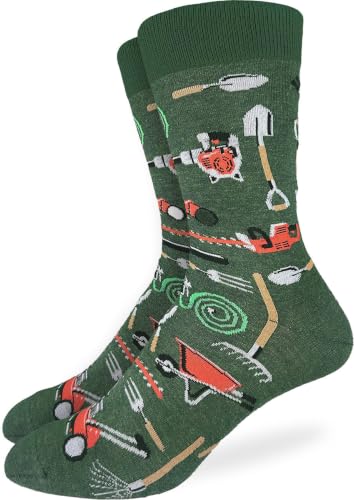
Good Luck Sock Men’s Occupation Work-Themed Socks
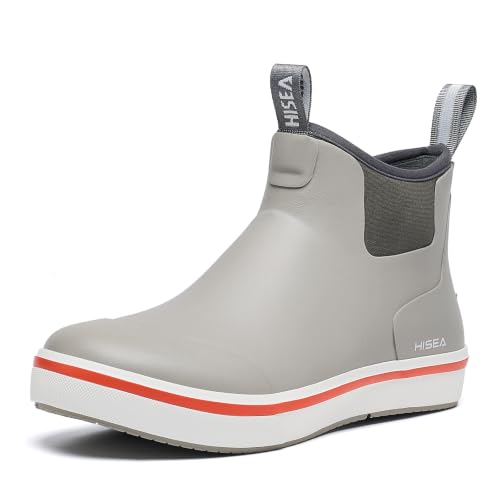
HISEA Men’s Ankle Deck Rain Boots

HISEA Men’s Rain Boots with Steel Shank

HISEA Unisex Garden Shoes Slip-On
HISEA Men’s Steel-Toe Rain Boots
Boots get the spotlight, but the layer under them decides whether your feet feel fine at hour three of edging. These Good Luck Sock themed crew socks pair with every rubber option further down this list, soaking up sweat that would otherwise pool against waterproof lining. For most Saturday yard sessions, a cushioned sock is the difference between finishing the hedge trim and cutting the work short.
The trade-off shows up when socks go solo, since the cotton blend isn’t built for puddle duty on its own. You may find they shine most as a second layer under a waterproof boot rather than as standalone footwear for dew-soaked grass at dawn.
The Helpful Details
- Soft crew height stays tucked inside tall rubber boots without bunching.
- Cushioned knit adds a noticeable barrier during long kneeling and raking tasks.
- Themed patterns make them easy to spot in a cluttered mudroom or glove bin.
- Breathable weave keeps moisture moving when temperatures climb past 80°F.
Things To Consider
- Not waterproof on their own, so puddle duty still needs a boot over the top.
- Pattern-heavy dye may show fading if you tumble-dry on high heat regularly.
Right Fit For
Homeowners who already own rubber boots and want a comfortable liner for long Saturday sessions.
Skip It When
You only need one piece of footwear, in which case the HISEA Unisex Garden Shoes Slip-On handles light yard duty on its own.
Pulling on knee-high rubber for a quick watering check feels like overkill, and that’s exactly where an ankle boot earns its place. The HISEA ankle deck boot pairs a waterproof rubber lower with a flexible neoprene upper, so you can step off the porch into a wet lawn without slowing down. Unlike the tall steel-shank option below, this pair trades depth of coverage for agility around tight flower beds.
The honest read is that ankle-height means splash and shallow water are fine, but deep mud will find its way in at the collar. For most homeowners with flat yards and decent drainage, that’s a fair swap for the freedom of movement you get back.
The Good Stuff
- Neoprene top flexes with your ankle instead of fighting it on uneven ground.
- Slip-on shape saves a step when you’re juggling gloves and a hose.
- Rubber outsole grips slick patio stones after a thunderstorm rolls through.
- Low cut stays cooler than the knee-high HISEA when temperatures climb.
- Light enough to toss in the trunk for impromptu errands at the nursery.
Worth Noting
- Ankle height leaves the cuff exposed to deeper puddle splash.
- Lacks a reinforced toe, so dropped shovels and edging stones land harder.
Made For
Homeowners who mostly handle light watering, mowing, and clean-up rather than deep digging work.
Consider Something Else When
You regularly wade into muddy beds or carry heavy stone, since the HISEA Men’s Steel-Toe Rain Boots offer the same waterproof build plus toe protection.
Long mornings in soft, wet soil punish your arches, and that’s where the steel shank earns its keep. This knee-high HISEA pairs a waterproof PVC (polyvinyl chloride) build with a stiff internal plate that keeps the boot from folding in half when you step on a shovel or a hidden rock. Compared to the ankle boot above, you trade nimbleness for genuine coverage that handles a full wade into a soggy corner of the yard.
You may find the steel shank makes the boot feel clunky on smooth indoor floors, so plan to swap into house shoes once the wet work is done. For wet sites with uneven ground, that stiffness reads as confidence rather than weight.
Useful Highlights
- Knee-high shaft keeps spray and tall grass off your socks and calves.
- Steel shank adds underfoot support when carrying pavers across soft ground.
- Waterproof PVC construction rinses clean with a hose in seconds.
- Treaded outsole bites into mud better than the smooth ankle-deck profile.
Trade Offs
- Heavier than the ankle boot, which adds fatigue on long walks to the far bed.
- No reinforced toe, so dropping a wheelbarrow handle still ends with a sore foot.
Key Specs
Best Suited To
Homeowners tackling deep digging, drainage work, or any task that demands hours in soft, wet soil.
Another Choice May Suit
Casual weekend gardeners will find the HISEA Unisex Garden Shoes Slip-On easier to pull on for short watering runs.
Shared households run into the same small friction: two people, two different shoe sizes, one back porch. The HISEA unisex garden shoe solves that with a simple slip-on shape and a sizing range that covers most feet in the family. It sidesteps the laces, the buckle, and the steel shank of the work boots below, which makes it the friendliest pick for casual chores and quick errands into the yard.
That friendly shape has a ceiling: no shank, no reinforced toe, and a low profile that won’t keep deep water out. For most watering, weeding, and sweeping-the-patio use cases, that’s a perfectly fair trade.
What Helps Most
- Slip-on design eliminates bending down to wrestle with laces.
- Unisex sizing lets one pair cover two people in a shared household.
- Light enough to wear on quick trips to the mailbox without changing shoes.
- Waterproof shell keeps dew-soaked grass from soaking through thin socks.
Honest Caveats
- Low cut won’t stand up to deep puddle crossings or freshly turned wet soil.
- Limited arch support compared to the steel-shank option for long digging days.
- Wide unisex fit may feel loose on narrow feet without thicker socks.
Who It Suits Best
Couples and shared households who want one simple, easy-to-share boot for light yard work.
Look Elsewhere When
You spend hours in deep, wet soil, since the HISEA Men’s Rain Boots with Steel Shank offer taller coverage and underfoot support.
Landscaping work tends to blend soft soil with hard, unforgiving surfaces: dropped flagstones, errant rakes, the corner of a wheelbarrow. The HISEA steel-toe rain boot adds a reinforced toe cap on top of the waterproof rubber build, so a dropped paver doesn’t end your Saturday. This is the pick for homeowners who treat the yard like a small job site.
The steel toe adds noticeable weight up front, and depending on your stride, that may feel front-heavy during long sessions. You get peace of mind in exchange, which most people working around heavy tools will gladly take.
Notable Upsides
- Reinforced toe cap handles dropped tools and stones without bruising.
- Waterproof rubber shell stands up to wet lawns and damp basements alike.
- Slip-resistant tread grips slick concrete and muddy slopes in turn.
Points To Note
- Heavier than the ankle boot, so it adds fatigue on long walks across the property.
- No internal steel shank, so mid-foot flex is similar to the ankle deck boot.
- Steel toe can feel cold in winter work without thick socks underneath.
Perfect Match For
Homeowners who routinely move stone, handle tools, or work near heavy yard equipment.
Reach For A Different Pick When
Your work stays light and dry, since the HISEA Unisex Garden Shoes Slip-On handles casual chores with less weight.
Picking Landscaping Shoes That Match Your Yard
Start with the ground you actually walk on. Flat lawns with good drainage only need an ankle-height boot or a slip-on garden shoe, because water rarely pools long enough to soak above the cuff. Sloped, shaded lots where water sits for hours call for a knee-high shaft that keeps splash and tall grass away from your socks.
Underfoot support matters more than people expect. A steel shank stops the boot from folding when you kneel or step on a hidden rock, which protects your arches during longer sessions. Reinforced toe caps earn their place the day a flagstone slips from your hand or a wheelbarrow handle drops, and they cost you little in comfort if you already wear thicker socks.
Match the boot to your typical session length. Quick watering and pulling weeds feel effortless in a slip-on shape, while an afternoon of digging and hauling benefits from the stiffer, taller builds. Pair any of these boots with a cushioned crew sock, and you’ll cover the comfort, dryness, and durability bases in one setup.
What To Weigh Before You Commit
Where Shoppers Go Wrong
The trap first-timers fall into is buying a tall, heavy work boot for a flat, dry yard, then leaving it by the door because it feels like too much. On the flip side, choosing a lightweight slip-on for drainage work on soggy clay leaves you with wet socks halfway through the job. Match the boot height to the deepest water you realistically cross, not the worst-case scenario you’ll never face.
The Case For Spending Up
Higher-tier boots in this category tend to add either a steel shank, a steel toe, or both. That’s where the extra money goes: underfoot support and impact protection that cheaper PVC builds skip. For homeowners moving stone or working long hours in soft soil, that upgrade pays off in fewer sore feet and fewer ruined Saturdays.
Frequently Asked Questions
Do I really need waterproof landscaping shoes?
Your socks will tell you. Dew-soaked grass and freshly watered beds soak through canvas sneakers in minutes, so a waterproof shell earns its place for most regular yard work.
What’s the difference between rubber and neoprene boots?
Rubber is a stiff, fully waterproof outer shell that rinses clean fast. Neoprene is the softer, stretchier material used in the ankle collars of some boots for added comfort and a snug fit.
How tall should my landscaping boots be?
Ankle boots handle flat, well-drained yards fine. Knee-high boots make sense for tall grass, deep mud, or any spot where water can splash above the cuff.
Are steel-toe boots overkill for home landscaping?
For light weeding and mowing, yes. Anyone moving flagstone, concrete, or heavy planters benefits from the toe protection.
How do I clean rubber landscaping boots?
A quick rinse with a garden hose and a soft brush handles most mud. Owners commonly let them air-dry upside down so water doesn’t pool inside the shaft.
The Takeaway
Match boot height and protection to the deepest, wettest, heaviest work your yard actually demands, and pair tall rubber builds with a cushioned sock for longer days. Start with the HISEA ankle boot for quick chores, step into the steel-shank or steel-toe options when the work gets serious, and reach for the unisex slip-on when convenience and shared use matter most.