A worn-out factory footbed shows up at the worst moment, usually halfway through a long shift or a long day on your feet. Leather insoles fix that in a way foam inserts never quite manage, by absorbing moisture, molding to your stride, and replacing the cheap liner your pair shipped with. The picks below cover dress shoes, work boots, casual pairs, and athletic use, so you can match the right feel to the right shoe.
Your Options, Compared

Nicks Boots DeltaArch Full Insoles (Men’s 10-11.5)

Meltonian Cream Shoe Polish (Over 60 Colors)

Meltonian Wax Polish Paste (Brilliant Gloss)

Meltonian Luxur Lambskin Leather Insole with Activated Carbon
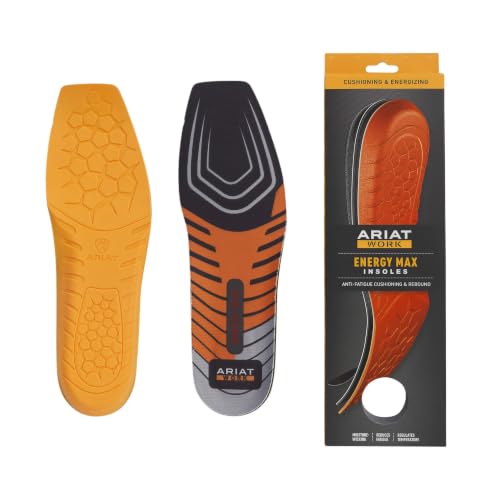
ARIAT Men’s Energy Max Work Insole (Wide Square Toe)

Nicks Boots Leather Insole Standard (Trim to Fit)

SOF SOLE Athlete Performance Men’s Insoles
Taking A Closer Look At The Options
Heavy work boots and standing shifts punish a thin factory sock liner fast, and that is exactly where a full grain leather foot bed earns its keep. The DeltaArch insole from Nicks pairs a vegetable-tanned leather surface with a sculpted arch cradle, so your foot lands inside the boot rather than on top of a flat slab.
Compared with the trim-to-fit Nicks Standard insole covered later, this one arrives with the arch geometry already shaped in. Tradespeople, warehouse crews, and anyone walking concrete for ten-hour stretches tend to appreciate the structured feel most. The leather itself runs thick enough to outlast multiple pairs of boots with regular airing out.
Notable Upsides
- Full grain leather top layer wicks moisture and softens over time, so the footbed actually improves the more you wear it.
- Built-in DeltaArch geometry spreads pressure across the midfoot, which helps on long shifts without custom orthotics.
- Handcrafted in the USA, with sizing tied to common men’s boot ranges for a closer fit out of the box.
- Leather thickness supports heavier builds and wide work boots without packing down the way foam liners do.
Things To Consider
- Arch profile is fixed, so neutral-arch wearers sometimes find the cradle more pronounced than expected at first.
- Like most full leather foot beds, it benefits from being removed nightly to dry, especially in boots with waterproof membranes.
Quick Facts
Made For
Tradespeople, warehouse workers, and anyone standing on hard floors for hours who wants structured arch support inside a heavy boot.
Consider Something Else When
Runners and walkers logging distance will find the SOF SOLE Athlete Performance insole a better match for athletic shoes.
Leather insoles handle comfort, but the leather upper needs its own care to keep shoes from cracking out long before the footbed wears out. Meltonian’s oil-based cream polish is the kind of tub that lives by the door, ready for a quick cover-up before a meeting or dinner.
Where water-based polishes streak and run, an oil-based cream softens, restores color, and lays down a soft matte finish. The range covers more than sixty shades, which makes it useful for matching odd colors like oxblood, cordovan, or taupe. Think of it as the conditioner your leather shoe insoles sit on top of, the whole shoe needs attention at some point.
Practical Advantages
- Oil-based formula feeds leather rather than just coating it, helping dress shoes stay supple between resolings.
- Wide color range covers everyday browns and blacks along with harder-to-match fashion tones.
- Thick, controllable consistency works well around welt stitching where runny polishes pool and stain.
Points To Note
- It’s a cream, not a wax, so the shine stays low and matte; a separate wax paste builds a higher gloss.
- Tin packaging can dry slightly at the edge if left open, so pressing the lid firmly matters for long-term storage.
Right Fit For
Anyone restoring scuffed dress shoes or work boots whose leather has lost color and wants one polish that does most pairs.
Look Elsewhere When
You’re chasing a mirror shine on cap-toe oxfords: the Meltonian Wax Polish Paste delivers a glossier finish for that job.
When the goal is the kind of glassy reflection you notice on a polished oxford, a wax paste is the right tool for the second pass. Meltonian’s Brilliant Gloss paste leans on beeswax to lay down a slick top layer over whatever color cream came before it.
Unlike the Meltonian cream reviewed earlier, this product skips pigment depth and focuses on finish and protection. Used over cream polish, it seals the color underneath and pushes reflectivity up a notch. For dress shoes making appearances at weddings or interviews, that extra layer of polish is what separates “clean” from “well-kept”.
The Value In It
- Beeswax base feeds leather and adds a tactile smoothness that you can feel as much as see.
- Produces a noticeably glossier finish than cream alone, especially on toe caps and counters.
- Acts as a protective layer over dyed cream, so scuffs tend to come off the wax instead of the color.
Honest Caveats
- Wax paste alone will not re-color worn leather, so pairing with the Meltonian cream is the usual workflow.
- Buffing requires a soft cloth and a bit of elbow grease to bring out the full gloss.
Best Suited To
Owners of cap-toe oxfords, dress boots, and leather loafers who want a noticeably higher shine without a full valet setup.
Skip It When
Your shoes see nothing but trail miles: the Nicks Boots Leather Insole Standard will be a more useful buy for outdoor and work settings.
Dress shoes usually arrive with paper-thin insoles that do nothing for comfort and even less for smell. The Meltonian Luxur swaps that for a layer of genuine lambskin over a soft latex cushion, with activated charcoal sandwiched inside to pull odor out of the shoe between wears.
Trimmable sizing means a careful cut with household scissors turns a too-long insole into a custom fit for loafers, oxfords, or low-profile sneakers. Made in Germany, it leans European in feel: thin enough to disappear inside tighter dress shoes without crowding the toe box. In a lineup that also includes the heavier Nicks work insoles, this one is the more refined, everyday option.
Well-Handled Touches
- Activated carbon layer helps neutralize odor, a real bonus in shoes that go sockless or get heavy rotation.
- Trimmable format adapts to women’s 12-13, men’s 9-10, and anything in between with a single pair of scissors.
- Soft lambskin top feels pleasant against bare feet in summer loafers and casual slip-ons.
Less Ideal Details
- Thin profile means very little arch correction, so anyone needing structured support should size up to the Nicks DeltaArch instead.
- Lambskin is gentle but not as rugged as full grain, so these need occasional airing rather than daily hard use.
Perfect Match For
Office workers, dress shoe owners, and anyone who goes sockless in loafers through long days and wants fresher-smelling shoes.
A Better Fit Elsewhere
Tradespeople on concrete need more structure than lambskin offers: the ARIAT Energy Max Work Insole serves that crowd better.
Not every “leather shoe insole” buyer wants leather on top, and that’s where the ARIAT Energy Max earns its slot. It’s a synthetic workhorse: rebound foam, gel cushioning, and a moisture-wicking top layer that handles sweat far better than raw leather in ranch and warehouse conditions.
Compared to the leather-centric picks on this list, ARIAT takes a different route. The wide square toe shape suits roomier western and work boots, and Agion-treated liner fights odor through long, hot shifts. Think of it as the technical cousin to the natural-leather options, built more like athletic gear than like a heritage boot liner.
The Upside
- Rebound foam and gel cushioning absorb impact during long shifts on concrete or hard-packed dirt.
- Agion-treated liner works hard against odor in boots that don’t get a daily airing.
- Open-cell foam helps regulate temperature so feet stay cooler under heavy work socks.
Trade Offs
- Synthetic build lacks the natural molding behavior of full grain leather, so the in-shoe break-in feels less personal.
- Wide square toe geometry fits specific boot lasts, so sizing off-model can leave excess insole to trim.
Feature Snapshot
Whose Shelf It Belongs On
Ranch hands, mechanics, and warehouse crews who want athletic-grade cushioning inside a wide work boot.
Reach For A Different Pick When
You prefer natural materials and a leather feel: the Nicks Boots DeltaArch full insoles serve that crowd with traditional arch support.
If you love the slow, personal break-in of a heritage boot, a plain vegetable-tanned leather insole makes that process even better. The Nicks Standard arrives flat and gets trimmed to size, then gradually molds to the exact shape of your foot inside the boot.
Compared to the DeltaArch option earlier, this one skips the pre-shaped arch geometry for a more neutral, blank-slate feel. That suits bootmakers and enthusiasts who want the leather to dictate the fit, not the insole. As a leather shoe insole you can shape yourself, it’s the most traditional option in the roundup.
A Few Strong Suits
- Vegetable-tanned leather (a tanning method that uses plant-based tannins instead of chromium salts) shapes around your foot over weeks of wear.
- Trim-to-fit design works across multiple boot sizes, so one insole serves different pairs in a rotation.
- Handcrafted in the USA with the same leather Nicks uses in its built-in boot footbeds.
Trade-Offs To Consider
- Without a structured arch, wearers needing pronounced support should move up to the DeltaArch instead.
- Molding takes patience; expect a few weeks of wear before the insole feels fully broken in.
Who Should Grab It
Heritage boot owners and bootmakers who want to personalize the footbed of a new or resoled pair with traditional materials.
Swap It Out When
You need arch support from day one: the Nicks Boots DeltaArch full insoles deliver that with less break-in time.
Running shoes and cross-trainers need something more responsive than flat leather, and that’s where SOF SOLE’s Athlete Performance steps in. The PU foam (polyurethane foam, a springy, durable cushioning material) and gel inserts run heel-to-toe, absorbing landing impact and pushing off without packing out.
Compared with the leather picks above, this one is built for movement rather than dress or work. Moisture control and lightweight stability keep it comfortable across long walks, gym sessions, and shorter runs. For anyone shopping for leather shoe insoles but actually living in sneakers, this is the most relevant crossover option.
A Favorable Mix
- Heel-to-toe cushioning softens repetitive impact, which matters on pavement and treadmill mileage.
- Stability elements keep the foot centered during lateral cuts, useful for court sports and gym classes.
- Moisture control layer helps on hot-weather routes when feet sweat through thin athletic socks.
Points To Keep In Mind
- Synthetic construction can’t match the patina and break-in feel of genuine leather insoles in dress shoes.
- Trimming is required for a precise fit in narrower sneakers, so allow a few minutes with scissors.
Who Will Love This
Runners, walkers, and athletes who log miles in trainers and want structured cushioning that lighter insoles can’t deliver.
Where A Sibling Pick Shines
For dress shoes or loafers, the Meltonian Luxur lambskin insole fits the profile far better than a foam athletic insert.
Picking Leather Shoe Insoles That Actually Suit Your Day
The category splits along two axes: material and use case. Natural leather tops the list for breathability and long-term comfort, while synthetic foams win on athletic response and odor control. Match the material to the shoe you’ll wear it in.
Work boots pair best with full grain leather or heavy-duty foam. The Nicks DeltaArch and ARIAT Energy Max are both built for standing and walking all day on hard surfaces. If your boots have a wide square toe and you run hot at work, the synthetic route handles sweat better. If you want the leather to slowly shape itself to your foot, the Nicks Standard gets you there.
Dress shoes need thin, refined insoles that don’t crowd the toe box. The Meltonian Luxur lambskin option keeps the silhouette intact while adding a soft layer against bare feet. Athletic shoes benefit from foam and gel, which is where the SOF SOLE Athlete earns its place.
Climate matters too. Hot, humid settings push sweat through any material, so a moisture-wicking liner or activated carbon helps. Cool, dry environments reward plain leather that breathes and shapes over time. Shoe care ties it together, and a cream polish plus wax paste keeps the uppers around long enough for the insole to do its job.
Mistakes Shoppers Make and Where the Money Goes
Traps First Timers Fall Into
Buying an insole one size too large is the most common slip-up, and trimming solves it only if the insole is actually trimmable. Picking a heavy work insole for a slim dress shoe crowds the toe box and creates pressure points nobody noticed on day one. Skipping the break-in on leather footbeds also sets false expectations: real leather insoles feel stiff at first and reward patience.
Where The Extra Money Goes
Premium leather insoles cost more because of the material itself and the labor to cut, shape, and finish it. Higher-tier options like the Nicks DeltaArch add sculpted arch geometry that cheaper flat insoles skip, which is the bulk of the price difference. The upgrade pays off when you stand or walk for hours, where molded support and quality leather outlast budget foam by a wide margin.
Key Considerations Across These Picks
Pitfalls Shoppers Hit
Most returns in this category trace back to wrong sizing. A men’s 10-11.5 insole dropped into a men’s 9 boot bunches up and blisters, while a women’s 12-13 insole in a men’s 11 shoe slides around with every step. Read the sizing chart before trimming, and trace your existing factory insole onto the new one for an accurate template.
When Paying More Pays Off
Higher-priced leather insoles deliver more in three areas: thickness, tanning quality, and shaping. A thick, vegetable-tanned leather surface lasts longer and molds more naturally than thin chrome-tanned leather. When the insole carries a sculpted arch or orthopedic geometry, the price reflects that engineering, which is worth it for anyone with arch fatigue on long days.
Frequently Asked Questions
How long do leather shoe insoles typically last?
With regular airing and rotation, full grain leather insoles generally outlast the original factory liner by a year or more. Replacement timing depends more on sweat and wear pattern than on a fixed calendar.
Can leather insoles be trimmed to a smaller shoe size?
Yes, most trimmable leather insoles are designed to be cut down with household scissors. Trace the existing factory insole onto the new one as a template before you cut.
Are leather insoles better than foam for sweaty feet?
Natural leather absorbs moisture and releases it during airing, which helps in dress shoes without aggressive odor control. For high-sweat athletic settings, a foam insole with moisture-wicking liner handles sweat more reliably.
Do leather insoles help with foot pain or arch support?
Full grain leather insoles with built-in arch geometry can reduce midfoot fatigue, especially on long standing shifts. They don’t replace custom orthotics for serious foot conditions, so consult a specialist for chronic pain.
How should I care for leather insoles so they last longer?
Pull them out at the end of each day, let them air dry away from direct heat, and avoid sealing them inside boots with waterproof membranes overnight. Conditioning the leather occasionally keeps it from drying out and cracking.