You log miles on pavement, then step into the rack for squats and deadlifts, and your shoes have to handle both without falling apart. That’s the real tension when choosing lifting running shoes. They need cushioning for impact-heavy runs, a stable platform for heavy lifts, and enough structure to last through months of mixed training. The seven picks below were chosen to solve exactly that overlap, with options for trail runners, road purists, and hybrid athletes who refuse to buy separate shoes for every workout.
The Main Contenders

Brooks Men’s Adrenaline GTS 20 Running Shoes

Brooks Women’s Cascadia 15 Trail Running Shoe

Brooks Ghost 11

ASICS Men’s Gel-Contend 9 Running Shoes
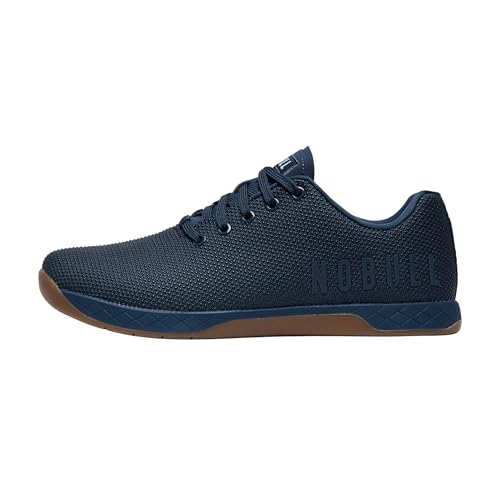
NOBULL Men’s Outwork Shoe

NOBULL Men’s Outwork Edge Shoe

NOBULL Women’s Allday 365 (Ripstop) Shoe
Why These Options Stand Out
The Adrenaline GTS 20 sits in Brooks’ stability lane, meaning the midsole is engineered to gently correct overpronation, the inward roll of the foot during landing, which matters for runners whose arches tend to collapse mid-stride. The knit upper stretches with the foot, so hot spots during long runs stay minimal. For anyone blending easy aerobic miles with light lifting days, the wide platform under the heel gives a planted feel under a barbell without feeling like a flat lifting shoe.
This is a road shoe first, so it lacks the aggressive tread you’d want for trail work. Compared to the Brooks Ghost 11 later in this list, the Adrenaline adds noticeable medial support that heavier runners or those recovering from knee strain may find reassuring.
The Upside
- Stable platform for overpronators needing alignment help
- Plush, responsive midsole reduces fatigue on long runs
- Engineered knit upper adapts to foot shape during movement
- Versatile enough for tempo runs and accessory lifts
Things To Consider
- Outsole lugs are minimal, so wet pavement or gravel can feel slick
- Not ideal for heavy compound lifts where a flat sole shines
Key Specs
Who It Suits Best
Runners who overpronate and want a shoe that pulls double duty for gym accessory work.
Look Elsewhere When
The Brooks Women’s Cascadia 15 is the smarter pick when your runs move onto rocky or muddy trails.
The Cascadia 15 is built around trail chaos: loose gravel, wet roots, and unpredictable terrain. The segmented crash pad along the sole smooths landings, while a rock plate under the forefoot shields the foot from sharp obstacles. For runners who log their miles on dirt but still want a shoe they can wear around the gym between sessions, the moderately wide stance keeps things stable under load.
Compared to the Adrenaline GTS 20, the Cascadia trades plush road cushioning for protective ruggedness. For trail athletes who occasionally need to support heavy hip hinges without owning a second pair of shoes, the tradeoff tends to land well.
Well-Handled Touches
- Aggressive lugs grip loose dirt, mud, and wet rock reliably
- Rock plate underfoot reduces bruising on technical descents
- Reinforced mesh upper resists trail debris and abrasion
Points To Note
- Heavier than a road trainer, which slows quicker turnover
- Outsole can pick up small rocks that need periodic removal
Feature Snapshot
Made For
Trail runners tackling technical terrain who want one shoe that handles gym days too.
Where Another Pick Suits Better
The Brooks Ghost 11 is the better match when your training is almost entirely on pavement.
The Ghost 11 is a neutral trainer, which means no extra structural pieces guiding your foot, just straightforward cushioning and a smooth ride. It’s the kind of shoe that disappears on foot, making it easy to forget about your gear and focus on pace. For runners who alternate between five-milers and accessory work like lunges and presses, the Ghost gives just enough stability without becoming a brick.
Compared to the Adrenaline GTS 20, the Ghost skips the medial post in favor of a softer overall feel. Neutral strikers who don’t need correction tend to prefer the simpler geometry here.
Everyday Wins
- Neutral geometry suits runners without overpronation issues
- Lightweight construction reduces fatigue on longer runs
- Versatile enough for short recovery runs and easy lift days
Trade Offs
- No stability features for runners who need arch support
- Cushioning feels softer than some lifters want under heavy squats
Right Fit For
Neutral runners logging weekly mileage who want comfort without corrective tech.
Swap It Out When
The Brooks Men’s Adrenaline GTS 20 is the smarter pick when overpronation causes knee or hip discomfort.
The Gel-Contend 9 brings ASICS’ signature GEL cushioning, a silicone-based pad that absorbs impact at the heel, into a wallet-friendly package. The Ortholite sockliner adds a touch of step-in comfort, and AMPLIFOAM in the midsole keeps the ride durable over months of use. For new runners or anyone rotating a budget shoe into a mixed training week, the value here is hard to beat.
Compared to the NOBULL Men’s Outwork later in the list, the Gel-Contend is built more for running than lifting, with a softer feel that isn’t ideal under maximal loads. For runners who lift lightly between runs, it covers both bases at a lower entry cost.
The Helpful Details
- Rearfoot GEL technology softens heel strike on longer runs
- AMPLIFOAM midsole holds up to repeated road mileage
- Ortholite sockliner manages moisture during warm sessions
Room For Improvement
- Lacks the rigid platform serious lifters prefer for heavy squats
- Synthetic upper runs warm compared to engineered knit options
Feature Rundown
Best Suited To
Budget-conscious runners who want GEL cushioning without paying for premium tiers.
Consider Something Else When
The NOBULL Men’s Outwork Shoe is a better fit when gym sessions outweigh running mileage.
The NOBULL Outwork leans into hybrid training: a SuperFabric upper that resists abrasion, a flat-ish platform that handles squats and presses, and enough midsole give to handle short runs. It’s the kind of shoe that disappears during metcons, the high-intensity mixed workouts that flip between lifting and conditioning. For athletes who do everything in one shoe, the Outwork earns its keep.
Compared to the ASICS Gel-Contend 9, this shoe sacrifices road-runner plushness for training versatility. Lifters who log short jogs between sets will find the trade well worth it.
A Few Strong Suits
- Durable SuperFabric upper resists scuffs and wear
- Wide, stable base handles squats and overhead presses
- Handles mixed metcon sessions without needing a swap
Honest Caveats
- Less cushioning than dedicated road running shoes for long mileage
- Stiffer feel underfoot takes adjustment for runners used to soft trainers
Quick Facts
Who Will Love This
Functional fitness athletes who want a single shoe for lifting, short runs, and conditioning circuits.
A Better Fit Elsewhere
The Brooks Ghost 11 is the smarter pick when long-distance comfort matters more than lifting stability.
The Outwork Edge takes the Outwork formula and bolts on extra toe protection for athletes who drag their feet during cleans or drop weights regularly. The reinforced toe box handles impact that would shred a standard upper, and the platform stays flat enough for solid deadlift pulls. For lifters running accessory work between heavy sessions, the Edge offers peace of mind.
Compared to the standard Outwork, the Edge prioritizes protection over flexibility. If your training drops more weights than it runs miles, the extra armor pays off quickly.
Notable Gains
- Reinforced toe cap withstands dropped weights and abrasion
- Wide stance supports hip-drive lifts with confidence
- Durable construction handles repeated high-impact work
Points To Note
- Heavier than the standard Outwork, slowing fast-paced sessions
- Stiffer toe area may bother runners during long jogs
Feature Rundown
Perfect Match For
Lifters who frequently drop weights or drag their toes during Olympic lifts and want a shoe that handles abuse.
Another Choice May Suit
The NOBULL Men’s Outwork Shoe is the lighter, more flexible option when toe protection isn’t the priority.
The Allday 365 leans on a ripstop upper, a fabric woven with reinforced threads that stop small tears from spreading, designed to survive daily wear beyond the gym. It’s versatile enough for commutes, errands, and training sessions in the same day, with a sole that handles light lifting and short runs. For shoppers who want one shoe that bridges lifestyle and training, this is the closest option in the lineup.
Compared to the Outwork Edge, the Allday 365 trades heavy-duty toe protection for a lighter, more comfortable daily feel. Runners who also train will appreciate the cushioning more than the armor here.
What Earns Its Place
- Ripstop upper resists tearing during everyday wear
- Comfortable enough for all-day use outside the gym
- Handles light lifting and short runs without switching shoes
Less Ideal Details
- Not designed for serious mileage or competitive running
- Lacks the rigid platform serious powerlifters typically prefer
Who Should Grab It
Active women who want one pair for commuting, gym sessions, and weekend errands.
Reach For A Different Pick When
The Brooks Women’s Cascadia 15 is the stronger option when trail miles dominate the week.
Picking the Right Hybrid Trainer
Choosing shoes that bridge running and lifting starts with honest reflection on what your week actually looks like. Most people overstate their mileage and underestimate how often they lift. A shoe optimized for ten-mile runs will feel wrong under a heavy squat, and a true lifting shoe will punish you on long jogs. The middle ground requires a balanced midsole, not too soft, not too flat, plus a base wide enough to keep you planted under load.
Heel-to-toe drop, the difference in cushion height between the heel and forefoot, matters more in hybrids than in dedicated trainers. Higher drops suit runners with tighter calves, while lower drops keep lifters closer to the ground for stability. Sole flexibility is the other fork in the road: stiffer soles transfer force better during lifts, while flexible soles feel more natural during runs.
Surface dictates choice. Road runners need breathable uppers and minimal tread. Trail athletes need lugs and rock protection. Gym-first athletes want durable uppers that survive rope climbs and box jumps. Foot shape matters too: wider feet often clash with narrow lasts, even when the length is correct. Trying on shoes late in the day, when feet swell slightly, tends to give a more honest fit.
Key Considerations Across These Picks
Common Shopping Slip Ups
The biggest mistake is buying a road runner expecting it to feel stable under heavy squats, then wondering why your heels shift mid-rep. Conversely, choosing a flat lifting shoe for daily mileage usually ends in shin soreness within a week. Match the shoe to the larger portion of your training week, since the minority activity will always feel slightly compromised. Another common error is ignoring toe box width, which leads to blisters that owners often blame on the shoe’s design rather than fit.
Where The Extra Money Goes
Premium hybrids spend the budget on better midsole compounds that return more energy per stride and last longer before breaking down. Reinforced uppers like SuperFabric or ripstop add cost but extend lifespan dramatically in harsh gym environments. Wider platforms with refined geometry, like the Outwork series, also cost more because tooling and design iterations add up. For athletes training daily, those upgrades tend to pay back through durability alone. Weekend warriors often find budget options meet their needs without the premium price tag.
Frequently Asked Questions
Can one shoe really handle both running and lifting?
Yes, but only within reason. Hybrid shoes work well for short runs under five miles and accessory lifts, but they won’t match a dedicated road runner at marathon distance or a true lifting shoe under maximal loads.
How long do hybrid running shoes typically last?
Most hold up for 300 to 500 miles of running, with gym use adding extra wear on the outsole. Rotating two pairs can extend lifespan if your budget allows.
Is a zero-drop shoe better for lifting?
Lower drops keep you closer to the ground, which some lifters prefer for stability. Runners with tight calves often find zero-drop shoes uncomfortable, so balance matters more than the number itself.
Do I need trail shoes if I run on pavement?
Not necessarily. Trail shoes have aggressive lugs that wear faster on pavement and feel clunky during gym sessions. Road-specific shoes are usually the better pick for pavement-only training.
How important is shoe width for lifting?
Very. A wider base creates a more stable platform under load. Narrow shoes can cause foot splay during heavy squats, which reduces force transfer and increases injury risk over time.
Bottom Line
The right shoe depends on which activity fills more of your week, and how much compromise you can tolerate in the other. Trail runners should start with the Cascadia 15, road purists with the Ghost 11 or Adrenaline GTS 20, and hybrid athletes with the NOBULL options. Match the shoe to your real training, and the rest of your gear decisions get easier.