You don’t need heavy mountaineering boots to enjoy a Saturday on the trail. A solid pair of light hiking shoes keeps your feet quick on rolling terrain, comfortable through long miles, and protected when the weather flips. The picks below cover everything from town-to-trail day hikes to damp creek crossings, so you can match the shoe to the trail you actually walk.
A Snapshot Of The Selections

SCARPA Men’s Mojito Wrap Walking Shoes

adidas Women’s Terrex Trailmaker 2.0 Mid GTX Hiking Shoes

Korkers Men’s Darkhorse Fishing Wading Boot
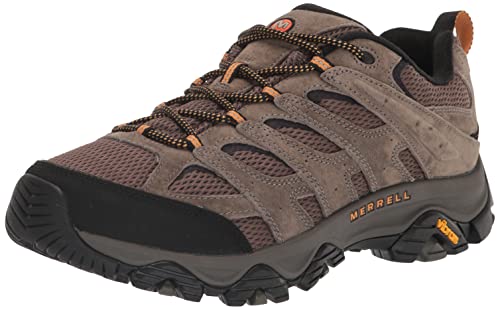
Merrell Men’s Moab 3 Hiking Shoe

Merrell Men’s Moab 3 Mid Hiking Boot

Merrell Men’s Moab 3 Mid Waterproof Hiking Boots
Inside Each Recommended Option
The Mojito Wrap leans into SCARPA’s climbing-shoe DNA, trading a stiff midsole for the kind of ground-feel you want on gravel paths and rocky scrambles. Compared to the heavier Moab options later in this list, it feels more like a hiking shoe that happens to look sharp in a parking lot than a trail-only workhorse. Walkers who log miles on mixed terrain and don’t want to feel like they’re wearing small tanks on their feet tend to appreciate the low profile.
It’s a natural crossover pick if your day blends pavement, dirt, and a rocky approach section before the real trail begins. Anyone wearing stiff mountaineering boots will find it refreshingly nimble, though deep mud can still work its way through the low-cut upper.
Reasons It Performs
- Climbing-inspired sole geometry grips well on rocky and uneven approaches
- Low-profile upper gives you more ankle mobility than mid-cut options
- Lightweight construction suits full-day wear without foot fatigue
- Styling transitions easily from trailhead to town stops
Things To Consider
- Lower ankle coverage means more debris can sneak in on dusty trails
- Lacks the waterproof membrane you’ll find on the Terrex Trailmaker
Right Fit For
Day hikers who mix trail and town, plus anyone who wants a low-cut shoe with a confident grip on rocky ground.
Look Elsewhere When
The Merrell Moab 3 Mid Waterproof is a better match for hikers dealing with persistent mud and stream crossings.
The Terrex Trailmaker 2.0 steps into wet-weather territory that the Mojito Wrap leaves exposed. Its GORE-TEX membrane (a thin waterproof lining that still lets vapor escape) keeps rain and puddle splash from soaking your socks, while the BOOST midsole returns energy on each step rather than just absorbing it. Where the SCARPA favors ground-feel, this shoe leans toward long-distance comfort over rough ground.
You see the benefit on shoulder-season hikes where morning dew still clings to grass and the trail crosses shallow creek beds. The mid-top collar adds light ankle support without the bulk of a true backpacking boot, so your stride stays natural.
A Favorable Mix
- Waterproof GORE-TEX lining handles wet grass and shallow stream crossings
- BOOST midsole returns energy on long climbs and descents
- Mid-top design offers more ankle stability than the SCARPA Mojito
- Traction pattern grips well on loose dirt and slick rock
Worth Noting
- Waterproof membranes trap heat in dry summer conditions
- Heavier build can feel clunky on smooth, flat trails
Feature Snapshot
Built With In Mind
Hikers tackling damp trails in spring and fall who want weather protection with a responsive feel underfoot.
Swap It Out When
The Merrell Moab 3 Hiking Shoe is a stronger pick for warm, dry climates where breathability matters more than waterproofing.
The Darkhorse earns its spot by solving a problem most hiking shoes ignore: how to keep traction when the trail turns into a river. Its OmniTrax sole system lets you swap between felt soles for slippery mossy rocks and Kling-On rubber for harder ground, all without changing boots. The BOA M2 lacing system (a dial-and-wire closure that tightens with a twist) cinches evenly across the foot, which matters when you’re stepping into a cold current.
You won’t pick this for a casual day hike on a groomed path. Anglers and hikers who log serious creek time benefit most, and the hydrophobic upper sheds water rather than absorbing it. Internal drainage channels let water exit through the midsole rather than pooling inside.
Standout Benefits
- Interchangeable soles adapt to felt-friendly or rubber-friendly conditions
- BOA lacing system tightens quickly with gloved or wet hands
- Hydrophobic upper resists water absorption and dries faster than canvas
- Drainage ports release water weight during wading
- 3PFS Achilles stabilization reduces heel lift on uneven stream bottoms
Trade Offs
- Specialty design means extra bulk for typical trail use
- Sole systems require occasional cleaning to prevent debris buildup
- Not optimized for long dry-land distances compared to the Moab line
Quick Facts
Whose Shelf It Belongs On
Anglers and stream hikers who need reliable traction across wet, slippery, and mixed terrain in one boot.
Reach For A Different Pick When
The Merrell Moab 3 Hiking Shoe fits standard trail miles better, especially when dry paths dominate your route.
The Moab 3 continues the lineage that turned the original Moab into a familiar sight at trailheads everywhere. The third version leans further into comfort with a more supportive insole and a softer, cushioned midsole underfoot. Compared to the SCARPA Mojito’s climbing-shoe precision, the Moab favors an easy, all-day ride on rolling terrain.
You step into these and head out, no real break-in drama required. The Vibram outsole (a high-traction rubber compound widely used in hiking footwear) handles dirt, gravel, and moderate rock without complaint, and the low-cut collar keeps the shoe nimble for fast-moving day hikes.
What It Does Well
- Out-of-the-box comfort removes the usual break-in window
- Vibram outsole grips reliably on varied trail surfaces
- Cushioned midsole softens impact over rocky miles
- Lightweight enough for warm-weather hiking without foot fatigue
Honest Caveats
- Non-waterproof design soaks through in wet grass or rain
- Lower ankle support than the Moab 3 Mid on uneven ground
Core Details
Perfect Match For
Day hikers who want one comfortable, dependable shoe for dry trails and warm-weather adventures.
Where Another Pick Suits Better
The Merrell Moab 3 Mid Waterproof fits hikers facing regular wet conditions or wanting extra ankle coverage.
The Moab 3 Mid takes everything the standard Moab 3 does well and adds a mid-cut collar for ankle support. That’s the meaningful difference: on rough ground with a loaded pack, the taller upper steadies your ankle when you step onto a slanted rock or rolling root. The weight goes up a little, but most hikers won’t notice on day-length trips.
You get the same Vibram outsole and updated cushioning as the low-cut version, which keeps the ride familiar. Where it pulls ahead is on routes with sharp terrain changes or when you’re carrying extra water, layers, or a photography kit.
Positive Takeaways
- Mid-cut collar adds ankle stability for uneven terrain
- Vibram outsole matches the low-cut Moab 3 for traction
- Updated cushioning reduces fatigue on long trail days
Points To Note
- More material means slightly more weight than the low-cut Moab
- Non-waterproof build still leaves feet vulnerable in rain
- Mid-top height feels restrictive to hikers who prefer maximum ankle mobility
Best Suited To
Hikers tackling rough trails or carrying heavier daypacks who want extra ankle confidence without stepping into a full backpacking boot.
Not Your Match When
The SCARPA Mojito Wrap is a better fit if you want low-cut agility over ankle coverage.
The waterproof Moab 3 Mid closes the gap between the standard Moab and the wet-weather protection of the adidas Terrex. A waterproof membrane locks rain and puddle splash out, while the mid-cut collar still gives you that ankle steadiness on uneven ground. It’s the most weather-ready option in the Moab line covered here.
Hikers who don’t want to plan around the forecast tend to land on this shoe. Trail runners and fast-packers will find it heavier than they want, but for most day hikers facing muddy spring conditions or rainy shoulder seasons, the trade-off makes sense.
Useful Touches
- Waterproof membrane keeps feet dry through wet grass and shallow puddles
- Mid-cut collar supports ankles on root-covered or sloped trails
- Vibram outsole grips mud and loose dirt reliably
- Cushioned midsole carries comfort over from the standard Moab 3
Small Caveats
- Waterproof lining reduces breathability in hot summer hiking
- Heavier than the non-waterproof Moab 3, depending on your pace
- Membrane can hold moisture if water enters over the collar
Feature Rundown
Who Should Grab It
Hikers who deal with mud, rain, or stream-heavy trails and want a mid-cut shoe that handles wet conditions.
A Better Fit Elsewhere
The adidas Terrex Trailmaker 2.0 Mid GTX is the stronger pick for hikers wanting energy-returning cushioning in similar wet conditions.
Choosing Light Hiking Shoes That Actually Fit Your Trail
Match The Shoe Cut To The Terrain
Low-cut hiking shoes give your ankle full freedom and feel light on the foot, which works well for groomed trails and rolling terrain. Mid-cut options trade a little flexibility for ankle steadiness on rocky or root-heavy paths. Most day hikers fall comfortably into either category, but rougher routes or heavier packs push toward mid-cut.
Think About Weather Before You Pick
Waterproof membranes shine in wet seasons but can trap heat in summer. If your hiking calendar spans spring mud and dry summer ridges, owning two pairs covers you well. If you hike one season at a time, picking a waterproof or non-waterproof model that matches your local climate keeps things simpler.
Sole Grip And Traction Patterns
Vibram rubber outsoles have earned their reputation through years of trail use. Sole lug depth (the raised bumps on the bottom of the shoe) matters too: shallow lugs shed mud easily and feel quieter on hard ground, while deeper lugs bite into loose dirt and soft trail surfaces. Match the lug to your typical terrain.
Fit, Break-In, And Real-World Comfort
The best hiking shoe is the one that fits your foot shape. Wide feet benefit from brands offering roomier toe boxes, while narrow feet want a snugger midfoot hold. Try shoes on with the socks you actually hike in, and remember that feet swell on long days, so a thumb’s width of toe room is a useful starting point.
Key Considerations Across These Picks
Mistakes Worth Dodging
Picking a shoe purely by looks often backfires on the trail. Style matters at the trailhead, but traction and fit matter more on the climbs. Skipping socks during a fitting is another common slip: your hiking sock thickness changes the feel dramatically, especially in waterproof boots that already run snug. Finally, assuming any hiking shoe handles every condition leads to wet feet and sore ankles; match the build to the season and terrain you actually walk.
When Paying More Pays Off
Higher-tier hiking shoes earn their keep through better materials, refined midsoles, and stronger waterproof membranes that hold up across multiple seasons. The upgrade is worth it for hikers who log dozens of miles monthly or face unpredictable weather. Casual weekend hikers on easy trails get plenty of value from entry-level builds and can save the upgrade for later.