An approach shoe lives in the awkward space between a hiking boot and a climbing shoe: sticky enough for sketchy granite, light enough to wear all day on the trail in, breathable enough for summer scrambles. You want something that disappears on your foot when you’re walking several miles to the climb, then grips when you need to edge on small footholds. The picks below cover everything from barefoot-style minimalism to mid-cut technical tools, so you can match the shoe to the terrain you actually walk on.
The Picks In Brief

SCARPA Men’s Mojito Wrap Walking Shoes

ASICS Men’s GT-1000 13 Trail Running Shoes

La Sportiva Unisex-Adult Low Rise Hiking
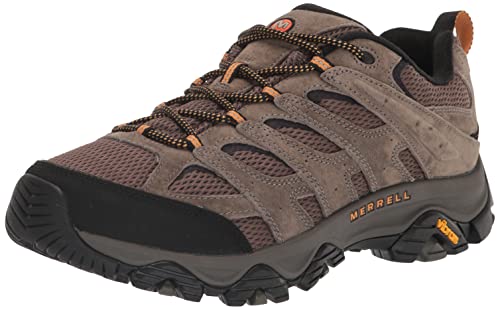
Merrell Men’s Moab 3 Hiking Shoe
WHITIN Men’s Wide Barefoot Shoes W710
Meet The Standout Selections
SCARPA’s Mojito Wrap leans into a low-profile, sneaker-like silhouette that still carries genuine approach-shoe DNA. The wrap-style closure hugs the midfoot, and the low-rise design keeps the ankle free for casual movement on the trail. Compared to the La Sportiva pick further down, this one feels more like a hiking shoe you’d happily wear at a coffee shop afterward.
For everyday walkers heading to moderate crags or doing light scrambling, the Mojito Wrap strikes a friendly balance. It handles dirt paths and rocky terrain without the bulk of a full hiking boot, and the lacing lets you dial in fit across the forefoot.
Benefits That Matter
- Wrap closure creates a snug midfoot hold that reduces heel lift on uneven ground.
- Low-rise profile keeps weight and bulk down for multi-mile walk-ins.
- Versatile enough to transition from trail to town without a shoe change.
- Comfortable straight out of the box, so you skip the painful break-in window.
Things To Consider
- Low cut means less ankle protection on rocky, talus-heavy descents.
- Less aggressive rubber than purpose-built climbing-approach shoes, so edging on technical moves is limited.
Key Product Details
Made For
Day hikers and casual scramblers who want one shoe that handles the trail and the post-hike stop without complaint.
Consider Something Else When
Your routes involve sustained technical scrambling or via ferrata, where the La Sportiva Low Rise Hiking shoe offers more climbing-zone precision.
The GT-1000 13 Trail borrows its stability platform from ASICS’ road-running line and bolts on trail-ready features. A 3D Guidance System shapes the ride toward a balanced stride, which matters when you’re tired at the end of a long approach and your feet start to drift inward. The polyester and mesh upper keeps airflow high and weight low.
Where the SCARPA Mojito Wrap feels like a casual hiking shoe, this one is built for moving quickly across uneven ground. Runners transitioning to hiking and hikers who cover long distances on the approach will appreciate the cushioned, structured ride.
Strengths Worth Knowing
- 3D Guidance System keeps your stride aligned on tired legs and uneven terrain.
- Soft polyester and mesh upper breathes well on warm, dusty approaches.
- Removable OrthoLite X-30 sockliner adds step-in comfort and can be swapped for custom insoles.
- Trail-tuned outsole gives traction across mixed surfaces from dirt to gravel.
Worth Noting
- Less protective than a hiking boot if you’re carrying a heavy pack over rough ground.
- Running-shoe cushioning can feel bulky underfoot for technical scrambling moves.
Right Fit For
Trail runners and fast hikers covering multi-mile approaches who want a stable, cushioned ride over a stiff climbing-approach profile.
A Better Fit Elsewhere
The Merrell Moab 3 Hiking Shoe suits you better for loaded backpacking trips where foot protection matters more than running efficiency.
The TX series from La Sportiva has long been the reference for sticky, climbing-friendly approach shoes, and this low-rise version keeps that pedigree intact. A Vibram-style climbing-zone outsole grips smears and small edges that would defeat a typical hiking shoe, while the low cut keeps weight manageable on the walk-in.
This is the pick when your route includes easy scrambling, granite slabs, or even a low-grade via ferrata. Where the ASICS GT-1000 13 Trail is built for distance, this one is built for precision. Mountaineers and trad climbers will recognize the design language immediately.
Practical Pluses
- Climbing-zone rubber at the toe gives real grip on smears and edging moves.
- Low-rise cut balances support and agility across mixed terrain.
- Durable upper construction handles abrasion from rock and scree.
- La Sportiva’s lacing system reaches far down the toe for customized fit.
Honest Caveats
- Less cushioned than trail-running or hiking shoes on long walk-ins.
- Stiffer feel underfoot takes some getting used to if you’re coming from a softer shoe.
- Premium build is reflected in the cost, so it’s an investment for occasional users.
Feature Snapshot
Best Suited To
Climbers, scramblers, and mountain guides who need a shoe that grips on rock and still handles the walk-in.
Skip It When
Most of your day is on smooth trail with light scrambling, where the SCARPA Mojito Wrap’s comfort gives you more value.
The Moab line has earned its reputation through years of refinement, and version 3 leans into what made the line famous: comfort you feel from the first step and durability that holds up across seasons. The Vibram outsole provides traction across wet rock and loose dirt, while the supportive insole and cushioned midsole reduce fatigue on long days.
This is the shoe for people whose approach includes a full backpack or whose routes wander into full-day hiking territory. Compared to the La Sportiva TX-style shoe above, the Moab trades some climbing precision for all-day comfort. You give up edging grip, you gain hours of comfortable hiking.
Useful Highlights
- Out-of-the-box comfort means you can start hiking without a painful break-in period.
- Vibram outsole grips well on wet rock, loose dirt, and trail debris.
- Supportive insole and cushioned midsole reduce foot fatigue on long days.
- All-purpose versatility handles trails, scrambles, and casual wear.
Points To Keep In Mind
- Heavier and bulkier than a true approach shoe, so it feels clunky on technical moves.
- Less sticky on granite slabs than dedicated climbing-approach shoes.
Who Should Grab It
Day hikers and backpackers who want a comfortable, durable all-rounder that doubles as an approach shoe on moderate routes.
Look Elsewhere When
Your terrain is dominated by rocky scrambling or climbing moves, where the La Sportiva Low Rise Hiking shoe gives you better edging grip.
The WHITIN W710 takes a completely different approach, literally. Zero-drop means the heel and toe sit at the same height, encouraging a more natural footstrike and stronger foot muscles over time. The wide toe box lets your toes splay, and the tire-tread-inspired outsole adds grip without adding weight.
This shoe sits at the opposite end of the spectrum from the La Sportiva. Where that shoe grips rock, this one lets your foot move naturally on flatter terrain. It’s a versatile entry point for people curious about barefoot-style walking without going all the way to a true minimalist sandal.
The Upside
- Zero-drop platform encourages natural posture and foot-strength development.
- Wide toe box lets toes splay for better balance and comfort.
- Tire-tread-inspired outsole provides grip across varied surfaces.
- Accessible price point makes it easy to try the minimalist approach.
Room For Improvement
- Minimal cushioning can tire your feet on long, rocky approaches if you’re not used to it.
- Zero-drop design requires a transition period for those coming from elevated heels.
- Less protective than hiking shoes if you’re carrying a heavy pack across rough terrain.
Whose Shelf It Belongs On
Curious walkers and minimalist-shoe beginners who want a low-cost way to try zero-drop footwear on moderate trails.
Reach For A Different Pick When
You’re heading out for a long day with a heavy pack, where the Merrell Moab 3 Hiking Shoe offers more protection and cushioning.
What To Weigh Before Choosing Lightweight Approach Shoes
Match The Shoe To The Terrain
Approach shoes fall on a spectrum. At one end, minimalist zero-drop options like the WHITIN W710 prioritize natural foot movement on flatter trails. At the other, climbing-approach shoes like the La Sportiva Low Rise Hiking sacrifice comfort on the walk-in for grip on rock. Most people sit somewhere in the middle, where a cushioned trail approach like the Merrell Moab 3 or a balance-focused running shoe like the ASICS GT-1000 13 Trail fits the bill. You may find that one shoe serves you well across multiple terrain types, depending on how aggressive your routes get.
Prioritize Fit Over Specs
Specs tell you what’s on paper, but fit tells you whether the shoe disappears on your foot or fights you all day. Try on shoes later in the day when your feet are slightly swollen, walk on a slope if possible, and pay attention to heel lift and toe room. A snug midfoot with room in the toe box is usually the sweet spot for approach shoes.
Think About Distance And Load
The longer your approach and the heavier your pack, the more cushioning and protection you want. Runners covering multi-mile approaches on flat terrain lean toward ASICS-style trail shoes. Hikers carrying loads over rough ground need Merrell-style hiking shoes with supportive midsoles. Climbers and scramblers on short, technical approaches prefer La Sportiva-style climbing-approach shoes.
Care And Maintenance
Most approach shoes benefit from occasional cleaning, air drying away from direct heat, and prompt removal of caked mud from the outsole. Resoling is possible on some higher-end models, which extends their life significantly. Owners commonly report that storing shoes loosely and avoiding prolonged compression helps the foam midsoles retain their bounce over time.
Key Considerations Across These Picks
Common Shopping Slip Ups
A frequent misstep is buying a true approach shoe when you mostly hike on graded trails, leaving you with an under-cushioned ride and sore feet. The opposite mistake is choosing a full hiking boot for short technical scrambles, where you’ll struggle to feel the rock under your toes. Match the shoe’s purpose to your typical day, not your occasional adventure.
Where The Extra Money Goes
Higher-priced approach shoes typically invest in stickier rubber compounds, more durable uppers, and climbing-specific lacing systems. You may find that the La Sportiva’s climbing-zone rubber makes a real difference on granite, while the Moab’s cushioned midsole makes multi-hour days more pleasant. The upgrade is worth it when the terrain demands those specific features, and overkill when your routes stay gentle.
Frequently Asked Questions
What Makes A Shoe An Approach Shoe?
An approach shoe blends hiking-shoe comfort with climbing-shoe grip, using stickier rubber and a lower profile than a typical hiking shoe, but more support and protection than a climbing shoe.
Can Approach Shoes Handle Actual Hiking?
Yes, most approach shoes handle moderate hiking well, though they lack the cushioning of trail runners on long distances and the ankle support of hiking boots on rough terrain with heavy loads.
How Do Approach Shoes Fit Compared To Hiking Shoes?
Approach shoes typically fit snugger through the midfoot and heel to give you precise foot placement on rock, while leaving a bit of room in the toe box for downhill comfort.
Are Minimalist Approach Shoes Worth Trying?
Minimalist shoes like the WHITIN W710 can strengthen your feet and improve balance, but they require a gradual transition if you’re used to elevated heels and cushioned midsoles.
How Long Do Approach Shoes Usually Last?
Lifespan depends on terrain and usage, but expect the uppers to outlast the soles on technical routes. Higher-end models often support resoling to extend their useful life.
Bottom Line
Approach shoes work best when they match your most common terrain, not your dream route. Climbers and scramblers get the most from the La Sportiva’s grip, distance hikers from the Merrell’s cushioning, runners from the ASICS’ stability, casual walkers from the SCARPA’s versatility, and minimalist curious from the WHITIN’s natural feel. Choose the shoe that fits the day you actually take, and your feet will thank you on the walk back.