Light days on your feet shouldn’t mean sore arches, and a heavy sneaker can drag down an otherwise solid workout. You want shoes that feel nimble through warm-up, hold up through long walks, and don’t pinch by mile three. This lineup pulls together seven lightweight athletic shoes for runners, walkers, gym-goers, and anyone who just wants their feet to breathe, with a focus on real comfort, smart construction, and the kind of feel that keeps you moving without thinking about your shoes at all.
The Shortlist At A Glance

Reebok Womens Zignition

ASICS Men’s GEL-1130 Sportstyle

adidas Adizero Electric Sneaker
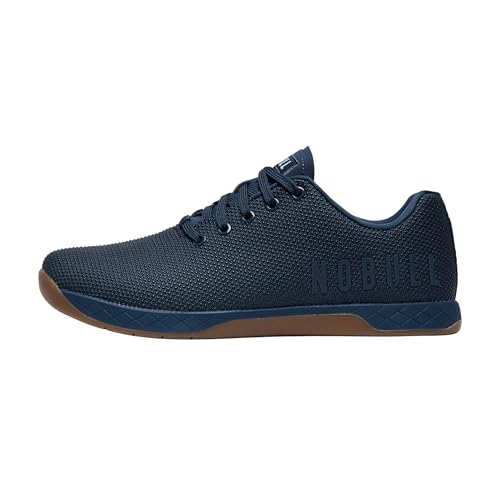
NOBULL Men’s Outwork Shoe

NOBULL Men’s Outwork Edge Shoe

Scurtain Wide Adjustable Walking Shoe

NOBULL Women’s Allday 365 Ripstop
A Deeper Look At The Lineup
The Reebok Womens Zignition sits in that comfortable middle ground between a fashion sneaker and a real athletic shoe. You can pull these on for a step class, a long walk around the neighborhood, or just an errand-heavy Saturday without feeling under- or over-dressed.
If you’ve been wearing the same heavy trainers for years, switching to something this stripped-down will feel strange at first. The lighter profile rewards you around mile two, when the shoes almost disappear on your feet. Beginners who want a forgiving entry point tend to gravitate here, especially anyone easing into a movement routine after a long break.
What Makes Sense
- Lightweight construction keeps legs fresher during longer sessions
- Versatile styling works for both workouts and casual outings
- Reebok’s general sizing tends to be approachable for standard widths
- Affordable entry into athletic footwear without sacrificing build quality
Worth Noting
- Lacks the structured cushioning runners logging heavy mileage typically want
- Not built for lateral-heavy training like tennis or court work
Best Suited To
Newer athletes, casual gym users, and anyone wanting a single pair that bridges workouts and weekend errands.
Look Elsewhere When
Distance runners logging serious weekly mileage will get more from the adidas Adizero Electric.
The GEL-1130 carries echoes of a 2008 stability runner, rebuilt as a casual sportstyle shoe that still respects its athletic roots. ASICS leaned on its GEL-KAYANO lineage for the underlying structure, then softened it with suede paneling that gives the shoe a more relaxed, lifestyle-friendly face.
Compared to the Reebok Zignition’s straightforward athletic build, this one offers a more considered, retro-leaning look. People who walk a lot, commute on foot, or stand through long shifts tend to appreciate the supportive feel without the bulk of a traditional trainer.
Where It Delivers
- Suede-and-mesh upper breathes well during warm-weather wear
- Inherits stability cues from ASICS running archives
- GEL cushioning softens impact without adding noticeable weight
- Sportstyle silhouette transitions easily from gym to street
- Durable construction suits owners who rotate footwear sparingly
Trade Offs
- Suede paneling needs gentle cleaning to keep its finish
- Retro proportions feel bulky on narrower feet
Made For
Walkers, commuters, and style-minded shoppers who still want real athletic heritage underfoot.
Swap It Out When
Gym-focused shoppers chasing maximum training durability should consider the NOBULL Outwork instead.
The adidas Adizero Electric lands firmly in road-running territory, with the kind of stripped-back construction distance runners expect. The Adizero line has long carried adidas’s speed-focused engineering, and this model follows that playbook.
Where the GEL-1130 leans retro and lifestyle, this shoe points squarely at the pavement. You feel the difference at the first stride: the platform feels responsive, the upper sits low over the foot, and the geometry encourages turnover. Runners chasing pace work or longer Sunday efforts should feel at home here, assuming their feet appreciate a firmer ride.
Good Reasons To Consider
- Lightweight build reduces leg fatigue over longer efforts
- Road-running geometry rewards faster cadence
- White, black, and silver metallic colorway suits rotation-friendly wardrobes
- Performance-focused construction for tempo and race days
Honest Caveats
- Firmer ride won’t suit walkers used to plush cushioning
- Narrower fit may feel tight on wider feet
- Light colorway shows road grime quickly, requiring more frequent cleaning
Right Fit For
Runners training for distance or speed work who want a shoe that disappears on foot.
Reach For A Different Pick When
Walkers and all-day comfort seekers will find the Scurtain wide adjustable shoe far more forgiving.
Feature Snapshot
NOBULL built its reputation around training shoes that survive abuse, and the Outwork carries that DNA forward. This is a fitness and cross-training shoe first, with the construction to handle rope climbs, box jumps, and gym floors that chew through ordinary sneakers.
Runners will find this a different animal than the Adizero. The Outwork trades pure speed for lateral stability and durability. You feel that in the platform, which sits flatter and wider than a typical running shoe, and in the upper, which resists abrasion from the kind of movements a CrossFit session demands.
What Works In Its Favor
- Tough construction handles abrasive gym environments
- Wider platform supports lateral movement and lifting
- Cross-training design covers varied workout types
Small Caveats
- Heavier feel than pure running shoes like the Adizero
- Stiffer ride may feel clunky for steady-state cardio
Feature Snapshot
Who Should Grab It
Gym regulars, CrossFit-style trainees, and anyone whose workouts involve more than just running.
Consider Something Else When
Distance-focused runners will prefer the lighter, faster feel of the adidas Adizero Electric.
The Outwork Edge sits one notch over the standard Outwork, with refinements aimed at sharper lateral work and more controlled foot placement. NOBULL continues its fitness-first approach, so anyone expecting road-runner plushness should look elsewhere.
Compared to the original Outwork, the Edge reads as a slightly more performance-tuned sibling. Athletes who box, do agility drills, or rely on quick direction changes tend to gravitate toward this style. You’ll want a solid, planted feel under the midfoot, and the Edge delivers that.
Standout Benefits
- Edge-stabilized design supports quick directional changes
- Reinforced construction holds up to repeated gym wear
- Versatile enough for varied training styles
- Maintains NOBULL’s signature tough build
Things To Weigh
- Ride feels firmer than typical walking shoes
- Style skews athletic, limiting casual wardrobe pairing
Built With In Mind
Boxers, agility athletes, and gym-goers who prioritize stability during lateral movements.
A Better Fit Elsewhere
Shoppers wanting one shoe for both workouts and casual days will prefer the ASICS GEL-1130’s lifestyle-friendly look.
This Scurtain model is purpose-built for feet that need room to breathe, with a wide toe box, adjustable closure, and a zero-drop platform that keeps your foot in a neutral position. Walking shoes in this category often prioritize cushion over structure, and this one follows that playbook.
It’s a different beast from every other pick on this list. The Reebok, ASICS, adidas, and NOBULL options target traditional athletic users; this one serves people managing swelling, neuropathy, or simply wider feet. Adjustability matters here, since the closure lets you tune fit through the day as your feet change.
Practical Advantages
- Wide toe box accommodates swelling and broader foot shapes
- Adjustable strap closure customizes fit as needed
- Zero-drop platform keeps foot in neutral alignment
- Breathable upper supports all-day wear
- Accessible price point compared to specialty footwear
Small Caveats
- Casual styling limits gym and athletic versatility
- Zero-drop feel takes adjustment for users used to elevated heels
Whose Shelf It Belongs On
Walkers with foot sensitivity, swelling, or wider feet who need adjustable, breathable comfort.
Not Your Match When
Runners and gym-goers chasing athletic performance should look at the adidas Adizero or NOBULL Outwork instead.
Feature Snapshot
The Allday 365 closes the list with NOBULL’s take on an everyday trainer built for women, with a ripstop upper that resists tearing and a low-profile silhouette that works across long days. The “365” name telegraphs the intent: a shoe you can put on every day without overthinking it.
Unlike the Outwork Edge, which targets harder gym sessions, this shoe leans toward versatility. Ripstop fabric, originally developed for military and outdoor gear, resists small tears from spreading, so the shoe holds up to repeated daily wear. Travelers and commuters who pack light will appreciate the all-purpose design.
The Good Stuff
- Ripstop upper resists wear from daily use
- Versatile styling pairs with athletic and casual outfits
- Lightweight feel for long wear days
- Durable construction suited to frequent rotation
- NOBULL’s stability cues carry over to this lifestyle-leaning model
Things To Consider
- Less specialized for high-intensity gym work than the Outwork Edge
- Ripstop fabric feel differs from traditional knit uppers
Who It Suits Best
Active women seeking a single shoe that covers commutes, travel days, and gym sessions.
Where A Sibling Pick Shines
Athletes needing aggressive lateral support will prefer the NOBULL Outwork Edge.
Feature Snapshot
Finding The Right Fit For Your Stride
A lightweight shoe should match your actual movement, not just sit on your foot. Runners chasing speed will feel restricted in a heavy training shoe, while gym-goers will find a racing flat too flimsy for box jumps. Think about the surface you’ll spend most time on, the kind of movement you’ll repeat, and whether your feet run narrow or wide.
Cushioning level matters more than most people realize. Plush, soft midsoles feel great for walking and long wear days, but they can sap energy return on faster runs. Firmer platforms, like those on performance road shoes, return more feedback but may feel punishing during casual use. If you split time between activities, a balanced trainer with moderate cushioning tends to age well across uses.
Weight matters, but context matters more. The lightest running shoe can still feel heavy if the fit is wrong. Try to weigh the overall package: upper breathability, midsole response, and outsole grip all shape how a shoe feels at mile one versus mile five. Heavier shoppers, anyone carrying extra weight, or those with joint sensitivity may prefer more structured cushioning even in a “lightweight” category.
Fit is the quiet dealbreaker. A wide toe box lets your foot splay naturally during push-off, while a narrow forefoot can create hot spots during longer efforts. Try shoes on later in the day when feet are slightly swollen, and give yourself room for natural foot expansion during exercise.
Smart Buying Advice
Wrong Turns To Avoid
Picking shoes by category alone often backfires. A “running” label doesn’t mean the shoe fits your gait, and a “training” tag doesn’t guarantee lateral support. Match the shoe to your actual movement, not the marketing label.
Ignoring fit for looks is the other common slip. A clean silhouette means nothing if the toe box squeezes or the heel slips. Spend time on fit before falling for the colorway.
Where The Extra Money Goes
Premium athletic shoes often invest in midsole foam technology, lighter upper materials, and more refined outsole rubber. For runners logging heavy mileage, those upgrades show up as longer shoe life and better energy return. Casual wearers may not feel the difference enough to justify the spend, so honest assessment of your weekly mileage matters here.
Frequently Asked Questions
How often should lightweight athletic shoes be replaced?
Most athletic shoes benefit from replacement every 300 to 500 miles of running, or when the midsole feels noticeably softer than when new. Daily wearers on hard surfaces may see faster breakdown than gym-only users.
Are lighter shoes always less durable?
Not necessarily, but lighter construction often uses thinner materials. Running-focused light shoes tend to wear faster than heavier cross-training models built with abrasion-resistant uppers.
Can lightweight shoes work for walking as well as running?
Yes, particularly balanced trainers with moderate cushioning. Pure racing flats feel too firm for long walks, while walking-specific shoes may feel sluggish during faster running.
What is zero-drop in a shoe?
Zero-drop means the heel and forefoot sit at the same height from the ground, keeping your foot in a flat, neutral position rather than tilted forward like a traditional elevated-heel running shoe.
Do I need different shoes for gym and running?
Ideally, yes. Running shoes prioritize forward cushioning and flexibility, while gym shoes emphasize lateral stability and a flatter, more grounded platform.
The Takeaway
A good lightweight athletic shoe should match your real movement, fit your foot shape, and disappear when you’re using it. The right pick depends less on brand reputation and more on how you’ll actually use the shoe week after week. Take your time on fit, be honest about your mileage, and trust the feel under your foot over the claims on the box.