Lightweight hikers shine when you want a shoe that disappears on your foot but still grips loose gravel, dries fast after a creek crossing, and packs light enough for fast-mile days. The five picks below cover the spread from casual day-trail walkers to mid-cut boots built for soggy ridgelines, so you can match the shoe to the terrain you actually hike, not the marketing.
The Essentials At A Glance

SCARPA Men’s Mojito Wrap Walking Shoes
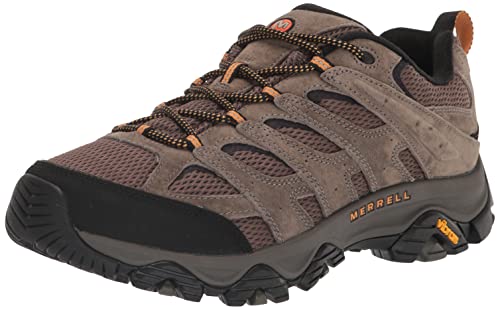
Merrell Men’s Moab 3 Hiking Shoe

Merrell Men’s Moab 3 Mid Hiking Boot

Merrell Men’s Moab 3 Mid Waterproof Hiking Boots

Terrex Free Hiker Gore-TEX 2.0 Hiking Shoes
A Closer Look At Each Pick
The Mojito Wrap is built for people who treat the trailhead like a casual doorway: park, walk, enjoy, head home. Its low-profile, lace-up wrap upper hugs the foot close, which helps on rolling gravel paths and city-meets-nature walks where agility matters more than armor. Compared to the Moab 3 you will read about next, this SCARPA feels more like a cushioned approach shoe than a technical trail tool, and that lighter touch is exactly the point.
For travelers packing one shoe for both airport terminals and park loops, the wrap-style closure adjusts quickly without retying. If your hikes tend to stay under five miles and mostly on maintained dirt, the trade-off is worth it.
Strong Points
- Wrap closure gives a snug, sock-like fit that reduces heel lift on uneven ground
- Low-cut profile keeps ankles cool in warm weather hiking
- Lightweight construction means less fatigue on casual full-day outings
- Suede upper handles dusty trails and packed earth comfortably
Things To Consider
- Less protective than mid-cut boots when rocks and roots get aggressive
- Suede upper may need gentle cleaning and a protective spray to stay looking fresh over time
Quick Facts
Who Will Love This
Casual day hikers and travelers who want one shoe for pavement and easy trails alike.
Swap It Out When
Wet, muddy routes call for the Merrell Moab 3 Mid Waterproof Hiking Boots, which add a higher cut and weather protection.
The Moab 3 is the kind of shoe that quietly becomes the default in your gear closet because it rarely complains. A Vibram outsole (a high-traction rubber tread used by many serious hiking brands) gives grip on loose dirt and slab rock, while the supportive insole and cushioned midsole handle longer days when your feet need to feel like they have a friend under them. Unlike the SCARPA above, this shoe leans into all-purpose versatility rather than ultralight travel, so the weight trade is intentional.
Owners commonly describe the Moab 3 as comfortable out of the box, which matters if you would rather start walking than spend a weekend breaking in stiff leather.
Useful Highlights
- Vibram outsole grips well on varied trail surfaces
- Updated insole adds noticeable arch support over earlier versions
- Breathable upper keeps feet cooler in warm conditions
- Cushioned midsole softens impact on rocky descents
- Roomy toe box fits thicker hiking socks comfortably
Trade Offs
- Low-cut design offers little ankle protection on uneven terrain
- Mesh-heavy upper may let water in during stream crossings
- Heavier than the SCARPA Mojito Wrap by a noticeable margin
Built With In Mind
Regular trail hikers who rack up weekend miles and want one shoe that handles most conditions.
Reach For A Different Pick When
You need wet-weather protection, in which case the Merrell Moab 3 Mid Waterproof Hiking Boots serve you better.
Take the Moab 3 formula and add a mid-cut collar that wraps above the ankle, and you land in the boot you want when the trail tilts toward rougher ground. The same Vibram outsole and supportive insole carry over from the low version, but the taller shaft gives a real sense of stability when you are carrying a pack or stepping across angled rock. If the low Moab feels a bit too free-footed for your taste, this is the natural step up.
The honest read is that the extra ankle coverage costs you some breathability, so humid summer hikes run warmer.
Bright Spots
- Mid-cut collar adds meaningful ankle support on uneven terrain
- Same trusted Vibram outsole platform as the low Moab 3
- Supportive insole helps during longer days with a loaded pack
Honest Caveats
- Heavier than the low-cut Moab 3, which adds fatigue on fast-mile days
- Not waterproof, so wet grass and puddles will soak through eventually
Key Specs
Whose Shelf It Belongs On
Backpackers and hikers who carry loads over rough, dry terrain and want added ankle security.
Where A Sibling Pick Shines
For genuinely wet trails, the Merrell Moab 3 Mid Waterproof Hiking Boots handle rain and stream crossings more confidently.
Add a waterproof membrane (a thin internal layer that blocks water while allowing some vapor to escape) to the Moab 3 Mid and you get the go-to boot for shoulder-season slop and spring snowmelt trails. The Vibram outsole and supportive insole remain, so traction and comfort do not take a back seat. Compared to the non-waterproof mid version above, this one trades a touch of breathability for dry feet, which is the right call when the trail report says “mud.”
Depending on your climate, waterproof boots can feel warmer in summer, so consider these a three-season workhorse rather than a July desert choice.
Useful Touches
- Waterproof membrane keeps feet dry through wet grass and shallow crossings
- Mid-cut shaft supports ankles on uneven, muddy terrain
- Vibram outsole maintains traction when surfaces get slick
- Roomy toe box accepts thick socks without squeezing
Small Caveats
- Waterproof layer reduces airflow, so feet run warmer in summer
- Heaviest option in this lineup, which matters on fast or long days
Best Suited To
Hikers in wet climates or those tackling shoulder-season trails where dry feet matter more than ultralight weight.
Consider Something Else When
You mostly hike dry summer trails and want the lightest possible shoe, in which case the Merrell Moab 3 Hiking Shoe is a better match.
The Terrex Free Hiker Gore-TEX 2.0 rounds out the list with a more performance-oriented feel. A BOOST midsole (a foam cushioning system designed to return energy with each step) gives the shoe a springy, responsive ride that helps on long climbs where every bit of efficiency counts. A GORE-TEX membrane (a branded waterproof yet breathable lining used in many outdoor shoes) handles wet conditions while still allowing some breathability, so the shoe works across more weather than a basic waterproof boot.
Unlike the Moab lineup, which leans classic and proven, this pick feels more athletic underfoot. Depending on your stride, you may find that responsiveness translates into faster-feeling days or just into a slightly firmer ride than expected.
Real-World Strengths
- BOOST midsole returns energy on long ascents and descents
- GORE-TEX membrane balances waterproofing with breathability
- Supportive upper handles varied terrain confidently
- Trail-ready build suited for thru-hikes and weekend trips alike
Points To Note
- Premium construction may feel firmer than cushioned options like the Moab 3
- Waterproof membrane still reduces airflow compared to non-waterproof shoes
Feature Snapshot
The Right Fit
Hikers who log long miles or varied terrain and want a more responsive, energy-returning ride.
Look Elsewhere When
You prefer a softer, more cushioned feel underfoot, in which case the Merrell Moab 3 Hiking Shoe fits the bill.
What Matters Most Before Choosing Lightweight Hikers
Match the Cut to Your Terrain
Low-cut shoes like the SCARPA Mojito Wrap and the Merrell Moab 3 breathe well and move fast, but they leave ankles exposed. Mid-cut boots trade some flexibility and airflow for real stability on uneven ground. Your typical trail surface matters more than marketing copy here. Smooth, maintained paths favor low cuts. Rocky, root-heavy routes favor mid cuts.
Decide How Much Weather Protection You Actually Need
Waterproof membranes like GORE-TEX keep feet dry in slush, rain, and shallow crossings, but they run warmer in summer and take longer to dry if water does get inside. Non-waterproof shoes breathe better and dry faster but soak through quickly. For most weekend hikers in mixed climates, owning one waterproof and one non-waterproof pair covers nearly every outing.
Think About Cushioning Style
Some hikers want plush, soft cushioning that absorbs impact over long days. Others prefer responsive, springy foams that feel faster and more athletic. The Moab lineup leans cushioned and forgiving, while the Terrex Free Hiker Gore-TEX 2.0 leans responsive. Neither is wrong, but the difference is noticeable after a few hours on the trail.
Consider Sock and Pack Weight
Thicker hiking socks change how a shoe fits, and heavier packs change how a shoe feels after miles. Trying shoes on with the socks you actually hike in helps you avoid surprises. Likewise, ultralight shoes feel great empty but can feel thin under a 30-pound pack, which is one reason mid-cut boots remain popular for backpacking.
Key Considerations Across These Picks
Where Shoppers Go Wrong
A common slip is choosing shoes by look alone rather than by terrain. Another is ignoring sock thickness during fitting, which leads to tight toes on the trail. Skipping a short break-in walk around the neighborhood before a long outing is also a frequent regret, since stiff spots only show up after real movement.
Where The Extra Money Goes
Higher-tier hiking shoes often put the budget into better outsoles, more advanced midsoles, and refined waterproof membranes. That translates to longer-lasting traction, more energy return over miles, and better wet-weather performance. You may find the upgrade worth it if you hike weekly or tackle longer routes, while casual day hikers often do fine with a more moderate pick.
Frequently Asked Questions
How do lightweight hikers differ from regular hiking boots?
Lightweight hikers use thinner midsoles, lighter uppers, and lower-cut designs to reduce weight, trading some durability and ankle support for speed and comfort on easier terrain.
Can lightweight hikers handle backpacking with a heavy pack?
Mid-cut lightweight hikers can manage moderate loads, but ultralight low-cut shoes tend to feel thin and unstable under heavy packs over many miles.
Are waterproof lightweight hikers worth it?
Waterproof versions are worth it for wet climates and shoulder-season hiking, though they run warmer in summer and dry slowly if soaked through.
How long do lightweight hiking shoes typically last?
Most lightweight hiking shoes last several hundred trail miles before outsole wear and cushioning breakdown become noticeable, with heavier use shortening that window.
Should I size up for hiking shoes?
Sizing up by a half size often helps accommodate thicker hiking socks and foot swelling during long descents, though fit varies by brand and personal preference.
Bottom Line
Your trail, your climate, and your pack weight should drive the choice more than any single feature list. The SCARPA Mojito Wrap and Merrell Moab 3 cover casual day hikes, the Moab 3 Mid and its waterproof sibling handle rougher and wetter routes, and the Terrex Free Hiker Gore-TEX 2.0 fits hikers who want a more athletic, responsive ride. Match the shoe to the miles you actually log and your feet will thank you.