Light feet, longer runs. You want a shoe that disappears on your foot but still holds up to pavement, gym floors, and the occasional trail head. Most runners chase two things at once: a featherweight feel and enough cushioning to protect joints over time. The picks below weigh those trade-offs honestly, so you can match a shoe to your mileage, gait, and budget without overthinking it.
How The Shortlist Stacks Up

ASICS Men’s GEL-1130 Sportstyle Shoes
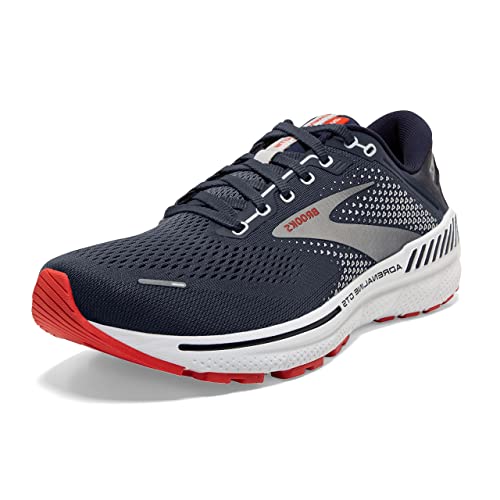
Brooks Men’s Adrenaline GTS 22
ASICS Men’s Gel-Excite 11 Running Shoes

ASICS Men’s Gel-Contend 9 Road Running Shoes

Saucony Men’s Triumph 22 Sneaker

Saucony Mens Cohesion 18
Taking A Closer Look At The Options
The ASICS GEL-1130 splits its identity between a retro trainer and a real running shoe. Pulled from the GEL-1000 series heritage and tied visually to the GEL-KAYANO 14 silhouette, it borrows suede paneling for that throwback look while still wearing a sport-derived midsole underfoot. You wear it to coffee, then straight onto a three-miler without swapping shoes.
For commuters who want one shoe that does both jobs, this makes a strong case. Light enough to forget on your feet, structured enough to handle a midday jog. The aesthetic leans casual, so runners training seriously for pace may want something more dedicated.
Real-World Strengths
- Heritage-inspired look works with jeans, shorts, and joggers
- GEL cushioning softens heel strike on hard sidewalks
- Suede overlays add durability in the high-wear zones
- Versatile enough for errands plus an easy run
- Stability-oriented midsole feels planted on uneven pavement
Things To Consider
- Suede paneling needs occasional cleaning to stay crisp
- Heavier than a true race-day shoe
Who It Suits Best
Style-conscious runners who log light miles and want one shoe for daily wear and casual training sessions.
Consider Something Else When
Daily high-mileage trainers are better served by the Saucony Triumph 22, which carries more cushioning for long runs.
The Adrenaline GTS 22 is a long-running stability workhorse, refreshed with smoother transitions and a more accommodating fit. Brooks built it for runners whose feet roll inward (overpronation), and the GuideRails system, which acts like bumpers on either side of the foot, gently steers the stride without feeling rigid. You feel guided, not pinned.
Compared with the GEL-1130, this is a serious training tool rather than a lifestyle crossover. Runners logging 20+ miles a week tend to gravitate here because the structure reduces fatigue in the knees and shins. For neutral runners who never feel that inward roll, the guidance can feel like overkill.
Strengths Worth Knowing
- GuideRails system offers stability without aggressive posts
- DNA LOFT cushioning softens impact on longer efforts
- Structured heel counter keeps the rearfoot locked in
- Dependable for daily high-mileage use
Honest Caveats
- Heavier than neutral daily trainers
- Some colorways run warmer than the ASICS Gel-Excite 11 mesh
- Stability feel is unnecessary for neutral gaits
Feature Snapshot
Made For
Overpronators and runners recovering from knee or shin discomfort who need guided support across high weekly mileage.
Reach For A Different Pick When
Neutral runners after a softer, lighter ride will find the Saucony Cohesion 18 a friendlier everyday option.
The Gel-Excite 11 aims at the runner who wants comfort without ceremony. An engineered jacquard mesh upper, which is a knit-style fabric with woven patterns for breathability, wraps the foot in a soft, sock-like hug, while the lace-up closure lets you dial in fit. The polyester build keeps the weight down and the airflow up.
New runners easing into three to five mile days tend to find this shoe welcoming. It does not push pace, but it does not punish easy efforts either. The catch shows up if you start stacking long runs: the cushion stack is softer than the Brooks Adrenaline GTS 22, so heavy mileage can compress the feel faster.
Features That Help
- Breathable jacquard mesh keeps feet cool in summer
- Lace-up fit adapts to narrower and wider foot shapes
- Lightweight construction suits easy-recovery days
- Polyester upper is quick to air-dry after wet runs
Points To Note
- Less structured than the Brooks Adrenaline GTS 22 for overpronators
- Outsole wear can accelerate past 300 miles
- Lighter cushioning may feel thin on long efforts
Right Fit For
Beginners and casual joggers who run three to four times a week and want a forgiving, breathable trainer.
Where Another Pick Suits Better
Runners chasing more energy return for tempo days should consider the Saucony Triumph 22 instead.
The Gel-Contend 9 is ASICS’s entry-level road trainer, and it pulls more tech than its price suggests. An OrthoLite sockliner (a removable, foam-based insole) cushions each step-in, AMPLIFOAM midsole foam handles durability, and Trusstic Technology, a plastic shank under the midfoot, keeps the arch from twisting on landing. Rearfoot GEL technology softens heel impact where most runners feel it first.
You pick this when the budget matters and the goal is consistent pavement miles. Where the Gel-Excite 11 leans soft and breezy, the Contend 9 leans supportive and grounded. It feels a touch heavier on foot but lasts longer through the mileage.
Key Advantages
- Rearfoot GEL absorbs impact for joint-friendly strides
- OrthoLite sockliner adds step-in comfort right out of the box
- Trusstic shank improves midfoot rigidity on lateral moves
- Strong value for daily training
- Polyester upper holds up to repeated washes
Some Limits To Know
- Not as breathable as the Gel-Excite 11 mesh
- Slightly heavier than premium daily trainers
Feature Snapshot
Best Suited To
Budget-conscious runners logging steady weekly miles who want proven tech without paying for premium foams.
Look Elsewhere When
Style-first shoppers wanting a casual crossover should check the ASICS GEL-1130 instead.
The Triumph 22 is Saucony’s plush daily trainer, and the latest version leans harder into softness without losing snap. The midsole uses PWRRUN PB foam, a PEBA-based compound (a light, bouncy plastic foam) that feels springy under load, while a broader platform and updated rocker geometry roll the foot forward more naturally. A full-length XT-900 rubber outsole grips pavement reliably.
Long-run regulars love this shoe because it disappears under fatigue. Compared with the Brooks Adrenaline GTS 22, the Triumph trades rigid guidance for free, cushioned motion. Runners with neutral mechanics who log marathon blocks tend to prefer this kind of float.
Reasons It Performs
- PWRRUN PB foam returns energy without feeling mushy
- Rocker geometry smooths the transition from heel to toe
- Broader platform improves landing stability
- XT-900 rubber outsole handles daily road wear
- Plush upper accommodates longer efforts
Practical Considerations
- Premium materials come at a higher cost
- Stack height feels tall for low-drop runners
- Less ground feel than a minimalist trainer
Who Will Love This
Neutral-stride runners training for half and full marathons who want maximum cushion for long, slow miles.
A Better Fit Elsewhere
Runners needing motion control should look at the Brooks Adrenaline GTS 22 instead.
The Cohesion 18 rounds out the shortlist as Saucony’s most approachable neutral trainer. VersaRun cushioning adds more stack than the prior version, and the overall fit skews secure without squeezing. It is built for the runner who just wants a comfortable, no-drama shoe for daily use.
This pairs nicely against the ASICS Gel-Contend 9: similar mission, different brand feel. Beginners and walkers stepping into running for the first time get a forgiving ride here. The trade-off is that performance features, like responsive foams and structured overlays, are dialed back compared with the Triumph 22.
What Makes Sense
- VersaRun cushioning softens routine pavement runs
- Secure, neutral fit suits most foot shapes
- Light on the wallet compared with premium trainers
- All-day comfort for walking and errands
Where It Is Less Suited
- Less energy return than the Saucony Triumph 22
- Fewer performance features for tempo or race work
- Upper breathability is moderate at best
Perfect Match For
New runners and walkers who want a comfortable, neutral trainer for light mileage and everyday wear.
Swap It Out When
Runners chasing more bounce for faster days should choose the ASICS Gel-Excite 11 instead.
What Matters Most Before Choosing Lightweight Mens Running Shoes
Weight And Cushion Balance
Lighter shoes trade durability for speed. A sub-9 oz trainer feels fast but typically compresses faster under repeated impact. Heavier daily trainers with denser foams like the Brooks Adrenaline GTS 22 or Saucony Triumph 22 hold up across more miles. Match the shoe to your weekly volume: under 15 miles, lean light; over 25, lean cushioned.
Gait And Stability Needs
Neutral runners (whose feet track straight on landing) usually prefer shoes without guide systems. Overpronators benefit from stability features that keep the foot from rolling inward. The Brooks Adrenaline GTS 22 uses GuideRails for this, while most picks on this list assume a neutral stride. Getting this wrong causes shin and knee soreness over time.
Upper Fit And Breathability
Engineered mesh uppers (knit-style fabrics with reinforced patterns) like the Gel-Excite 11’s jacquard mesh ventilate well in summer. Suede and synthetic builds run warmer but wear longer. Always consider your climate and sock thickness before locking in a fit.
Outsole Durability And Surface
Road shoes use harder rubber compounds for pavement. If your routes mix sidewalks with light gravel, look for a full-length outsole like the Triumph 22’s XT-900 rubber. Pure race flats wear out fast on rough ground.
Key Considerations Across These Picks
Mistakes Worth Dodging
Picking a shoe based only on listed weight ignores how that weight is distributed. A shoe can be light on paper yet feel clunky underfoot if the midsole foam is too soft or the heel is too tall. Always cross-check weight with cushion stack and drop (the difference in height between heel and toe). Runners who skip this often end up with sore calves after switching from a higher-drop trainer.
Where The Extra Money Goes
Stepping up from the Saucony Cohesion 18 to the Triumph 22, or from the Gel-Contend 9 to the Triumph 22, buys newer foam chemistry, smoother rocker geometry, and longer-lasting uppers. For runners logging 30+ miles weekly, the upgrade pays off in joint comfort and shoe lifespan. For weekend joggers, the budget tier delivers everything you actually need without overspending.
Frequently Asked Questions
How light should a running shoe really be?
For most runners, anything under 10 oz per shoe feels light enough to forget on foot. Sub-8 oz race-day builds feel fast but wear out quickly under daily training loads.
Are lightweight shoes less durable?
Generally, yes. Thinner uppers and softer foams break down faster, often around 300 to 400 miles. Heavier daily trainers typically last 500+ miles with proper rotation.
Do I need a stability shoe if I overpronate?
Mild overpronation often self-corrects with strength work. Pronounced inward rolling tends to benefit from guided systems like the Brooks Adrenaline GTS 22’s GuideRails.
Can I use a road shoe on a treadmill?
Yes, treadmill running is actually easier on road shoes than pavement, since the belt absorbs some impact. Most road trainers work fine indoors.
How often should I replace lightweight running shoes?
Plan on replacing every 300 to 500 miles depending on the model. Loss of cushioning or visible outsole wear are clear signals it’s time.
The Takeaway
A good lightweight running shoe should match your gait, your mileage, and the surfaces you actually train on. The picks above give you options across every common profile, from stability workhorses to budget-friendly starters. Try a pair on with your usual running socks, log a few short runs, and trust comfort over the spec sheet.