You lace up a pair of shoes, head out the door, and by mile three you realize your feet have been carrying dead weight the whole time. Heavy shoes slow turnover, tire your calves faster, and turn a casual run into a chore. The right lightweight pick changes that immediately, and the six options below cover very different runner profiles, from supportive stability trainers to cushioned daily cruisers to retro-styled lifestyle pairs.
A Side-By-Side Look
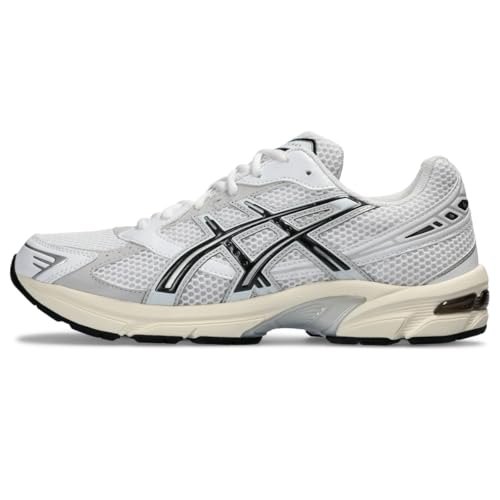
ASICS GEL-1130 Sportstyle Casual Shoes
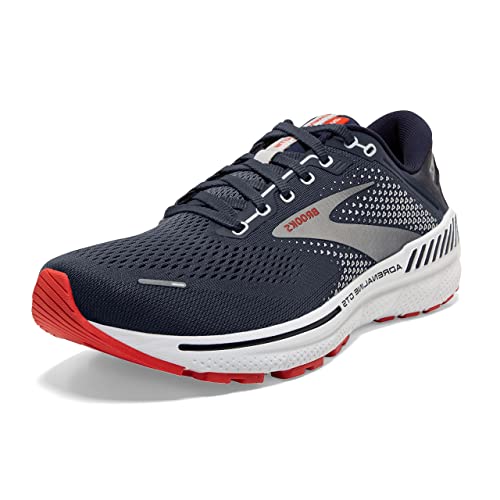
Brooks Adrenaline GTS 22 Running Shoe
ASICS Gel-Excite 11 Running Shoes

ASICS Gel-Contend 9 Road Running Shoes

Saucony Triumph 22 Sneaker

Saucony Cohesion 18
Why These Options Stand Out
The ASICS GEL-1130 borrows its silhouette from a 2008 stability running shoe and softens it with suede paneling for a lifestyle-leaning feel. It carries visible GEL cushioning (a shock-absorbing gel pocket in the heel) under the rearfoot, which lightens the impact of walking around town without bulking the shoe up.
For runners who treat shoes as everyday uniform, this pair slips into coffee runs and casual meet-ups with less effort than a technical trainer. It feels light on foot, with a construction that nods to ASICS’s running heritage rather than chasing pure performance. Style-conscious wearers looking for one pair that handles errands, light jogs, and the commute get the most mileage from it.
Real Benefits
- Suede-paneled upper reads more lifestyle than track, so it pairs with jeans without looking out of place
- Rearfoot GEL cushioning softens heel strike on long walks and short jogs
- Lightweight build keeps your feet from feeling anchored during all-day wear
- Retro running lines give the silhouette a recognizable, easy-to-style shape
- Heritage styling stays relevant for seasons, so it doesn’t feel dated fast
Worth Noting
- Suede panels scuff and stain more easily than the all-mesh uppers on the Gel-Excite 11 or Gel-Contend 9
- No formal stability tech, so overpronators will find better support in the Brooks Adrenaline GTS 22
- Suede needs occasional brushing to keep clean, which adds maintenance compared to synthetic-only trainers
Best Suited To
Style-focused runners who split time between casual wear, commuting, and easy miles want one shoe that covers all three.
Consider Something Else When
Runners logging serious weekly mileage on pavement will get more out of the Saucony Triumph 22, which offers more substantial daily cushioning.
The Brooks Adrenaline GTS 22 is built around Brooks’s GuideRails support system, which is a structured chassis around the heel and midfoot that gently nudges your foot into a neutral alignment rather than pushing it aggressively. That makes it a smart pick for overpronators (runners whose ankles roll inward on landing) who want guidance without feeling corrected.
Unlike the retro-leaning GEL-1130 above, this is a purpose-built daily trainer engineered for consistent mileage. The structured heel cup holds your rearfoot steady on tired legs, which matters on long runs when form starts to slip. Runners rebuilding volume after injury or anyone with a history of knee discomfort get the most value from it.
What It Does Well
- GuideRails reduce inward ankle roll without forcing a rigid posture, which feels more natural than a stiff medial post
- Structured heel cup stabilizes the rearfoot during late-run fatigue
- Engineered mesh upper balances breathability with secure midfoot lockdown
- Well-cushioned midsole absorbs impact on longer training blocks
Trade Offs
- Heavier than the stripped-back Saucony Cohesion 18 or ASICS Gel-Excite 11, which may bother runners chasing pure speed
- GuideRails feel unnecessary for neutral strikers who don’t overpronate
Feature Snapshot
Who It Suits Best
Overpronators and runners with knee or arch history benefit most from the guided support and structured heel cup.
Look Elsewhere When
Neutral runners chasing pure lightweight speed should look at the ASICS Gel-Excite 11, which skips the support chassis entirely.
The ASICS Gel-Excite 11 leans hard into the “barely-there” feeling with an engineered jacquard mesh upper (a woven, ventilated fabric with built-in patterns) and a polyester construction that keeps weight low. Where the Adrenaline GTS 22 adds structure, this shoe strips things back to breathable basics.
The lace-up closure locks the midfoot in securely, and the lightweight build makes it easy to forget you’re wearing a running shoe at all. For casual daily runners and treadmill regulars, that barely-there feel is exactly what you want. Beginners building a routine and anyone who dreads heavy, clunky trainers will feel right at home here.
What Pays Off
- Jacquard mesh upper breathes well, which helps during humid summer miles
- Polyester build keeps overall weight down for a barely-there feel
- Lace-up closure delivers a secure midfoot fit without pressure points
- Lower profile than stability trainers makes it easy to wear all day
Room For Improvement
- Minimal structure means overpronators should still consider the Brooks Adrenaline GTS 22 for guided support
- Light cushioning may feel thin on longer runs compared to the Saucony Triumph 22
Made For
Casual daily runners, treadmill walkers, and beginners who want a light, breathable shoe for short-to-mid distance runs will appreciate the airy build.
Skip It When
Runners seeking plush long-mileage cushioning should reach for the Saucony Triumph 22, which packs a thicker, more energetic midsole.
The ASICS Gel-Contend 9 is purpose-built for paved miles, pairing an AMPLIFOAM midsole (a soft, durable foam that balances cushioning with rebound) with Trusstic Technology (a firm plastic bridge under the midfoot that adds stability without extra weight). The combination gives new runners a structured platform without overloading the shoe.
An Ortholite Sockliner (a contoured, moisture-managing insole) softens each step-in, and rearfoot GEL cushioning handles the heavy braking that comes with road running. For pavement-pounders who log most of their miles on sidewalks and streets, this is a comfortable daily workhorse. New runners who need a forgiving entry shoe get a lot from the layered cushioning.
Strong Points
- AMPLIFOAM midsole offers a balance of softness and bounce that holds up across repeat runs
- Trusstic Technology stabilizes the midfoot without adding heavy structure
- Ortholite Sockliner cushions the footbed right out of the box
- Rearfoot GEL absorbs impact on hard pavement
Points To Note
- Road-focused design lacks the grippy lugs needed for trail running
- Heavier than the Gel-Excite 11, which may bother speed-focused runners
Quick Facts
Whose Shelf It Belongs On
Road-only runners, beginners, and anyone logging easy pavement miles want a forgiving daily trainer with structured cushioning.
Swap It Out When
Runners chasing pure speed on shorter sessions may find the Saucony Cohesion 18 a lighter, more stripped-back alternative.
The Saucony Triumph 22 sits at the cushioned end of the lineup, with a PWRRUN PB super foam midsole (a high-rebound, lightweight foam that delivers an energetic underfoot feel) that feels plush without going flat. Compared to the Gel-Contend 9, this shoe trades some structure for a smoother, more rocker-shaped ride.
The broader platform and updated rocker geometry help your foot roll through each stride, while the full-length XT-900 rubber outsole (a durable carbon rubber that resists wear) extends the shoe’s lifespan on heavy weekly mileage. Long-distance daily runners and anyone who racks up high weekly volume benefit most from the soft landing. Heel strikers in particular tend to love the generous cushioning stack under the rearfoot.
Where It Helps
- PWRRUN PB super foam delivers an energetic, plush underfoot feel that holds up across long runs
- Broader platform and updated rocker shape smooth out heel-to-toe transitions
- Full-length XT-900 rubber outsole resists wear across heavy mileage
- Cushioning stack softens repetitive impact for daily training volume
A Few Limitations
- Plush stack feels tall for runners who prefer a low-profile, ground-feel ride
- Sits heavier on the foot than the minimal Saucony Cohesion 18 or Gel-Excite 11
Feature Card
The Right Fit
Long-distance daily runners, heel strikers, and high-mileage trainers get the most from the plush stack and rocker geometry.
Reach For A Different Pick When
Runners chasing a minimal, low-to-the-ground feel will prefer the ASICS Gel-Excite 11 for its stripped-back construction.
The Saucony Cohesion 18 is the entry-level neutral trainer in this lineup, offering VersaRun cushioning (a versatile midsole foam tuned for soft everyday landings) and a secure, comfortable fit without extra features you might not need. Where the Triumph 22 is built for high-volume training, this shoe focuses on the basics done well.
The lightweight construction makes it approachable for new runners who haven’t yet committed to expensive gear, and the neutral geometry works for runners without a specific gait issue. New runners, casual joggers, and anyone building a routine on a tighter budget get a comfortable, no-fuss starting point. It also handles gym sessions and short daily walks comfortably.
Useful Highlights
- VersaRun cushioning provides soft landings for everyday jogging
- Lightweight build keeps the shoe approachable for new runners
- Neutral geometry suits runners without gait complications
- Versatile enough for treadmill walks, gym sessions, and short outdoor runs
Honest Caveats
- Minimal structure means overpronators still want the Brooks Adrenaline GTS 22
- Basic cushioning stack feels thin compared to the Triumph 22 on longer runs
- Outsole durability may wear faster under high-mileage use, a commonly reported concern on budget trainers
Who Should Grab It
New runners, casual joggers, and budget-conscious shoppers want a simple, comfortable neutral trainer without extras.
A Better Fit Elsewhere
Runners who need structured support for overpronation should consider the Brooks Adrenaline GTS 22 for guided stability.
What To Weigh Before Choosing Your Next Pair
Foot Shape And Gait First
Your foot shape and running gait drive more of the decision than any single feature. Runners whose ankles roll inward on landing need stability tech like the Brooks Adrenaline GTS 22, while neutral strikers get along fine with stripped-back options like the ASICS Gel-Excite 11 or Saucony Cohesion 18. Visit a local running shop for a gait analysis if you’re unsure where you land, and use that read to filter your shortlist before anything else.
Cushioning Versus Ground Feel
Cushioned daily trainers like the Saucony Triumph 22 prioritize soft landings and smoother transitions, which works for long runs and heel strikers. Lower-profile shoes like the Gel-Excite 11 keep you closer to the pavement, which feels nimbler on shorter, faster efforts. Match the cushioning level to the kind of running you actually do most weeks rather than the kind you imagine doing.
Weight And Breathability
Lightweight shoes lose grams through thinner midsoles and airy mesh uppers, which helps turnover on easy days but can feel less protective on long runs. Engineered mesh and jacquard constructions like those on the Gel-Excite 11 and Gel-Contend 9 breathe better in warm weather, while suede-paneled lifestyle pairs like the GEL-1130 run warmer. Match the upper material to your climate and typical running temperatures.
Fit, Sockliner, And Break-In
A shoe’s insole, midfoot lockdown, and break-in behavior matter as much as its outsole. Ortholite Sockliners (used on the Gel-Contend 9) feel cushioned right out of the box, while structured stability shoes may need a few sessions to soften up. Try the shoe with your usual running socks, and walk around the house before committing to long miles.
Key Considerations Across These Picks
Mistakes Worth Dodging
First-timers often pick shoes by color or by what their training partner recommends, then wonder why their shins hurt by month two. Sizing up a half-size from your everyday shoes leaves room for foot swell on longer runs. Skipping gait analysis is another common slip, since overpronators who land in neutral trainers tend to break down shoes unevenly. Test shoes on your usual route rather than the treadmill in the store.
Why Top Tier Costs More
Premium trainers like the Saucony Triumph 22 cost more because of advanced foam compounds, broader platform geometry, and tougher outsole rubber that holds up across heavy mileage. The extra cost pays off when you log high weekly volume, but casual joggers running three short sessions a week don’t need that level of engineering. Match the price tier to your weekly mileage and your long-term running goals.
Frequently Asked Questions
How heavy should a lightweight running shoe feel?
Most lightweight trainers land between 7 and 10 ounces per shoe, depending on size and construction. You want shoes that disappear on your foot during easy runs rather than anchoring your stride.
Do I need stability shoes if my ankles roll slightly?
Mild overpronation can often be addressed with strength work and neutral shoes, but noticeable inward roll during longer runs usually benefits from stability tech. The Brooks Adrenaline GTS 22 is the strongest stability pick in this list.
Can lifestyle runners use running shoes every day?
Yes, and many do. Pairs like the ASICS GEL-1130 blur the line between casual and performance, which makes them easy to wear for errands, commutes, and short jogs in the same day.
How long should lightweight running shoes last?
Most trainers hold up for roughly 300 to 500 miles of running, depending on the outsole rubber and your gait. Heavier runners and high-mileage trainers may see shorter lifespans.
Are more cushioned shoes better for beginners?
Not always. Beginners benefit from comfort, but overly plush stacks can feel unstable. Balanced trainers like the ASICS Gel-Excite 11 or Saucony Cohesion 18 offer enough cushioning without overwhelming newer runners.
Closing Remarks
Your next pair of lightweight running shoes should match your gait, your typical mileage, and the surfaces you log most of your miles on. Use this list as a starting point, narrow down by your profile, and trust your feet when you try them on. The right shoe almost always makes itself obvious after a few short runs.