A great pair of running shoes can quietly change how you train. The wrong pair leaves your shins barking after three miles; the right pair disappears under your foot and lets you forget you’re wearing anything at all. With so many cushioned, neutral, and stability models crowding the marketplace, sorting through them takes more than a glance at the colorway. The picks below balance weight, cushion, support, and budget, so you can match your gait, mileage, and goals without second-guessing the cart.
A Fast Comparison Of The Options
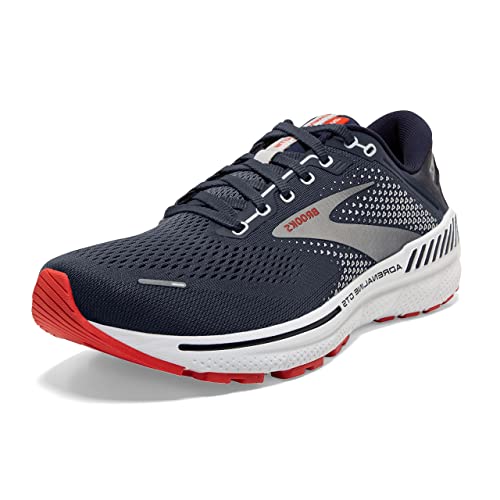
Brooks Adrenaline GTS 22 Supportive Running Shoe

Brooks Ghost 14 Neutral Running Shoe
ASICS Gel-Excite 11 Running Shoes

ASICS Gel-Contend 9 Road Running Shoes

Saucony Triumph 22 Sneaker

Saucony Cohesion 18
A Breakdown Of The Leading Choices
Runners whose ankles roll inward, a motion called overpronation, often finish a run with sore knees or arches that feel cooked. The GTS in this shoe’s name stands for “Go-To Support,” and that tells you the design priority before you even lace it up. Compared with the Ghost 14 further down this list, this model leans firmer under the arch and feels more corrective without becoming a clunky stability shoe.
You spend your time logging easy miles and steady training days, and the shoe rewards that rhythm. Owners commonly report that the structured midfoot keeps long runs feeling more controlled, especially on tired legs late in a session. If your gait drifts inward even slightly, the guided system gently steers you back to neutral without dictating the footstrike.
A Few Strong Suits
- Guided stability frame helps correct mild to moderate overpronation during longer efforts.
- Padded heel collar and structured midfoot create a locked-in feel that reduces foot sliding.
- Cushioned midsole softens road impact so daily mileage stays comfortable on paved routes.
- Durable outsole rubber tends to hold up across hundreds of miles before showing wear.
- Versatile enough to handle easy jogs, tempo runs, and walks without feeling out of place.
Worth Bearing In Mind
- Firmer ride may feel less pillowy than neutral trainers like the Ghost 14 or Triumph 22.
- Heavier than minimalist options, so speed work and racing days may call for a lighter shoe.
- Structured support is unnecessary for neutral runners who don’t pronate.
Made For
Runners with mild to moderate overpronation logging consistent weekly mileage on roads and sidewalks benefit most from the guided support.
Look Elsewhere When
Neutral runners who want a softer, less corrective ride will find the Brooks Ghost 14 a smoother daily companion.
Neutral gait means your foot lands without rolling excessively inward or outward, and you want a shoe that simply stays out of the way. The Ghost 14 takes that hands-off approach, offering a smooth, balanced platform suited to most training days. Where the Adrenaline GTS 22 introduces stability posts to correct your stride, this model skips the structure entirely.
You log a mix of easy runs, gym sessions, and weekend long runs, and you want one shoe that handles all of it. The segmented crash pad underfoot softens heel strikes and helps your foot roll forward naturally, which matters more on hour-two pavement loops than it does on short jogs. For most recreational runners, the Ghost 14 lands in the comfortable middle ground between firm support shoes and squishy recovery trainers.
Why It Works Well
- Neutral platform suits runners with balanced gait who don’t need corrective posts.
- Segmented crash pad eases the heel-to-toe transition, reducing jarring on hard pavement.
- Engineered mesh upper breathes well during summer miles and warm-weather runs.
- Versatile enough for runs, gym sessions, and casual wear throughout the week.
Points To Keep In Mind
- Lacks the structured support that overpronators may require for joint comfort.
- Outsole durability is solid but not exceptional, depending heavily on surface and gait.
Quick Facts
Best Suited To
Neutral runners logging mixed weekly mileage on roads, sidewalks, and treadmills benefit from this shoe’s smooth, versatile ride.
Swap It Out When
Overpronators and runners needing corrective structure should reach for the Brooks Adrenaline GTS 22 instead.
Starting a running habit doesn’t require dropping a fortune on your first pair of shoes. The Gel-Excite 11 brings ASICS engineering to a friendlier price tier, focusing on the basics without piling on extra features. It uses engineered jacquard mesh, a polyester-based knit weave that aims to balance airflow and structure, paired with the brand’s signature GEL cushioning in the rearfoot.
You’re building a routine of two to three runs per week and want something forgiving underfoot. The rearfoot GEL unit absorbs impact at heel strike, which helps newer runners whose calves and shins aren’t yet adapted to pavement. Compared with the pricier Triumph 22 later in this list, the Excite 11 trades plush long-run foam for a leaner, more straightforward build.
What Pays Off
- Lower price point makes it accessible for beginners testing the running habit.
- Engineered jacquard mesh upper keeps the foot ventilated during warm-weather efforts.
- Rearfoot GEL cushioning softens heel strikes, easing the load on newer shins and calves.
- Lightweight construction reduces fatigue on shorter runs and recovery jogs.
- Lace-up closure delivers a secure midfoot lockdown without complicated adjustments.
Honest Caveats
- Cushioning stack is thinner than premium models, which may feel harsh on long runs.
- Durability of the midsole foam may decline faster under heavy weekly mileage.
- Limited support features won’t suit runners with pronounced overpronation.
Whose Shelf It Belongs On
New runners building a base of two to three short runs per week get the most value from this approachable, breathable trainer.
Consider Something Else When
Runners logging heavy weekly mileage or recovering from injury will prefer the plush Saucony Triumph 22.
The Contend 9 sits one rung above entry-level, aimed at runners who want a touch more substance without paying for flagship foam. It uses AMPLIFOAM cushioning, a denser midsole compound designed for durability, layered with rearfoot GEL to take the edge off heel strikes. The Trusstic system, a firm plastic shank under the midfoot, adds a strip of stability without the bulk of a true stability shoe.
You want a road shoe that survives daily pavement pounding and doesn’t feel like a marshmallow under the arch. The polyester upper and lining keep the shoe light on foot, and the OrthoLite sockliner, a branded foam insole, adds step-in comfort right out of the box. Where the Excite 11 feels minimal, the Contend 9 feels more planted, which matters when you’re stacking back-to-back training days.
Notable Upsides
- AMPLIFOAM midsole is built for durability across higher training volumes.
- Trusstic technology adds subtle midfoot stability without a heavy corrective post.
- OrthoLite sockliner delivers comfortable step-in feel from the first wear.
- Rearfoot GEL unit absorbs impact at heel strike on hard pavement.
Practical Considerations
- Still not as plush as premium daily trainers, which can feel firm on very long efforts.
- Trusstic shank may feel intrusive for runners who prefer a flexible forefoot.
Perfect Match For
Budget-conscious road runners building a weekly routine of three to five runs benefit from this shoe’s durable, supportive build.
Reach For A Different Pick When
Runners craving extra cushioning for long recovery runs should consider the Saucony Triumph 22 instead.
Long runs have a way of exposing every weak link in a shoe, and the Triumph 22 aims to eliminate those weak links entirely. The PWRRUN PB midsole is a responsive superfoam, a high-rebound foam blend engineered to feel light underfoot while returning energy with each step. A broader platform and updated rocker geometry help your foot roll forward smoothly instead of fighting a stiff shoe.
You log twenty or more miles per week, and your easy days deserve something that treats your legs kindly. The full-length XT-900 rubber outsole, a durable carbon rubber compound, grips pavement and shrugs off wear from daily training. Compared with the budget Gel-Excite 11, the Triumph 22 is a meaningful step up in cushion depth, energy return, and overall ride refinement.
Useful Strengths
- PWRRUN PB superfoam delivers a plush yet responsive feel ideal for long efforts.
- Updated rocker geometry promotes smoother forward transitions during long runs.
- Broader platform increases stability for high-mileage training and recovery days.
- XT-900 rubber outsole provides durable traction across many months of road running.
- Plush cushioning reduces fatigue during back-to-back heavy training days.
Small Caveats
- Premium price tier puts it out of reach for budget-focused runners.
- Higher stack height may feel unstable for runners who prefer a grounded, low-profile ride.
- Plush cushion can feel sluggish during faster, shorter track sessions.
Key Product Details
Who Should Grab It
High-mileage runners and anyone logging regular long runs benefit most from this shoe’s plush cushioning and smooth ride.
Where Another Pick Suits Better
Beginners and casual joggers get more value from the entry-level ASICS Gel-Excite 11 at a fraction of the cost.
The Cohesion line has long been a starting-line favorite for runners buying their first real pair of training shoes. This 18th version keeps that tradition intact with VersaRun cushioning, a versatile midsole foam meant to handle easy miles without feeling overly soft or overly firm. The neutral platform stays out of the way of a developing gait.
You want a comfortable, no-fuss trainer for short runs, walks, and gym sessions. The secure fit and forgiving midsole make it approachable for runners still building confidence on pavement. Compared with the Triumph 22 earlier in this list, the Cohesion 18 trades premium plushness for a lighter price tag and a more grounded feel that beginners often prefer.
Practical Pluses
- VersaRun cushioning delivers all-day comfort for runs, walks, and casual wear.
- Neutral platform suits beginners whose gait hasn’t settled into a clear pattern.
- Comfortable, secure fit reduces hot spots and rubbing during early training miles.
- Versatile enough to handle light jogging, gym sessions, and errands.
- Lower price point makes it realistic for first-time shoe buyers.
Worth Noting
- Cushioning depth is moderate, so very long runs may expose thinner foam under repeated impact.
- Outsole durability is solid for the price but won’t match premium daily trainers.
Feature Snapshot
Built With In Mind
First-time runners and casual joggers logging light weekly mileage get the most value from this forgiving, approachable shoe.
Not Your Match When
Runners training for a half marathon or logging serious weekly mileage will find the Saucony Triumph 22 a better long-run companion.
What Matters Most Before Choosing Your Next Pair
Getting fit and feel right matters more than chasing the latest model number. The lightest shoe on the shelf isn’t always the right one, because weight reduction often means thinner foam, less outsole rubber, and shorter lifespan. A shoe that feels feather-light at the store may feel punishing ten miles in. Cushioning depth, support geometry, and upper construction all shape how a shoe performs long before its weight becomes a factor.
Match the shoe to your gait before anything else. Runners whose ankles collapse inward need guidance under the arch, while runners with a neutral footstrike benefit more from balanced cushioning without corrective posts. Trying a pair on at the end of the day, when your foot is slightly swollen, gives a more honest fit than a fresh-morning try-on. Leave roughly a thumbnail’s width between your longest toe and the front of the toebox, which prevents black toenails on downhill miles.
Consider where you’ll log most of your miles. Road runners need outsole rubber built for pavement, while anyone logging mixed surfaces benefits from a versatile tread pattern. If you rotate between gym sessions, easy jogs, and weekend long runs, a versatile neutral trainer like the Ghost 14 or Triumph 22 covers all three without compromise. Pure speed work, on the other hand, often calls for a lighter, lower-profile shoe that lives alongside your daily trainer rather than replacing it.
Key Things To Weigh Across These Picks
Mistakes Worth Dodging
A common slip is choosing a shoe based purely on weight, then discovering the cushion is too thin for your weekly mileage. Another trap is wearing a stability shoe when your gait is neutral, which can throw off your footstrike over time. Always check the return window before committing to longer runs, since a shoe’s true character shows up around mile five, not in the store.
What The Higher Tier Buys
Premium daily trainers like the Saucony Triumph 22 cost more because the midsole foam, geometry, and outsole rubber are engineered for hundreds of miles of comfort. Beginners don’t need that level of refinement, but high-mileage runners feel every dollar of the difference in their legs the next morning. Paying up pays off once your weekly volume climbs past twenty miles.
Frequently Asked Questions
How often should you replace lightweight running shoes? Most road running shoes last between 300 and 500 miles, depending on your gait, weight, and surface. Once the midsole foam feels noticeably flatter or your joints start complaining after familiar runs, it’s time for a fresh pair.
Are lightweight running shoes less durable than heavier trainers? Not always, but lighter builds often use thinner outsole rubber and less foam, which can shorten lifespan. Higher-mileage runners may wear through them faster than casual joggers would.
Do you need special running socks with these shoes? Moisture-wicking synthetic or merino socks help prevent blisters and keep the upper’s breathability working properly. Cotton socks retain sweat and tend to cause friction on longer runs.
Can you use lightweight running shoes for gym sessions? Yes, neutral daily trainers work well for lifting, treadmill intervals, and short cardio. Dedicated lifting shoes offer more stability, but most runners can train in their daily pair without issue.
Should lightweight running shoes feel tight at first? No, the fit should feel secure without pinching, with about a thumbnail of space at the toebox. A shoe that’s uncomfortable in the first mile won’t get better by mile ten.
Closing Remarks
Your next pair of running shoes should disappear under your foot, not announce itself on every stride. Match the build to your gait, your mileage, and your training rhythm, and the right pair tends to reveal itself quickly. Trust the fit, log the miles, and let the shoes do the quiet work of carrying you forward.