Whether you’re logging easy recovery miles, strolling through a long travel day, or chasing a personal best on the track, the right pair of lightweight shoes can quietly change how everything feels on your feet. Heavy kicks drag you down and tire your legs out before you’ve even warmed up, so cutting weight where it counts makes a real difference in comfort and endurance. This list covers five genuinely different options, from cushioned daily trainers to barefoot-style grips to a purpose-built throwing shoe, so you can match your pick to your actual routine.
The Leading Options At A Glance

Skechers Women’s GO Walk 7 Amina
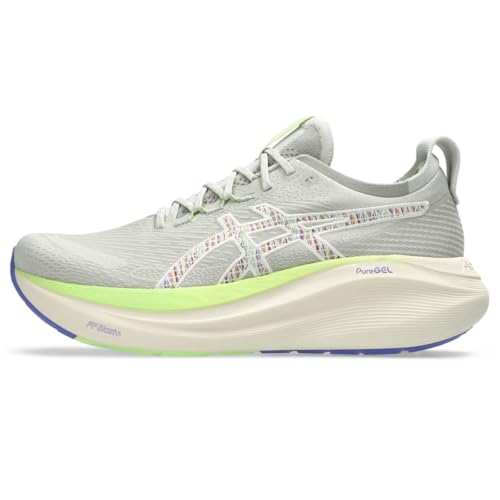
ASICS Men’s Gel-Nimbus 27 TR

Nike Men’s Shox TL Sneaker

Nike Zoom SD 4 Throwing Shoe
WHITIN W710 Wide Barefoot
A Breakdown Of The Leading Choices
The GO Walk 7 Amina earns its spot as the easy-entry slip-on for anyone whose day involves more standing and strolling than structured exercise. The stretch knit upper adapts to your foot, so there’s no break-in period, and the hands-free design saves you a minute every morning. For travel days, errands, and recovery walks, the weight disappears in a way that heavier casual sneakers don’t.
Runners looking for tempo mileage should look elsewhere, since this pick prioritizes comfort over propulsion. Owners commonly report the knit holding its stretch over months of regular wear, though lighter colors can show dust between washes.
Where It Delivers
- Slip-on stretch knit hugs varied foot shapes without pinching
- Light build keeps legs fresher on long errand days
- Breathable knit upper helps feet stay cooler indoors and out
- Versatile enough for travel, recovery, or casual office settings
Things To Consider
- Lacks the structured support needed for actual running workouts
- Knit upper can trap small debris on dusty paths
Who It Suits Best
Walkers, travelers, and anyone wanting a slip-on shoe that disappears on the foot all day long.
Consider Something Else When
Runners stacking daily mileage should reach for the ASICS Gel-Nimbus 27 TR instead for proper cushioning.
The Gel-Nimbus 27 TR is built around FF blast PLUS foam (a soft, bouncy midsole compound engineered to absorb impact while feeling light underfoot) paired with ASICS’ signature gel cushioning in the rearfoot. The engineered knit upper wraps the foot and breathes well, while a softer knit tongue and collar take pressure off the ankle on long efforts. This is the kind of shoe that makes easy runs feel easier.
For neutral runners logging daily miles, the stack height and plush geometry absorb road impact without the dead feel of older cushion systems. Compared to the Skechers GO Walk 7 above, this is a true performance trainer with structure and energy return, not just a slip-on. Owners may find the cushioning initially taller than expected, especially runners coming from lower-profile shoes.
What Pays Off
- FF blast PLUS foam softens heel strikes on long runs
- Breathable knit upper regulates temperature through summer mileage
- Gel rearfoot absorbs impact for joint-friendly daily training
- Plush collar prevents ankle irritation during longer sessions
Trade Offs
- Taller stack can feel unstable for runners used to flatter geometry
- Premium cushioning adds a meaningful price bump over entry trainers
- Knit collar may collect lint and needs occasional gentle cleaning
Feature Snapshot
Made For
Neutral runners and walkers stacking serious weekly mileage who want cloud-soft landings.
Look Elsewhere When
Budget shoppers wanting a barefoot-style feel will find the WHITIN W710 a closer match.
The Shox TL brings back Nike’s signature column cushioning, four exposed support pillars at the heel that compress on landing and spring back as you step off. Visually, nothing else on this list looks like it, and that retro-tech aesthetic drives the purchase for a lot of shoppers. As an everyday sneaker, it’s lighter than its chunky appearance suggests.
This is a style-led shoe, not a training tool, so anyone chasing actual workouts should look at the Gel-Nimbus 27 or WHITIN. Owners may find the columns deliver noticeable bounce but don’t isolate long-run fatigue the way foam midsoles do.
Notable Gains
- Distinctive column cushioning adds visible character and rebound
- Lighter than the chunky silhouette implies for casual wear
- Retro-futuristic styling pairs with streetwear and athleisure
Room For Improvement
- Not engineered for running, lifting, or sport-specific movement
- Exposed columns can collect dust between the pillars
Best Suited To
Style-driven wearers who want a statement sneaker that still wears light through the day.
A Better Fit Elsewhere
Track athletes needing proper event support should consider the Nike Zoom SD 4 throwing shoe.
The Zoom SD 4 is purpose-built for shot put and discus, two events where foot stability matters more than cushion softness. A no-sew upper (a construction that bonds materials without stitching for fewer pressure points) sits over the foot, while a midfoot strap and Flywire cables (thin, strong cords that anchor around the midfoot for lockdown) wrap under the arch to keep the foot planted through the throw. That lockdown is the whole point of the design.
Unlike the cushioned Nimbus or the barefoot WHITIN, this shoe trades softness for a low, grounded base that helps rotational athletes transfer force efficiently. Owners may find the rigid platform unforgiving on recovery walks between attempts.
Well-Handled Touches
- Midfoot strap and Flywire cables lock the foot during rotation
- No-sew upper prevents pressure points across the forefoot
- Low-profile base keeps athletes grounded for force transfer
Softer Spots
- Specialty build makes it useless for running or casual wear
- Rigid platform can feel harsh outside the throwing circle
Who Will Love This
Competitive shot put and discus throwers who need lockdown over cushion during competition.
Swap It Out When
General fitness walkers will get far more use from the Skechers GO Walk 7 Amina.
The WHITIN W710 leans into the barefoot training philosophy, a wide toe box (the front of the shoe that lets toes splay naturally), a zero-drop platform (heel and forefoot at the same height, no elevation), and a flexible tire-tread-style sole that lets your foot move as it would barefoot. Compared to the plush Nimbus above, this is the opposite end of the cushioning spectrum.
Runners used to cushioned trainers may find the transition jarring at first, and the wide fit can feel sloppy for narrow feet. Owners commonly report the grippy sole holding up well across pavement and light trails, though the upper offers less structure than a traditional trainer.
Positive Points
- Zero-drop geometry encourages natural foot strike and posture
- Wide toe box lets toes splay for better balance
- Tire-tread-inspired outsole grips mixed terrain reliably
- Entry-level pricing makes barefoot training easy to try
Honest Caveats
- Transition feels rough for runners used to foam-cushioned trainers
- Wide fit may feel loose for narrow-footed wearers
- Minimal upper structure offers little arch support for flat feet
The Right Fit
Curious beginners exploring barefoot-style strength training, walking, and light trail use.
Reach For A Different Pick When
Long-distance runners wanting plush landings should turn back to the ASICS Gel-Nimbus 27 TR.
What To Weigh Before Choosing Your Pair
Lightweight shoes live and die by what you actually do in them. Daily runners need engineered cushioning that absorbs road impact over miles, while walkers and travelers care more about a forgiving upper and easy on-off design. Track athletes need the opposite of cushioning entirely: a stable, locked-down base that helps transfer force without sinking.
Materials change the experience too. Engineered knits breathe well and adapt to your foot shape, while no-sew construction removes pressure points that show up during long efforts. Zero-drop platforms strengthen the foot over time but require a slow transition if you’re coming from raised-heel shoes.
Fit is the silent factor most shoppers get wrong. A wide toe box matters for natural foot splay, while narrow-footed wearers often need a structured upper to avoid slipping. Trying shoes on later in the day, when feet swell slightly, gives a more realistic feel than a cold-morning try-on.
Cushioning Versus Ground Feel
Plush foam and gel systems, like the FF blast PLUS in the Nimbus, soften impact but add stack height under the foot. Barefoot-style designs strip that away so you can feel the ground, which builds foot strength but demands a patient ramp-up. Most wearers do best choosing based on whether they want recovery or engagement from the shoe.
Weight Versus Durability
Lighter uppers and thinner midsoles save fatigue, but they usually mean less material to wear through. Purpose-driven shoes like the Zoom SD 4 trade longevity for specialization, while all-day casual pairs balance both. Match the construction to how hard you plan to push the shoe, not just how it feels in hand.
Key Considerations Across These Picks
Pitfalls Shoppers Hit
Chasing the lowest listed weight often backfires when the upper turns out flimsy or the sole lacks grip. A shoe that’s light but unstructured can cause blisters on long walks, while an over-flexible platform undermines push-off during runs. Comfort on the first try matters more than a number on a spec sheet, so always test with your planned use, not just standing in the mirror.
Where The Extra Money Goes
Higher-tier picks like the ASICS Nimbus put cost into advanced foam compounds and engineered knit uppers that hold up over hundreds of miles. Budget barefoot designs like the WHITIN keep things simple and accessible, which suits newcomers who aren’t sure yet. Specialty builds like the Zoom SD 4 cost more because the event-specific engineering simply isn’t interchangeable with general trainers.
Frequently Asked Questions
What weight qualifies as truly lightweight?
Most running-focused lightweight shoes weigh under 10 ounces per shoe, while casual slip-ons often come in even lighter. The exact number matters less than how the weight feels distributed, because a balanced shoe disappears on the foot faster than a lighter one with poor balance.
Are lightweight shoes less durable than heavier pairs?
Not always. The construction matters more than the weight, since a thin mesh upper can wear through quickly while a thicker knit holds up for years. Match the build to your mileage and terrain rather than assuming lighter means shorter-lived.
Can lightweight shoes work for long-distance running?
Yes, cushioned trainers like the ASICS Gel-Nimbus 27 TR are designed specifically to feel light while absorbing impact over many miles. Barefoot-style picks, however, need a slow transition period before handling distance safely.
Do barefoot-style shoes help strengthen feet?
Over time, yes, because the zero-drop platform and wide toe box encourage natural foot movement. Beginners should ramp up gradually to avoid shin soreness from the new loading pattern.
How should lightweight shoes fit compared to regular sneakers?
They should feel snug at the midfoot with enough room in the toe box for natural splay, especially in barefoot-style designs. Too-loose uppers cause slipping, while too-tight fits defeat the purpose of going light.
Closing Remarks
The right lightweight shoe matches your actual routine rather than the hype around it. Pick the cushioning level, drop, and structure that suit your workouts, walks, or competition, and the weight savings become a quiet upgrade you feel every step of the way.