Stepping into a line dance routine takes a bit more than the right outfit. Your shoes set the tone for every pivot, shuffle, and syncopated stomp, and the wrong pair can leave you slipping or sore after a single set. Beginners often chase style first, only to find out the hard way that a slick sole makes floor work miserable.
This roundup covers five options across the spectrum, from team spirit gear to dedicated dance footwear, so you can match the shoe to your actual style of dancing. Whether you lead a Saturday night country line or drill warm-up routines at the studio, the right pair is out there.
A Snapshot Of The Selections

Blulu 13-Inch Line Dancing Folding Fans (48 Pcs)

JOUNCING Prescott Suede Sole Western Line Dance Shoes

JOUNCING Urban Step Suede Sole Dance Line Shoes
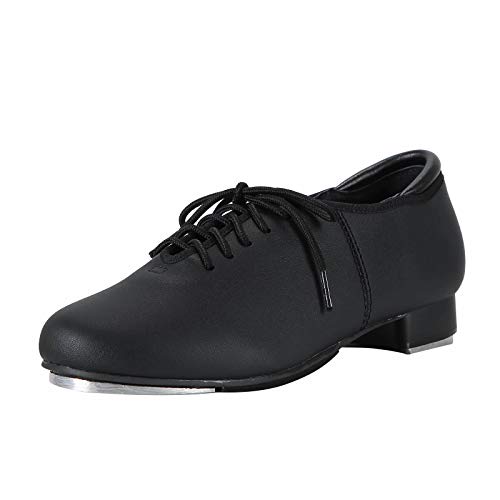
Linodes PU Leather Lace-Up Tap Shoes

PPQ Women’s Lace-Up Jazz Shoes
The Details Behind The Selections
Technically a fan, not a shoe, the Blulu lineup earns a spot here because line dance crews often coordinate accessories with their footwear, and these oversized folding fans turn a routine into a visual event. Each fan opens to roughly 13 by 25 inches, giving the kind of broad sweep that reads from the back row of a hall.
You get 48 fans in a single pack, which suits a sizable dance team or a fundraising resale. The plastic ribs and nylon fabric keep the weight down, so holding one aloft through a four-minute number won’t wear out your arm. For solo dancers, the bulk is overkill, but for instructors outfitting a class or event coordinators running a community night, it’s a practical buy.
The Value In It
- Generous count handles mid-size crews in one purchase
- Oversized format reads clearly across a crowded floor
- Light plastic and nylon construction stays comfortable during long sets
- Folds down small enough to slip into a dance bag
Things To Weigh Up
- Nylon fabric can snag if stored loosely with buckles or zippers
- Plastic ribs occasionally crack after repeated heavy-handed folding
Right Fit For
Dance instructors and team leaders outfitting a full crew for performances or charity nights.
Skip It When
You came here strictly for footwear, since the JOUNCING Prescott covers the actual shoe side far better for solo dancers.
The Prescott lands as a true crossover shoe, built for dancers who split their time between country line choreography and the occasional salsa or West Coast Swing floor. The superfine fiber upper mimics the polished look of a leather boot without the break-in sting, and the faux suede sole is engineered to glide just enough on polished hardwood while still gripping during sharp turns.
Compared to the Linodes tap shoe, the Prescott trades percussive impact for slide control, so it suits routines built on graceful footwork rather than stomps. For a beginner running their first eight-count, that smooth sole helps prevent the ankle-twisting slips that come with rubber-soled street shoes.
Positive Points
- Faux suede sole balances slide and grip for pivoting
- Lightweight upper reduces fatigue over hour-long sessions
- Styling pairs easily with both line dance and Latin wardrobes
- Tailored fit works well for narrow to medium foot shapes
- Works across salsa, swing, and country routines without swapping
Points To Note
- Suede-style sole can scuff on rough outdoor surfaces like concrete patios
- Faux fiber upper needs a break-in window before molding to your foot
- Sizing tends to run narrower than standard street shoes
Whose Shelf It Belongs On
Multi-style dancers who want one pair that handles Latin nights and line dance rehearsals without switching gear.
Look Elsewhere When
Your routine leans heavily on stomps and rhythmic heel drops, where the PPQ lace-up jazz shoes give a flatter, more grounded feel.
Where the Prescott reads as a sleek boot, the Urban Step leans into a fuller boot silhouette, giving dancers more ankle coverage and a sturdier stance on uneven practice floors. The shared suede sole platform keeps movement controlled, but the higher cut adds warmth and a touch of support that newer dancers often appreciate.
For anyone whose line dance style borrows from West Coast Swing footwork patterns, the boot height helps anchor weight transfers without feeling clunky. It’s noticeably more protective than the PPQ jazz shoe, which leaves the ankle open.
A Few Highlights
- Boot-style cut supports the ankle during direction changes
- Suede sole allows smooth pivots while maintaining braking grip
- Higher shaft keeps debris out during outdoor performances
- Layered upper structure feels substantial without going heavy
Honest Caveats
- Boot shaft can feel warm during high-energy summer sets
- Less breathable than low-cut options for marathon practice days
- Bulkier profile takes longer to break in than slip-on styles
Who Should Grab It
Dancers who value ankle stability and want a more protective silhouette for outdoor venues or uneven practice spaces.
Reach For A Different Pick When
Your sessions run long in warm studios, since the PPQ lace-up jazz shoe stays cooler and lighter for repeat practices.
Feature Snapshot
The Linodes tap shoe steps outside the strict line dance category, but for routines built on rhythm and percussive footwork, it brings real value. The PU leather upper handles sweat and studio humidity without warping, and the lace-up closure locks the heel in place, which matters when you’re driving through fast tempo changes.
Men and women can both wear the same model, since the manufacturer offers paired sizing across both scales. That makes the Linodes a strong pick for shared household dancers or instructors who stock a range of sizes for tryouts.
Real-World Strengths
- Taps deliver crisp percussive sound for rhythm-driven routines
- PU leather wipes clean after studio use
- Unisex sizing simplifies group outfitting
- Lace-up fit keeps the foot secured through fast direction shifts
- Stiffer sole plate supports consistent tap tone over time
Practical Considerations
- Metal taps require occasional tightening as screws settle
- Harder to walk quietly outside the studio compared to suede-sole options
- PU leather breathes less than canvas alternatives
Best Suited To
Rhythm-focused dancers and choreographers who build routines around audible stomps and beats rather than glides.
Another Choice May Suit
If your priority is smooth turning and slide control, the JOUNCING Prescott suede sole is the better partner for those patterns.
Feature Snapshot
The PPQ jazz shoe rounds out the roundup with a sneaker-style construction that prioritizes comfort over flash. An air cushion platform softens landings, which helps during long practice sessions where plain soles leave your arches aching by the third run-through.
The lace-up front locks the foot in without the boot bulk of the JOUNCING Urban Step, and the lower profile makes it easier to layer with jazz socks or tights. For dancers building a daily practice habit, this one is the most forgiving on tired joints.
What Works In Its Favor
- Air cushion platform reduces fatigue during long sessions
- Low-profile cut fits easily under warm-up pants
- Lace-up closure adjusts for high and low insteps
- Sneaker-style construction feels familiar out of the box
- Lightweight enough for travel between classes
- Versatile for jazz, modern, and lighter line routines
Trade Offs
- Sneaker-style sole grips more than it slides, which can catch during fast pivots
- Less ankle support than boot-cut options like the JOUNCING Urban Step
- Cushioned platform adds slight height dancers may need to adjust to
Who Will Love This
Studio dancers logging multiple practice sessions per week who want a forgiving, sneaker-feel fit.
Where Another Pick Suits Better
For routines demanding serious sliding and turning, the JOUNCING Prescott’s suede sole handles that motion with more grace.
Feature Snapshot
What Matters Most Before Choosing Line Dancing Shoes
Sole Material Sets The Feel
Suede-style soles give the controlled slide that pivot-heavy routines depend on, while rubber or tap plates prioritize grip and percussion. For most line dance floors, a smooth sole makes cleaner turns and reduces ankle strain. Match the sole to your routine, not to your streetwear preference.
Support Depends On The Shaft
Low-cut jazz shoes feel quick and light, but they leave the ankle unsupported. Boot-cut designs like the JOUNCING Urban Step trade breathability for stability, which matters during direction-heavy choreography. Beginners usually benefit from more coverage until their ankle strength builds.
Fit Matters More Than Brand
Dance-specific shoes tend to run narrower than everyday sneakers. Plan for a snug fit through the midfoot with a small amount of toe room, since loose shoes cause blisters and sloppy foot placement. Always check size charts, and consider trying a half size up if you have a wider foot.
Versatility Versus Specialization
A crossover shoe handles salsa, swing, and country without swaps, while a tap shoe is excellent only at rhythm work. Decide whether one versatile pair fits your weekly routine, or whether a specialized option serves your main style better.
Smart Considerations For Choosing Line Dancing Shoes
Pitfalls Shoppers Hit
Many first-timers grab running shoes or casual sneakers because they feel familiar, then discover rubber soles stick during pivots and tire the feet fast. Another common misstep is buying one size up to “allow room”, which actually causes heel slippage and blisters across the ball of the foot. Stick close to your true dance size.
Where The Extra Money Goes
Higher-tier options often use lighter, more durable uppers and better-shaped soles that match actual foot anatomy. The upgrade shows up in how the shoe feels after the second hour of dancing, when cheaper pairs start to bind or flatten. For frequent practice, that comfort margin is worth the spend.
Frequently Asked Questions
What sole is best for line dancing?
Suede-style soles offer the best balance of slide and grip for line dance floors. They let you pivot smoothly while still braking when needed, and they protect your ankles better than rubber soles, which can catch during fast direction changes.
Can I wear regular sneakers for line dancing?
Regular sneakers are workable for casual practice but usually grip too much, making pivots awkward and tiring the feet. They also lack the structured heel and arch support that dance-specific shoes provide. For regular classes, a proper dance shoe makes a noticeable difference.
How tight should line dance shoes fit?
Dance shoes should fit snugly through the heel and midfoot, with a small amount of room at the toes. A loose fit causes slipping and blisters, while overly tight shoes restrict blood flow during long sets. Always check the size chart, since dance sizing often differs from street shoe sizing.
Do I need different shoes for line dancing and salsa?
Not necessarily. Crossover options like the JOUNCING Prescott handle both line choreography and Latin styles with one sole. Specialized shoes like tap shoes work better for routines built on rhythm and percussion.
How do I care for suede dance soles?
Brush them gently with a soft suede brush after each use to remove dust and keep the nap working properly. Avoid getting them wet, since water can flatten the texture and reduce slide control. Store them in a breathable bag, not a sealed plastic container.
Closing Remarks
Your shoes shape how every step feels, so the right pair turns a long class into something you look forward to. Match the sole to your style, get the fit close, and trust your routine to guide the choice. A little patience during the selection pays off the first time you dance without thinking about your feet.