A great-looking running shoe shouldn’t feel like a compromise. Plenty of pairs look sharp on the shelf but fall apart after a few weeks on pavement, or feel clunky underfoot the moment you lace up. The picks below lean toward men’s running shoes that handle real mileage, look right with jeans after the run, and don’t punish you for choosing style over substance. Some lean cushioned and plush, others stay firm and responsive. One or two are surprisingly easy on the wallet. A few are road-running staples that have earned their following, and one is a sportstyle reissue for the days when your route is mostly sidewalk cafés. Below is what each one actually does well, where it lets you down, and who it suits best.
The Essentials At A Glance
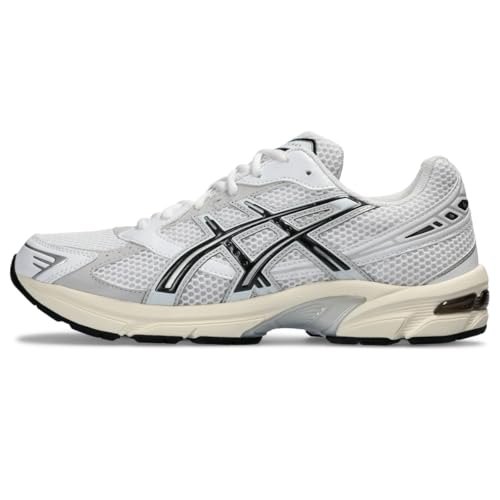
ASICS Men’s GEL-1130 Sportstyle Shoes
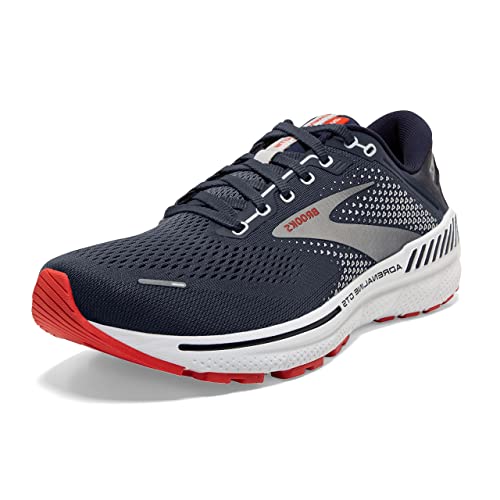
Brooks Men’s Adrenaline GTS 22 Running Shoe
ASICS Men’s Gel-Excite 11 Running Shoes

ASICS Men’s Gel-Contend 9 Road Running Shoes

Saucony Men’s Triumph 22 Sneaker

Saucony Men’s Cohesion 18
A Breakdown Of The Leading Choices
The GEL-1130 borrows the bones of an early-2000s stability trainer and dresses them up for the street, swapping performance mesh for suede paneling that gives the upper a softer, more casual hand. Underneath, the GEL cushioning system (a silicone-based shock absorber placed in the heel to soften landing impact) does the work it was designed for, so the ride still feels planted rather than floppy.
Compared with the workhorse trainers on this list, the GEL-1130 leans more lifestyle than logging-miles, and most owners reach for it on coffee runs, light walks, and easy days. For anyone who wants the visual language of a 2008-era stability shoe without the stiffness, this is a refreshingly honest take.
Reasons It Performs
- Suede paneling gives the upper a softer, more premium-feeling look than standard mesh running shoes.
- GEL cushioning in the heel softens impact for casual walking and light jogging.
- Heritage silhouette pairs just as easily with jeans as it does with joggers.
- Build stays relatively lightweight for a retro-styled shoe, so it doesn’t feel clunky after long wear.
Things To Consider
- Suede needs more care than synthetic mesh, so a quick brush and protective spray will go a long way.
- Stack height and cushioning are tuned for everyday wear, not for serious weekly mileage.
Who It Suits Best
A wearer who wants a vintage-styled trainer for daily casual wear, easy walks, and the occasional short jog, rather than structured training blocks.
Consider Something Else When
You log real weekly mileage and want structured support, where the Brooks Men’s Adrenaline GTS 22 is a more honest fit.
The Adrenaline GTS 22 is the kind of shoe that quietly shows up year after year on training plans, and there’s a reason for that. The “GTS” stands for “Go-To Support,” which is Brooks shorthand for a stability build aimed at runners whose feet roll inward (overpronate) when they land.
Unlike the sportstyle GEL-1130, this is a serious mile-eater, and it’s the pair most often recommended for runners who want one shoe that handles easy jogs, long runs, and recovery days. The engineered mesh upper breathes well on warmer days, and the midsole geometry guides the foot through a smoother transition than older stability designs.
A Favorable Mix
- Built-in support system helps reduce inward foot roll, which can ease knee and shin stress over time.
- Engineered mesh upper breathes better than older woven designs, useful on humid summer runs.
- Trusted workhorse profile, widely stocked and easy to replace once worn in.
- Balanced cushioning makes it a comfortable pick for everything from recovery days to long Sunday runs.
- Sizing tends to run true for most foot shapes, reducing the trial-and-error of online ordering.
Worth Noting
- The structured midsole feels firmer than neutral trainers, which can feel rigid on short casual walks.
- Color availability shifts through the year, so you may need to be flexible if you have a specific shade in mind.
- Slightly heavier than minimalist road shoes, noticeable on race day if you’re chasing seconds.
Best Suited To
Runners who overpronate, log regular weekly mileage, and want a single dependable shoe for most of their training.
Look Elsewhere When
You want a softer, lifestyle-leaning ride, where the ASICS Men’s GEL-1130 Sportstyle Shoes offer a more relaxed alternative.
The Gel-Excite 11 is the kind of trainer that disappears under your foot. The engineered jacquard mesh upper (a knit fabric with patterns woven directly in for stretch and ventilation) wraps the foot without squeezing, and the polyester lining keeps things light on warm days.
Where the Adrenaline GTS 22 leans firm and structured, the Excite 11 goes the other way, offering a softer, more forgiving ride that suits newer runners and anyone easing back into a routine. It’s the everyday pick here, the shoe most likely to handle a treadmill day, an errand loop, and a park jog without complaint.
The Upside
- Breathable jacquard mesh keeps feet cooler than denser knit uppers.
- Lace-up closure and padded heel collar create a secure, locked-in fit during longer sessions.
- Lightweight build makes it easy to forget you’re wearing a running shoe at all.
- Works well as a crossover shoe for gym days, walks, and short runs.
Trade Offs
- Lacks the structured stability features of the Adrenaline GTS 22, so it isn’t ideal for pronounced overpronation.
- Cushioning is comfortable but compresses faster than premium foams if you run heavy weekly mileage.
Who Will Love This
Newer runners, returning runners, and anyone wanting a soft, breathable shoe for casual mileage and gym crossover days.
A Better Fit Elsewhere
You log high mileage and want more responsive foam underfoot, where the Saucony Men’s Triumph 22 Sneaker is built for that workload.
The Gel-Contend 9 sits in that comfortable middle ground between entry-level price and serious training shoe. The polyester upper is straightforward and easy to wipe clean, while the AMPLIFOAM midsole (a softer, durable cushioning foam tuned for everyday road runs) gives it a bit more bounce than you’d expect at this level.
Compared with the Gel-Excite 11, this one feels a touch firmer and more road-focused. Rearfoot GEL technology softens impact at the heel, and Trusstic Technology (a firm plastic bridge under the midfoot that adds stability without extra weight) helps the shoe hold its shape on longer efforts. For the price, it’s a thoughtful little build.
A Few Highlights
- Ortholite Sockliner (a breathable, antimicrobial foam insert) adds a layer of step-in comfort that lasts beyond the first mile.
- AMPLIFOAM midsole delivers durable cushioning suited to regular road miles.
- Trusstic Technology reinforces the midfoot without piling on extra weight.
- Road-friendly outsole pattern grips pavement reliably in dry and damp conditions.
- Polyester upper is easy to clean after dusty summer routes.
Room For Improvement
- Heavier than the Gel-Excite 11, so it can feel chunky on faster-paced runs.
- Breathability is decent but not class-leading, and feet can warm up on humid days.
The Right Fit
Beginners and budget-focused runners who still want a road-tuned shoe with proper cushioning, support, and a recognizable brand behind it.
Skip It When
You want a lighter, more breathable everyday trainer, where the ASICS Men’s Gel-Excite 11 Running Shoes pull ahead in that role.
The Triumph 22 is Saucony’s plush daily trainer, built around PWRRUN PB super foam (a lightweight, nitrogen-infused foam that returns more energy step-to-step than standard EVA). It’s noticeably softer and more energetic than the foams in the ASICS picks above, and the broader platform gives the shoe a confident, planted feel at landing.
For runners putting in serious weekly volume, this is the shoe most likely to keep legs fresher over long runs. The full-length XT-900 rubber outsole is a tougher carbon rubber compound built for daily wear, so the Triumph 22 should hold up better than lighter racers over months of training.
Features That Help
- PWRRUN PB super foam delivers a softer, more responsive ride than standard midsoles.
- Broader platform and updated rocker geometry encourage a smoother heel-to-toe transition.
- XT-900 rubber outsole is durable enough to handle months of daily road miles.
- Comfortable enough for runners who log back-to-back long training days.
- Plush interior padding suits runners who want a forgiving feel underfoot.
Points To Keep In Mind
- Stack height runs taller than the ASICS trainers here, so it can feel bulky on speed days.
- The plush ride isn’t ideal if you prefer a firmer, more grounded feel.
- Higher tier of the lineup, so color and size options can be more limited at times.
Made For
High-mileage runners who want a soft, durable daily trainer and don’t mind a taller, more cushioned ride.
Reach For A Different Pick When
You want a budget-friendly road shoe with similar brand reliability, where the ASICS Men’s Gel-Contend 9 Road Running Shoes deliver a more affordable alternative.
The Cohesion 18 is the kind of shoe that doesn’t try to be anything it isn’t. It’s a versatile neutral trainer built around VersaRun cushioning, which Saucony designed as an all-day foam that softens impact without feeling mushy under heavier loads.
Compared with the Triumph 22, the Cohesion is simpler and noticeably more affordable, which makes it a sensible pick for walkers, casual joggers, and anyone who wants a Saucony-built shoe for everyday use without stepping into the premium tier. It runs a touch lighter than the Gel-Contend 9, and the neutral geometry works well for feet that don’t need extra correction.
What Works In Its Favor
- VersaRun cushioning delivers all-day comfort for walks, errands, and easy jogs.
- Neutral design works well for runners with a balanced stride.
- Lightweight build keeps the shoe from feeling clunky during daily wear.
- Secure, comfortable fit that holds up during longer walking sessions.
Honest Caveats
- Cushioning is softer than the Triumph 22, so it can feel less responsive on faster-paced runs.
- Limited support features compared with the Gel-Contend 9, so pronators may want to look elsewhere.
- Outsole durability is fine for casual use but won’t hold up as long as premium-tier rubber compounds under heavy mileage.
Built With In Mind
Walkers, casual joggers, and shoppers wanting a comfortable Saucony-built neutral shoe for everyday wear at an approachable price.
Where A Sibling Pick Shines
You want more responsive cushioning for serious daily mileage, where the Saucony Men’s Triumph 22 Sneaker earns its place.
How To Choose Looking Running Shoes For Men That Actually Fit
Start with the use case, not the brand. A shoe that handles easy daily jogs feels completely different from one meant for serious mileage, and most of the disappointment runners run into comes from picking a racing shoe when they needed a daily trainer. Decide whether you need structured support for inward foot roll, neutral cushioning for a balanced stride, or a soft, lifestyle-leaning ride for casual wear. That single answer narrows the field dramatically.
Cushioning type matters more than most shoppers expect. EVA foam (a standard, slightly firm midsole foam) is dependable and affordable, while PEBA and nitrogen-infused foams like PWRRUN PB feel softer and more energetic but cost more and wear faster under heavy use. If you log light weekly mileage, EVA is plenty. Runners pushing past 30 miles a week usually appreciate the extra responsiveness of premium foams.
Fit and upper material change everything about how a shoe feels after mile three. Engineered mesh breathes well on warm days but can feel loose on narrow feet. Suede and synthetic overlays, like the GEL-1130, look sharper but run warmer and need more care. Jacquard knits, like the Gel-Excite 11, balance stretch and ventilation nicely for most foot shapes.
Outsole rubber and stack height (the thickness of material between foot and ground) influence durability and ride feel. Thicker carbon rubber outsoles like XT-900 last longer under daily mileage. Taller stack heights add cushioning but can feel unstable on sharp turns, which is worth considering if you do any sidewalk or trail crossover.
Key Considerations Across These Picks
Where Shoppers Go Wrong
Treating a stability shoe like a neutral one, or vice versa, is one of the most common buying mistakes. Runners who overpronate often grab a soft neutral trainer and wonder why their shins ache by mile three. Others with neutral strides force themselves into structured support shoes that feel stiff and unnecessary. Knowing your gait, or getting a quick gait check at a local shop, removes most of the guesswork. Sizing is the other usual trap. Running shoes often run a half size smaller than casual shoes, and ignoring that leads to black toenails and cramped toes. Always leave roughly a thumb’s width of room at the front of the shoe.
Where The Extra Money Goes
The jump from entry-level trainers to premium daily shoes, like the Triumph 22, mostly buys better foam and a more refined ride. PWRRUN PB and similar super foams return more energy per step, which adds up over long runs and back-to-back training days. Premium builds also tend to use tougher outsole rubber, so the shoe lasts longer per dollar even though it costs more up front. If you log light mileage, the extra cost rarely pays back. Runners pushing weekly volume and chasing comfort on long efforts get the most from the upgrade.
Frequently Asked Questions
How should looking running shoes for men fit?
You want about a thumb’s width of space between your longest toe and the front of the shoe, with a snug but not tight feel around the midfoot and heel. Running shoes often run smaller than casual sneakers, so sizing up by a half size is a common starting point.
Can you use looking running shoes for men for gym workouts?
Yes, most of these pairs handle light gym sessions, treadmill work, and walking routines just fine. Heavier structured shoes feel clunky during agility drills, but they won’t fall apart under standard strength training.
How often should you replace running shoes?
Most running shoes last somewhere between 300 and 500 miles, depending on the runner’s weight, gait, and the surfaces you run on. Once the midsole starts feeling flat or you notice new aches in your knees or shins, it’s usually time.
Are stability shoes only for overpronators?
Stability shoes are designed primarily for runners whose feet roll inward noticeably when they land. Neutral runners can wear them too, but the structured midsole often feels unnecessarily firm if you don’t need the correction.
Do suede running shoes hold up in rain?
Suede uppers like the GEL-1130 don’t handle water as well as synthetic mesh, so a protective spray and quick drying after wet walks will keep them looking right longer. They’re fine for everyday wear, just not the best pick for consistently rainy runs.
Closing Remarks
The right pair depends on how you actually run, not how the shoe looks in a photo. Stability seekers land on the Adrenaline GTS 22, high-mileage comfort seekers find their match in the Triumph 22, and shoppers who want style without giving up function gravitate to the GEL-1130 or the Gel-Excite 11. Whichever route you pick, comfort and fit should always beat hype.