A good low-cut hiker should disappear on your feet, not slow you down. Whether you’re logging weekend miles, walking the dog on forest paths, or just want a shoe that handles the commute and a trailhead equally well, the right pair keeps your feet cool, grippy, and blister-free. The six models below split the difference between approach-shoe agility and trail-boot durability, so you can match your pick to where and how you actually walk.
How The Shortlist Stacks Up

SCARPA Men’s Mojito Wrap Walking Shoes


ASOLO Men’s Space GV Hiking Shoes
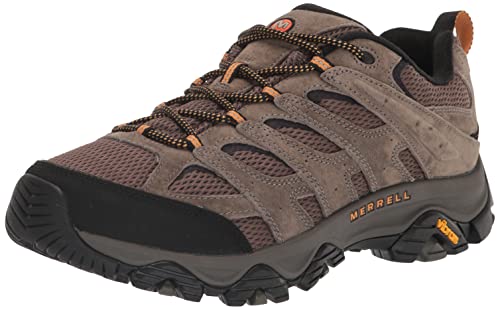
Merrell Men’s Moab 3 Hiking Shoe

Merrell Men’s Moab 3 Mid Hiking Boot

Merrell Men’s Moab 3 Mid Waterproof
Inside Each Recommended Option
The SCARPA Mojito Wrap borrows heavily from the brand’s climbing heritage, with a low-profile last that hugs the foot rather than swallowing it. It’s the kind of shoe that feels closer to a casual sneaker than a trail machine, which makes it a natural fit for paved-to-dirt transitions on weekend outings.
Compared to the bulkier ASOLO Space GV covered later in this list, the Mojito Wrap trades serious-load support for nimble ground feel. You lose some rock-plate confidence but gain a shoe that disappears on your foot after a few miles.
Bright Spots
- Low-volume last works well for narrower feet where the Merrell Moab 3 tends to feel roomy.
- Climbing-shoe DNA gives confident edging on rocky approach sections.
- Light enough to wear as an everyday sneaker without that “trail shoe” clomp.
- Suede-and-mesh construction breathes reasonably well for shoulder-season hikes.
Things To Consider
- Not built for hauling a heavy pack on multi-day trips where ankle and arch support matter more.
- Suede uppers need occasional cleaning and a light waterproofing spray to stay looking sharp on damp trails.
Who It Suits Best
Walkers and light hikers who want a versatile, low-profile shoe for travel, casual trails, and approach walks without the bulk of a true hiker.
Skip It When
You’re logging longer miles with a full pack, in which case the Merrell Men’s Moab 3 Hiking Shoe will serve you far better.
The Columbia Konos TRS leans into breathability, pairing a mesh upper with no-sew overlays that hold the foot in place without adding weight. If your hiking season skews toward late spring through early fall, this shoe keeps airflow moving while still giving you the underfoot structure of a real trail shoe.
Where the SCARPA Mojito Wrap focuses on nimble ground feel, the Konos TRS emphasizes cushioning and a stable ride on longer, flatter terrain. It’s a sensible middle ground for hikers who don’t need ankle coverage but do want a more substantial platform than an approach shoe.
What It Does Well
- Mesh construction keeps feet cooler than the suede SCARPA Mojito Wrap on hot days.
- Underfoot system blends cushioning with stability, helping on mixed terrain walks.
- Wet-or-dry traction (the grip compound is engineered for both conditions) gives confident footing on damp roots and slabs.
- Multiple color options make it easy to match the shoe to casual wear off the trail.
Trade Offs
- Mesh upper soaks through quickly in standing water; not a substitute for a waterproof hiker in wet climates.
- Lighter build means less rock-plate protection than burlier picks like the ASOLO Space GV.
Made For
Warm-weather hikers and trail walkers who prioritize breathability and a cushioned ride over waterproofing or ankle support.
Look Elsewhere When
You regularly hike through creek crossings or wet brush, where the Merrell Men’s Moab 3 Mid Waterproof will keep your socks drier.
ASOLO has long been a go-to for European hikers, and the Space GV distills that durability DNA into a low-cut silhouette. The shoe reads as a serious piece of footwear, with a structured build that feels reassuring underfoot on long days and uneven ground.
It’s noticeably more substantial than the Columbia Konos TRS, with stiffer construction that rewards longer miles and heavier loads. Trade-off: you give up some of the nimbleness that makes the SCARPA Mojito Wrap so fun on easier terrain.
Noteworthy Benefits
- Durable construction holds up well over multiple seasons of regular use, a step up from entry-level trail shoes.
- Stiffer platform provides solid rock-plate-like protection under sharp terrain.
- More secure foot containment helps when descending steep, loose trails with a loaded pack.
Points To Keep In Mind
- Heavier and stiffer than the Merrell Moab 3, so it isn’t ideal if you want a shoe that feels like a sneaker.
- Break-in period can run longer than lighter options; expect a few hikes before the leather-like panels soften.
Feature Snapshot
Right Fit For
Day hikers tackling tougher routes with a small pack, who want a more robust build than a casual trail shoe offers.
Reach For A Different Pick When
You mostly want a comfortable all-rounder for casual use, in which case the Merrell Men’s Moab 3 Hiking Shoe will feel more forgiving out of the box.
The Merrell Moab line has earned its reputation through years of refinement, and version 3 continues that tradition. You get a supportive insole, a noticeably cushioned midsole, and a grippy Vibram outsole (Vibram is a well-known Italian rubber-compound maker prized for trail traction) that handles loose dirt, wet rock, and packed trail with equal confidence.
Against the lighter Columbia Konos TRS, the Moab 3 feels more substantial underfoot. Against the burlier ASOLO Space GV, it feels friendlier right out of the box. That balance is exactly why it’s a default pick for so many hikers.
Features That Help
- Famous out-of-the-box comfort means short break-in and immediate trail use.
- More supportive insole than earlier Moab versions, helping on longer days.
- Versatile enough for trail, dog walks, and travel with one shoe doing it all.
Room For Improvement
- Standard Moab is not waterproof; expect damp feet in puddle-heavy conditions.
- Some hikers find the toebox a bit roomy, especially compared to the snugger SCARPA Mojito Wrap.
Best Suited To
Anyone who wants a trusted, do-everything hiking shoe that handles varied terrain without specialized trade-offs.
A Better Fit Elsewhere
Hikers heading into consistently wet environments will get more value from the Merrell Men’s Moab 3 Mid Waterproof.
The Moab 3 Mid adds ankle coverage without jumping all the way to a full boot, which makes it a smart pick for uneven terrain, creek-side scrambles, and hikers who want extra stability without giving up mobility. It’s the same Moab fit and feel most hikers already trust, just with a taller collar.
Compared to the low-cut Moab 3, you’re trading some agility for security on uneven ground. Compared to the waterproof version covered next, you lose wet-weather protection but gain a lighter, more breathable build for dry-to-mixed conditions.
Where It Helps
- Ankle collar adds confidence on rocky descents and sidehill traverses where low-cut shoes can feel tippy.
- Same supportive insole and cushioned midsole as the low-cut Moab 3 for a familiar feel.
- Vibram outsole grips well on loose and uneven surfaces.
- Mid height works well in shoulder seasons when extra warmth and debris protection matter.
Less Ideal Details
- Not waterproof, so wet grass and shallow streams will still soak through.
- Mid shaft runs warmer than the low-cut Moab 3 in summer heat.
Perfect Match For
Hikers dealing with rocky or uneven terrain who want ankle stability without committing to a full backpacking boot.
Consider Something Else When
You mostly hike on flat, well-groomed trails where the low-cut Merrell Men’s Moab 3 Hiking Shoe will be cooler and lighter.
The Waterproof Moab 3 Mid rounds out the lineup by solving the one complaint hikers often have with the standard Moab: soggy feet. With a waterproof membrane and the same mid-cut silhouette, it’s a sensible choice for damp climates, stream crossings, and shoulder-season rain.
Compared to the non-waterproof Moab 3 Mid, you’ll trade some breathability for dry feet. Compared to the ASOLO Space GV, you’ll get a friendlier out-of-box fit at the cost of long-term ruggedness.
Points In Its Favor
- Waterproof membrane keeps socks dry through wet grass, puddles, and brief stream crossings.
- Mid-cut ankle collar adds stability on uneven, slick surfaces.
- Same Vibram outsole grip that the Moab line is known for.
- Supportive insole and cushioned midsole carry over from the standard Moab 3.
Honest Caveats
- Waterproof membranes reduce breathability, so feet run warmer in summer.
- Heavier than low-cut options, which can fatigue feet on long, flat approaches.
- Waterproofing can degrade over time with heavy use; many hikers find the membrane works well for the first year or so.
Key Product Details
Who Should Grab It
Hikers in wet climates or those tackling shoulder-season trails where rain, mud, and stream crossings are routine.
Where Another Pick Suits Better
If you hike mostly dry summer trails and want maximum breathability, the Columbia Men’s Konos TRS Shoe will feel cooler on hot days.
What Matters Most Before Choosing Low Top Hiking Shoes For Men
Fit and Foot Shape
Low-top hikers depend heavily on getting the right fit, since there’s no ankle collar to lock the heel down. Narrow feet tend to do well in the SCARPA Mojito Wrap’s tighter last, while average-to-wide feet usually find more room in the Merrell Moab 3. Trying on with the socks you actually hike in makes a real difference, since a thin dress sock and a thick wool hiker will give very different volume.
Terrain and Typical Conditions
Match the shoe to your most common trail, not your fantasy one. Flat, well-groomed paths reward lighter, breathable picks like the Columbia Konos TRS. Rocky, root-strewn routes benefit from the stiffer platform of the ASOLO Space GV. Wet or unpredictable weather calls for the waterproof Moab 3 Mid.
Weight vs. Support Trade-off
Lighter shoes feel great early in a hike and tire your feet less over time, but they usually offer less rock protection and underfoot support. Sturdier models like the ASOLO Space GV add weight but reward heavier loads and rougher trails. Pick based on the longest day you actually plan to do, not the shortest.
Sole Grip and Outsole Compound
Outsoles matter more than people think. A Vibram outsole, like on the Moab 3 family, grips well on wet rock and loose dirt. Cheaper rubber compounds can feel slippery on damp roots and slabs. If your local trails include creek crossings or slick stone, grip deserves real weight in your decision.
Key Considerations Across These Picks
Common Shopping Slip Ups
A lot of shoppers choose hiking shoes based on looks alone, then discover the toebox is too narrow for real trail miles. Others grab a waterproof model for summer hiking and wonder why their feet feel swampy by mile three. Match the shoe’s features to your most common conditions, not the worst-case scenario you might face once a year.
Where The Extra Money Goes
Higher-priced hiking shoes like the ASOLO Space GV put money into stiffer midsoles, more durable uppers, and better-crafted construction that holds up over multiple seasons. Mid-range picks like the Moab 3 spend on proven fit and reliable outsoles instead. The upgrade tends to be worth it when you log real miles weekly; it’s harder to justify for occasional weekend walks.
Frequently Asked Questions
Are low top hiking shoes good for serious trails?
For most day hikes on established trails, a well-built low-top like the Merrell Moab 3 is plenty. For multi-day trips with a heavy pack, rocky off-trail routes, or consistently wet terrain, you may want more support and protection.
Do I need waterproof hiking shoes?
Only if you regularly hike through rain, wet grass, or shallow streams. Waterproof membranes trap heat, so for dry summer trails a breathable shoe like the Columbia Konos TRS is usually more comfortable.
How long should hiking shoes last?
Most quality low-top hikers last around 500 to 800 miles before the outsole and cushioning start to break down. Heavy use on abrasive terrain shortens that, while occasional weekend use can stretch it further.
Can I use hiking shoes for everyday wear?
Yes, most picks here pull double duty well. Just clean off trail dust and mud regularly, and consider rotating pairs so the foam can recover between wears.
Should I size up for hiking shoes?
It’s common to go up about a half size from your everyday shoe to allow for foot swelling on long descents. Your toes should have room to splay without sliding forward on downhill grades.
Bottom Line
Low top hiking shoes live in that sweet spot between a sneaker and a boot: light enough for everyday wear, tough enough for real trails. Start with the terrain you walk most, match the build to your foot shape, and don’t over-buy features you won’t use. The right pair should feel almost invisible on your feet after a few miles.