Twenty-six miles is a long time to argue with your footwear. The right pair disappears under your foot, the wrong one reminds you of every step from mile three onward. This roundup cuts through the noise for runners logging serious training blocks, chasing a new personal best, or stepping onto a marathon start line for the first time.
What follows is a straight look at seven options built for the demands of race day, from carbon-plated speedsters to reliable daily trainers that double up when the calendar turns to race week. Each pick is framed around how it actually feels at pace, not just how it looks on the shelf.
The Main Contenders

ASICS Men’s Noosa TRI 15 Running Shoes

adidas Womens Adizero Boston 13 Running Shoes
Adidas Womens Adizero Boston 13 Running Shoes
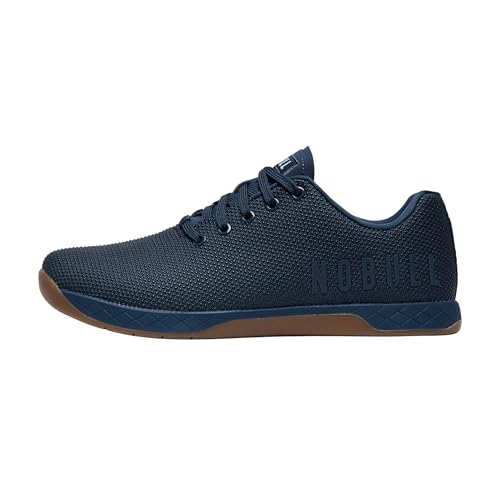
NOBULL Men’s Outwork Shoe

NOBULL Men’s Outwork Edge Shoe

Men’s Track Spikes Lightweight Racing Sprint Shoe

NOBULL Women’s Allday 365 Ripstop Shoe
The Noosa line has always leaned toward multi-sport athletes, and this version carries that DNA forward. Where pure race flats demand perfect conditions, this ASICS option is built for the runner who treats a marathon as one piece of a larger training puzzle that includes bricks, transitions, and shorter races.
For most triathletes heading into a run-heavy marathon block, the appeal is practical: a shoe that handles sweat, quick changes, and varied paces without feeling overbuilt. The trade-off shows up for runners who only ever log road miles, since the tri-friendly geometry is less streamlined than a dedicated road racer like the Adizero Boston 13 covered below.
Where It Excels
- Transition-friendly construction suited to multi-sport training blocks
- Lightweight feel reduces fatigue across long run-walk-run sessions
- Versatile enough to handle shorter races alongside marathon efforts
- Pairs well with runners who rotate shoes across different workouts
Things To Consider
- Less specialized for pure road marathon racing than dedicated racers
- Limited colorway availability may frustrate runners with strong preferences
Who It Suits Best
Multi-sport athletes who need one shoe to bridge triathlon training and a marathon build without swapping pairs constantly.
Consider Something Else When
Runners focused solely on road marathon PRs will find the adidas Adizero Boston 13 a sharper tool for the job.
The Boston series sits in an interesting middle ground: more responsive than a daily trainer, more durable than a pure race-day shoe. This women’s edition brings that hybrid philosophy to marathoners who log real mileage and still want snap when race morning arrives.
What stands out is the dual-foam midsole paired with fiberglass propulsion rods. The rods are rigid inserts embedded in the foam that flex along the natural line of your forefoot, giving you a rolling push-off without the punishing firmness of a carbon plate. Runners who stack easy days, tempo sessions, and long runs in the same shoe will appreciate the balance.
That versatility has a cost: it’s heavier than the Boston 13’s race-focused siblings. For most marathoners training through a winter buildup, that’s a fair trade.
Where It Helps
- ENERGYRODS 2.0 propulsion rods guide a natural, efficient toe-off
- Lightstrike Pro and Lightstrike 2.0 foam layers balance cushion and snap
- Technical mesh upper breathes well across long training blocks
- Durable enough for daily mileage yet quick enough for race day
Honest Caveats
- Heavier than pure carbon-plated race options
- Firmer ride may feel harsh to runners used to max-stack trainers
- Limited colorways in some sizes at any given moment
Feature Snapshot
Made For
Runners who want a single shoe that carries them from tempo Tuesdays to marathon Sunday without a rotation.
Look Elsewhere When
Pure speed seekers chasing the lightest possible racer may prefer the Adidas Womens Adizero Boston 13 in the 6.5 listing, which shares the same platform but fits differently.
This listing of the Adizero Boston 13 covers the same platform reviewed above, but in a 6.5 size, which is the most telling detail for many shoppers. Half sizes matter on race day, and a small gap at the toe can turn into a blister at mile 22.
Where the size 6 version suits runners with a snug fit preference, this 6.5 option opens up breathing room for wider forefeet or thicker socks on cold start lines. The midsole geometry, fiberglass rods, and dual-foam setup carry over unchanged.
You may find that the technical mesh upper feels slightly different at this size because the volume scales with length, but the ride remains the same.
Where It Delivers
- Same proven ENERGYRODS 2.0 propulsion system as the 6.0 listing
- Lightstrike Pro and Lightstrike 2.0 midsole blend for energy return
- Technical mesh upper manages heat during marathon-effort runs
- Stable platform helps runners who pronate mildly at mileage
Points To Keep In Mind
- Sizing runs slightly narrow for some runners with wider feet
- Heavier than dedicated marathon super-shoes in the same brand family
Quick Facts
Best Suited To
Runners whose foot falls between standard sizes and who want a half-size up from the 6.0 listing reviewed earlier.
Skip It When
Cross-training athletes should consider the NOBULL Men’s Outwork Shoe, which handles gym work far better than this road-focused runner.
NOBULL built its reputation on shoes that survive abuse, and the Outwork carries that reputation into the running space. For marathoners who cross-train hard, lift between track sessions, and need one shoe that takes the hits, this is a sensible pick.
Unlike the Adizero Boston 13 reviewed above, this isn’t a road-racing tool. It’s a hybrid trainer with a grippy outsole, durable upper, and a stable midsole that handles box jumps as gracefully as easy five-milers. Runners who run commute, train, and recover in the same pair will appreciate the rugged build.
The honest read is that pure marathoners will want more cushion and less weight on race day itself, but for training blocks, this is a tank.
Everyday Wins
- Tough outsole grips well on mixed surfaces including gravel paths
- Reinforced upper holds up to lifting, rope work, and daily wear
- Stable midsole supports runners who need mild motion control
- Versatile across gym sessions, recovery runs, and travel days
Where It May Fall Short
- Heavier than dedicated road racing shoes for race day use
- Less responsive foam than carbon-plated marathon racers
- Runners prioritizing speed will find it overly firm for tempo work
Key Product Details
Perfect Match For
Cross-training marathoners who want a shoe that survives lifting, plyometrics, and recovery runs without falling apart.
Reach For A Different Pick When
Pure road racers chasing a marathon PR should consider the adidas Adizero Boston 13 instead, which offers more responsive foam for race pace.
The Outwork Edge takes the Outwork formula and pushes it toward a more running-friendly profile. Where the standard Outwork leans heavy into gym and CrossFit use, this version softens the edges, literally and figuratively, for athletes who split time between lifting and longer runs.
For most runners, this shoe sits in an unusual middle category. It handles a 10-mile long run without beating up the feet, then takes you straight into a strength session without needing a shoe change. The same story applies to anyone training for a marathon while maintaining a serious lifting practice.
What it isn’t, however, is a race-day tool. The Edge favors durability over outright speed, and marathoners targeting a Boston Qualifier will want something lighter on race morning.
Useful Touches
- More forgiving midsole than the standard Outwork for longer runs
- Grippy outsole transitions well from gym floors to outdoor paths
- Stable heel pocket supports lifts like deadlifts and squats
- Durable build holds up across varied training environments
Trade Offs
- Still heavier than dedicated road running shoes
- Not a substitute for a carbon-plated marathon racer
- Limited cushion depth for runners who prefer max-stack shoes
Who Should Grab It
Hybrid athletes who balance marathon training with serious strength work and want one shoe that handles both well.
A Better Fit Elsewhere
Runners logging pure mileage with little gym time will find the adidas Adizero Boston 13 a more road-tuned option.
This spike from RROCDTE is built for a narrow slice of running: track work, short races, and pure speed sessions. It’s not a marathon shoe, but for marathoners whose training plans include track intervals, sprint drills, and jumping work, it earns a place in the rotation.
The appeal is brutally simple. Spikes dig into the track or grass for traction that road shoes can’t match, and the lightweight build disappears on foot during high-intensity efforts. You may find it unforgiving over longer distances, which is the point, since it’s not designed for them.
Where it differs from the rest of this list is the use case. Every other pick here can handle a marathon. This one can sharpen the speed that gets you to the marathon start line faster.
The Helpful Details
- Lightweight construction reduces fatigue during interval workouts
- Spike plate delivers aggressive traction on track surfaces
- Suited to sprinting, jumping, and short-distance racing
- Budget-friendly entry into spike-style training shoes
Practical Considerations
- Not designed for marathon distances or long road runs
- Minimal cushioning can punish runners on hard surfaces
- Spike installation requires care to avoid plate damage
- Limited versatility outside track and field environments
Feature Rundown
The Right Fit
Marathoners who include weekly track workouts, sprint drills, or cross-training in their build.
Swap It Out When
Road-only marathoners should reach for the ASICS Men’s Noosa TRI 15 instead, which handles road mileage far better.
The Allday 365 closes out this list with a different proposition entirely. Where the previous picks were built for specific workouts or specific race days, this one earns its spot as the shoe marathoners reach for on rest days, recovery walks, and post-run errands.
The ripstop upper, a tightly woven fabric that resists tearing, handles daily abuse without showing wear. For runners whose feet need a break from carbon plates and foam stacks but still want a shoe that looks intentional, this lands in a useful middle ground.
Comparing it to the Adizero Boston 13 above highlights the trade-off: that shoe is built to run fast in, this one is built to recover in. Both have a place in a serious marathoner’s closet.
Notable Upsides
- Ripstop upper resists abrasion from daily wear
- Comfortable enough for long days on your feet
- Stylish enough to wear outside the gym or track
- Lightweight feel prevents foot fatigue during errands
Less Ideal Details
- Not designed for actual running workouts
- Less structured support than a performance running shoe
At A Glance
Whose Shelf It Belongs On
Marathoners who want a recovery-day shoe that’s comfortable, durable, and stylish enough for casual wear.
Where Another Pick Suits Better
Runners who log daily mileage need the adidas Adizero Boston 13, not a lifestyle shoe like this one.
What Matters Most Before Choosing Marathon Race Day Shoes
Race day footwear decisions usually break down into three buckets: the carbon-plated racer built for pure speed, the tempo trainer that doubles as a daily workhorse, and the cross-training shoe that handles whatever your week throws at it. Knowing which bucket you fall into matters more than chasing the latest release.
Your training volume shapes the call. Runners logging 50+ miles a week benefit from a dedicated marathon racer for race day and a separate daily trainer for everything else. Lower-volume runners often do better with a single versatile option like the Adizero Boston 13, which handles tempo, long runs, and race day without forcing a rotation.
Fit First, Everything Else Second
Half a size can decide your race. Most marathoners go up half a size from their daily trainers to allow for foot swelling around mile 18. The two Adizero Boston 13 listings above show why half sizes matter, since the same shoe at 6 and 6.5 fits very differently once your feet heat up.
Match the Shoe to the Surface
Road marathons call for road shoes with responsive foam. Trail ultras need grip and protection. Track sessions like the spike covered above demand something entirely different. Running your marathon miles in the wrong shoe type is one of the fastest ways to ruin a training block.
Rotation Beats Specialization
Most serious runners do better with two or three shoes rotated through the week. A soft daily trainer for easy days, a firmer shoe for tempo work, and a race-day tool for the marathon itself. Trying to force one shoe to do everything usually means compromises across the board.
Key Considerations Across These Picks
Wrong Turns To Avoid
The most common mistake is buying a race-day shoe too early in the training cycle. Marathoners who buy their racer in January and log 300 miles in it before race day often arrive at the start line in a worn-out shoe with dead foam. Save race-day shoes for the final three to four weeks of training, then let them shine on race morning.
Another trap is ignoring width. The Adizero Boston 13 fits many runners beautifully and frustrates others with wider feet. Sizing up helps in length but not always in volume. Trying shoes on later in the day, when feet are slightly swollen, gives a more honest fit preview.
Where The Extra Money Goes
Premium marathon shoes cost more because of the foam compounds, plate materials, and engineering that go into them. Carbon-plated racers use proprietary foams that compress and rebound differently than budget options, and the plates themselves are tuned to specific flex patterns.
For most runners chasing a PR, the upgrade pays off in the final 10K of a marathon, when tired legs need all the help they can get. For runners logging steady training without racing ambitions, a mid-tier trainer delivers most of the benefit at a fraction of the cost.
Frequently Asked Questions
How many miles should a marathon race shoe last?
Most carbon-plated racers are built to handle 100 to 200 miles before the foam and plate lose their snap. Daily trainers can stretch to 400 to 500 miles. Saving your race-day shoes for actual race day keeps them fresh when it counts.
Should I race in the same shoe I train in?
Many runners do, especially when using versatile trainers like the Adizero Boston 13. Others prefer a dedicated race-day shoe with a carbon plate for the marathon itself. Both approaches work; the dedicated racer offers more snap, while the training-only option saves money.
Do spikes help marathon performance?
No, spikes are designed for track and short-distance events. Wearing spikes for a marathon would be miserable and could cause injury, since the minimal cushioning isn’t built for 26 miles of road.
How much should I budget for marathon race day shoes?
Race-day carbon-plated shoes typically sit at the higher end of the running market, while versatile trainers like the Boston 13 occupy a middle tier. Cross-training shoes like the NOBULL options often cost less than dedicated racers. Your budget depends on how much racing matters to your goals.
When should I buy my race day shoes?
Aim to buy race-day shoes about four to six weeks before your marathon. That gives you time to break them in on a few short runs and shake out any fit issues before the start line.
Bottom Line
A great marathon shoe disappears under your foot. Whether that’s a snappy carbon racer, a versatile trainer like the Adizero Boston 13, or a hybrid like the NOBULL Outwork, the right pick matches your training, your foot, and your goals. Trust the shoe that feels invisible on your easiest runs. That’s the one that will carry you through the hardest miles when race day arrives.