Working through pregnancy brings a familiar frustration: the feet swell, the back aches, and most office-friendly shoes suddenly pinch by mid-afternoon. The right pair removes a layer of that daily negotiation, letting you focus on the work instead of your feet. This roundup gathers four solid options covering flats, loafers, sneakers, and purpose-built pregnancy footwear, so you can match your job, your shift length, and how your feet are changing.
The Choices Worth Comparing
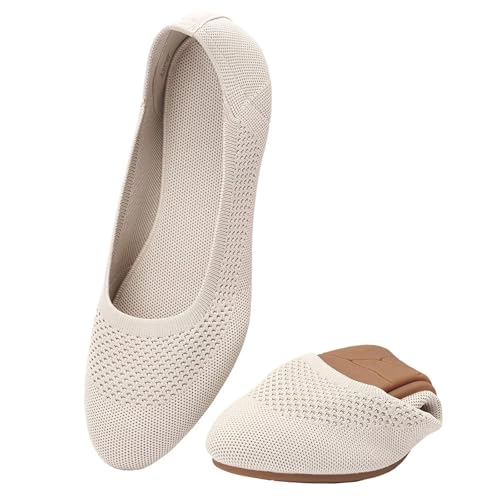
poemlady Women’s Wide Knit Ballet Flats Slip On

STQ Fur Lined Slip on Loafers with Arch Support

konhill Womens Slip On Sneakers Lightweight Knit
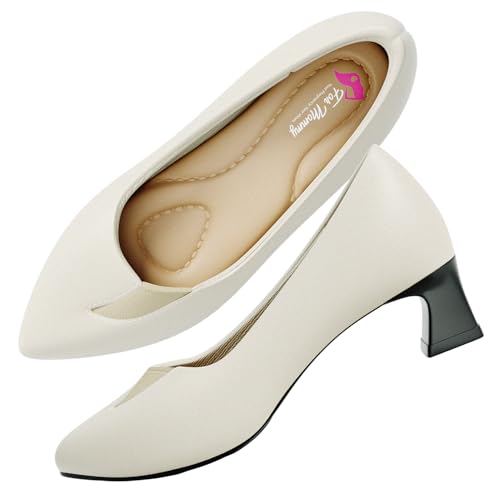
for Mommy Pregnancy Shoes for Swollen Feet
More Details On Our Top Picks
The poemlady ballet flat sits in that useful middle ground between dressy and forgiving. The woven knit upper stretches gently over the forefoot, which matters once your feet swell through the second trimester, and the round toe box avoids the pinching you get from pointed silhouettes on long meetings.
For desk-based roles, client lunches, or any workplace where sneakers read as too casual, this slip-on earns its keep. Compared with the STQ loafer later on, the trade-off is less structured arch support, but you gain a softer, more office-appropriate look. For most office days, that’s the right call.
Strengths Worth Knowing
- Stretchy knit upper accommodates fluctuating foot volume across the day.
- Slip-on entry means no bending down to tie laces when your belly gets in the way.
- Low-profile silhouette pairs with trousers, dresses, and skirts for formal settings.
- Lightweight build reduces that end-of-shift heaviness under desk setups.
Things To Consider
- Knit fabric can hold odors in warm weather, so a weekly airing-out routine helps.
- Arch support is minimal, so wearers with high arches may want a slim insert.
Who Will Love This
Office-based professionals who want a polished look without compressing swollen feet on dress-code-heavy days.
Look Elsewhere When
The STQ Fur Lined Slip on Loafers suit you better when your shift involves long stretches of standing or walking on hard floors.
Where the poemlady flat trades structure for softness, the STQ loafer leans the other way. The removable arch support insole is the headline feature: pull it out and replace it with a custom orthotic, or keep it in for a more guided step during long retail, healthcare, or teaching shifts.
The canvas body and fur-lined interior make this a strong cold-weather pick for chilly offices and drafty floors. Versus the konhill sneaker further down the list, the silhouette feels more grown-up, though it is heavier and warmer. You may find that warmth welcome in winter and a bit much in summer.
What Makes Sense
- Removable arch insole lets you swap in custom orthotics as your feet change.
- Fur lining adds warmth for cool offices, clinics, and early-morning commutes.
- Slip-on construction saves you from tying laces when bending is uncomfortable.
- Canvas upper breathes better than synthetic leather during long indoor shifts.
Worth Noting
- Not ideal for hot climates, since the fur lining can feel heavy in warm weather.
- Sizing can run narrow, so trying on with the type of sock you plan to wear matters.
- The loafer profile reads more casual than the poemlady flat in formal settings.
Best Suited To
Healthcare workers, teachers, and retail staff who stand for hours and need arch guidance more than a sleek silhouette.
Swap It Out When
The poemlady Women’s Wide Knit Ballet Flats suit you better on dress-code days when warmth is the wrong trade-off.
The konhill sneaker earns its place when your workday involves real movement, think hallways between classrooms, hospital rounds, or a multi-floor commute. The knit upper breathes well, the slip-on entry is effortless, and the lightweight feel reduces foot fatigue when you are on the move.
Where the for Mommy pregnancy shoe focuses on swelling accommodation, the konhill leans into walkability. For roles with a flexible or casual dress code, this reads as appropriate. In a strict corporate environment, the sneaker profile may feel out of place next to tailored outfits.
Features That Help
- Knit construction stretches with swelling feet across a long shift.
- Lightweight sole reduces drag on long walks between meetings or buildings.
- Slip-on entry avoids lacing when bending is awkward in later trimesters.
- Casual silhouette fits creative offices, schools, and active workplaces.
Trade Offs
- Less structured than the STQ loafer, so high arches may want added support.
- Sneaker profile looks out of place in formal offices with strict dress codes.
- Knit uppers can trap moisture, so rotating pairs helps with odor control.
Made For
Active workers, commuters, and educators who log thousands of steps a day and want breathable comfort over polish.
Reach For A Different Pick When
The for Mommy Pregnancy Shoes for Swollen Feet suit you better if your swelling is severe and you need purpose-built stretch.
This is the only entry on the list built from the ground up for pregnancy. The stretchable patented design addresses the specific problem of late-trimester swelling, and the wide, non-slip build helps if your balance is shifting or your workplace has smooth, slick floors.
Versus the poemlady flat, you trade a polished office silhouette for genuine accommodation. For workdays in the third trimester, that trade usually makes sense. The honest read is that styling is more functional than fashionable, but on days when fit matters most, comfort wins.
Points In Its Favor
- Stretch construction adapts to significant swelling throughout the day.
- Wide fit prevents the afternoon pinching common in regular flats.
- Non-slip outsole supports balance shifts and slick hospital or retail floors.
- Designed specifically for pregnant feet rather than adapted from standard footwear.
Honest Caveats
- Style is functional rather than corporate, which can clash with dress codes.
- Less arch structure than the STQ loafer for all-day standing roles.
- Stretch fabric may relax over months of heavy use, so durability varies.
Quick Technical Notes
The Right Fit
Late-pregnancy workers managing noticeable swelling who value function over formal styling.
Skip It When
The konhill Womens Slip On Sneakers Lightweight Knit suit you better in early pregnancy when swelling is mild and you want more versatility.
What Matters Most Before Choosing Maternity Work Shoes
Foot Shape and Swelling Patterns
Feet change shape throughout pregnancy, often gaining a half size or more. Choose shoes with a forgiving upper, knit, canvas, or soft leather, rather than rigid materials that fight swelling. The for Mommy entry and the poemlady knit flat both lean into stretch, while the STQ loafer offers more structure for those who want guidance.
Work Surface and Hours on Your Feet
A desk-bound office day calls for a different shoe than a hospital shift or retail floor. For eight hours of standing, prioritize arch support and a non-slip sole, which is where the STQ loafer or for Mommy shoe shines. For seated roles with occasional meetings, the poemlady flat’s lighter profile is more comfortable.
Dress Code Realities
Your workplace culture matters as much as comfort. Strict corporate settings narrow the field toward flats and loafers. Casual or creative offices open the door to knit sneakers. Picking a shoe your employer reads as appropriate removes a daily mental tax on top of the physical one.
Slip Resistance and Balance
Pregnancy shifts your center of gravity, and a non-slip outsole becomes more important than it was before. Smooth hospital corridors, polished retail floors, and kitchen tiles all benefit from treaded rubber. This is a small spec with outsized safety value during the third trimester.
Key Considerations Across These Picks
Mistakes Worth Dodging
Choosing pre-pregnancy size is the most common slip-up. Feet swell unpredictably, and shoes that fit in month four can pinch badly by month seven. Shop later in the day when swelling peaks, and leave a thumb’s width of room at the toe. Skipping non-slip outsoles is another frequent oversight, especially for workers on polished floors.
When Paying More Pays Off
Higher-tier maternity shoes typically invest in better arch support, more durable outsoles, and stretch fabrics that hold their shape across months. For a nine-month pregnancy worked full-time, that durability translates to fewer replacements and better joint comfort. Spending more usually pays off when you stand all day, since cheaper flats compress and lose cushioning fast.
Frequently Asked Questions
When should I switch to maternity work shoes?
Most wearers benefit from switching once regular shoes feel tight by mid-afternoon or earlier in the day than before. Early second trimester is a common starting point for proactive shoppers.
Are flats safe for standing all day during pregnancy?
Flats work for light standing but usually lack the arch support needed for full shifts. Pair flats with supportive insoles, or rotate in a loafer or sneaker on longer days.
How much should maternity work shoes stretch?
A thumb’s width at the toe is a reasonable target. Enough room to accommodate swelling without the foot sliding around inside the shoe, which can affect balance.
Can I wear the same maternity shoes after pregnancy?
Many stretchable pairs return to a snugger fit once swelling recedes, though fabric memory varies. Loafers and sneakers with removable insoles often transition most cleanly into postpartum wear.
Do non-slip outsoles really matter for office work?
Yes, especially on polished floors, in kitchens, or anywhere a wet spot can appear. Non-slip tread is a small detail that pays off in real-world slip prevention.
Closing Remarks
The honest read is that no single shoe handles every trimester, every shift, and every dress code. Match the pick to your specific job and where you are in pregnancy, and your feet will thank you by mid-afternoon. A small investment in the right pair now removes a layer of daily fatigue that compounds across the weeks ahead.