Spending eight or ten hours on a shop floor or garage slab punishes feet like nothing else. Concrete leaches warmth, finds every weak midsole, and turns a small cut or stub into a long week. The right pair of mechanic shoes cushions that load, grips oil spots, and keeps your toes intact when a caliper slips.
The six pairs below were picked for the realities of standing and kneeling on hard ground: cushioning underfoot, tread that actually bites greasy concrete, and protection that fits the way a real workday feels.
A Fast Comparison Of The Options

Wolverine W03123 DuraShock SR-M

Skechers Cottonwood Cantix 200251
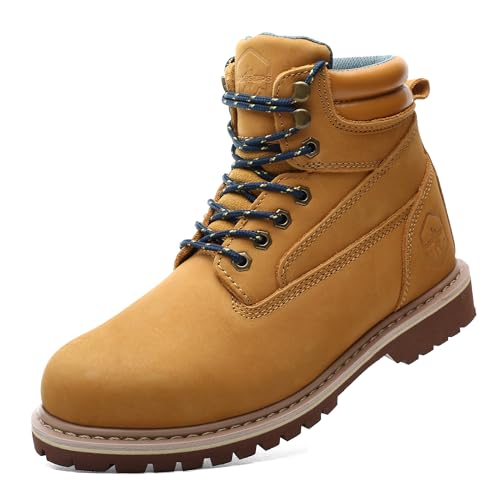
TOUGHSTEPS 6″ Soft Toe Work Boots

LAoutun Steel Toe Work Sneakers

GUYISASH Steel Toe Industrial Shoes
LAoutun Steel Toe Safety Sneakers
Why These Options Stand Out
The Wolverine W03123 sits at the heavy end of this list, and that’s the point. Built as a work and utility boot with a steel toe, it aims at people who treat the shop floor like a second home and need something that absorbs punishment over months, not weeks.
Compared with the Skechers right behind it, this boot trades a soft slip-on feel for a stiffer, more protective platform. Full-shift mechanics, welders, and anyone walking rebar-strewn job sites will appreciate the structural backbone. For most home garages, the build may feel like overkill, but that headroom is exactly what long workdays on concrete call for.
The Upside
- Steel toe rated for industrial impact and compression hazards on busy shop floors.
- Slip-resistant outsole tuned for oily concrete, a real win during winter service work.
- Rugged upper that resists scuffs when you brush against lift arms and rolling carts.
- Reinforced construction that tends to outlast softer alternatives by a full season or more.
Things To Consider
- Break-in stretches past a few shifts, so sore arches in week one are common.
- Heavier than the sneaker-style options, which adds fatigue on stairs and ladders.
Who It Suits Best
Professionals standing eight-plus hours daily in a repair shop or industrial plant.
Where Another Pick Suits Better
The Skechers Cottonwood Cantix 200251 fits light-duty service and food prep better when comfort trumps impact protection.
The Skechers Cottonwood Cantix leans the opposite direction from the Wolverine. It looks like a relaxed oxford but hides workplace safety features in a low-profile silhouette. The memory foam footbed does the heavy lifting when shifts stretch long.
This makes it a natural pick for healthcare, food service, and lighter shop roles where you spend hours walking rather than lifting. The relaxed fit through the toe box reduces pinch points during long shifts. If your work never involves dropped tools or rolling stock, this comfort-first profile can outperform a heavy boot on tired feet.
Useful Strengths
- Memory foam cushioning that softens the constant impact of hard concrete floors.
- Electrical hazard rated design that adds protection around live circuits in service areas.
- Slip-resistant outsole aimed at kitchen grease and shop spills alike.
- Roomy toe box that accommodates wider feet and reduces hot spots on long walks.
Worth Noting
- No steel toe, so heavy falling parts remain a real risk.
- Lighter build can feel thin when kneeling on cold concrete for extended repair work.
Made For
Service and food-industry workers prioritizing all-day comfort over impact protection.
Look Elsewhere When
Wolverine W03123 DuraShock SR-M makes more sense for heavy mechanical work with falling tool hazards.
The TOUGHSTEPS six-inch boot goes old-school on you: leather upper, rubber outsole, soft toe. That profile says outdoor and wet-floor work more than it says fast-paced shop environment, but it earns its place for cold, damp garages.
Where the Skechers favors slip-on ease, this boot straps you in for ankle support during long stretches on uneven surfaces. You may find the soft toe limiting in heavy shops, yet the water-resistant finish keeps your socks dry on wet floors. The honest read is that this is a tough, no-nonsense boot for those who like traditional work boot construction.
Useful Touches
- Water-resistant leather upper that sheds puddles and spilled coolant.
- Six-inch shaft that supports the ankle on ladders and uneven shop floors.
- Rubber outsole engineered to grip slick surfaces around wash bays.
Trade Offs
- Soft toe design won’t stop a heavy dropped wrench the way a steel toe will.
- Leather requires occasional conditioning to prevent cracking in dry shop environments.
Quick Facts
Best Suited To
Garage and outdoor workers dealing with wet or cold concrete more than dropped parts.
Consider Something Else When
Wolverine W03123 DuraShock SR-M is the better fit when steel toe protection is non-negotiable.
The LAoutun steel toe sneaker takes the running-shoe approach to workshop footwear. Lightweight knit or mesh upper, low profile, steel toe hidden inside. It moves like an athletic shoe but carries the protection most shops demand.
This is the pick for folks who cover a lot of ground. Warehouse pickers, delivery drivers, and floor staff bounce between stations all day and prefer sneaker agility over boot structure. You trade the ankle support of the TOUGHSTEPS for speed and lightness. Depending on your shift length, the lighter feel can be the difference between fresh legs and heavy feet by closing time.
Notable Upsides
- Steel toe protection without the weight of a traditional work boot.
- Lightweight build that reduces foot fatigue during high-mileage shifts.
- Sneaker-style fit that slips on quickly between jobs.
Points To Note
- Low cut offers little ankle protection on uneven ground or outdoor sites.
- Mesh-style uppers can absorb oil and coolant spills more readily than leather.
Who Will Love This
Warehouse and logistics workers who walk miles but rarely face heavy falling hazards.
Skip It When
TOUGHSTEPS 6″ Soft Toe Work Boots are a better match for outdoor or wet-site environments.
The GUYISASH steel toe shoe sits in the practical middle of this list. It’s built for basic industrial safety without the brand-name price tag, and it covers the essentials most entry-level shop work requires.
Compared with the LAoutun sneaker right above it, this one typically leans toward a slightly stiffer build with broader toe protection. It fits the apprentice or shop owner who needs certified toe protection but isn’t sure how often the shoes will see real punishment. If your work is steady rather than extreme, this profile covers the safety box without overcommitting.
A Few Strong Suits
- Steel toe cap that meets common industrial safety requirements.
- Accessible price point that suits first-time shop owners.
- Work-appropriate styling that reads professional on the shop floor.
Honest Caveats
- Cushioning tends to feel basic compared with Skechers’ memory foam approach.
- Long-term durability can vary, so rotating between two pairs helps extend life.
The Right Fit
New shop owners and apprentices outfitting a first set of safety gear.
A Better Fit Elsewhere
LAoutun Steel Toe Work Sneakers win when lighter weight matters more than a traditional work shoe feel.
The second LAoutun entry shifts the formula slightly toward flexible knit construction and a mobile technician’s needs. It keeps the steel toe and sneaker feel of its sibling but leans further into athletic shoe territory.
Where the GUYISASH option focuses on traditional industrial looks, this one prioritizes stretch and breathability. Mobile techs who hop in and out of a van, plus service workers who rarely stand in one place, get the most from this profile. The trade-off is less structure for those who kneel constantly, so your work posture matters.
What Helps Most
- Flexible upper that bends naturally when crouching under dashboards.
- Steel toe protection without bulk, useful for agile movement.
- Breathable construction that reduces sweat buildup during long shifts.
- Sneaker-like traction that handles smooth warehouse floors comfortably.
Small Caveats
- Knit uppers can snag on sharp metal edges in busy shops.
- Toe cap can feel roomier than expected, so trying before committing is wise.
Perfect Match For
Mobile technicians and field service workers who value agility over armor.
Reach For A Different Pick When
Wolverine W03123 DuraShock SR-M is the smarter call for fixed-location heavy mechanical work.
Picking The Right Pair For Your Shop Floor
Concrete rewards the wrong shoe quickly. The first thing worth weighing is the toe protection level: steel toe caps guard against dropped tools and rolling stock, while soft toe builds trade that for lighter weight and quicker break-in. Match the protection to your worst-case scenario rather than your average day.
Next, consider outsole grip. Slip resistance, a specific compound designed to channel fluids away from the contact patch, matters more on concrete than on any other surface, because oil, coolant, and water all pool there. A flat, hard outsole turns a small spill into a long slide.
Cushioning and fit come down to shift length. Memory foam and relaxed toe boxes help during ten-hour days. Heavier builds suit shorter, more intense shifts. Ankle height plays a role too, since six-inch shafts add stability but reduce mobility. Walking-heavy roles favor low tops, while uneven terrain calls for taller boots.
Finally, climate and spill exposure guide material choice. Leather resists water when treated but needs occasional conditioning. Mesh and knit breathe well but soak up oil. Matching the upper to your shop’s messiness saves you a season of soggy socks.
Key Considerations Across These Picks
Pitfalls Shoppers Hit
Many first-time buyers reach for steel toe protection without checking the actual hazards at their station. If you never lift heavy parts, the extra weight is fatigue you don’t need. Others ignore outsole grip and end up nursing a back injury from one slip. The honest move is auditing a normal workday, counting real risks, and matching the shoe to that profile.
What The Upgrade Buys
Stepping up from a budget steel toe to a brand-name work boot usually buys better midsole rebound, longer-lasting tread, and more consistent build quality. For full-time mechanics, that extra durability translates into fewer replacements and less foot pain. Part-time users may not notice the difference, so the upgrade only pays off when your shop time is steady.
Frequently Asked Questions
Do I really need steel toe shoes for working on concrete?
Steel toe protects against impact and compression hazards, like dropped calipers or rolling jacks. If your work involves lifting heavy parts or working around equipment, steel toe is wise. Light service work in a clean shop often gets by with soft toe or composite toe builds.
How long should mechanic shoes last on concrete?
Heavy-duty work boots typically last twelve to twenty-four months under daily shop use. Sneaker-style safety shoes often wear faster, around six to twelve months, since their outsoles are softer. Rotating between two pairs and cleaning off oil extends life noticeably.
Are slip-on safety shoes as protective as lace-up boots?
For most hazards, yes, when both carry the same rating. Lace-up boots offer more ankle support, which helps on uneven ground or ladders. Slip-on styles suit flat floors where agility matters more than ankle stability.
Can I wear running shoes on concrete shop floors?
Running shoes cushion well but usually lack safety toe protection and slip-resistant outsoles rated for oil. Fine for light hobby work, risky around heavy parts or greasy floors. Stick to purpose-built safety footwear for regular shop duty.
How do I clean oil off work shoes?
Wipe fresh oil with a dry cloth, then use mild soap and warm water on leather or a damp cloth on synthetics. Conditioning leather after cleaning prevents cracking. Avoid harsh solvents, since they break down both glue and upper materials.
Bottom Line
The right shoe for concrete is the one that matches your shift, your hazards, and your shop floor. Heavy shop work points toward the Wolverine W03123. Comfort-first roles suit the Skechers Cottonwood Cantix. Sneaker agility fits the LAoutun and GUYISASH options. Pick the profile that matches your real day, and your feet will thank you long after the last job is buttoned up.