Ankle-height shoes sit in a sweet spot that runners, weekend trail takers, and anyone tired of bulky boots tend to overlook. They give you more ankle support than a low sneaker without the weight or stiffness of a full hiking boot, so daily errands, light trail days, and casual office wear all feel natural. The seven options below cover wool-lined casual chukkas, rugged hiking builds, and flexible barefoot designs, each matched to a clear kind of wearer.
A Closer Look At The Lineup

UGG Neumel Chukka Boots

Twisted X Chukka Driving Moc Boot

adidas Terrex Free Hiking Shoe

Columbia Fairbanks Low Hiker

Columbia Newton Ridge Plus II
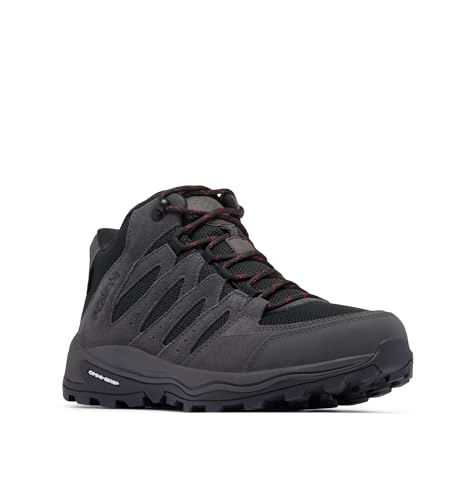
Columbia Redmond IV Mid WP
WHITIN Barefoot W710 Zero Drop
Meet The Standout Selections
The Neumel leans into the cozy side of ankle footwear, trading aggressive trail tread for a soft, lining-rich interior that feels at home on cold commutes and weekend errands. Built around a short ankle shaft, it slips under jeans without bunching and works with cuffed chinos for a slightly dressed-up casual look.
Unlike the Columbia picks later in the lineup, the Neumel doesn’t try to be a hiking shoe. It’s a comfort-first chukka with a casual silhouette, which matters if you mostly walk pavement and want warmth over technical grip.
Notable Upsides
- Wool-blend lining (defined as a textile blend with natural insulating fibers) helps feet stay warm on chilly mornings without the heavy feel of full winter boots.
- Low ankle profile slides under pant legs cleanly, so you avoid the bulky stack that taller boots create at the cuff.
- Suede upper softens with wear, taking on a relaxed patina that suits weekend wear.
- Casual styling pairs with denim, joggers, and casual office outfits without looking out of place.
Things To Consider
- Suede upper needs light care to keep water spots and stains from setting, especially in damp climates.
- The soft sole trades traction for comfort, so you’ll want grippier options for actual trail use.
Who It Suits Best
Urban dwellers and casual wearers who want cozy, low-cut style on cool days and won’t take them off-road.
Look Elsewhere When
Trail seekers should grab the Columbia Fairbanks Low instead, since it offers dedicated hiking grip for the same general footprint.
Twisted X built this chukka around a full-grain leather upper, which is the top, outermost layer of the hide and tends to be tougher and longer-lasting than corrected or split leather. The look leans Western-casual, working well with jeans and a flannel on a ranch visit or a Saturday errand run.
The driving moc influence shows up in the heel construction, giving you a slightly broken-in feel out of the box. Pair that with the ankle-height shaft and you get a boot that feels relaxed but still reads like real footwear.
A Strong Showing
- Full-grain leather upper develops character over time and holds up to daily wear far longer than bonded alternatives.
- Driving moc heel shape lets your foot flex naturally, which reduces that stiff boot break-in period.
- Ankle-height shaft pairs with both cuffed denim and casual trousers, so it works for varied outfits.
- Handcrafted feel suits shoppers who want a more character-driven boot over a plain synthetic build.
Worth Noting
- Leather construction asks for occasional conditioning to prevent cracking in dry climates.
- The Western-inspired silhouette isn’t a fit for shoppers wanting a sleeker, urban-only look.
Feature Snapshot
Made For
Shoppers who want a handcrafted casual boot with country styling and don’t mind giving leather a quick wipe-down now and then.
Consider Something Else When
Lightweight hikers should pivot to the adidas Terrex Free Hiking Shoe, since it offers trail-ready grip at a fraction of the weight.
adidas built the Terrex Free for fast hikers who don’t want the bulk of a traditional hiking boot. The result reads like a trail running shoe with extra protection, sitting in the ankle-high zone that’s gaining popularity for fast day hikes and light backpacking.
Where the Twisted X leans into leather character, the Terrex Free goes the other way, using lighter synthetic and mesh construction to keep weight low. The trade-off is faster drying times and a nimbler stride on technical terrain.
Everyday Wins
- Lightweight build reduces fatigue on longer trail days where every ounce adds up.
- Trail-running-inspired geometry gives a nimble feel for rocky, rooted terrain.
- Ankle-high collar adds stability without the stiff, restrictive feel of full hiking boots.
- Synthetic and mesh materials dry faster than full leather after stream crossings or wet grass.
Trade Offs
- Less insulation than leather hikers, so cold-weather comfort drops on winter trails.
- Aggressive trail styling doesn’t blend in well for casual office or restaurant wear.
Best Suited To
Active day hikers and fast packers who treat their feet like trail running gear and want a low-profile ankle ride.
A Better Fit Elsewhere
Wet-climate hikers will be happier in the Columbia Newton Ridge Plus II, which adds a waterproof membrane for rainy shoulder seasons.
Columbia pairs a suede upper with breathable mesh webbing on the Fairbanks Low, which is essentially a leather hiking shoe trimmed down to ankle height. The Techlite midsole handles cushioning, while the Omni-Grip outsole aims for traction on mixed terrain.
Compared to the heavier Newton Ridge Plus II later in the lineup, this model gives up waterproofing in favor of breathability and a lighter ride. For dry summer trails and shoulder-season day hikes, that trade usually works in your favor.
Features That Help
- Mesh webbing panels let heat escape, so your feet stay cooler on warm-weather climbs.
- Omni-Grip outsole is Columbia’s multi-terrain rubber tread pattern, useful on loose dirt and rocky switchbacks.
- Suede leather adds durability at high-wear zones without the heavy feel of full-grain boots.
- Low-cut ankle design keeps weight down for hikers who log miles on groomed trails.
Points To Note
- No waterproof membrane, so wet grass and stream crossings will soak through faster than on the Newton Ridge.
- Suede upper needs light brushing after muddy hikes to keep the nap from matting.
Perfect Match For
Day hikers tackling dry to mildly damp trails who want breathable ankle support without going full boot.
Swap It Out When
Rainy-climate hikers will get more use from the Columbia Redmond IV Mid Waterproof, since it seals out moisture for the same general ankle silhouette.
The Newton Ridge Plus II is Columbia’s workhorse waterproof hiker, built for people who treat trails as a regular habit rather than an occasional outing. The leather upper carries a waterproof membrane inside, so wet conditions stop being a daily wardrobe gamble.
While the Fairbanks Low stays light and breezy, the Newton Ridge Plus II leans into protection. That extra coverage does add weight, but it pays off when you’re dealing with rocky approaches, brushy trails, or sudden rain.
Points In Its Favor
- Waterproof membrane keeps feet dry through puddles, morning dew, and surprise rain on the trail.
- Leather upper adds abrasion resistance for rocky approaches and rough trail edges.
- Ankle-height shaft stabilizes your foot on uneven ground without restricting your stride like taller boots.
- Trusted construction for hikers who keep one pair for years of weekend use.
Honest Caveats
- Heavier than the lighter hikers in this roundup, so it can feel clunky on flat fire roads.
- Waterproofing reduces breathability, meaning warmer feet in summer hiking.
Key Specs
Who Will Love This
Regular hikers in wet or unpredictable weather who want one boot that handles rocks, rain, and long miles without fuss.
Where Another Pick Suits Better
Hot-climate hikers should pick the Columbia Fairbanks Low instead, since the mesh and lighter build breathes better on warm days.
The Redmond IV Mid carries a waterproof build in a mid-cut profile that lands right in the middle of this roundup. It’s the option for hikers who bounce between wet trails, casual weekend walks, and the occasional errand run without wanting a separate shoe for each setting.
Versus the heavier Newton Ridge Plus II, the Redmond IV Mid trims some bulk while keeping the ankle support that makes mid-cut hikers feel planted. The trade is slightly less aggressive protection, which is fine for most maintained trails.
Standout Benefits
- Waterproof construction handles rain, dew, and shallow puddles without soaking through.
- Mid-cut ankle profile gives stability without the stiffness of full hiking boots.
- Casual styling transitions easily from trail to town without looking overly technical.
- Available in multiple colors, so you can match your usual outdoor wardrobe.
Small Caveats
- Less aggressive tread than dedicated backpacking boots, so it’s not the choice for technical off-trail routes.
- Mid-cut height can let debris in on dusty trails without gaiters.
Whose Shelf It Belongs On
Hikers who want one shoe for varied conditions, including casual town wear, and don’t need a technical backpacking boot.
Skip It When
Strict trail runners should grab the adidas Terrex Free Hiking Shoe, since it offers a lighter, nimbler ride for fast outings.
WHITIN’s W710 goes against the grain of this entire roundup. Zero drop means the heel and toe sit at the same height, mimicking how your foot rests on flat ground, and the wide toe box lets your toes spread the way they do barefoot.
The tire-tread-inspired sole adds grip, while the overall ankle cut keeps the shoe flexible. For shoppers curious about barefoot-style footwear without paying premium prices, this entry gives you a low-cost way to test the feel.
Key Advantages
- Zero-drop platform encourages a more natural footstrike, which some wearers find reduces joint discomfort over time.
- Wide toe box gives space for natural toe splay, helpful for wider feet or anyone switching from tapered shoes.
- Flexible sole bends with your foot rather than fighting it, improving ground feel on flat surfaces.
- Accessible price makes it a reasonable starting point for anyone new to barefoot footwear.
Factors To Consider
- Minimal cushioning feels different from traditional shoes, so your calves and feet may feel sore during the first week.
- The barefoot style isn’t built for serious hiking or heavy loads.
- Wide fit may feel sloppy if you have narrow feet.
Quick Facts
The Right Fit
Curious beginners and wide-foot wearers who want a budget-friendly intro to barefoot-style footwear for casual walking and light activity.
Reach For A Different Pick When
Trail-focused shoppers will be better served by the Columbia Fairbanks Low, which provides proper hiking traction and ankle support for real outdoor use.
Picking Mens Ankle Shoes That Match Your Routine
Ankle-height shoes work best when matched to the surface you’ll spend most of your time on. Daily pavement wearers benefit from a casual chukka with a softer sole, while trail regulars need grippy outsoles and stable ankle collars. Climate matters just as much: waterproof builds handle wet seasons but run hot in summer, while breathable mesh dries fast but lets rain soak through.
Fit is the other big lever. Zero-drop and wide-toe designs change how your foot lands, which can take a couple of weeks of adjustment if you’re coming from traditional shoes. Most brands run slightly different in sizing, so trying on similar pairs in-store or checking return policies online saves headaches.
Match The Shoe to The Setting
Casual city wear calls for soft materials and low-profile styling that pairs with jeans and chinos. Look for suede or smooth leather uppers with a thin, flexible sole that doesn’t fight your natural stride. Avoid aggressive lugs if you’ll spend more time on sidewalks than dirt paths.
Weigh Waterproofing Against Breathability
Waterproof membranes block rain and puddles, but they also trap heat and slow drying. Pick waterproofing only if you regularly hike wet trails or commute through rainy weather. For dry climates and summer hiking, breathable builds keep feet more comfortable across longer days.
Pay Attention to Drop and Toe Shape
Drop is the height difference between heel and toe. Zero-drop shoes keep the foot flat, which feels different from the raised-heel design of traditional footwear. Wide toe boxes give toes room to spread, helping wider feet and anyone recovering from tapered shoe wear.
Key Considerations Across These Picks
Where Shoppers Go Wrong
A common slip is buying a hiking-style shoe for casual office wear, then realizing the aggressive tread wears down office floors and looks out of place with chinos. The opposite mistake happens too: grabbing a soft chukka for weekend trail hikes and discovering the smooth bottom can’t grip loose dirt. Matching shoe type to your most common setting avoids both traps. Sizing is another frequent pitfall since ankle-height shoes often fit differently than your everyday sneakers. Always check the return policy before committing.
When Paying More Pays Off
Higher-tier picks in this category tend to use full-grain leather or stronger waterproof membranes, which extend the shoe’s working life across years of regular use. Premium builds also tend to feature better cushioning foams that hold their bounce longer than entry-level EVA, which compresses over time. The upgrade makes sense for anyone wearing the shoe more than three days a week or in tough weather, while casual weekend wearers often do fine with budget-friendly options.
Frequently Asked Questions
Are ankle shoes good for hiking?
Ankle-height hikers work well for day hikes on maintained trails, offering more ankle support than trail runners without the stiffness of full boots. They fall short on rugged backcountry routes with heavy loads.
How do I clean suede ankle boots?
A suede brush lifts dirt without damaging the nap, while a damp cloth handles small stains. Avoid soaking the material, since water can leave marks on untreated suede.
What’s the difference between chukkas and hiking shoes?
Chukkas are casual boots with two or three eyelets and a thinner sole, built for style and light wear. Hiking shoes add traction, support, and often waterproofing for trail conditions.
Do zero-drop shoes help with foot pain?
Some wearers find zero-drop designs reduce joint discomfort by encouraging a flatter foot strike. The change in geometry can cause calf soreness during the first week or two as your muscles adapt.
Can I wear ankle shoes in winter?
Insulated and waterproof ankle shoes handle cold, dry conditions reasonably well. For heavy snow or sub-freezing temperatures, taller waterproof boots offer more protection.
Wrap Up
Ankle-height shoes earn their place when you want one pair that does more than a low-top sneaker without the commitment of a full boot. Match the build to your most common setting, balance waterproofing against breathability for your region, and give any new drop or fit a couple of weeks to settle. The right pick should disappear on your foot within a few wears.