Dance shoes aren’t something you grab off a rack and hope for the best. Your foot has to feel planted during a fast turn, cushioned through a long rehearsal, and free enough at the ball to articulate cleanly. A mismatch shows up fast in the studio. The six picks below cover tap, jazz, ballet, ballroom, and lyrical styles so you can match the shoe to the genre you’re actually dancing.
The Shortlist At A Glance

Stelle Lyrical Shoes Half Soles Pirouettes Dance Canvas Turners

Bloch Men’s Tap Pro
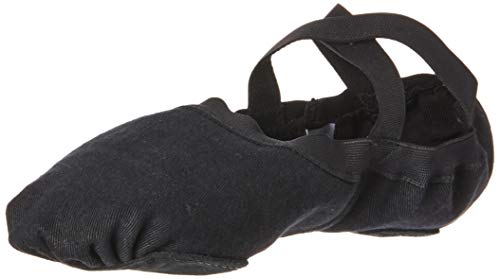
Bloch Men’s Synchrony Dance Shoe (Black)

Linodes Leather Upper Jazz Shoe Slip-On

Very Fine Elektra Women’s Ballroom Salsa Dance Shoes

Very Fine Men’s Dante Ballroom Latin Dance Shoes
The Picks, Examined More Closely
Lyrical and contemporary dancers spend long phrases on releve and demi-pointe, so the half-sole silhouette here strips away material under the arch. That bare midfoot lets the foot articulate cleanly during pirouettes and roll through the ball during sustained extensions. The canvas upper breathes through warm rehearsal halls and stays soft after the first wear.
The cut suits dancers who already understand floor contact and want the foot to look elongated on stage. Beginners may find the lack of full-sole support less forgiving during long technique classes. Compared with the Bloch Men’s Tap Pro below, this is a quieter, more grounded shoe designed for quiet footwork rather than percussive strikes.
Real Benefits
- Half-sole design exposes the arch for cleaner lines and easier spotting during turns.
- Canvas upper softens quickly, which shortens the break-in window for a competition-ready feel.
- Lightweight construction reduces foot fatigue across long rehearsal days.
- Breathable fabric holds up well under stage lights where leather can trap heat.
Honest Caveats
- Limited padding under the ball of the foot, so high-impact lyrical routines may feel thin on hardwood.
- Lacks the structure beginners often rely on for ankle alignment drills.
Feature Snapshot
Who Will Love This
Intermediate to advanced lyrical and contemporary dancers who want maximum foot articulation during turns and want their footwork to read clearly from the audience.
Where Another Pick Suits Better
Men starting in classical ballet classes will get a more supportive intro from the Bloch Men’s Synchrony Dance Shoe, which adds full-sole structure for barre work.
Tap shoes live or die on the quality of the metal plates screwed into the sole. Bloch builds tap footwear for studio training, and the Tap Pro carries a leather upper that wraps the foot cleanly during shuffles and wings. The construction targets dancers who want a single shoe that survives regular class plus the occasional performance.
You step into a stiff upper the first time you wear them, which is normal for leather tap shoes. After a few sessions the vamp softens and the foot sits lower in the bed. Compared with the Stelle lyrical half-sole above, this shoe is loud, structured, and built for rhythm rather than lines.
Positive Takeaways
- Leather upper holds its shape through aggressive footwork and stays supportive on hard floors.
- Pro-grade tap plates produce a clear, resonant tone that reads from the back of the studio.
- Reinforced toe box helps absorb the impact of repeated strikes during extended routines.
Points To Keep In Mind
- Leather requires a break-in period, so expect tightness across the vamp for the first few wears.
- Tap plates occasionally loosen with heavy use and may need a screwdriver check every few months.
- Not designed for quiet styles like contemporary or ballet.
Built With In Mind
Male tap students and performers who want a sturdy, professional-style shoe for weekly class and stage work.
Look Elsewhere When
Dancers who split time between tap and jazz will find a more versatile all-in-one option in the Linodes Leather Upper Jazz Shoe below.
Male ballet dancers often deal with pressure across the Achilles where traditional drawstrings dig in. The Synchrony replaces the binding with a wide elastic band that sits higher on the ankle. A split suede sole gives grip on Marley floors while letting the foot flex cleanly through tendu and releve.
The stretch canvas upper molds to the foot faster than a leather ballet flat, which matters for dancers rotating between contemporary and classical work. Compared with the Stelle lyrical half-sole reviewed earlier, this shoe adds a full sole for barre discipline and a more secure fit through long combinations. The trade-off is a slightly thicker profile that some contemporary dancers find bulky for floor work.
Advantages To Know
- Wide elastic reduces pressure on the Achilles during deep plie.
- Split sole construction supports clean foot lines for classical technique.
- Stretch canvas breaks in quickly and adapts to a wider range of foot shapes.
- Suede outsole grips Marley floors without sticking during pivots.
Trade-Offs
- Less ground feel than a true ballet slipper, which some advanced dancers dislike for floor work.
- Elastic loses some snap over years of heavy use and may need replacing sooner than a leather binding.
Quick Facts
Right Fit For
Men taking regular ballet and contemporary classes who deal with Achilles sensitivity from traditional drawstrings.
A Better Fit Elsewhere
Dancers focused on tap will get more use from the Bloch Men’s Tap Pro, since this Synchrony shoe is not built for percussive strikes.
Jazz shoes have to disappear on the foot, and a slip-on silhouette keeps things simple between numbers. The Linodes pairs a leather upper with a thin sole that gives just enough grip for turns without grabbing on pivots. You step in, kick a few times, and the shoe settles around the arch.
Leather jazz shoes run warmer than canvas, so feet can sweat during long competition days. The cut works for both jazz and combo routines that mix tap, ballet, and lyrical in the same class. Compared with the Bloch Synchrony above, this is a louder style statement with a thinner sole built for quick direction changes rather than sustained classical lines.
Useful Highlights
- Slip-on design saves time during fast costume changes backstage.
- Leather upper molds to the foot after a few wears and holds its shape well.
- Low profile keeps the foot close to the floor for better balance during pirouettes.
- Works across jazz, lyrical, and basic theater dance without swapping shoes.
Things To Consider
- Leather can run warm during high-energy routines in hot studios.
- Sizing runs narrow, so wide-footed dancers may need to size up for comfort.
- Minimal arch support means it pairs better with technique drills than long rehearsals on hard floors.
Made For
Jazz dancers who want a versatile slip-on for class, audition work, and combo routines across multiple styles.
Swap It Out When
Male ballroom dancers looking for a structured Latin shoe should look at the Very Fine Men’s Dante Ballroom Latin Dance Shoes for proper heel height and arch support.
Ballroom and Latin practice punish the ball of the foot, so a shoe with built-in cushioning changes the experience of a long social dance session. The Elektra adds memory foam in the heel bed plus arch support along the instep. A natural suede sole gives the right drag for controlled pivots on a wood floor.
The cut skews toward female dancers wearing heels for salsa, tango, and cha-cha practice, though the silhouette works for partners training footwork off-stage. Compared with the Linodes jazz shoe above, this pick has a raised heel that shifts weight forward, which is a different skill set entirely. The trade-off is that the heel takes adjustment if you’ve spent years in flats.
Bright Spots
- Memory foam heel cushioning reduces fatigue across multi-hour dance sessions.
- Arch support protects the midfoot during sustained Latin hip motion.
- Natural suede sole provides the controlled slide that ballroom technique depends on.
- Open style suits both practice floors and social dance venues.
Room For Improvement
- Heel height takes adjustment for dancers moving from flats.
- Suede soles wear faster on rough surfaces and need replacement for serious competitors.
Key Product Details
Whose Shelf It Belongs On
Women practicing ballroom and Latin social dance who want a cushioned shoe that holds up across multi-hour sessions.
Reach For A Different Pick When
Men training for partnered ballroom should look at the Very Fine Men’s Dante Ballroom Latin Dance Shoes for a properly shaped men’s last.
Men’s ballroom shoes need a low, broad heel and a sole that lets the foot pivot without catching. The Dante uses a double sole at the ball of the foot for added support, plus memory foam cushioning and arch support through the midfoot. Breathable construction helps during long competition days under stage lights.
The shoe fits into a standard social dance routine as comfortably as a formal competition. Compared with the Very Fine Elektra above, this men’s version sits flatter on the foot and skips the raised heel, which suits dancers who need stable contact through fast weight changes. The catch is that double-sole shoes take a session or two to feel natural if you’re coming from a thinner sole.
The Upside
- Double sole construction at the ball of the foot adds support during extended routines.
- Memory foam cushioning softens impact across long competition schedules.
- Arch support protects the midfoot during weight transfer patterns common in waltz and tango.
- Breathable build reduces heat buildup under stage lights.
Trade-Offs
- Double sole feels bulkier than a single-sole shoe and takes adjustment for purists.
- Designed for partnered styles, so it lacks versatility for jazz or contemporary crossover work.
- Suede sole wears faster on rough practice floors than on proper ballroom surfaces.
Feature Card
Perfect Match For
Men who dance ballroom and Latin socially or competitively and want a cushioned shoe that handles long hours and varied floor conditions.
Skip It When
Dancers crossing into contemporary or jazz should reach for the Linodes Leather Upper Jazz Shoe Slip-On instead, since the Dante is built for partnered styles.
Matching Dance Shoes to the Way You Actually Train
Picking a dance shoe starts with the genre, since a tap plate, a suede ballroom sole, and a jazz slipper each serve a different biomechanical job. Ballroom and Latin need a sole that grips and slides in controlled amounts so pivots land clean. Jazz shoes want a thin, flexible sole that lets the foot articulate during turns and kicks. Ballet and contemporary work better with a soft upper and split sole that follow the arch. Tap requires a hard plate screwed into the foot for percussive sound. Matching the shoe to the style keeps your technique clean and your joints happier.
Fit matters as much as style. A snug heel prevents blisters during turns, while a roomy toe box lets the foot splay naturally during landings. Many dancers find canvas uppers more forgiving for wide feet, while leather molds faster once broken in. Sole thickness changes ground feel: thicker soles protect the foot during long rehearsals, thinner soles give better articulation for advanced work.
Frequency and floor surface influence the build you need. Daily training on a hard studio floor calls for more cushioning than occasional social dancing. Touring performers often want breathable construction to manage heat under stage lights. Beginners usually do better with a forgiving upper that breaks in fast, while pros may prefer stiffer leather for cleaner lines and longer lifespan. Try to match the shoe’s intent to the reality of your week.
Budget often tracks with construction quality. Entry-level jazz shoes use thinner suede and lighter glue, which is fine for class but wears faster under heavy use. Higher-tier models add memory foam, reinforced toe boxes, and premium leather that lasts across multiple competition seasons. Paying more typically buys you a shoe that fits better out of the box and holds its shape through months of weekly rehearsals.
Key Considerations Across These Picks
Where Shoppers Go Wrong
Buying dance shoes by size alone is a common slip, since dance sizing often differs from street shoe sizing. Measure your foot standing up and check the brand’s specific size chart. Skipping the break-in period is another trap. Leather shoes need a few sessions to mold, and dancing hard in a brand-new pair often leads to blisters. Match the shoe to your dominant style rather than picking a versatile-looking option that doesn’t actually fit any genre well.
Where The Extra Money Goes
Higher-tier dance shoes invest in premium leather, denser cushioning, and sturdier sole construction. That translates to better arch support for long rehearsals, more durable tap plates, and outsoles that hold their shape through months of weekly use. For serious students or competitors training multiple days a week, the upgrade typically pays for itself in fewer replacements and fewer foot-related injuries over a season.
Frequently Asked Questions
How should mens dance shoes fit?
They should feel snug at the heel and across the midfoot, with about a thumbnail’s width of room at the toe. A tight heel prevents blisters during turns, while a small amount of toe room lets the foot land naturally without jamming.
Can the same shoe work for multiple dance styles?
Some crossover shoes handle jazz, lyrical, and basic theater combinations, but specialist shoes perform better in their own genre. Tap shoes can’t substitute for ballet flats, and ballroom heels don’t translate well to contemporary floor work.
How long do dance shoes typically last?
Casual dancers training a few hours a week often get a year from leather shoes and less from suede soles under heavy use. Daily students and competitors may replace shoes every few months, depending on floor surface and intensity.
Should I size up or down from my street shoe size?
Dance sizing varies by brand, so always check the specific size chart. Leather shoes often start tight and stretch, while canvas and stretch uppers may feel right at your measured size from the first wear.
Do I need different shoes for class versus performance?
Some dancers use one pair for everything, but separating practice shoes from performance shoes extends the life of both. Performance shoes stay cleaner and hold their shape longer when reserved for stage use.