The right pair of mens hiking boots can change how a trail feels. Wet rocks stop being scary, your knees last longer on long descents, and you stop thinking about your feet entirely. This lineup sorts seven solid options by terrain, weight, and what kind of hiking you actually do, so you can match a boot to the trail rather than guessing.
A Closer Look At The Lineup

adidas Men’s Terrex Free Hiking Shoe

On Mens Cloudhorizon Waterproof

On mens Cloudrock Mid Waterproof

Columbia Men’s Fairbanks Low

Merrell Men’s Moab 3 Hiking Shoe

Columbia Men’s Newton Ridge Plus II Waterproof
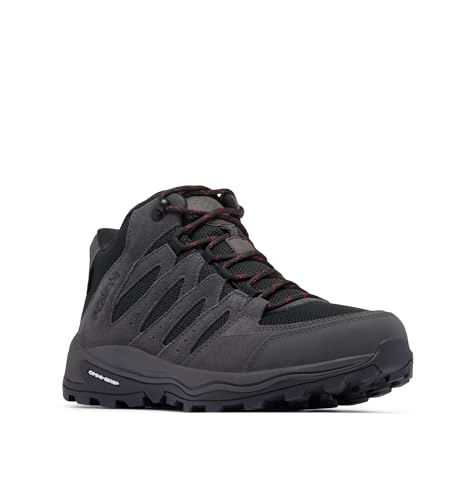
Columbia Mens Redmond IV Mid Waterproof
Taking A Closer Look At The Options
The Terrex Free sits in a sweet spot most boots do not reach: light enough for trail running, structured enough for actual hiking. It borrows adidas’ running-shoe geometry, which means a low stack height and a flexible forefoot that bends with the trail rather than fighting it.
On a fast morning loop or a packed fire road, you barely feel them. Compared with the heavier leather options later in this list, the Terrex Free trades raw durability for agility. Hikers who log lots of miles on groomed terrain will appreciate the snappy ride more than people hauling full packs into rough country.
Reasons It Performs
- Running-shoe flex makes long, flat stretches feel effortless
- Lower weight than mid-cut leather boots reduces leg fatigue
- Breathable upper keeps feet cooler on warm-weather hikes
- Low-profile design transitions easily to casual wear after the trail
Things To Consider
- Minimal ankle support is a poor match for heavy loads on uneven rock
- Lightweight uppers tend to wear faster than leather when scuffed on shale
Feature Snapshot
Best Suited To
Day hikers and trail runners who want one shoe for both activities and stick to well-maintained paths.
Reach For A Different Pick When
You need waterproof protection on wet trails, where the On Mens Cloudhorizon Waterproof is a stronger match.
On’s Cloudhorizon leans hard into cushioning, using the brand’s signature CloudTec Phase, a layered foam-and-pod midsole designed to absorb impact while staying responsive. The result is a hiking shoe that feels closer to a recovery run than a stiff leather boot.
Where the Terrex Free is nimble, the Cloudhorizon is plush. For hikers who log long days on hard-packed dirt or pavement-trail mix, that extra foam can mean the difference between finishing strong and feeling every mile. The waterproof membrane adds weather insurance that the Terrex lacks.
The Practical Payoff
- Thick CloudTec midsole softens impact on rocky or concrete stretches
- Waterproof construction keeps feet dry through wet grass and shallow stream crossings
- Roomy toe box suits hikers with wider feet or those who downhill a lot
- Rocker-style geometry encourages a smooth, rolling stride
Points To Note
- Tall cushion stack can feel unstable on off-camber or technical terrain
- Premium construction commands a higher price than basic leather hikers
- Foam midsoles often lose rebound faster than rubber or leather builds
Feature Snapshot
Right Fit For
Hikers with long mileage goals who want maximum underfoot comfort and value a waterproof build.
Swap It Out When
You need ankle support for uneven terrain, where the On mens Cloudrock Mid Waterproof handles the same weather protection with more structure.
The Cloudrock Mid takes the cushioning philosophy from the Cloudhorizon and adds a mid-cut collar that wraps the ankle. It is built for hikers who want boot-like confidence without giving up the soft, energetic ride that defines On’s line.
This is the pick for mixed-terrain single-day hikes, the kind of outing that bounces from smooth trail to scree to a damp forest floor. Compared with the low-cut Cloudhorizon, the trade-off is added weight and a hotter foot in summer, but the ankle stability pays off on rocky descents.
Features That Help
- Mid-cut collar braces the ankle on uneven ground and side-slopes
- Waterproof membrane protects against morning dew and rain showers
- CloudTec cushioning reduces foot fatigue over many miles
- Aggressive lug pattern grips loose dirt and gravel effectively
Honest Caveats
- Heavier than low-cut options, which slows fast-paced hikers
- Mid collar can feel restrictive for runners used to barefoot-style shoes
Quick Facts
Made For
Hikers tackling variable terrain who want cushioning and ankle support in one waterproof package.
Look Elsewhere When
You prefer a lighter, nimbler feel for fast day hikes, where the Columbia Men’s Fairbanks Low offers easier movement.
The Fairbanks Low is Columbia’s answer for hikers who want leather construction without paying boot-tier prices. It uses a suede leather upper paired with breathable mesh webbing, an unusual combination that keeps weight down while still holding up to trail abuse.
Underfoot, a Techlite midsole provides basic cushioning, and the Omni-Grip rubber outsole handles loose dirt, damp rock, and gravel with equal ease. Compared with the Newton Ridge further down this list, the Fairbanks Low trades waterproofing for breathability, making it the warmer-weather pick.
Noteworthy Benefits
- Suede leather upper is more durable than the textile builds found on similarly priced hikers
- Techlite midsole adds cushioning without significant weight gain
- Omni-Grip outsole offers dependable traction on varied surfaces
- Low-cut profile works well for casual wear between hikes
Worth Noting
- Lacks waterproofing, so wet grass and rain will soak through quickly
- Suede requires more care than synthetic uppers to stay clean
- Cushioning is thinner than On’s CloudTec options for long-mileage days
Quick Facts
Perfect Match For
Casual hikers who want leather durability at an approachable price and stick to dry, easy trails.
Skip It When
You face frequent wet conditions, where the Columbia Men’s Newton Ridge Plus II Waterproof Hiking Shoe is a more weather-ready pick.
The Moab series has earned its reputation through sheer consistency: a generous fit, minimal break-in time, and a supportive ride that works across trail types. Version 3 refines that formula with a more supportive insole and softer midsole cushioning than earlier models.
On the trail, the Moab 3 feels familiar in the best sense. Compared with the Fairbanks Low, you get a more dialed-in fit and better traction for moderate terrain, though at a higher cost. The Vibram outsole is the workhorse feature here, gripping wet rock better than most rubber compounds in this price range.
Strengths Worth Knowing
- Vibram outsole delivers reliable grip on wet rock and loose scree
- Roomy toe box accommodates thicker hiking socks and natural foot splay
- Updated insole adds arch support for hikers with higher arches
- Proven all-purpose design handles most day-hike scenarios
A Few Limitations
- Higher price than Columbia’s Fairbanks Low for similar casual use
- Cushioning stack sits between minimalist and max-cushion, which may not suit either preference
- Mesh upper can collect debris on dusty trails
Whose Shelf It Belongs On
Hikers who want one trusted, comfortable pair that adapts to most day-hike conditions without fuss.
Where A Sibling Pick Shines
You need waterproof protection for wet climates, where the On Mens Cloudhorizon Waterproof offers similar comfort with weather sealing.
The Newton Ridge Plus II is Columbia’s classic mid-cut waterproof hiker, a boot built around durability and wet-weather performance. The leather upper is the defining feature, offering abrasion resistance that synthetic uppers struggle to match on rocky trails.
It feels heavier and stiffer than the Moab 3 or Terrex Free, which is exactly the point. For hikers dealing with stream crossings, muddy sections, or sharp shale, that rigidity becomes confidence. The waterproof membrane keeps feet dry through conditions that would soak the Fairbanks Low in minutes.
Practical Pluses
- Full leather upper shrugs off scrapes and abrasion from rough terrain
- Waterproof bootie construction handles stream crossings and rain
- Stiffer platform supports heavier pack weights on longer hikes
- Mid-cut collar adds ankle security without feeling like a backpacking boot
Trade Offs
- Noticeably heavier than the Moab 3 or Terrex Free
- Leather requires regular conditioning to maintain water resistance over time
- Break-in period is longer than for mesh or suede hikers
Feature Card
Who Should Grab It
Hikers who tackle wet, rugged trails regularly and want a leather boot that holds up season after season.
Not Your Match When
Speed matters more than durability, in which case the adidas Men’s Terrex Free Hiking Shoe delivers a lighter, faster ride.
The Redmond IV Mid rounds out Columbia’s hiking line with a waterproof mid-cut boot aimed at variable conditions. It borrows construction cues from the Newton Ridge but softens the ride, making it more accessible for hikers who want boot-like coverage without stiff-leather commitment.
On the trail, the Redmond IV feels balanced: enough structure to support uneven ground, enough flex to stay comfortable on long walks. Compared with the heavier Newton Ridge, it is lighter and easier on the feet, though the trade-off shows up in long-term durability under hard use.
Key Advantages
- Waterproof membrane handles damp trails and morning dew
- Mid-cut collar gives ankle support without backpacking-boot weight
- Available in multiple colorways for hikers who care about looks
- Versatile build suits easy to moderate terrain
Possible Compromises
- Not as durable as the Newton Ridge for sustained rugged use
- Heavier than low-cut options like the Terrex Free
Built With In Mind
Weekend hikers who want waterproof, ankle-supporting coverage for moderate trails in changing weather.
Another Choice May Suit
You prioritize cushioning over structure, where the Merrell Men’s Moab 3 Hiking Shoe offers a softer, more cushioned ride.
What To Weigh Before Choosing Mens Hiking Boots
Start with terrain, not brand. Smooth, groomed trails reward lightweight shoes like the Terrex Free or Cloudhorizon. Rocky, root-covered routes benefit from the ankle support and stiffer platforms of mid-cut boots like the Newton Ridge or Cloudrock Mid.
Cut height changes the experience more than most shoppers expect. Low-cut designs free the ankle for natural movement but offer little protection on uneven ground. Mid-cut collars add stability, especially under load or on side slopes. Backpacking-grade boots go higher still, useful only when carrying heavy packs.
Waterproofing matters in direct proportion to your climate. In damp regions or shoulder seasons, a waterproof membrane pays for itself in comfort. In dry, hot environments, waterproofing traps heat and slows drying after stream crossings.
Fit is the deal-breaker most people ignore. Try boots on at the end of the day when feet are slightly swollen, wear the socks you plan to hike in, and leave a thumb’s width of space at the toe. Downhill pressure on long descents turns a snug fit into bruised toenails fast.
Key Considerations Across These Picks
Where Shoppers Go Wrong
Chasing waterproofing without considering climate leaves feet hot and blistered in summer regions. Buying a heavy boot for short, flat walks tires your legs before the trail does. Skipping sock compatibility also backfires: thick hiking socks change fit dramatically, so size up when you plan to wear them.
When Paying More Pays Off
Premium construction shows up in midsole longevity, outsole grip on wet rock, and upper abrasion resistance after thousands of miles. For hikers who log real weekly miles, that durability justifies the jump from entry-level to mid-tier boots. Casual once-a-season hikers rarely need the upgrade.
Frequently Asked Questions
How long do mens hiking boots typically last?
Most quality hiking shoes hold up for 500 to 1,000 miles of trail use before midsole cushioning flattens. Heavier leather boots can outlast that range with proper care.
Should I break in new hiking boots before a long trip?
Yes. Wear new boots on a few short walks to identify hot spots and loosen stiff areas. A weekend of day hikes is usually enough break-in for most options in this list.
Are waterproof hiking boots worth it for dry climates?
Not always. Waterproof membranes trap heat and dry slowly once wet inside. In hot, dry regions, breathable non-waterproof hikers like the Fairbanks Low often perform better.
Can I use trail running shoes for backpacking?
Light loads work fine in trail runners like the Terrex Free. Heavier packs strain the lower ankle and lack of support becomes uncomfortable, making mid-cut boots the safer choice.
How do I clean hiking boots without damaging them?
Brush off dirt with a soft brush, rinse with cool water, and air dry away from direct heat. Leather boots benefit from periodic conditioning to maintain suppleness and water resistance.
Final Takeaway
The right mens hiking boots match the trail you actually hike, not the trail you imagine. Start with terrain and weight, then narrow by comfort and climate. The picks above cover the most common profiles, so a careful read should leave you with one clear favorite by the time you reach this paragraph.