Wide feet deserve more than a shoe that just “fits.” You need a last (the foot-shaped mold a shoe is built around) that actually matches your foot, a toe box that lets your toes splay, and a midsole that won’t squeeze the moment the trail turns downhill. This roundup covers six options built (or redesigned) with broader foot shapes in mind, from low-cut trail shoes to waterproof mid-cut boots. Each pick balances fit, grip, weight, and value differently, so the right call depends on the kind of miles you log.
A Side-By-Side Look
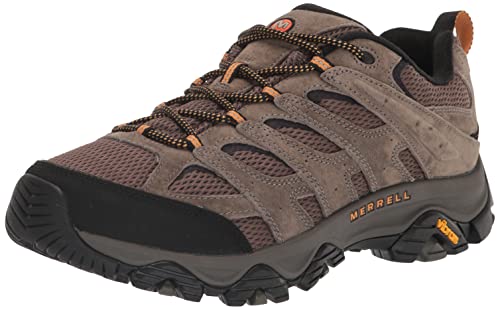
Merrell Men’s Moab 3 Hiking Shoe

Merrell Men’s Moab 3 Mid Hiking Boot

Oboz Men’s Sawtooth II Low Hiking Shoe

Merrell Men’s Moab 3 Mid Waterproof Hiking Boots
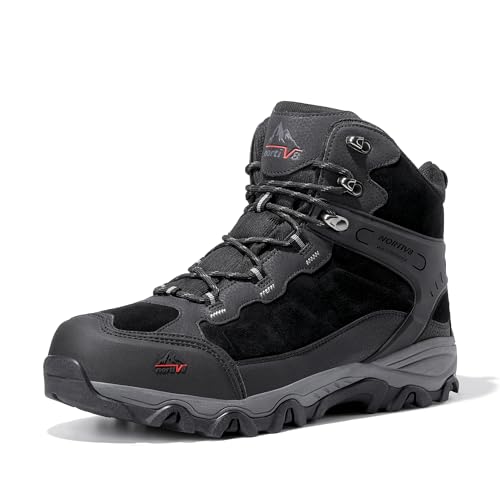
NORTIV 8 Men’s Waterproof Lightweight Hiking Boots
XIANFENGNIAO Unisex Barefoot Wide Toe Hiking Footwear
Why These Options Stand Out
The Merrell Moab 3 has been a go-to trail shoe for years, and the third revision keeps that easy, break-in-free feel that wide-foot hikers tend to love. The low-cut profile pairs with Merrell’s relaxed toe box, which gives your forefoot room to spread on long descents. Compared to the heavier mid-cut siblings you’ll see later in this list, this shoe trades ankle support for breathability and a lighter stride.
For wide feet, the trick is choosing the wide sizing variant when ordering, because the standard last still runs a touch narrow through the midfoot. Owners commonly report that the Vibram outsole (a high-traction rubber sole made by the well-known Vibram brand) grips well on loose gravel and wet rock without feeling clunky. You may find the upper mesh dries fast after stream crossings but lets in some debris on dusty trails.
Strengths Worth Knowing
- Wide variant available for genuine room across the forefoot
- Vibram outsole delivers steady traction on mixed terrain
- Lighter and more breathable than mid-cut Merrell options
- Comfortable right out of the box, no extended break-in required
- Cushioned midsole softens impact on rocky paths
Things To Consider
- Standard width can still feel snug if you skip the wide variant
- Mesh upper tends to let dust and small pebbles inside
- Less ankle stability than the mid-cut Moab options below
Who It Suits Best
Day hikers and weekend trail walkers with wide feet who want a comfortable, breathable shoe they can slip on and walk for miles.
Consider Something Else When
You need ankle support for uneven or rocky terrain, in which case the Merrell Moab 3 Mid Hiking Boot will suit you better.
If you liked the Moab 3 low-cut but want more ankle confidence, this mid version gives you the same forgiving fit with a taller shaft that wraps above the ankle. The added height helps stabilize the foot on side slopes and rocky scrambles, which makes a noticeable difference when the trail gets technical. It’s still lighter than a full backpacking boot, so you won’t feel like you’re dragging anchors.
Wide-foot shoppers should look specifically for the wide sizing variant; the standard last hugs the midfoot tightly. Owners commonly report that the lug pattern (the arrangement of raised rubber bumps on the outsole) sheds mud reasonably well, though the boot can feel warm during summer hikes. Compared to the waterproof sibling later in this list, you trade rain protection for a bit more breathability.
A Favorable Mix
- Mid-cut shaft adds ankle stability on side-hill terrain
- Wide variant gives extra room across the ball of the foot
- Lighter than a traditional backpacking boot
- Vibram outsole grips well on wet rock and loose dirt
Worth Noting
- Not waterproof, so wet grass and puddles soak through
- Standard width can feel tight for very wide feet
- Mid-cut collar may rub tall socks the wrong way until broken in
Made For
Wide-foot hikers tackling uneven, rocky trails who want ankle support without the weight of a full backpacking boot.
Look Elsewhere When
You hike frequently in wet conditions and need a waterproof build, in which case the Merrell Moab 3 Mid Waterproof is the better call.
The Oboz Sawtooth II Low sits at the stiffer, more supportive end of the trail-shoe spectrum, which is exactly what some wide-foot hikers need when their arches and ankles want a firmer platform. The midsole feels substantial underfoot, and the heel cup (the firm molded plastic piece that cradles the back of your foot) locks your rearfoot in place on steep grades. That structure pays off when you strap weight to your back.
For wide feet, Oboz’s last is reasonably accommodating through the toe box, though very broad feet may still want extra room. Owners commonly report that the outsole holds up well over multi-season use, and the shoe handles rock-hopping confidently. Compared to the Moab 3 above, this option trades airy breathability for a more planted, protective ride.
Everyday Perks
- Firm midsole provides steady support for heavier loads
- Secure heel cup reduces slippage on downhills
- Durable construction holds up across many trail seasons
- Roomy enough for most wide feet without custom ordering
Trade Offs
- Heavier and stiffer than the Moab 3 low-cut option
- Not a barefoot-style shoe, so it feels rigid on flat ground
Quick Facts
Right Fit For
Wide-foot hikers carrying daypacks or light overnight loads who want a stable, durable shoe for rougher terrain.
A Better Fit Elsewhere
You want a lighter, more breathable ride for fast walks, in which case the Merrell Moab 3 Hiking Shoe will feel more comfortable.
This waterproof take on the Moab 3 Mid adds a membrane that blocks water from soaking through the leather and mesh upper. For wide-foot hikers who cross streams, walk through morning dew, or get caught in spring rain, that barrier keeps socks dry far longer than a non-waterproof boot. The mid-cut shaft still offers the same ankle stability as its non-waterproof sibling.
Wide-foot shoppers should still order the wide variant; the waterproof lining can slightly reduce interior volume. Owners commonly report that breathability drops compared to the non-waterproof version, so warm-weather hikers may feel some heat buildup. Compared to the budget-friendly option later in this list, you’re paying for a more refined fit and a longer-trusted brand build.
What Works In Its Favor
- Waterproof membrane keeps feet dry through puddles and rain
- Mid-cut shaft supports ankles on uneven ground
- Wide variant available for roomier forefoot fit
- Vibram outsole grips well on wet rock and slick roots
Honest Caveats
- Waterproofing can reduce breathability in summer heat
- Standard width feels tight for very broad feet
- Membrane may eventually wear thin with heavy use
Feature Snapshot
Whose Shelf It Belongs On
Wide-foot hikers in wet climates, shoulder seasons, or stream-crossing country who want dry feet without giving up ankle support.
Swap It Out When
You mostly hike dry summer trails and want breathability, in which case the Merrell Moab 3 Mid non-waterproof boot is the lighter choice.
The NORTIV 8 boot lands on this list as a wallet-friendly entry point for wide-foot hikers who want waterproofing without the higher cost of established trail brands. The mid-cut design gives light ankle coverage, and the lightweight build keeps fatigue down on shorter day hikes. For beginners testing whether hiking is a hobby worth investing in, that balance can matter more than premium materials.
Wide-foot shoppers should still check the brand’s sizing chart carefully, because the last is not as refined as the Moab or Oboz options above. Owners commonly report that the waterproof membrane performs well for the first season, though heavy multi-day use may stress the stitching. Compared to the Merrell waterproof sibling, you trade long-term refinement for a noticeably lower entry cost.
Where It Delivers
- Lower price point makes waterproofing accessible
- Lightweight build reduces leg fatigue on day hikes
- Mid-cut shaft offers basic ankle coverage
Points To Keep In Mind
- Fit is less refined than premium trail brands
- Stitching and outsole may wear faster under heavy mileage
- Limited cushioning compared to higher-end options
Key Product Details
Best Suited To
Beginners, casual hikers, and wide-foot shoppers who want a low-cost waterproof boot for occasional weekend trails.
Reach For A Different Pick When
You log serious miles or carry heavy packs, in which case the Oboz Sawtooth II Low will outlast this boot.
This barefoot-style option takes a completely different approach to wide feet. Instead of sizing up or choosing a wide variant, the shoe is built around an extra-roomy toe box that lets every toe spread naturally. The flexible sole moves with your foot, which feels odd if you’re used to stiff hiking shoes but rewarding if you want ground feel on flat terrain.
Wide-foot shoppers who hate restrictive toe boxes will probably appreciate the unrestricted shape. Owners commonly report that the shoe shines in water and sand but offers limited protection on rocky trails or hot pavement. Compared to the structured Merrell and Oboz options above, this pick prioritizes foot freedom over cushioning and armor.
The Good Stuff
- Ultra-wide toe box lets toes splay fully
- Flexible sole gives strong ground feedback
- Breathable build works well in water and humid conditions
- Light and packable for travel
Practical Considerations
- Minimal cushioning can feel harsh on long rocky hikes
- No real ankle protection for technical terrain
- Not a substitute for a structured hiking shoe on multi-day trips
Feature Card
Who Should Grab It
Wide-foot shoppers who want a barefoot-style shoe for beach walks, water crossings, yoga, and easy flat trails rather than rugged backcountry routes.
Not Your Match When
You’re heading into rocky or technical terrain that needs real cushioning and protection, in which case the Merrell Moab 3 Hiking Shoe is a safer bet.
What To Weigh Before Choosing Mens Hiking Shoes For Wide Feet
Width And Last Shape Come First
A wide foot doesn’t automatically need a “wide” labeled shoe. What matters is the last shape: how the shoe is molded around the ball, instep, and heel. Look for brands that publish width measurements, and read user notes about toe-box height if your foot is also tall. The Moab and Oboz picks above both offer genuinely roomy forefoots once you pick the right variant.
Match The Shoe To The Trail
Low-cut trail shoes like the Moab 3 low or Sawtooth II Low breathe well and move fast on groomed paths. Mid-cut boots earn their weight when the trail turns rocky, off-camber, or loaded with a pack. Waterproof membranes help in wet climates but cost breathability in summer, so think about your typical conditions before paying for the feature.
Cushioning Versus Ground Feel
Cushioned midsoles reduce fatigue on long miles and rocky descents, which most hikers will appreciate. Barefoot or minimalist shoes give you ground feedback and toe freedom but little protection. Match the cushioning level to the mileage and your tolerance for firm footing under the ball of the foot.
Outsole And Traction
Look for a lug pattern with deep, well-spaced rubber blocks for mud and loose dirt. Tighter, shallower lugs work fine on hard-packed trail but slip on wet rock. Vibram-branded outsoles (featured on several picks above) tend to grip consistently across mixed surfaces, though many non-branded outsoles perform well for casual use.
Key Considerations Across These Picks
Mistakes Worth Dodging
Skipping the wide variant is the most common error, since many wide-foot shoppers order the standard width and blame the brand. Sizing up to gain width also backfires, because a too-long shoe slides inside and blisters the heel. Try the listed wide option first, and check return windows before committing to a long trip.
Where The Extra Money Goes
Higher-priced hiking shoes typically spend the money on a refined last, better midsole foam, and a more durable outsole rubber compound. You also pay for a sturdier waterproof membrane that holds up over multiple seasons instead of one. For casual weekend hikers, the budget option may be all you need. For weekly trail users or backpackers, the upgrade usually pays for itself in comfort and longevity.
Frequently Asked Questions
How Do I Know If I Need A Wide Hiking Shoe?
If your toes feel pressed against the front or sides of standard-width shoes, or you get blisters on the inside of your big toe, you likely need a wider last. Trying shoes on at the end of the day, when feet are slightly swollen, gives a more realistic fit.
Should I Size Up Instead Of Buying A Wide Variant?
Sizing up adds length, which can cause heel slippage and toe jamming on downhills. A wide variant keeps the proper length while expanding the forefoot, which is the safer fix for most wide feet.
Are Waterproof Hiking Shoes Worth It?
Waterproof membranes help if you hike in wet climates, cross streams often, or face early-morning dew. They trap heat, so for hot and dry trails a non-waterproof shoe usually feels more comfortable.
How Long Should Hiking Shoes Last?
Casual hikers who log a few miles each month often get two to three years from a quality pair. Hikers covering weekly trail miles may wear through outsoles in one to two seasons, especially on rocky terrain.
Can Barefoot-Style Shoes Work For Wide Hikers?
Yes, the roomy toe box suits wide feet naturally. The trade-off is less cushioning and protection, so barefoot shoes work best on flat, smooth trails rather than rocky backcountry routes.
Closing Remarks
The right hiking shoe for wide feet is the one that matches both your foot shape and the trails you actually walk. Start with a wide variant from a trusted last, then layer in features like waterproofing, ankle height, or barefoot flexibility based on your conditions. A short break-in walk on familiar ground always beats a long first outing in new boots.