Marathon training puts a lot of miles on a pair of shoes, and the wrong fit shows up fast in the form of tired knees and sore arches by kilometer twenty. You need a shoe that carries you through long runs, easy recovery days, and the build-up weeks in between without falling apart.
I’ve put together six pairs that cover different needs, from plush daily trainers to budget-friendly road runners. Each one handles distance differently, so the right match comes down to your gait, your pace, and how much cushion you actually want underfoot.
A Snapshot Of The Selections
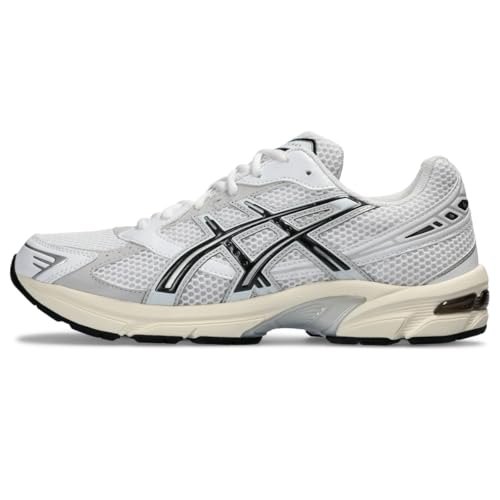
ASICS Men’s GEL-1130 Sportstyle Shoes

Brooks Men’s Ghost 15 Neutral Running Shoe
ASICS Men’s Gel-Excite 11 Running Shoes

ASICS Men’s Gel-Contend 9 Road Running Shoes

Saucony Men’s Triumph 22 Sneaker

Saucony Men’s Cohesion 18
The Strengths Of Each Pick
The GEL-1130 borrows the 2008 stability-runner playbook and dresses it up with suede paneling, so it splits the difference between a heritage trainer and a daily mileage workhorse. The silhouette walks the line between retro court style and functional running construction, which makes it a sensible pick for runners who log easy miles around the city and want a shoe that also looks right with jeans.
You get the same general support language as ASICS’ older stability shoes, paired with a layered upper that feels more lifestyle-leaning than race-ready. For marathon build-up runs at conversational pace, the platform offers a planted feel without feeling clunky underfoot.
The Case For It
- Suede and mesh upper blends throwback looks with breathable comfort for warm-weather runs.
- Stability-oriented midsole geometry suits mild overpronators logging medium-length efforts.
- Versatile enough to wear post-run without changing shoes.
- Layered construction holds shape well through the first 200 miles, based on common owner feedback for ASICS suede hybrids.
Small Caveats
- The suede panels scuff visibly on wet pavement, so a protective spray is a sensible add-on.
- Heavier than a pure performance trainer, which you may notice on tempo work.
- Less energetic rebound than the lighter Brooks or Saucony options on this list.
Whose Shelf It Belongs On
Style-conscious runners who want one pair to handle easy weekday miles, errands, and casual wear without swapping shoes.
Look Elsewhere When
Saucony Men’s Triumph 22 Sneaker is a better match when you want plush foam for high-mileage training weeks and care less about styling.
The Ghost line has long been a quiet favorite among marathoners stacking big weekly volume, and the 15 carries that reputation forward with a soft, segmented crash pad under the heel. The platform is engineered for a neutral foot strike, which means the shoe doesn’t push your gait in any direction. That’s a relief if you’ve spent years fighting against corrective posts.
The upper uses an engineered air mesh that breathes well during summer long runs and holds your midfoot securely without squeezing. For neutral strikers building toward 26.2, the Ghost 15 behaves like a trusty old car, predictable, comfortable, and rarely the reason a workout goes sideways.
What Makes Sense
- Engineered mesh upper balances ventilation with a snug midfoot wrap.
- Neutral platform works for a wide range of footstrikes, so most runners can lace up and go.
- Soft heel crash pad eases the impact at the start of every stride.
- Known for reliable longevity through 400–500 mile training blocks.
Honest Caveats
- Stack height feels tall to runners coming from lower-profile shoes.
- Not built for sharp turns on trails, so it stays in its lane on roads and treadmills.
- Carries a premium price compared to the budget ASICS options in this roundup.
Quick Facts
Best Suited To
Neutral-gait runners logging consistent weekly mileage and training for a fall or spring marathon on pavement.
Consider Something Else When
ASICS Men’s Gel-Contend 9 Running Shoes suit you more if you want rearfoot GEL cushioning at a noticeably lower price.
Beginner marathoners need a shoe that forgives sloppy form and tired feet, and the Gel-Excite 11 leans into that idea with a soft, accommodating build. The engineered jacquard mesh upper wraps the foot in a stretchy, breathable layer that doesn’t clamp down at the arch. Lace-up closure keeps the fit predictable without pressure points.
ASICS built this one as a versatile entry-level trainer, so it handles light long runs, recovery jogs, and gym sessions with equal ease. You won’t get the snappy rebound of premium foams, but you also won’t pay premium prices for your first 26.2 build-up.
Key Advantages
- Breathable jacquard mesh upper keeps your foot cooler than thicker knit constructions.
- Lightweight feel reduces leg fatigue on short recovery days.
- Lace-up closure offers a familiar, adjustable midfoot hold.
- Soft underfoot ride suits newer runners still dialing in stride mechanics.
- Affordable enough to rotate with a second pair without breaking the bank.
Trade Offs
- Lacks the energy return of the Saucony Triumph 22 for tempo runs.
- Durability is shorter than premium trainers, often showing wear near 300 miles.
- Minimal structure may feel loose for heavier runners seeking firm guidance.
Made For
First-time marathoners and casual runners who want a soft, approachable trainer for under-$100 entry into longer distances.
Skip It When
Brooks Men’s Ghost 15 Neutral Running Shoe fits better if you want a more structured neutral ride for steady high-mileage weeks.
The Gel-Contend 9 takes ASICS’ road-running DNA and trims the price tag, which makes it a sensible pick for anyone training on paved surfaces without spending premium money. The shoe pairs rearfoot GEL cushioning with AMPLIFOAM midsole tech, which absorbs landing impact before it travels up your shins. A polyester upper keeps the weight manageable on long efforts.
Trusstic Technology adds a midfoot bridge that resists twisting, so the platform stays stable when your form breaks down late in a long run. The Ortholite sockliner steps in nicely for runners with sensitive arches, which is a thoughtful touch for marathoners who log weekend 30-kilometer outings.
Practical Pluses
- Rearfoot GEL absorbs impact where pavement runners strike hardest.
- AMPLIFOAM midsole balances softness with durability for daily mileage.
- Trusstic midfoot bridge adds torsional stability without extra weight.
- Ortholite sockliner offers step-in comfort that holds up across long runs.
Points To Note
- The polyester upper breathes less well than mesh options in hot climates.
- Outsole rubber can wear faster under a heavy heel-striker’s gait.
- Not designed for trail detours or off-road marathon segments.
Feature Snapshot
Who Should Grab It
Road-focused marathoners with mild overpronation needs who want rearfoot GEL comfort at a friendly entry price.
Where Another Pick Suits Better
Saucony Mens Cohesion 18 is the better fit for runners who prefer Saucony’s VersaRun cushioning over ASICS’ foam feel.
The Triumph 22 sits at the top of Saucony’s neutral daily-trainer family, and the new midsole marks a noticeable jump forward in cushioning tech. PWRRUN PB is a PEBA-based super foam, which means it stays light while delivering a bouncy, energetic underfoot feel that holds up across long marathon-pace runs. It feels less like traditional EVA foam and more like a modern racing shoe, but tuned for daily training rather than race day.
The geometry has been widened and re-rockered, which means the shoe rolls more smoothly from heel-strike to toe-off. Full-length XT-900 rubber adds grip and durability to the outsole, so you can log steady mileage without worrying about premature wear.
Strong Points
- PWRRUN PB super foam delivers lightweight, responsive cushioning that holds up across long runs.
- Broader platform and updated rocker shape smooth out stride transitions.
- XT-900 rubber outsole adds traction and longevity for high-mileage users.
- Premium upper materials create a secure, comfortable midfoot wrap.
- Carries enough cushion for recovery days and tempo work in a single pair.
Worth Bearing In Mind
- Premium pricing puts it well above the ASICS and budget Saucony options.
- Stack height is taller than older Triumph models, which takes adjustment.
- Plush ride may feel too soft for runners who prefer a firm, responsive platform.
Perfect Match For
High-mileage marathoners who want one shoe that handles easy runs, long runs, and moderate tempo sessions without feeling dead.
Reach For A Different Pick When
Brooks Men’s Ghost 15 Neutral Running Shoe fits better if you want a slightly firmer, more traditional neutral ride at a lower price.
The Cohesion line is Saucony’s entry-level neutral trainer, and the 18th version continues the tradition of straightforward cushioning at a wallet-friendly price. VersaRun midsole foam handles daily miles without the heavier price tag of the Triumph line, so you can log consistent training volume without feeling guilty about replacing the shoes every 400 miles.
The shoe is intentionally simple, no fancy super foams, no rocker geometry, just reliable cushioning and a comfortable fit. For runners who don’t want to overthink their gear choice and prefer to focus on mileage, the Cohesion 18 is a sensible workhorse.
The Value In It
- VersaRun cushioning delivers soft landings without premium pricing.
- Comfortable, secure upper fit suits a wide range of foot shapes.
- Durable enough for everyday training rotations.
- Versatile neutral design works for easy runs and gym sessions alike.
Potential Compromises
- Lacks the bounce and energy return of premium trainers like the Triumph 22.
- Heavier than performance-oriented shoes, so it lags on race-pace efforts.
- Limited colorway and style updates compared to flagship models.
Who It Suits Best
Everyday neutral runners and value-focused shoppers who want a soft, reliable trainer without paying flagship prices.
A Better Fit Elsewhere
ASICS Men’s GEL-1130 Sportstyle Shoes make more sense if you want heritage styling and a stability-leaning platform at a similar entry-level price.
What To Weigh Before Choosing Your Next Long-Run Shoe
Cushioning That Matches Your Mileage
Marathon training piles on the volume, so the midsole foam stack matters more than for a casual jogger. PEBA-based super foams (the bouncy, lightweight stuff in shoes like the Saucony Triumph 22) feel lively but tend to cost more. Traditional EVA foams feel slightly firmer and last longer, which works for budget-conscious runners. Heavier runners stacking 50+ mile weeks often prefer denser foams that resist bottoming out on long efforts.
Foot Strike And Stability Needs
Your gait dictates which category helps you most. Neutral runners with balanced foot strikes can wear almost anything, including the Brooks Ghost 15 or Saucony Cohesion 18, without issue. Mild overpronators benefit from stability features like Trusstic bridges or medial posts, which is where ASICS’ stability-leaning options shine. Severe overpronators should consult a specialist or get fitted at a running store before committing to a shoe.
Upper Materials And Breathability
Hot summer long runs punish thick, non-breathable uppers fast. Engineered mesh and jacquard knit constructions vent heat and shed water, while suede or heavy polyester builds run warmer and soak through rain. Match the upper to your climate: breathable mesh for warm regions, denser weaves for cooler climates where a bit of extra insulation helps.
Outsole Rubber And Longevity
Premium rubber compounds like Saucony’s XT-900 extend shoe life, especially under heavy heel strikers. Budget shoes often use thinner, harder rubber that grips less and wears faster. Marathoners typically rotate through a shoe every 300–500 miles, so picking a durable outsole stretches your dollar over a training cycle.
Common Shopper Traps And Where The Extra Money Goes
Wrong Turns To Avoid
A common mistake is buying the most cushioned shoe on the shelf and assuming more foam means more comfort. Excessive stack height can feel unstable for runners with weaker ankles, and overly soft platforms may hide form problems until injury shows up. Another trap is sizing up too far to “leave room for swelling”, which often leads to blisters and sloppy foot placement inside the shoe.
Where The Extra Money Goes
Higher-tier models like the Saucony Triumph 22 justify their price through advanced midsole foams, more durable outsoles, and refined upper construction. PEBA-based super foams cost more to produce but rebound better, so the shoe feels less dead at mile 20 of a long run. Premium rubber compounds and engineered mesh uppers also add longevity, which spreads the cost across more training miles. The upgrade is worthwhile when you log consistent weekly mileage and want one shoe to handle varied workouts, but entry-level trainers serve casual runners just as well for shorter efforts.
Frequently Asked Questions
How many miles should marathon training shoes last?
Most quality running shoes hold up for 300 to 500 miles before the midsole foam breaks down. Heavier runners and those who log mostly long, slow miles may see the cushion fade closer to 300, while lighter runners on easy pace can push past 500. Tracking your miles helps you replace shoes before they lose their protective feel.
Do I really need a specific marathon shoe, or can I train in anything?
You don’t need a “marathon shoe” per se, but a shoe that fits your gait and training volume matters. Neutral daily trainers like the Brooks Ghost 15 or Saucony Triumph 22 work well for the bulk of marathon build-up. Race-day super shoes are an optional upgrade for performance-focused runners chasing a time goal.
Should I rotate between two pairs during training?
Rotating shoes can extend the life of each pair and reduce injury risk by varying the stress on your feet and legs. Many marathoners keep a cushioned daily trainer for easy runs and a lighter, firmer pair for tempo work. Two budget-friendly shoes like the ASICS Gel-Excite 11 and Saucony Cohesion 18 can serve the same purpose at lower price points.
What’s the difference between road and trail running shoes?
Road shoes use smoother outsoles and softer foams optimized for hard pavement. Trail shoes add aggressive lugs, rock plates, and tougher upper materials to handle roots, mud, and uneven terrain. Marathoners training on road courses should stick with road-specific shoes like the ASICS Gel-Contend 9.
How do I know if I need a stability shoe?
If your ankles roll inward noticeably when you walk or run, or you wear out the medial edge of your shoes faster than the lateral edge, a stability shoe may help. Neutral runners with balanced wear patterns typically do fine in neutral trainers. A gait analysis at a local running store offers the most reliable answer.
Bottom Line
Marathon shoes come down to matching your gait, your budget, and the cushion feel you actually enjoy. The Saucony Triumph 22 leads on plush daily mileage, the Brooks Ghost 15 delivers a balanced neutral ride, and the ASICS Gel-Excite 11 or Saucony Cohesion 18 keep things friendly on a tighter budget. Pick the pair that fits how you run, and the long miles will take care of themselves.