A mid-cut hiking shoe gives your ankles a hug without the bulk of a full boot, and that balance is exactly why so many day hikers reach for one. You’re probably weighing waterproofing against breathability, weight against traction, and price against how often you’ll actually wear them. The six options below cover the main trade-offs, from lightweight warm-weather hikers to burrier boots for wet, rocky routes.
The Leading Options At A Glance

Timberland Men’s Greenstride Motion 6 Mid Hiking Boots


Columbia Men’s Konos TRS Shoe
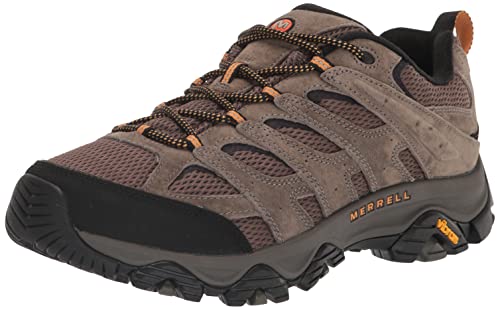
Merrell Men’s Moab 3 Hiking Shoe

Merrell Men’s Moab 3 Mid Hiking Boot

Merrell Men’s Moab 3 Mid Waterproof Hiking Boots
A Deeper Look At The Lineup
The Motion 6 leans into sustainability without feeling like a compromise. Its Greenstride sole uses an EVA blend (a lightweight foam commonly used in midsole cushioning) made with at least 65 percent biobased materials drawn from sugar cane and responsibly grown rubber. For hikers who care where their gear comes from, that’s a meaningful detail rather than a marketing line.
On the trail, the mid-cut collar offers ankle support that suits moderate terrain. The ReBOTL fabric lining, built from at least 50 percent recycled plastic, helps the boot feel broken-in from the first walk. Compared to the burlier waterproof options later in this list, this one runs lighter and breathes more freely, which is exactly what warm-weather hikers want.
Bright Spots
- Sole uses biobased materials from sugar cane and rubber
- Recycled lining reduces plastic waste
- Lightweight build suits long day hikes
- Mid-cut cuff gives modest ankle support
Things To Consider
- No waterproof membrane, so wet grass and puddles soak through
- Less aggressive lugs than heavier trail boots
Key Specs
Who It Suits Best
Day hikers on dry to moderately damp trails who prioritize lighter gear and want a smaller environmental footprint.
Consider Something Else When
The Merrell Moab 3 Mid Waterproof is a better match when your routes regularly cross streams or wet mud.
The Cloudrock Mid Waterproof leans on On’s signature Cloud cushioning, the hollow rubber pods you’d recognize from their running shoes, to deliver a softer ride than most hiking boots. That makes it a strong match for single-day hikes on mixed terrain where you want comfort and agility over rigid support.
The waterproof membrane keeps feet dry through puddles and shallow stream crossings. Trail runners switching to mid-cut hikers will appreciate the sporty feel, while backpackers might want something stiffer for heavy loads.
Why It Works Well
- Cloud pods soften impact on hardpack and pavement approaches
- Waterproof membrane handles wet grass and rain
- Mid-cut collar balances mobility and support
- Sporty ride suits hikers with a trail-runner background
Worth Noting
- Sits at the higher end of the price spectrum
- Less structure than a traditional hiking boot under heavy packs
- Membrane reduces breathability in hot weather
Made For
Hikers covering varied terrain in a single day who want cushion and waterproofing without the weight of a traditional boot.
Look Elsewhere When
The Merrell Moab 3 Mid Hiking Boot is a smarter pick for backpackers carrying loads on rocky, technical trails.
The Konos TRS earns its spot as the lightest option in this lineup, built around a breathable mesh upper with no-sew overlays for a cleaner, less bulky fit. It’s the shoe you’ll reach for when the forecast calls for sun and the trail is more dusty gulch than wet scramble.
An underfoot system combines cushioning, stability, and traction that holds up in both wet and dry conditions. Columbia offers the shoe in multiple colors and sizes, which helps if you have a specific fit or style preference.
A Few Highlights
- Mesh upper breathes well in warm weather
- No-sew overlays reduce hot spots on long walks
- Wet-or-dry traction handles stream crossings
- Lightest shoe in this roundup
Points To Note
- Low-cut collar offers no ankle protection
- Mesh lets water in during heavy rain
- Thin upper wears faster than leather options
Feature Snapshot
Right Fit For
Fast summer hikers and casual walkers who want airy shoes for dry trails and don’t need ankle support.
Swap It Out When
The Timberland Motion 6 is the better call for moderate trails where some ankle stability matters.
The Moab line has been a trailhead staple for over a decade, and version 3 keeps the comfort-first reputation alive. A more supportive insole and a softer cushioned midsole update the feel without changing what made the original so widely used.
It wears like a hiking shoe rather than a boot, so you get trail traction without the bulk. The grippier Vibram outsole (Vibram is a high-traction rubber outsole brand found on many hiking shoes) handles loose dirt and rocky climbs with steady footing. For most day hikers, this is the kind of shoe that disappears on your feet.
Features That Help
- Improved insole support for long days
- Vibram outsole grips loose and rocky terrain
- Low-cut design keeps weight down
- Roomy toe box suits wide feet
Trade Offs
- No waterproof lining for wet conditions
- Minimal ankle protection on uneven ground
Whose Shelf It Belongs On
Everyday hikers who want a versatile, comfortable shoe for dry trails and casual adventures.
A Better Fit Elsewhere
The Merrell Moab 3 Mid Hiking Boot is the right call when ankle support matters more than low-cut agility.
This is the Moab 3 with a taller cuff, and that single change shifts the boot’s whole personality. The mid-cut collar wraps the ankle to cut down on rolls and twists on rocky, uneven ground. It carries forward the supportive insole and softer midsole that make the Moab line so easy to wear.
It’s a natural step up for hikers who’ve outgrown the low-cut Moab but don’t want a stiff backpacking boot. On long days with a daypack, the extra ankle stability is welcome; in summer heat, the taller cuff does run warmer than the low-cut version.
What Makes Sense
- Mid-cut collar reduces ankle rolls on rough terrain
- Same supportive insole as the Moab 3 shoe
- Trusted Vibram outsole for grip
- Lighter than a traditional backpacking boot
Room For Improvement
- Not waterproof, so wet trails mean wet feet
- Hotter than low-cut shoes in summer
- Break-in period for the taller cuff
Quick Facts
Who Should Grab It
Hikers tackling rocky or uneven terrain who want ankle support without the weight of a full backpacking boot.
Reach For A Different Pick When
The On Cloudrock Mid Waterproof suits hikers who want cushioning and waterproofing for shorter days.
Take everything that works about the Moab 3 Mid and add a waterproof membrane, and you get the most weather-ready boot in this roundup. It’s the pick for hikers who don’t let a forecast change their plans.
The membrane keeps feet dry through puddles, wet grass, and shallow stream crossings. The tradeoff is breathability, since waterproof liners trap heat and moisture. In cool or wet weather, that’s an easy trade; on a hot summer day, your feet will feel it.
What Pays Off
- Waterproof membrane handles wet conditions
- Mid-cut collar stabilizes ankles on rough ground
- Updated insole and midsole for comfort
- Same proven Vibram traction as the Moab line
Some Limits To Know
- Membrane reduces airflow in warm weather
- Heavier than the non-waterproof Moab 3 Mid
- Needs time to dry fully between wet hikes
Key Product Details
Best Suited To
Hikers in wet climates or shoulder seasons who regularly cross streams, mud, or rain-soaked trails.
Where A Sibling Pick Shines
The Columbia Konos TRS is the smarter buy for warm, dry trails where breathability matters more than waterproofing.
What To Weigh Before Picking Your Next Mid Hiker
Match The Boot To Your Terrain
The first call is where you actually hike. Smooth, dry trails reward lighter shoes like the Columbia Konos TRS, while rocky or uneven routes benefit from the ankle support of a mid-cut boot like the Moab 3 Mid. Think about your most common trail conditions rather than your most ambitious day.
Waterproof vs Breathable
A waterproof membrane keeps water out but traps heat and moisture inside. Pick waterproof only when your routes regularly involve wet grass, rain, or stream crossings. Otherwise, a non-waterproof shoe breathes better and dries faster, which matters more than most hikers expect.
Outsole Grip And Lug Depth
Deeper lugs (the chunky tread blocks on the outsole) bite into soft dirt and mud, while shallower, flatter tread grips better on hardpack and rock. A versatile Vibram outsole like the Moab line’s handles both, but trail-specific shoes may lean one way or the other.
Fit And Break-In
A hiking shoe should feel snug in the heel with room to wiggle your toes. Many mid hikers, including the Moab 3 line, are known for out-of-the-box comfort, but a taller cuff or stiffer sole often needs a few shorter walks before longer days feel natural.
Smart Tradeoffs For Mid Hikers
Pitfalls Shoppers Hit
Buying waterproof when you mostly hike dry trails is the most common miss, since the membrane makes shoes hotter and slower to dry. Another slip is choosing a low-cut shoe for rocky terrain when ankle support would prevent a rolled ankle. Sizing up too much to allow thick socks can cause heel slip, which is its own source of blisters.
Where The Extra Money Goes
Higher-priced hiking shoes usually pay for better outsoles, lighter midsoles, and more durable uppers. The On Cloudrock Mid, for instance, uses On’s signature Cloud cushioning, which costs more than standard EVA foam. You’re paying for refined comfort and lighter weight, not necessarily longer life, so consider whether those benefits match your hiking style before spending up.
Frequently Asked Questions
Are mid hiking shoes better than low-cut hiking shoes?
Mid-cut shoes offer more ankle support, which helps on uneven or rocky terrain, while low-cut shoes are lighter and more breathable for smooth, dry trails. The right choice depends on the terrain you hike most.
Can mid hiking shoes handle backpacking?
Mid hiking shoes work for lighter backpacking trips with modest loads, but heavy packs on rough trails usually call for a stiffer, more supportive hiking boot.
How do I clean hiking shoes?
Brush off loose dirt, wash with mild soap and water, and air dry away from direct heat. For waterproof shoes, avoid harsh detergents that can damage the membrane.
Are waterproof hiking shoes worth it?
Waterproof shoes are worth it on wet trails, in rainy climates, or during shoulder seasons. In dry, hot weather, a non-waterproof shoe breathes better and feels cooler.
How long do mid hiking shoes last?
Most mid hiking shoes last several hundred miles before the outsole and cushioning start to break down. Heavy use on rough terrain shortens that lifespan.
Closing Thoughts
The right mid hiking shoe depends on where you walk most and what conditions you face. For dry trail days, go light with the Columbia Konos TRS or the Merrell Moab 3. For mixed terrain, the Timberland Motion 6 and Merrell Moab 3 Mid add ankle support. When wet weather is a regular companion, the waterproof Moab 3 Mid or On Cloudrock Mid keeps feet dry. Match the shoe to your trail, and the rest takes care of itself.