The right pair of outdoor shoes quietly decides whether a weekend trip feels like a reset or a chore. A stiff sole, poor grip, or a leak that shows up three miles in can turn an easy loop into something you talk about for the wrong reasons. Comfort, traction, and a fit that holds up across changing terrain are what actually matter once you lace up.
This roundup focuses on seven pairs built for different outdoor rhythms, from light day hikes to wet-weather treks. The goal is simple: help you match the shoe to the trail you actually walk, not the one a marketing photo suggests you walk.
An Overview Of The Picks

Merrell Men’s Moab 3 Hiking Shoe

Merrell Men’s Moab 3 Mid Hiking Boot
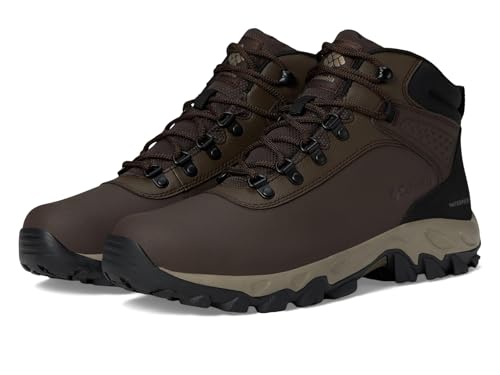
Columbia Newton Explorer

Merrell Moab 3 Mid Waterproof Hiking Boots

KEEN Men’s Targhee 4 Waterproof Hiking Shoes

KEEN Men’s KS86 Retro Style Sneakers
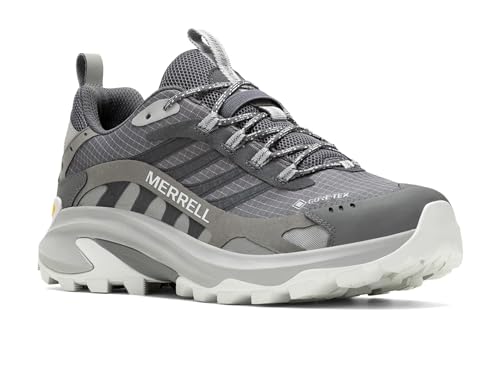
Merrell Moab Speed 2 GTX
Taking A Closer Look At The Options
The Moab 3 is the kind of low-cut hiker that quietly becomes the default for a reason. It slots in as a comfortable, all-purpose trail shoe for weekend hikers who cover moderate ground and want something that disappears on the foot. A Vibram outsole, a more supportive insole, and a softer, more cushioned midsole define version 3, giving it a planted yet forgiving ride across packed dirt, gravel, and easy rock.
You’ll feel the difference in the underfoot, where grip and cushioning share the work. The mesh and synthetic upper breathes well on warm days, and the lace-to-toe closure lets you dial fit across the forefoot. For day loops, fire roads, and casual trail time, this is the dependable starting point on the list.
Where It Delivers
- Vibram outsole grips well on loose gravel, roots, and damp rock.
- Updated insole and midsole add noticeable cushion on long days.
- Low-cut profile keeps weight and stiffness down for fast movement.
- Breathable upper suits spring through fall use in dry conditions.
Honest Caveats
- Not waterproof, so wet grass and puddles will soak through quickly.
- Low cut leaves ankles exposed on uneven or rocky terrain.
Key Specs
Who It Suits Best
Casual hikers and weekend trail walkers who want a comfortable, breathable low-cut shoe for dry-day adventures.
Where Another Pick Suits Better
For ankle support on rocky terrain, the Merrell Men’s Moab 3 Mid Hiking Boot is the smarter upgrade.
Take the Moab 3 and pull it up around the ankle, and you get this mid-cut version. It carries the same updated midsole and Vibram outsole that made the low-cut version a favorite, with extra height that steadies the foot on uneven ground. For hikers moving from easy paths onto rocky or root-strewn trails, the support shows up exactly where you want it.
Compared to the first pick on this list, the trade-off is straightforward: more stability, slightly more weight, and a stiffer feel underfoot. That’s the right call when loads get heavier or descents get steeper. The lacing system still runs deep enough to fine-tune fit over the bridge of the foot.
Strengths Worth Knowing
- Mid-cut collar adds real ankle stability on rough terrain.
- Same Vibram outsole platform as the low-cut Moab 3.
- Cushioned midsole softens long-mile days and heavy pack loads.
- Durable construction handles repeated trail use well.
Things To Consider
- Heavier and warmer than the low-cut Moab 3.
- Not waterproof, so wet conditions will still find their way in.
Feature Snapshot
Made For
Hikers tackling rocky, sloped, or uneven terrain who want the comfort of the Moab line with extra ankle protection.
Look Elsewhere When
Wet weather is the main reason to consider the Merrell Moab 3 Mid Waterproof Hiking Boots instead.
The Newton Explorer shifts the conversation toward wet weather and lasting comfort. A waterproof leather upper pairs with Columbia’s Omni-Tech waterproof breathable construction to keep water out while letting heat escape. Underneath, a Techlite lightweight midsole delivers long-lasting cushioning and high energy return, which matters more on long trail days than most spec sheets suggest.
This is a different personality from the Moab line: heavier, more structured, and built for hikers who regularly deal with rain, mud, and stream crossings. The leather upper takes a little longer to break in than mesh, but it pays you back in durability and weather resistance over time.
The Value In It
- Omni-Tech waterproof construction keeps feet dry in wet conditions.
- Techlite midsole offers strong energy return for long-mile comfort.
- Leather upper resists abrasion and lasts through heavy use.
- Stable platform handles moderate loads and uneven ground well.
Trade Offs
- Leather takes longer to break in than mesh hiker uppers.
- Heavier than the Moab 3 low-cut option.
Feature Card
Right Fit For
Hikers in rainy climates or those who cross streams and wet trails often and want a durable waterproof shoe.
A Better Fit Elsewhere
For a lighter dry-day shoe, the Merrell Moab 3 Hiking Shoe is easier on the feet over a long loop.
This is the Moab 3 mid-cut built for water. Take the supportive mid-cut shape from pick two and add a waterproof membrane, and the result handles stream crossings, morning dew, and surprise rain without missing a step. The familiar Vibram outsole and cushioned midsole carry over, so the ride underfoot feels familiar to anyone who has worn the line.
Where this boot earns its place is on damp, cool trails where a non-waterproof hiker would leave you with cold, wet feet halfway in. The trade-off shows up in breathability, since waterproof membranes trap heat. For most three-season hikers, that is a worthwhile swap.
Strong Points
- Waterproof construction handles puddles, rain, and stream crossings.
- Mid-cut collar supports ankles on uneven or sloped terrain.
- Vibram outsole grips well on wet rock and loose dirt.
- Cushioned midsole keeps long-mile fatigue in check.
Points To Note
- Less breathable than the non-waterproof Moab 3 mid.
- Heavier than low-cut options, which adds up over distance.
Quick Facts
Who Will Love This
Three-season hikers who face wet trails, stream crossings, or unpredictable weather and want ankle support with waterproofing.
Consider Something Else When
For dry, hot conditions where breathability matters more, the Merrell Moab 3 Hiking Shoe is a lighter call.
The Targhee 4 is KEEN’s answer for hikers who want one shoe that handles a lot. A durable direct-attach construction fuses the upper and outsole into a single unit, which means fewer seams and a longer service life. Add the KEEN.DRY waterproof lining and all-terrain traction, and you have a low-cut hiker that feels planted underfoot.
What separates this from the Moab line is the fit. KEEN builds its shoes on a wider last, which suits hikers with broader feet or anyone who simply wants more room in the toe box. The aggressive lug pattern bites into soft ground, and the roomy forefoot keeps toes happy on long descents.
Noteworthy Benefits
- Direct-attach construction improves durability and longevity.
- KEEN.DRY waterproof lining handles wet trails and weather.
- Wider last suits hikers with broad feet or roomy fit preferences.
- All-terrain outsole grips loose dirt, gravel, and mud.
Worth Bearing In Mind
- Wider fit may feel loose for hikers with narrow feet.
Best Suited To
Hikers with wider feet who want a durable, waterproof trail shoe for rugged day hikes and backpacking.
Swap It Out When
For a narrower, more athletic fit, the Merrell Moab Speed 2 GTX sits closer to the foot.
The KS86 is the outlier on this list, and that is the point. KEEN took its wider-foot heritage and a recycled mesh upper (or eco-friendlier leather option) and built something that looks more like a retro sneaker than a trail hiker. The aggressive tread pattern gives away the outdoor DNA, though. This is a hybrid for travel days, campground walks, city-to-trail transitions, and casual weekends where you want one shoe that does both.
Where it sits is between lifestyle and light outdoor use. Compared to the Moab 3 or Targhee 4, the KS86 trades serious support and waterproofing for a lighter, more flexible feel and a look that works off the trail. That is the right call for many people, and the wrong call for others.
What It Does Well
- Retro styling works with everyday casual outfits.
- Lightweight and flexible for all-day comfort.
- Aggressive tread grips light trails and uneven sidewalks.
- Recycled mesh and leather options add eco-friendly choices.
Some Limits To Know
- No waterproof membrane, so wet conditions are off the table.
- Lacks the support needed for serious backcountry terrain.
Perfect Match For
Travelers and casual outdoor users who want a versatile sneaker for light trails, campgrounds, and everyday wear.
Reach For A Different Pick When
For real trail days in wet or rough terrain, the KEEN Targhee 4 is the stronger outdoor choice.
The Moab Speed 2 GTX is Merrell’s athletic hiker, pairing trail-running DNA with the comfort platform the Moab line is known for. Vibram TC5+ rubber, specially formulated for Merrell, brings improved traction with redesigned lugs. A Gore-Tex (GTX) membrane adds waterproofing, so the Speed handles mixed terrain and wet ground in a single shoe.
This is the fastest-feeling option on the list, and for hikers who move quickly or want one shoe for varied conditions, that matters. Compared to the standard Moab 3, the Speed trades a bit of overall support for a more athletic, responsive ride. The trade-off shows up on heavy pack loads, where a more traditional hiker feels steadier.
A Strong Showing
- Gore-Tex membrane keeps feet dry in rain and wet terrain.
- Vibram TC5+ outsole delivers strong grip and redesigned traction lugs.
- Athletic, lightweight feel suits fast-paced hiking and longer days.
- Breaks in quickly and feels comfortable from the first wear.
- Versatile across dry trails, wet rock, and mixed conditions.
Practical Considerations
- Less ankle support than mid-cut Moab 3 options.
- Less stable under very heavy pack loads than traditional hikers.
Who Should Grab It
Active hikers and fast movers who want a waterproof, athletic shoe for mixed terrain and varied weather.
Where A Sibling Pick Shines
For heavy pack loads or rocky terrain where ankle support matters, the Merrell Moab 3 Mid Hiking Boot is the better fit.
Choosing Outdoor Shoes That Match How You Hike
Fit Comes First, Everything Else Follows
A shoe that fits your foot shape will outperform a better-built shoe that fights your foot every step. Trying on with the socks you actually hike in, and walking a few minutes on a sloped surface, reveals more than any spec sheet. Toe room, heel lock, and midfoot security are the three things to dial in before worrying about waterproofing or outsole design.
Match The Cut To The Terrain
Low-cut shoes like the Merrell Moab 3 or KEEN Targhee 4 feel light and quick on graded trails. Mid-cut boots add ankle support, which helps on rocky, rooty, or uneven ground. For mixed terrain, your call depends on what annoys you more: a touch of ankle wobble or a touch of extra weight.
Waterproofing Is A Climate Decision
Waterproof membranes, like the Gore-Tex in the Moab Speed 2 GTX or the KEEN.DRY lining in the Targhee 4, keep feet dry but trap heat. In hot, dry conditions, they work against you. In wet, cool, or unpredictable weather, they are the difference between a good day and a miserable one. Choose based on the climate you hike in most, not the worst-case day you might face.
Outsole And Cushion Affect Fatigue
Vibram rubber outsoles, found across the Moab line, grip well across varied surfaces. Cushioned midsoles reduce fatigue over long miles, which matters more than people expect on full-day hikes. Lightweight shoes save energy on long walks, but heavier, more structured shoes steady you on rough descents.
What To Watch For Before You Buy
Common Shopping Slip Ups
Treating waterproofing as a default feature leads to hot, sweaty feet on dry summer trails. Choosing the wrong cut height, often picking a low-cut shoe for terrain that needed mid-cut support, leaves ankles sore and unstable. Skipping a real try-on, ordering online without testing fit with hiking socks, is the most common reason returns happen.
Where The Extra Money Goes
Higher-tier hiking shoes cost more because the construction methods last longer, the membranes breathe while keeping water out, and the outsoles grip on technical terrain. Direct-attach construction on the KEEN Targhee 4, for example, adds years of service life. For hikers who log real miles, the upgrade often pays for itself in fewer replacements and more comfortable days on the trail.
Frequently Asked Questions
How do I know if I need a low-cut or mid-cut hiking shoe?
Low-cut shoes work best for graded trails and shorter distances where ankle support is less critical. Mid-cut boots help on uneven, rocky, or sloped terrain and under heavier pack loads, where added stability reduces fatigue and the risk of rolls.
Are waterproof hiking shoes worth it?
Waterproof shoes are worth it in wet climates, rainy seasons, and on trails with stream crossings. They run warmer than non-waterproof options, so in dry, hot conditions a breathable non-waterproof shoe is usually the better call.
How long should a pair of hiking shoes last?
A well-built pair of hiking shoes typically lasts several hundred miles of regular use, though the exact range depends on terrain, pack weight, and care. Direct-attach construction and full rubber outsoles tend to outlast lighter, glued designs.
Can I use running shoes for hiking instead?
Running shoes handle easy, graded trails fine, but they lack the protection, support, and traction of dedicated hiking shoes on rough or uneven terrain. For anything beyond a casual walk, a hiking-specific shoe is a safer and more comfortable choice.
How should hiking shoes fit when trying them on?
Your toes should have room to move without sliding, your heel should stay locked without lifting, and the midfoot should feel secure without pressure points. Trying on with hiking socks and walking a few minutes gives a clearer read than standing still.
Final Take
The right outdoor shoe depends less on the trail you want to hike and more on the trail you actually hike most. Dry-day walkers will love the Moab 3’s comfort. Wet-weather hikers get more from the waterproof options. Active movers and varied-terrain hikers will appreciate the Moab Speed 2 GTX. Match the shoe to your climate, terrain, and foot, and the rest of the day takes care of itself.