A great road cycling shoe quietly does its job. You stop noticing it after the first ten miles, your foot stays cool, and the power you put down actually shows up on the road. The wrong shoe turns every climb into a wrestling match with your own feet, so getting the fit and closure system right matters far more than chasing a flashy brand label.
You’re shopping in a category crowded with look-alikes, where outsoles range from entry-level nylon to full carbon, and closure systems go from Velcro straps to twin BOA dials. Your cleat setup, riding style, and how long you sit in the saddle all shape what counts as the right pick. The list below covers road shoes, a triathlon-friendly pair, an indoor cycling option, an off-road crossover, and a sock upgrade to round out the kit.
The Main Contenders


Fizik Transiro Hydra Triathlon Shoes

SHIMANO SH-ME201 Trail Cycling Shoes

DANISH ENDURANCE Crew Cycling Socks

SHIMANO SH-IC100 Indoor Cycling Shoe

Fizik Unisex-Adult Tempo Decos Carbon
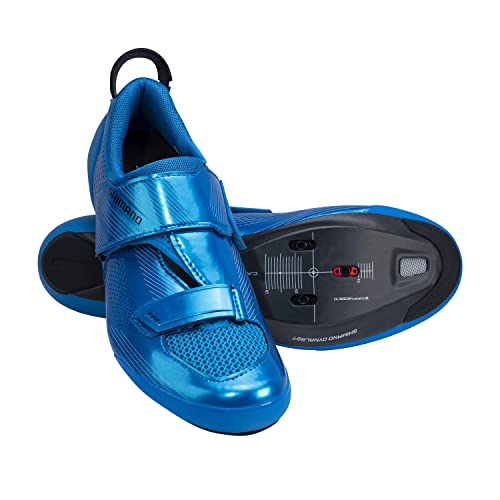
SHIMANO SH-TR901 Triathlon Racing Shoe
What Each Pick Brings To The Table
The SCOTT Road Comp BOA lands in that sweet spot where newcomers get a real cycling shoe without paying flagship prices. A BOA L6 dial (a wire-and-dial closure that tightens evenly across the top of the foot) handles micro-adjustments, while a lower strap wraps the forefoot for a more secure feel on long pulls out of the saddle.
Compared to the much pricier Fizik Tempo Decos Carbon later in this list, the SCOTT trades some outright stiffness for a friendlier entry point. For weekend group rides and first-century training, that balance tends to make more sense than chasing every watt of efficiency.
Useful Strengths
- BOA L6 dial lets you fine-tune tension mid-ride without stopping
- Adaptive-fit upper pattern conforms to a range of foot shapes
- Anatomically shaped strap reduces pressure across the forefoot on long climbs
- ErgoLogic insole with arch support and metatarsal button adds comfort on multi-hour rides
Things To Consider
- Outsole stiffness sits below full-carbon options, so sprinting watts aren’t quite as direct
- Ventilation is moderate, which can leave feet warm on summer centuries
Built With In Mind
New road riders building their first proper kit who want BOA convenience without stepping into premium pricing.
Consider Something Else When
Riders chasing maximum stiffness for racing should look at the Fizik Tempo Decos Carbon instead.
The Fizik Transiro Hydra sits in Fizik’s triathlon line, aimed squarely at riders who need to get in and out of the bike fast. A breathable upper keeps things tolerable during the run-bike-run grind, and a moderately stiff nylon outsole keeps the pedal stroke honest without making the shoe feel like a wooden plank.
Where the SCOTT Road Comp earlier focuses on relaxed all-day road comfort, the Hydra leans into race-day practicality. For sprint-distance triathletes, that trade-off usually makes sense.
Bright Spots
- Breathable mesh upper helps feet dry between swim-to-bike and bike-to-run transitions
- Moderately stiff nylon outsole balances pedaling efficiency with off-bike comfort
- Construction is built around quick entry and exit at transition zones
Room For Improvement
- Lacks the outright rigidity of a carbon race sole for max-effort sprints
- Nylon platform adds a touch of weight compared to full carbon tri shoes
- Highly specialized design means less useful as an everyday road shoe
Made For
Multi-sport athletes who prioritize fast T2 transitions over outright power transfer on the bike leg.
A Better Fit Elsewhere
Riders focused on pure road performance should reach for the Fizik Tempo Decos Carbon instead.
The SHIMANO SH-ME201 belongs to the brand’s LSG performance off-road line, which means it’s at home on gravel paths and forest trails as much as on tarmac. Shimano builds these as cross-country and trail shoes, so the outsole has traction for hike-a-bike sections that a pure road shoe would just skate through.
This one breaks from the road-only theme of the rest of the list, and that’s on purpose. Plenty of riders mix pavement with hardpack, and a road-only shoe gets sketchy fast on loose surfaces.
Positive Takeaways
- Trail-ready outsole grips dirt, gravel, and wet roots far better than a slick road sole
- Cross-country pedigree handles rough terrain without sacrificing pedaling efficiency
- Durable upper construction holds up to brush and the occasional rock strike
Worth Noting
- Not optimized for pure road racing, so watts on smooth tarmac are slightly muted
- Tread pattern adds weight compared to stripped-down road shoes
Best Suited To
Gravel riders and trail explorers who occasionally link up paved roads to reach their off-road routes.
Look Elsewhere When
Pure road riders chasing maximum efficiency should consider the Fizik Tempo Decos Carbon instead.
Pulling on a proper pair of cycling socks before a long ride sounds like a small thing, but it’s the kind of detail that separates a pleasant century from a hot-footed slog. DANISH ENDURANCE makes crew-height socks that focus on moisture management and cushioning under the ball of the foot, which is exactly where pressure builds up over hours in the saddle.
Among the items here, this is the only non-shoe entry, and that matters. The SCOTT Road Comp reviewed above deserves a sock that keeps up, and a soggy cotton sock inside a ventilated shoe undoes a lot of the engineering.
What Works In Its Favor
- Fast-dry fabric pulls moisture off hot spots during long climbs
- Cushioned sole panel softens pressure under the forefoot on multi-hour rides
- Crew height suits road shoes without bunching above the ankle
Trade Offs
- Thicker cushioning adds a touch of warmth in summer conditions
- Multi-pack sizing means choosing between 3-pack and 5-pack options
Who Should Grab It
Long-mile road and gravel riders who want a sock that complements a stiffer shoe rather than fighting it.
Reach For A Different Pick When
Riders who only need a single apparel piece should prioritize the SCOTT Road Comp BOA Shoe for their main cycling footwear.
The SHIMANO SH-IC100 is purpose-built for indoor cycling, which means it handles SPD cleats (the two-bolt system common on spin bikes and trainers) and the repetitive, high-cadence work of a smart trainer or studio session. Shimano designed it as a high-performance indoor shoe, and that focus shows in the breathable mesh upper that keeps feet from overheating in a non-moving room.
Compared to the SCOTT Road Comp reviewed earlier, the IC100 trades road-style stiffness for a setup that thrives under artificial conditions. Outdoors, you wouldn’t choose this over a proper road shoe, but for Zwift sessions and spin class, it’s well-tuned.
Notable Gains
- Ventilated mesh upper manages heat during high-intensity indoor intervals
- SPD-compatible cleat mounting works with most smart trainers and studio bikes
- Comfortable enough for long trainer sessions without the usual hotspots
Points To Note
- Not designed for outdoor road riding, so outsole grip and stiffness reflect that
- SPD-only cleat setup won’t pair with road-specific three-bolt systems
Who Will Love This
Home trainer users and studio riders who log serious indoor mileage and want a shoe that fits the job.
Skip It When
Riders planning outdoor road miles as their main activity should pick the SCOTT Road Comp BOA Shoe instead.
The Fizik Tempo Decos Carbon sits at the top of the Fizik road lineup, blending a full-carbon outsole with a minimalist upper design. Carbon outsoles are the stiffest platform available in cycling shoes, which means more of your leg energy reaches the pedal instead of getting absorbed by sole flex.
Earlier picks like the SCOTT Road Comp prioritize accessibility and comfort, while the Tempo Decos Carbon leans into the other end of the spectrum. For riders who measure rides by watts and care about every gram, the jump in price buys tangible performance.
Good Reasons To Consider
- Full carbon outsole delivers maximum power transfer on hard efforts
- Minimalist upper reduces weight and bulk without sacrificing support
- Built to merge performance with day-long riding comfort
- Unisex-adult sizing opens the design to a wider range of foot shapes
Soft Spots
- Stiffer platform can feel punishing on long, low-intensity rides for some riders
- Premium build puts it well above entry-level budgets
The Right Fit
Serious road cyclists and performance-focused enthusiasts who log structured training and want every watt counted.
Swap It Out When
Newer riders or budget-conscious shoppers will get more value from the SCOTT Road Comp BOA Shoe.
The SHIMANO SH-TR901 is built specifically for triathlon racing, and that intent shows up in every design choice. A rigid carbon fiber sole moves power efficiently, while a wide opening, single-strap fastening, and large heel pull make the shoe quick to get on and off in a transition.
Compared to the Fizik Transiro Hydra earlier, the TR901 pushes harder on stiffness and speed. The Hydra is more approachable for amateur racers, while the TR901 leans toward the demands of pro-level racing where seconds matter.
Useful Touches
- Rigid, lightweight carbon fiber sole maximizes power transfer over the bike leg
- Extra-wide opening makes post-swim entry fast and hassle-free
- Large heel loop speeds up transitions when every second counts
- Quick-drying, well-ventilated construction handles race-day heat
Honest Caveats
- Racing-focused design offers less day-to-day comfort than a regular road shoe
- Single-strap closure lacks the micro-adjustment of twin BOA dials
Whose Shelf It Belongs On
Competitive triathletes chasing every transition second and every watt on the bike leg.
Where A Sibling Pick Shines
Recreational multi-sport athletes may find the Fizik Transiro Hydra more comfortable and easier on the wallet.
Choosing The Right Cycling Shoe For Your Riding Style
Outsole Material And Stiffness
The outsole is the platform between your foot and the pedal, and its stiffness rating matters more than most riders realize. Nylon and fiberglass blends flex slightly under hard efforts, which is fine for casual riding. Carbon soles are noticeably stiffer and transfer more energy directly into the pedals. For long climbs and sprints, the difference adds up.
Closure System Fit
BOA dials (wire lacing tightened with a small rotary knob) allow micro-adjustments on the fly, which helps during long rides when feet swell. Velcro straps work and weigh less but require stopping to readjust. Ratchet buckles sit between the two. Match the closure to how often you tweak fit mid-ride.
Cleat Compatibility
Road cycling shoes typically use a three-bolt cleat system, while indoor and many mountain bike setups use the two-bolt SPD pattern. Before you commit, check what pedals your bike actually has. Buying a road shoe for an SP setup means new cleats and frustration at the first ride.
Intended Use
A pure road shoe underperforms on gravel the moment you hit loose dirt. A trail shoe wastes watts on smooth tarmac. Triathlon shoes prioritize transition speed over all-day comfort. Match the shoe to where you actually ride most often.
Key Considerations Across These Picks
Pitfalls Shoppers Hit
A common mistake is choosing the stiffest shoe on the shelf, assuming more stiffness always equals more performance. For riders new to cycling or those with foot sensitivity, an overly stiff platform can cause numbness and hotspots within an hour. The SCOTT Road Comp and the SHIMANO IC100 both prove that comfort-focused builds still deliver solid performance.
Where The Extra Money Goes
Premium road shoes like the Fizik Tempo Decos Carbon and the SHIMANO TR901 spend most of their higher cost on carbon outsoles, lighter uppers, and refined closures. For riders logging structured training or racing, those upgrades translate into measurable efficiency. For weekend riders, the extra cost usually buys diminishing returns.
Frequently Asked Questions
Do I really need cycling-specific shoes?
Yes, for any regular riding. Cycling-specific shoes connect securely to your pedals and keep your feet stable through every pedal stroke. Regular sneakers flex under load and waste energy.
How tight should a road cycling shoe fit?
Snug, but not painful. Your toes should have a small amount of room at the front, and your heel shouldn’t lift when you pedal. Tightening too much causes numbness on longer rides.
What’s the difference between road and triathlon shoes?
Triathlon shoes prioritize quick entry and exit at transitions, often with a single strap and a wide opening. Road shoes focus on all-day comfort and power transfer, usually with more adjustment options.
Can I use indoor cycling shoes outside?
You can, but the outsole traction and ventilation are tuned for stationary riding. For outdoor miles, a road or trail shoe handles real-world surfaces much better.
How long do cycling shoes typically last?
With regular use, a quality pair lasts several seasons. The outsole and closure tend to outlast the upper, which can wear through at the cleat mounting points over time.
Closing Remarks
The right shoe makes your rides disappear into the background, leaving you focused on the road ahead. Match the build to your riding style, your cleat setup, and how often you tweak fit mid-ride, and you’ll spend more time enjoying the miles and less time thinking about your feet. Whichever pick you land on, a proper fit matters more than any feature list.