Picking the right road running trainers changes how every mile feels underfoot. The wrong pair can leave your shins barking after a week of easy jogs, while the right one disappears on your feet and lets you focus on cadence, not cushion. This guide walks through six well-regarded options built for different runners, from short-loop commuters to marathon-block loggers, so you can match the shoe to the way you actually train.
The Picks In Brief

Nike Free Metcon Cross Trainer (Black, 8 US)
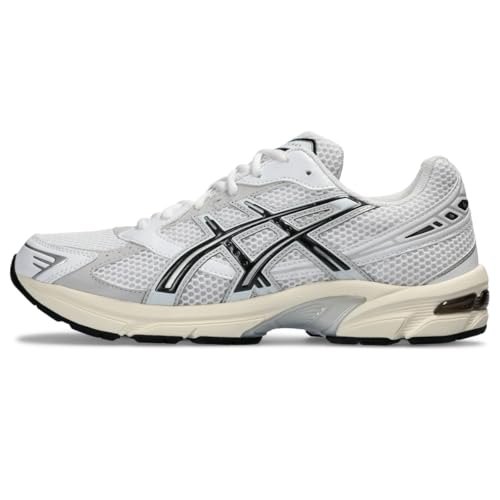
ASICS Men’s GEL-1130 Sportstyle Shoes
ASICS Men’s Gel-Excite 11 Running Shoes

ASICS Men’s Gel-Contend 9 Running Shoes

Saucony Men’s Triumph 22 Sneaker

The Strengths Of Each Pick
The Free Metcon sits in an interesting middle ground: flexible enough for box jumps and agility ladders, sturdy enough at the midfoot and heel to handle heavier compound lifts. The “chain” mesh upper gives it a breathable, sock-like wrap that moves with your foot rather than fighting it, which matters when your warm-up flows straight into a 3-mile cool-down jog.
For runners who split their week between the weight room and the pavement, this pair covers both sides without forcing a compromise. Compared to the pure road trainers later in this list, it trades a touch of plush cushion for lateral stability, a worthwhile swap when your training day involves more than just forward motion. Beginners and hybrid athletes tend to get the most out of this profile.
Everyday Advantages
- Flexible forefoot lets your toes splay naturally during agility drills and short runs.
- Reinforced midfoot and heel give you a planted base under heavy squats or carries.
- Lightweight chain mesh keeps the shoe airy during long gym sessions.
- The hybrid build removes the need for a second pair if you train indoors and out.
- Wide, flat platform improves balance during single-leg work.
Things To Consider
- Cushioning is firmer than a dedicated road trainer, which can feel thin on long easy runs.
- The black mesh shows dust and chalk in gym environments, so plan on wiping it down weekly.
- Not built for true distance work beyond a few miles per session.
Who It Suits Best
Runners who log 3 to 10 miles per week and pair those sessions with strength training in a gym setting.
Look Elsewhere When
Pure pavement loggers covering high weekly mileage should reach for the Saucony Triumph 22, which offers noticeably more underfoot cushion.
The GEL-1130 draws its DNA from ASICS running archives, specifically the stability silhouettes of the late 2000s. The shape carries the chunky, slightly retro look that has cycled back into style, while the underlying construction borrows from the GEL-KAYANO 14 lineage for a supported, structured ride. The suede paneling adds a touch of texture that helps the shoe read as casual wear first and trainer second.
This is the pair to consider when your running is light and your day is mostly spent on your feet in coffee shops, commutes, or weekend errands. Runners who treat shoes as an extension of their wardrobe will appreciate that this one looks intentional with jeans or joggers. Compared to the Gel-Excite 11 reviewed next, the 1130 leans lifestyle over performance.
Useful Highlights
- Heritage silhouette brings a distinct retro running aesthetic.
- Suede paneling adds texture and visual depth for casual outfits.
- Stable platform borrows from a proven stability lineage.
- Comfortable straight out of the box, with no real break-in period.
Honest Caveats
- Not designed for high-mileage running, so weekly distance over 10 miles may wear it out quickly.
- Suede requires a soft brush and occasional protector spray to keep clean.
- The sportstyle build runs heavier than true performance trainers.
Made For
Runners who split their time between light jogging and full days on their feet, and want one shoe that handles both.
Swap It Out When
Runners chasing soft, responsive daily mileage should consider the Saucony Cohesion 18, which delivers more athletic cushioning underfoot.
New runners and those returning after a break tend to want the same thing: a soft, forgiving trainer that doesn’t punish tired feet. The Gel-Excite 11 leans on an engineered jacquard mesh upper that wraps the foot in breathable comfort, paired with a generous midsole that softens each landing. The polyester build keeps weight low, which matters when your legs haven’t yet built up aerobic base.
For someone easing into a 5K plan or rebuilding consistency, the Excite 11 covers the basics without overcomplicating the experience. The lace-up closure locks in a secure midfoot, and the overall ride feels neutral rather than aggressive. It plays nicely as a daily trainer for short-to-mid distance runs, and it serves as a quieter, more cushioned alternative to the sportstyle GEL-1130.
Reasons It Performs
- Breathable jacquard mesh upper keeps feet cool on warm-weather runs.
- Plush midsole softens impact for new runners with sensitive joints.
- Lightweight construction reduces leg fatigue on early-training runs.
- Lace-up fit holds the midfoot securely without pressure points.
- Polyester lining adds step-in comfort right out of the box.
- Neutral ride suits a wide range of footstrikes.
Trade-Offs
- The mesh upper dries slowly after wet runs or puddle splashes.
- Midsole cushioning compresses faster than premium foams under heavy mileage.
Quick Facts
Right Fit For
Beginners running three to four times per week on pavement and treadmill alike.
A Better Fit Elsewhere
Runners logging 30-plus miles per week should look at the ASICS Gel-Contend 9 for more durable midsole support under heavier mileage.
The Gel-Contend 9 is what ASICS does best at the entry tier: a stable, cushioned road trainer that doesn’t ask you to overthink your stride. The rearfoot GEL cushioning absorbs impact where runners tend to land hardest, while AMPLIFOAM through the midsole adds a durable layer that holds up under repeat miles. Trusstic Technology keeps the arch from twisting side to side on longer efforts.
For runners who want a straightforward workhorse without premium-tier pricing, this pair covers the bases well. The Ortholite sockliner adds step-in comfort that matters when you’re pulling these on for a pre-work 5K. Compared to the more cushioned Gel-Excite 11, the Contend leans more toward structure and stability, which makes it a sensible pick for heavier runners or anyone wanting extra support.
Advantages To Know
- Rearfoot GEL cushioning softens heel strikes on road runs.
- AMPLIFOAM midsole balances softness with day-to-day durability.
- Trusstic underfoot shank reduces unwanted twisting through the gait cycle.
- Ortholite sockliner adds a comfortable feel right out of the box.
Points To Note
- Polyester upper runs warmer than engineered mesh in summer conditions.
- Heavier than the Gel-Excite 11, which can feel noticeable on tempo days.
- Less responsive under fast turnover compared to premium trainers.
Who Should Grab It
Road runners building consistent weekly mileage who want reliable cushion and structure at a sensible spend.
Consider Something Else When
Runners chasing a more responsive, lively ride for tempo work should look at the Saucony Triumph 22.
The Triumph 22 sits at the top of Saucony’s everyday trainer lineup, and the spec sheet shows why. A PWRRUN PB super foam midsole brings a soft, energetic underfoot feel that bounces back stride after stride, and the full-length XT-900 rubber outsole keeps that foam protected across hundreds of miles. The broader platform and updated rocker geometry make the transition from heel to toe feel smooth rather than choppy.
For runners logging 25 to 50 miles per week, this is the kind of trainer that handles long Sunday runs and recovery jogs on the same day. The premium foam stack gives tired legs a real break, while the engineered upper keeps the foot centered through every stride. Compared to the ASICS Gel-Contend 9 reviewed earlier, the Triumph 22 delivers a noticeably more energetic, cushioned ride.
Noteworthy Benefits
- PWRRUN PB midsole offers plush cushioning that still feels responsive on push-off.
- XT-900 rubber outsole extends the shoe’s lifespan across high weekly mileage.
- Broader platform adds lateral stability for tired-foot landings late in runs.
- Updated rocker geometry supports smoother heel-to-toe transitions.
- Premium build absorbs impact well on hard pavement and concrete.
Practical Considerations
- The plush stack runs warm in summer, so consider a rotation with a lighter shoe.
- Premium foams can feel overly soft for runners who prefer a firmer, more grounded feel.
- Size up if you have a wider foot, as the engineered upper runs narrow through the forefoot.
Feature Snapshot
Best Suited To
High-mileage runners who want a premium-feeling daily trainer for both easy and long sessions.
Not Your Match When
Casual runners who only log short jogs will get more value from the Saucony Cohesion 18.
Saucony’s Cohesion line has long been the brand’s workhorse neutral trainer, and version 18 keeps that reputation intact. The VersaRun cushioning delivers a softer, more forgiving underfoot feel than older Cohesion models, while the overall build stays simple and durable. For runners who want a versatile shoe that handles neighborhood runs, gym sessions, and weekend errands without fuss, this one fits the brief.
It also pulls double duty as an all-day comfort shoe for people who spend hours standing. The neutral platform doesn’t push your foot into a specific stride pattern, which works well for casual runners and walkers alike. Compared to the premium Triumph 22 reviewed earlier, the Cohesion trades a touch of plush responsiveness for a more accessible price point and a versatile, easy-to-wear profile.
Strengths Worth Knowing
- VersaRun cushioning softens impact during longer neighborhood runs.
- Neutral platform works well for casual runners and walkers.
- Comfortable, secure fit makes it a solid all-day option.
- Simple construction holds up well to varied weekly use.
Factors To Consider
- Cushioning feels less energetic than the Triumph 22 under faster paces.
- Not built for serious mileage or structured training plans.
- Limited colorway variety may not suit every wardrobe preference.
The Right Fit
Casual runners who want one pair that handles light jogging, walking, and everyday wear without compromise.
Reach For A Different Pick When
Runners focused on the gym and hybrid training will get more value from the Nike Free Metcon Cross Trainer.
What To Weigh Before Choosing Your Next Pair
Cushioning Stack And Ride Feel
The midsole foam in a road trainer does most of the heavy lifting on each footstrike, absorbing impact and returning energy as you push off. A plush stack like the one in the Saucony Triumph 22 gives tired legs a real break on long runs, while firmer setups like the Nike Free Metcon Cross Trainer feel more grounded during lifts. Runners logging heavy weekly mileage usually benefit from softer foams, while hybrid athletes often prefer firmer, more stable platforms.
Upper Fit And Breathability
The upper material shapes how the shoe feels around your foot, especially in warm weather or on humid days. Engineered mesh designs like the ASICS Gel-Excite 11 promote airflow and reduce hotspots, while suede-paneled sportstyle builds prioritize texture and visual style over ventilation. Runners with wider feet should look for engineered uppers that stretch slightly, while narrower-footed runners can lock down on more structured silhouettes.
Stability Versus Neutral Platforms
Stability shoes use firmer posts or shanks like the Trusstic Technology in the Gel-Contend 9 to guide the foot through a controlled gait cycle. Neutral shoes leave the foot to land and push off without intervention, which suits runners with efficient mechanics. Heavier runners, overpronators, and anyone recovering from injury tend to benefit from added stability, while neutral runners usually prefer the freedom of a balanced platform.
Outsole Durability And Road Feel
The rubber compound on the outsole determines how long a trainer holds up under repeat pavement pounding. Premium compounds like Saucony’s XT-900 rubber extend lifespan noticeably, while entry-level outsoles wear down faster under heavy mileage. Runners logging 20-plus miles per week should prioritize durability, while casual runners can usually get by with lighter, less aggressive rubber layouts.
Key Considerations Across These Picks
Wrong Turns To Avoid
First-time road runner purchases often default to whichever shoe looks most aggressive or carries the loudest branding. The honest read is that a flashy silhouette can mask a midsole that doesn’t suit your gait. Fit, foam feel, and intended use matter far more than exterior style. Skipping a proper size check is another common trap, since road trainers tend to fit slightly tighter than casual sneakers.
Where The Extra Money Goes
Higher-tier trainers like the Saucony Triumph 22 invest most of their added cost in proprietary midsole foams, which deliver softer landings and better energy return over long miles. Premium outsoles, engineered uppers, and refined rocker geometry also factor into the price jump. For runners logging 25-plus miles per week, that upgrade pays back through comfort and durability. Casual runners rarely need that level of refinement, so the extra spend can stay in your pocket.
Frequently Asked Questions
How Often Should Road Running Trainers Be Replaced?
Most road trainers last 300 to 500 miles before the midsole foam loses its responsive feel. Runners logging high weekly mileage may need a fresh pair every four to six months, while casual runners can often stretch a single pair across a full year.
Do I Need A Break-In Period For New Road Trainers?
Modern road trainers typically feel comfortable right out of the box, especially models with engineered mesh uppers. A few short walks or easy jogs can help the foam settle into your stride, but most runners won’t need a long break-in window.
Are Stability Shoes Better For Beginners?
Stability shoes can help beginners who overpronate or want extra guidance through the gait cycle, but many newer runners do well in neutral trainers too. The right answer depends on your foot mechanics and any history of injury, not just experience level.
Can I Use Road Trainers On Trails?
Road trainers are designed for pavement and struggle on loose dirt, mud, or technical terrain. If your runs include gravel paths or grass, consider a hybrid trainer or save your road pair for paved surfaces only.
How Important Is Shoe Weight For Runners?
Shoe weight affects leg fatigue, especially over longer distances, but lighter shoes often sacrifice cushioning or durability. Runners logging short sessions won’t notice much difference, while marathon training benefits more from a balanced build than an ultralight one.
The Takeaway
The best trainers match your weekly mileage, your stride, and the surfaces you run on, not just the brand on the box. Take stock of how often you run, where you run, and what feels comfortable underfoot, then pick the pair that lines up with those honest answers. Your feet will tell you which one was the right call within the first few miles.