Overpronation can quietly sabotage a running routine. The foot rolls inward past a neutral position, the arch flattens a beat too long, and before long the shin or knee starts complaining. The right pair of running shoes, built around medial stability, firm arch support, and a structured midfoot, can change how every mile feels. For runners whose gait leans inward on every landing, this list narrows the field to six pairs worth a serious look, with honest trade-offs for each.
The Lineup, Simplified
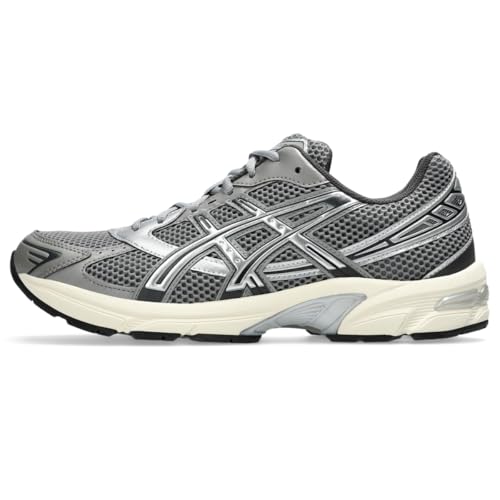
ASICS GEL-1130 Sportstyle Shoes

Brooks Adrenaline GTS 22 Supportive Running Shoe
ASICS Gel-Excite 11 Running Shoes

ASICS Gel-Contend 9 Road Running Shoes

Saucony Triumph 22 Sneaker

Saucony Cohesion 18
What Each Pick Brings To The Table
The GEL-1130 borrows its structural language from a stability runner that ASICS has been refining since the late 2000s, then wraps that geometry in suede and mesh suited to everyday wear. The platform here is built around the same lineage as the GEL-KAYANO series, so runners who need firm medial guidance get a familiar, structured ride without the overtly technical look of a racing flat.
Compared with the heavier-duty stability picks below, this one leans lifestyle. For runners who log moderate miles through the week and want a shoe that transitions easily from a sidewalk loop to a coffee stop, the GEL-1130 handles both roles. You trade some of the aggressive pronation-control hardware found in dedicated support shoes for a cleaner silhouette.
Useful Strengths
- Stability geometry inherited from a long-running ASICS support line, giving overpronators a structured platform underfoot.
- Suede and mesh construction keeps the upper breathable enough for warm-weather runs without feeling overly technical.
- Heritage styling pairs well with casual outfits, so the shoe earns its keep off the running route too.
- GEL cushioning under the heel softens impact on harder pavement and sidewalks.
Things To Consider
- Built more for daily wear than high-mileage training, so heavy weekly volume may wear the midsole faster than a dedicated runner.
- Suede panels need occasional cleaning to keep their look, especially after dusty or wet runs.
Who It Suits Best
Runners with mild to moderate overpronation who split time between casual miles and everyday wear, and who want support without a chunky technical look.
Skip It When
Your training volume climbs above five runs a week, in which case the Brooks Adrenaline GTS 22 will hold up better under repeated impact.
The Adrenaline GTS line has spent years as a default recommendation for runners whose feet collapse inward, and the GTS 22 keeps that reputation intact. Brooks uses GuideRails, which are firm structures on either side of the heel and midfoot, to keep the foot tracking straighter through the gait cycle. The frame does the work, so the foot doesn’t have to fight its own alignment.
Where the ASICS GEL-1130 leans casual, the GTS 22 is purpose-built. For someone running four to six days a week on pavement, the structured platform pays off across long-term durability. Compared with the entry-level ASICS Gel-Contend 9 further down, the GTS 22 brings noticeably more guidance through the heel, which matters when the inward roll is pronounced.
Advantages To Know
- GuideRails support technology addresses inward collapse by stabilizing the knee and ankle rather than just the arch.
- DNA LOFT cushioning softens impact without making the shoe feel unstable under heavier runners.
- Segmented crash pad under the heel encourages smoother heel-to-toe transitions on road runs.
- Engineered mesh upper keeps the foot ventilated during summer mileage and treadmill sessions.
- Widely carried at running shops, so in-person fit checks are often possible.
Points To Note
- The structured platform can feel stiff for runners who prefer a softer, more flexible ride.
- Heavier than the lightweight ASICS Gel-Excite 11, so it isn’t the speed-day pick.
Made For
Daily-mileage runners with moderate to noticeable overpronation who want structured support they can rely on through long training blocks.
Where Another Pick Suits Better
Runners chasing a softer, more cushioned daily trainer may prefer the Saucony Triumph 22, which trades some guidance for a plush ride.
The Gel-Excite 11 is ASICS’s softer, more forgiving entry into the running category. An engineered jacquard mesh upper wraps the foot with a gentle, sock-like feel, while the lace-up closure lets you dial in fit across the midfoot. Underneath, the midsole uses Amplifoam technology paired with rearfoot GEL cushioning to absorb impact where the heel strikes first.
For newer runners easing into a routine, this shoe offers a friendlier step-in feel than the firmer Brooks Adrenaline GTS 22. It’s worth being honest though: the Gel-Excite 11 leans neutral rather than heavily structured, so runners with pronounced overpronation may want more guidance than this shoe provides.
Why It Works Well
- Rearfoot GEL cushioning softens heel strike on pavement, which helps during the early weeks of a routine.
- Engineered jacquard mesh upper breathes well, so the foot stays cooler during summer jogs.
- Lace-up closure allows a customizable fit across the midfoot and instep.
- Lightweight build reduces foot fatigue on shorter daily runs.
Honest Caveats
- Light on dedicated medial support, so severe overpronators may find the inward roll still present.
- Mesh upper can collect dust and debris, and owners commonly report the need for regular cleaning to keep it looking fresh.
- Cushioning breaks down faster than denser midsoles under heavy weekly mileage.
Who Should Grab It
Beginner and intermediate runners with mild overpronation who prioritize comfort and breathability over maximum structure.
Look Elsewhere When
Your inward roll is pronounced enough that you need real medial posts, in which case the Brooks Adrenaline GTS 22 is the safer daily trainer.
The Gel-Contend 9 is ASICS’s accessible entry point for road runners who need structure without paying premium-tier prices. An OrthoLite sockliner steps in for cushioned comfort, while Amplifoam cushioning through the midsole holds up under everyday training. Trusstic Technology, a lightweight resin shank under the midfoot, adds a measure of stability where overpronators tend to collapse inward.
Compared with the pricier Brooks Adrenaline GTS 22, the Contend 9 trims cost by using a simpler guidance system. For most new runners with mild-to-moderate overpronation, that tradeoff feels reasonable. The rearfoot GEL unit absorbs shock on heel strike, which makes shorter runs feel noticeably smoother on hard asphalt.
Practical Advantages
- Trusstic Technology midfoot shank reduces overall shoe weight while reinforcing structural integrity.
- OrthoLite sockliner adds step-in comfort and helps manage moisture during warm runs.
- Rearfoot GEL technology absorbs shock where the foot lands first, easing impact on knees and hips.
- Polyester upper keeps the shoe lightweight and breathable for daily road sessions.
- Reaches a noticeably lower price tier than the Adrenaline GTS 22 or Saucony Triumph 22.
Things To Watch
- Less aggressive medial guidance than premium stability shoes, so severe overpronators may still feel inward roll.
- Foam compresses faster under higher weekly mileage, shortening the lifespan for dedicated daily trainers.
The Right Fit
Recreational road runners with mild-to-moderate overpronation who want genuine ASICS support hardware at a friendlier price point.
Consider Something Else When
You want a more cushioned long-run experience, in which case the Saucony Triumph 22 is the better match for higher weekly volume.
The Saucony Triumph 22 is built around PWRRUN PB super foam, a responsive cushioning compound that gives the shoe its signature plush, energetic feel. Underneath sits a full-length XT-900 rubber outsole, which holds up well over high-mileage training blocks. The updated geometry uses a broader platform and refined rocker shape, so each stride transitions smoothly from heel to toe.
Where the Brooks Adrenaline GTS 22 leans on hard stability hardware, the Triumph 22 takes a softer approach. Runners whose overpronation is mild and who want a cushioned long-run shoe will appreciate the comfort. Runners with pronounced inward collapse may want the firmer guidance of a dedicated stability pick instead.
Practical Pluses
- PWRRUN PB super foam midsole delivers a cushioned, responsive feel across long runs.
- Updated geometry includes a broader platform for steady landings and a refined rocker for smoother transitions.
- Full-length XT-900 rubber outsole handles pavement and light mixed surfaces with reliable grip.
- Plush upper construction wraps the foot without adding noticeable weight.
Softer Spots
- Lighter on dedicated medial structure than the Brooks Adrenaline GTS 22, so heavy overpronators may want firmer support.
- Sits at a noticeably higher price tier than entry-level options.
- Plush midsole can feel unstable to runners used to firm, traditional stability shoes.
Best Suited To
Runners with mild overpronation who log long weekly mileage and prioritize plush cushioning over rigid stability hardware.
Reach For A Different Pick When
Your gait collapses inward enough that you need firmer guidance, in which case the Brooks Adrenaline GTS 22 is the steadier choice.
The Saucony Cohesion 18 is a versatile neutral cushioning shoe that adds extra VersaRun foam through the midsole for a softer ride. The fit is secure without being restrictive, so it works well for runners who log a few road miles a few times a week without committing to high-volume training. It’s the kind of shoe that fits easily into a casual routine.
Compared with the ASICS Gel-Contend 9, the Cohesion 18 sits in a similar everyday category but uses a different foam blend and construction philosophy. For runners whose overpronation is on the milder side, the cushioning and modest guidance can be enough. Heavy inward roll will still call for a shoe with more obvious medial hardware, like the Brooks Adrenaline GTS 22.
What Works In Its Favor
- VersaRun cushioning adds soft comfort under the foot for casual daily runs.
- Comfortable, secure fit works well across a range of foot shapes.
- Reaches an accessible price tier for budget-minded runners.
- Lightweight enough for short recovery runs and walking days.
Where It May Fall Short
- Neutral cushioning rather than dedicated stability, so severe overpronators should look elsewhere.
- Cushioning breaks down faster than denser midsoles under heavy weekly mileage.
- Limited structural features compared with ASICS Gel-Contend 9 or Brooks Adrenaline GTS 22.
Whose Shelf It Belongs On
Casual road runners with mild overpronation who want a comfortable, affordable daily trainer without heavy stability hardware.
Swap It Out When
Your gait leans heavily inward, in which case the Brooks Adrenaline GTS 22 offers the kind of structured guidance the Cohesion 18 lacks.
How To Choose The Right Mens Running Shoes For Overpronation
A stability shoe earns its keep through three systems working together. The first is medial support, which can take the form of a denser post under the arch, a plastic shank through the midfoot, or a full guidance frame around the heel. The second is midsole density, since firmer foams resist compression and slow the inward roll. The third is outsole geometry, since a wider base gives the foot a flatter platform to land on.
For runners with mild inward collapse, a softer stability shoe like the Saucony Triumph 22 can be enough to keep the gait honest. For runners with pronounced pronation, a structured option like the Brooks Adrenaline GTS 22 is the safer daily pick. Try shoes on late in the day when the foot is slightly swollen, wear your usual running socks, and walk around the store long enough to feel how the heel and arch respond.
Key Considerations Across These Picks
Common Shopping Slip Ups
The most frequent mistake is buying based on cushioning softness alone. A plush midsole without structure can feel amazing in the store and still let the foot collapse inward on the run. The opposite mistake is choosing the firmest, most rigid stability shoe and assuming more structure is always better; some runners end up fighting the shoe instead of the gait. Match the level of guidance to the level of pronation, and replace running shoes every 300 to 500 miles to keep the support systems doing their job.
Where The Extra Money Goes
Higher-tier stability shoes use denser foams, more sophisticated guidance frames, and more durable rubber compounds. The Brooks Adrenaline GTS 22 and Saucony Triumph 22 justify their cost through longer midlife, better ventilation, and refined geometry that holds up across heavier training blocks. For runners logging fewer than 15 miles a week, the budget tier like the ASICS Gel-Contend 9 or Saucony Cohesion 18 offers genuine value. For runners training toward longer events, the premium tier pays for itself in comfort and durability.
Frequently Asked Questions
Do overpronators really need a stability shoe?
Most runners with noticeable inward collapse benefit from medial support or guidance systems, especially during longer runs. The right shoe can reduce fatigue and lower the odds of shin or knee discomfort over time.
How long do stability running shoes usually last?
Most pairs hold their support properties for roughly 300 to 500 miles. Heavier runners and those training on rough pavement may notice midsole compression sooner, which is a signal to rotate in a fresh pair.
Can a neutral shoe work for mild overpronation?
Sometimes, particularly for runners with light inward roll and modest weekly mileage. As the inward collapse becomes more pronounced, a structured shoe like the Brooks Adrenaline GTS 22 is the safer daily choice.
Are these shoes okay for treadmill runs?
Yes, treadmill running puts less stress on the outsole and can extend the usable life of the midsole. The guidance systems work the same way indoors, so overpronators still benefit from the stability features.
Should overpronators wear custom insoles?
Custom insoles can add support inside a stability shoe, but they tend to work best when the shoe already provides a structured base. Trying the shoe alone first gives a clearer sense of what the built-in support actually delivers.
Bottom Line
The right pair comes down to matching the level of pronation to the level of structure. Daily-mileage runners with noticeable inward collapse will feel most at home in the Brooks Adrenaline GTS 22. Recreational runners who want structure without premium pricing can lean on the ASICS Gel-Contend 9. Long-run comfort seekers with milder pronation will appreciate the Saucony Triumph 22. Whatever pair fits the gait, the real win is consistent training on shoes that support the foot the way it actually lands.