You stand in front of the running shoe wall and the labels blur together: gel this, foam that, stability, neutral, cushion, push. You’re not shopping for bragging rights, you want something that holds up when the weather shifts, the pavement roughens, and the calendar keeps stacking training days. The picks below were narrowed down based on construction, fit philosophy, and how each shoe tends to suit a specific stride and budget, so you can match a shoe to your routine instead of guessing.
The Leading Options At A Glance
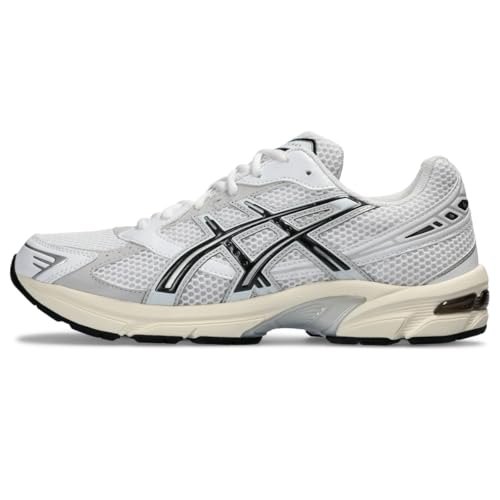
ASICS GEL-1130 Sportstyle Shoes
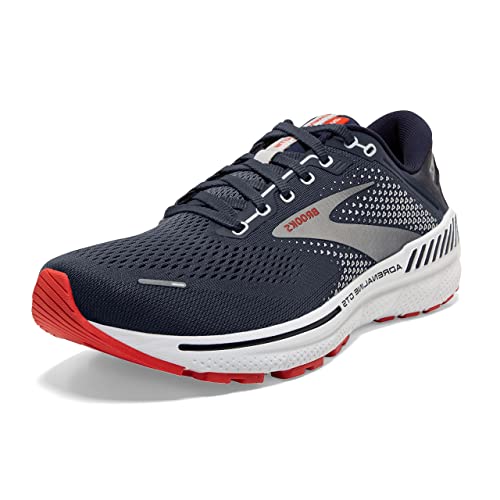
Brooks Adrenaline GTS 22 Running Shoe
ASICS Gel-Excite 11 Running Shoes

ASICS Gel-Contend 9 Road Running Shoes

Saucony Triumph 22 Sneaker

Saucony Cohesion 18
Inside Each Recommended Option
The GEL-1130 borrows its silhouette from ASICS’ late-2000s stability running catalog, then dresses it up in a sportstyle package built for casual miles. Think coffee runs, dog walks, light gym days, and the occasional two-mile jog around the neighborhood. It shares DNA with the well-loved GEL-KAYANO 14, which means the shape reads familiar to anyone who has worn an ASICS trainer in the last decade.
For shoppers who want a shoe that looks pulled-together with jeans but still has genuine GEL cushioning underfoot, this lands in a sweet spot. The build leans more lifestyle than performance, so serious tempo sessions call for a dedicated trainer instead.
A Favorable Mix
- Suede and mesh paneling that gives the shoe a finished, retro look straight out of the packaging
- GEL cushioning in the heel softens impact on concrete and tile during long days on your feet
- Wide color range makes it easy to match casual wardrobes without trying
- Layered upper construction holds shape better over time than all-mesh sportstyle rivals
Worth Noting
- Suede paneling needs occasional cleaning with a soft brush, especially after wet runs
- Not built for high-mileage training, so heavy rotation may wear the midsole faster than a true trainer
Who It Suits Best
Style-conscious commuters and casual joggers who need one shoe that works at brunch and on a recovery run.
Skip It When
You log consistent weekly mileage, in which case the Saucony Triumph 22 or Brooks Adrenaline GTS 22 will outlast it.
The Adrenaline line is Brooks’ long-running stability trainer, and the GTS 22 keeps that lineage intact. It uses the brand’s GuideRails support system, which sounds like a gimmick until you understand it as side posts that keep your foot from drifting too far inward or outward at the heel. For runners who overpronate, that translates into less knee and hip fatigue after longer runs.
Compared to the ASICS GEL-1130 above, this shoe skips the lifestyle cues and commits fully to training. It is a workhorse for pavement, treadmill, and recovery-day mileage alike.
Good Reasons To Consider
- GuideRails stability system helps reduce excess foot motion without feeling stiff
- Padded heel collar and tongue stay comfortable on long, slow runs
- DNA LOFT cushioning delivers a soft landing without losing responsiveness on toe-off
Trade Offs
- Heavier than neutral trainers, so race day efforts may feel sluggish
- Color options vary by size and availability, which can limit matching preferences
- Stability features can feel unnecessary for neutral runners, making the shoe feel overbuilt
Made For
Runners who overpronate or want a guided platform for daily training on pavement and treadmills.
Reach For A Different Pick When
You prefer a neutral feel, in which case the Saucony Triumph 22 offers a similarly plush ride without the stability posts.
The Gel-Excite 11 sits firmly in the entry-level trainer category, with a focus on soft cushioning and an accommodating fit. Its engineered jacquard mesh upper keeps the foot cool on warm days, and the polyester lining gives a comfortable step-in feel right out of the box. Compared to the sportstyle-leaning GEL-1130, this shoe commits to running performance.
For anyone easing into a running routine or returning after a break, the Gel-Excite 11 offers a forgiving platform. It is also a sensible choice for walkers who want genuine athletic cushioning instead of fashion foam.
Useful Touches
- Engineered jacquard mesh upper improves airflow during warmer runs
- Rearfoot GEL technology absorbs shock without adding noticeable weight
- Lace-up closure with padded tongue allows a customized, secure fit across midfoot widths
- Lightweight build makes it approachable for new runners building confidence
Points To Keep In Mind
- Midsole cushioning compresses faster than premium trainers under heavy mileage
- Mesh upper can stretch slightly with use, so a snug initial fit tends to last longer
Best Suited To
Beginner runners and casual athletes logging weekly miles who want soft cushioning without premium pricing.
Consider Something Else When
You train five or more days a week, in which case the ASICS Gel-Contend 9 is a sturdier budget alternative.
The Gel-Contend 9 takes ASICS’ road-running pedigree and trims it down to a price point that welcomes first-time gear shoppers. It features an OrthoLite sockliner, which is a removable foam insert known for managing moisture and keeping a fresh feel inside the shoe. AMPLIFOAM cushioning in the midsole softens each landing, while the Trusstic System adds a stabilizing shank under the arch.
Versus the pricier Adrenaline GTS 22, this shoe drops the heavy-duty stability posts in favor of a lighter, more flexible ride. It is a sensible pick for anyone running four days a week or fewer on sidewalks and roads.
Standout Benefits
- OrthoLite sockliner manages moisture and resists odor over time
- AMPLIFOAM midsole offers durable cushioning at an approachable price
- Rearfoot GEL unit absorbs heel impact for smoother transitions
- Polyester upper and lining keep the shoe light and breathable on warm days
Small Caveats
- Not built for trail surfaces, so off-road use will wear the outsole quickly
- Trusstic shank adds rigidity under the arch, which can feel firm for runners who prefer flexibility
Who Will Love This
Budget-minded daily runners who stick to pavement and want reliable cushioning without extra frills.
A Better Fit Elsewhere
You want extra cushioning for long runs, in which case the Saucony Triumph 22 is a noticeable step up in plushness.
The Triumph 22 is Saucony’s plush daily trainer, built around a PWRRUN PB super foam midsole that balances softness with bounce. Geometry updates give it a broader platform and a refined rocker, which means the shoe rolls smoothly from heel-strike to toe-off without forcing you to push. Full-length XT-900 rubber on the outsole grips well on wet sidewalks and dries fast after rainy miles.
Where the Brooks Adrenaline GTS 22 adds stability structure, the Triumph 22 stays neutral and lets the foam do the work. It suits runners with a natural stride who want long-distance comfort above all.
Reasons It Performs
- PWRRUN PB super foam provides energy return that holds up across long runs
- Broad platform and rocker geometry create a smooth, balanced ride
- XT-900 rubber outsole delivers durable grip on wet and dry surfaces
- Plush interior padding reduces foot irritation on extended efforts
Points To Note
- Premium construction comes at a higher price than most trainers on this list
- Plush midsole can feel unstable for runners who prefer a firm, responsive ride
Quick Facts
Right Fit For
High-mileage runners who want a soft, lively trainer for daily road work and long runs.
Where Another Pick Suits Better
You need structured stability for overpronation, in which case the Brooks Adrenaline GTS 22 is the better match.
The Cohesion 18 is Saucony’s workhorse entry shoe, designed for runners who want neutral cushioning without extra bells and whistles. VersaRun cushioning in the midsole gives a soft underfoot feel that holds up through full-day wear, and the secure fit wraps the foot without pinching. It is built for pavement, treadmill, and casual miles.
Compared to the Saucony Triumph 22, the Cohesion 18 makes sensible trade-offs to hit a friendlier price point. You lose some energy return and rocker geometry, but you keep the dependable feel Saucony is known for.
The Value In It
- VersaRun cushioning delivers all-day comfort at an approachable price
- Neutral platform suits a wide range of foot strikes
- Lightweight build helps new runners avoid feeling weighed down
Less-Strong Areas
- Outsole durability does not match premium trainers on abrasive surfaces
- Limited structure means runners needing arch support may want aftermarket insoles
At A Glance
Whose Shelf It Belongs On
Casual runners and first-time shoe shoppers who want a comfortable neutral trainer on a budget.
Look Elsewhere When
You log serious weekly mileage and want firmer cushioning that lasts, in which case the ASICS Gel-Contend 9 is the sturdier pick at a similar price.
Choosing the Right Fit for Your Stride
Picking a running shoe comes down to how your foot meets the road, how often you train, and where your runs tend to land. Cushioning matters, but the way a shoe supports your arch and guides your stride tends to matter more over months of wear. Before settling on a pair, think through three things: your typical mileage, the surfaces you run on most, and whether your foot rolls inward, outward, or stays neutral at landing.
Cushioning Stack and Feel
Cushioning is the foam layer between your foot and the ground, and it shapes how soft or firm each step feels. Plush midsoles like the Saucony Triumph 22’s PWRRUN PB foam work well for long, slow miles and recovery days. Firmer options like the ASICS Gel-Contend 9 give better ground feedback for tempo sessions and shorter runs. Beginners often prefer soft cushioning because it forgives sloppy form, while experienced runners may want firmer feedback to feel the road.
Stability vs. Neutral
Stability shoes have structure, like posts or guide rails, to keep your foot from rolling too far inward. Neutral shoes let your foot move naturally. If your shoes wear down on the inner edge or you feel knee strain after runs, a stability trainer such as the Brooks Adrenaline GTS 22 is worth a look. If your foot lands balanced and your shoes wear evenly, neutral options like the Saucony Cohesion 18 will feel more natural.
Upper Material and Fit
Engineered mesh uppers breathe well but can stretch over time. Suede and layered panels, like those on the ASICS GEL-1130, hold shape but need occasional cleaning. If you have a wider forefoot, look for shoes that mention multiple width options or roomy toe boxes. Lace-up closures let you fine-tune fit across the midfoot, which matters more than people realize for avoiding blisters on long runs.
Use Case and Frequency
A shoe you wear once a week does not need the same construction as one worn five days a week. Casual runners can save money with budget models like the ASICS Gel-Excite 11 or Saucony Cohesion 18. Frequent runners should invest in models with more durable midsoles and outsoles, since cheap foam compresses faster under heavy rotation.
Key Considerations Across These Picks
Common Shopping Slip Ups
Choosing based on color or hype often backfires, since looks have nothing to do with how a shoe supports your stride. Skipping the break-in period is another trap, as new midsoles need a few short runs before they feel right. Ordering a size you normally wear without checking the brand’s fit notes also trips people up, since running shoes often run small. Aiming for about a thumb’s width of space at the toe helps most people avoid black toenails on downhills.
What The Higher Tier Buys
Premium trainers like the Saucony Triumph 22 use advanced super foam that bounces back better over time, plus engineered uppers that balance breathability and structure. The upgrade pays off when you log high mileage or want one shoe to handle easy runs, long runs, and recovery days. For casual runners, the extra cost is harder to justify, since budget foams still feel fine at lower volumes. The honest read is that price mostly tracks how many miles the shoe can absorb before breaking down.
Frequently Asked Questions
How often should running shoes be replaced?
Most running shoes last somewhere between 300 and 500 miles before the midsole foam loses its bounce. Heavier runners and those logging pavement miles tend to wear shoes faster than lighter runners on softer surfaces. Watch for uneven outsole wear, aching joints after familiar runs, or a flat feeling underfoot as signs it is time for a new pair.
Do I need stability shoes if my feet roll inward?
Some inward motion is normal, but excessive rolling can stress joints over time. Stability shoes with guide rails or medial posts, like the Brooks Adrenaline GTS 22, help control that motion. A quick check is to look at a worn pair of shoes: heavy wear on the inner edge often suggests a stability shoe is a good idea.
Can I use running shoes for the gym or casual wear?
Yes, especially cushioned trainers with breathable uppers. Many people rotate running shoes into casual wear because the foam feels great for long days on their feet. The ASICS GEL-1130 in particular doubles as a sportstyle sneaker for everyday outfits.
Should I size up in running shoes?
Most runners benefit from a half-size up from their casual shoe size, since feet tend to swell during longer efforts. A thumb’s width of space at the toe is a good rule. Trying shoes on later in the day, when feet are slightly swollen, gives a more accurate fit.
Are expensive running shoes worth the cost?
Premium models use more durable foams and engineered uppers, which matters for high-mileage runners. For casual runners logging a few miles a week, a mid-priced trainer like the ASICS Gel-Contend 9 or Saucony Cohesion 18 delivers plenty of value. The upgrade usually pays off when shoes are in heavy use.
The Takeaway
Your stride, mileage, and budget should drive the decision more than brand loyalty or looks. Stability runners with overpronation tend to land well in the Brooks Adrenaline GTS 22, while high-mileage neutral runners get the most from the Saucony Triumph 22. Shoppers watching their wallet will find solid daily mileage in the ASICS Gel-Contend 9 or Saucony Cohesion 18, and style-focused runners will appreciate the GEL-1130. Pick the shoe that fits your routine, give it a few short runs to break in, and your feet will tell you if you got it right.