Your feet roll inward a little too far with every step, and after a few miles that quiet roll shows up as sore arches, tired knees, or a vague ache along the shin. Picking the right pair of running shoes can quietly change all of that, because the right support system catches your foot before it falls too far inward. The picks below focus on shoes built specifically for overpronators, with clear differences in cushioning, stability features, and overall feel so you can match the shoe to your running style rather than guessing in the dark.
How The Shortlist Stacks Up
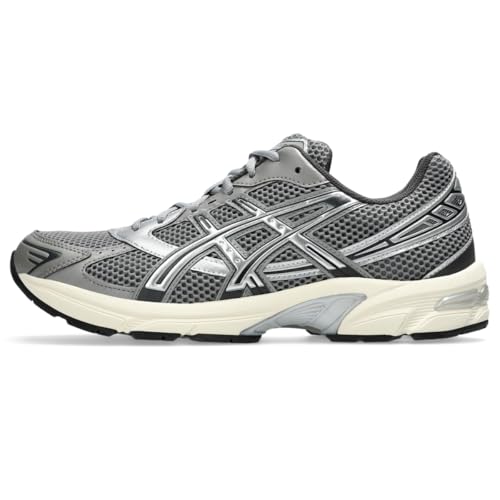
ASICS Men’s GEL-1130 Sportstyle Shoes

Brooks Men’s Adrenaline GTS 22 Running Shoe
ASICS Men’s Gel-Excite 11 Running Shoes

ASICS Men’s Gel-Contend 9 Road Running Shoes

Saucony Men’s Triumph 22 Sneaker

Saucony Mens Cohesion 18
A Deeper Look At The Lineup
The GEL-1130 borrows its silhouette from ASICS stability running shoes of the late 2000s, then dresses it up with suede paneling for everyday wear. Overpronators who want a stability feel without the loud sport-runner look tend to gravitate toward this kind of hybrid silhouette.
You can pair it with jeans for the commute, then take it on a light jog around the block without feeling under-supported. It is not a performance trainer, but it carries the same family DNA that built ASICS’ stability reputation.
Standout Benefits
- Retro stability silhouette that pulls from decades of GEL design heritage
- Suede paneling softens the look so it works outside the gym
- Familiar GEL cushioning absorbs impact on hard pavement
- Lace-up closure locks the heel in place to limit inward roll
Things To Consider
- Suede paneling can show scuffs and water marks in wet weather
- Less aggressive stability tech than a dedicated motion-control trainer
Built With In Mind
Mild-to-moderate overpronators who want one pair of shoes to handle casual miles, errands, and the occasional park run.
Reach For A Different Pick When
Runners logging serious weekly mileage should consider the Saucony Triumph 22 instead, since it offers a more substantial foam platform for long efforts.
The Adrenaline GTS line has spent years as a go-to recommendation for overpronators, and version 22 continues that track record. Brooks builds each model around GuideRails technology, a system of firm sidewalls that gently steer the foot rather than forcing it straight, which feels more natural to many runners than a hard medial post.
Where the ASICS GEL-1130 leans retro and casual, the GTS 22 is a serious daily trainer. It handles tempo runs, easy days, and recovery miles with equal composure, making it a natural hub for most training weeks.
Noteworthy Benefits
- GuideRails stability system supports the knee and foot without an aggressive post
- DNA LOFT cushioning softens impact during longer runs
- Structured upper holds the midfoot steady on lateral cuts
- Engineered mesh breathes well during summer miles
Points To Keep In Mind
- Heavier than a neutral daily trainer, which some runners feel on race day
- Outsole wear tends to show first on the medial side for heavy pronators
Feature Snapshot
Whose Shelf It Belongs On
Intermediate runners logging 20 to 40 miles per week who want one stability shoe to anchor most of their training.
Swap It Out When
Beginners on a tighter budget should look at the ASICS Gel-Contend 9, which delivers similar support at a friendlier entry price.
The Gel-Excite 11 is built for runners who are still finding their stride. Its engineered jacquard mesh upper wraps the foot in a soft, breathable layer, while the polyester lining keeps things light against the skin.
For new overpronators, the appeal is straightforward: enough cushioning to feel forgiving, a secure lace-up fit, and a flexible platform that does not punish an awkward landing. Compared with the Brooks GTS 22, it is lighter and friendlier on the wallet, though it lacks the deep stability stack.
Practical Advantages
- Engineered jacquard mesh upper offers a soft, breathable wrap
- Lightweight build reduces fatigue on early training days
- Lace-up closure delivers a customizable midfoot lock
Minor Gripes
- Modest stability features mean severe rollers may still need more support
- Cushioning breaks down faster than premium foams after heavy mileage
- Limited colorways can make in-person fitting harder at some retailers
The Right Fit
New runners and casual walkers with mild overpronation who want a comfortable, affordable entry shoe.
Look Elsewhere When
Runners who already know they overpronate heavily should step up to the Brooks Adrenaline GTS 22 for its more structured support system.
The Gel-Contend 9 sits in ASICS’ value tier and uses several technologies borrowed from higher-end models. AMPLIFOAM cushioning handles everyday impact, while the rearfoot GEL unit absorbs shock where overpronators tend to land hardest.
For road runners keeping an eye on cost, this shoe offers a stable, dependable ride without the sticker shock of a flagship trainer. The OrthoLite sockliner adds a layer of step-in comfort that helps on days when the shoes go straight from the box to a walk around the neighborhood.
Advantages To Know
- AMPLIFOAM midsole provides durable cushioning for daily miles
- Rearfoot GEL unit absorbs impact on heel strikes
- OrthoLite sockliner adds cushioned comfort right out of the box
- Trusstic technology offers midfoot integrity without extra weight
Worth Bearing In Mind
- Polyester upper runs warmer than premium engineered mesh
- Not built for trail use or uneven terrain
Quick Facts
Who It Suits Best
Budget-focused road runners with mild to moderate overpronation who want ASICS dependability without paying flagship money.
Where Another Pick Suits Better
Runners chasing a softer, plusher feel should consider the Saucony Triumph 22, which carries a more premium foam experience.
The Triumph 22 is Saucony’s plush daily trainer, and the newest version leans into that comfort with PWRRUN PB super foam in the midsole. That foam is light, springy, and noticeably softer than the cushioning in the budget-friendly Saucony Cohesion 18.
Saucony also widened the platform and tweaked the rocker geometry, which gives overpronators a broader, more stable base to land on. The full-length XT-900 rubber outsole holds up well to daily road mileage, which matters for runners who pile on the miles.
A Favorable Mix
- PWRRUN PB super foam delivers a soft, responsive underfoot feel
- Broader platform and updated rocker geometry create a smoother transition
- XT-900 rubber outsole offers durable grip on road surfaces
- Plush interior wraps the foot for fatigue-free long runs
Softer Spots
- Premium foam sits at a higher price point than entry trainers
- Stack height may feel tall for runners used to lower-profile shoes
Feature Rundown
Best Suited To
Distance runners and walkers with mild overpronation who want a premium cushioned ride for long, easy efforts.
Not Your Match When
Casual users who only need light daily support can save money with the Saucony Cohesion 18, which still offers a comfortable neutral ride.
The Cohesion 18 is the most versatile shoe on this list, designed to give walkers and casual runners an all-day comfortable fit. VersaRun cushioning softens the midsole, while the overall geometry aims for a secure, no-fuss ride.
Overpronators looking for a budget-friendly walking shoe should put this one on the shortlist. It is lighter than the Saucony Triumph 22 and simpler than the Brooks GTS 22, so it works well as a starter or everyday shoe.
Key Advantages
- VersaRun cushioning delivers comfort for all-day wear
- Secure, comfortable fit works for walking and light jogging
- Versatile neutral platform suits a range of casual activities
Honest Caveats
- Neutral cushioning offers less structured support than the Brooks GTS 22
- Not engineered for high-mileage training weeks
- Upper breathability is decent but not exceptional in summer heat
Made For
Casual walkers and entry-level runners with mild overpronation who want a comfortable, low-pressure everyday shoe.
Skip It When
Runners chasing a dedicated training shoe for serious mileage will get more from the ASICS Gel-Excite 11 or the Saucony Triumph 22.
How To Choose The Right Pair For Your Feet
Know Your Pronation First
Overpronation is the inward rolling of the foot after it lands, which can stress the arch, ankle, and knee over time. A quick wet test on dark paper, or a gait analysis at a specialty running shop, gives you a clearer picture than guessing. Runners with very flat arches and a strong inward roll often need more structured stability, while mild pronators can usually get by with a neutral or lightly supportive shoe.
Match The Shoe To Your Mileage
Daily trainers like the Brooks Adrenaline GTS 22 and Saucony Triumph 22 are built to handle repeated miles without breaking down too quickly. Casual users and walkers do not need that much structure, which is where lighter options like the Saucony Cohesion 18 or ASICS Gel-Excite 11 fit in. Choosing a shoe above your mileage level usually means extra weight, while going below can mean faster midsole wear.
Think About Cushioning And Feel
Foam density and stack height change how a shoe feels underfoot. Plusher foams like PWRRUN PB in the Saucony Triumph 22 feel softer for long runs, while firmer foams like AMPLIFOAM in the ASICS Gel-Contend 9 give a snappier, more responsive ride. Trying on a few pairs back to back is the clearest way to know which feel matches your stride.
Fit And Sizing Matter Most
A stability shoe that slides around the heel or pinches the forefoot defeats the purpose. Leave about a thumb’s width of space at the toe, lock the heel in place with a proper lace-up, and walk the store floor before committing. Fit changes from brand to brand, so do not assume your usual size carries over.
Where Shoppers Slip Up And When To Spend More
Common Buying Traps
A lot of shoppers pick stability shoes by color or brand familiarity rather than support features. Another slip is assuming a heavier shoe means better stability, when the real story is in the midsole geometry and guide systems. Finally, many runners wear their shoes far past the typical 300 to 500 mile window, which turns a good shoe into a flat, unsupportive liability.
Where The Extra Money Goes
Higher-end models like the Saucony Triumph 22 use premium super foams that bounce back better over time and shave noticeable weight. They also tend to use more refined uppers and rubber compounds that resist wear longer. For daily mileage runners, that extra cost often pays off in comfort and durability. For casual walkers, the budget and mid-tier options in this list usually hit the sweet spot.
Frequently Asked Questions
Do overpronators really need a special running shoe?
Stability shoes help guide the foot and reduce the inward roll that can lead to joint pain over time. If you notice ankle, knee, or arch soreness after running, a supportive shoe is often a smart place to start.
Can a neutral shoe work for mild overpronation?
Yes, many mild pronators run comfortably in neutral cushioning. Heavier or more pronounced rollers usually benefit from at least a touch of structured support.
How long do stability running shoes typically last?
Most road running shoes last somewhere between 300 and 500 miles before the midsole foam loses its pop. Tracking your weekly mileage gives you a clearer replacement window.
Are overpronation shoes good for walking?
Plenty of them do, since the same support systems help during long walks. Casual shoppers often prefer lighter options like the Saucony Cohesion 18 for everyday wear.
Should I size up in stability shoes?
Most runners do well in their normal size, though a slightly roomier toe box can help on longer efforts. Trying the shoe on with your usual running socks gives the most honest fit.
Closing Remarks
The right pair of mens shoes for overpronation depends less on hype and more on your foot, your mileage, and the kind of surfaces you cover. Start with a clear sense of how much you pronate, match the shoe to your weekly volume, and pay attention to fit. Your knees will thank you somewhere around mile five.