The wrong running shoe punishes your knees on the second mile and your toenails by the fourth. The right one feels invisible, stable, and forgiving whether you’re chasing a personal best or just trying to keep a daily streak alive. This roundup compares six well-regarded men’s road running shoes across price tiers, looking at cushion feel, support geometry, fit profile, and use case. You get a clear picture of which shoe matches your gait, your mileage, and your wallet, plus honest notes on where each one makes trade-offs.
A Fast Comparison Of The Options
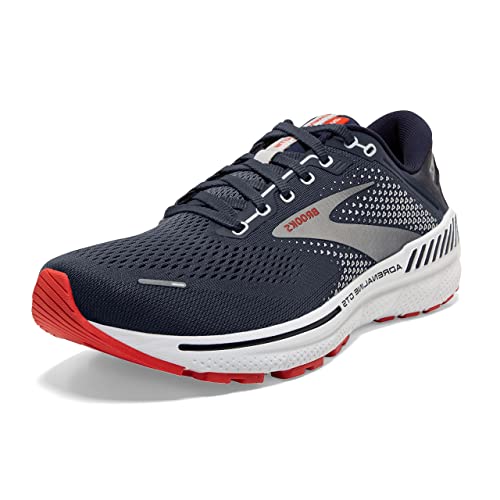
Brooks Adrenaline GTS 22 Supportive Running Shoe

Brooks Ghost 14 Neutral Running Shoe
ASICS Gel-Excite 11 Running Shoes

ASICS Gel-Contend 9 Road Running Shoes

Saucony Triumph 22 Sneaker

Saucony Cohesion 18
The Strengths Of Each Pick
The Adrenaline GTS line is one of the most recognizable stability trainers in running shops, and the GTS 22 sits squarely in that tradition. It’s a road shoe aimed at runners whose feet roll inward, known as overpronation, where the ankle collapses slightly inward mid-stride. Brooks builds in a medial post, a denser wedge of foam on the inner side of the midsole, to guide the foot through a straighter line of motion.
For anyone logging steady weekly mileage on pavement, this shoe offers a reassuring, guided feel without the rigidity of older-school motion-control designs. Runners recovering from knee soreness or shin splints often gravitate here because the structured ride keeps things tidy on longer efforts. Compared to the neutral Ghost 14 reviewed next, the Adrenaline adds noticeably more arch support through that medial wedge.
A Few Highlights
- Built-in medial post helps correct inward foot roll, useful for mild to moderate overpronators.
- Plush midsole cushioning absorbs impact well on longer road runs.
- Structured heel counter (the rigid cup wrapping the heel) locks the rearfoot in place during push-off.
- Engineered mesh upper breathes well in warm weather and flexes with the forefoot.
Things To Consider
- Runners with a neutral gait may find the stability elements intrusive rather than helpful.
- Slightly heavier than purely cushioned trainers like the Ghost 14 or Triumph 22.
Who It Suits Best
Runners whose arches collapse inward and who want daily support on paved routes without switching into a stiff, traditional motion-control shoe.
Look Elsewhere When
You have a neutral stride and want a softer, more flexible ride, in which case the Brooks Ghost 14 is the better sibling.
The Ghost 14 is Brooks’s flagship neutral trainer, built around balanced cushioning rather than corrective structure. Where the Adrenaline GTS 22 leans into stability with its medial post, the Ghost skips that wedge entirely and offers a smoother, more adaptable ride. That makes it the go-to pick for runners whose feet track straight and who want a single shoe for easy days, long runs, and tempo efforts.
For commuters turning sidewalk miles into a habit, or recreational runners chasing half-marathon training plans, the Ghost 14 delivers a soft, forgiving landing without any “interference” feel under the arch. The DNA LOFT midsole, Brooks’s blend of foam and rubber tuned for softness, gives the shoe a plush step-in without making it mushy. It pairs especially well with rotation strategies where you alternate it with a lighter shoe on speed days.
A Strong Showing
- Neutral geometry suits a wide range of foot strikes and gait patterns.
- Soft, balanced cushioning handles long aerobic runs comfortably.
- Engineered mesh upper adapts to foot shape and stays comfortable in warm conditions.
- Versatile enough to serve as a one-shoe daily trainer for most recreational runners.
- Lighter than stability siblings like the Adrenaline GTS 22.
Trade Offs
- No corrective support for runners who overpronate noticeably.
- Not built for trail use; the outsole lugs (tread patterns) are road-tuned.
Made For
Neutral-stride runners who rack up steady weekly mileage and want one dependable road trainer that covers most workouts.
Consider Something Else When
Your ankles tend to roll inward and you need guided support, because the Brooks Adrenaline GTS 22 fits that profile more naturally.
The Gel-Excite 11 is ASICS’s entry point into genuine running footwear, aimed at new runners and casual joggers rather than seasoned milers. The shoe uses an engineered jacquard mesh upper, a knit fabric woven with subtle patterns for both stretch and ventilation, paired with traditional ASICS gel cushioning in the rearfoot. That gel pod, a soft silicone-based insert in the heel, softens impact at landing and gives the shoe its characteristically cushioned step-in feel.
For anyone starting a couch-to-5K plan, returning from time off, or just adding jogs to a walking routine, the Gel-Excite 11 is approachable and forgiving. It doesn’t ask you to think about gait or foot strike; it just absorbs. Compared to the pricier Brooks Ghost 14 reviewed earlier, the Gel-Excite trades some midsole responsiveness for a softer, more relaxed underfoot feel that beginners tend to prefer.
Practical Advantages
- Engineered jacquard mesh upper breathes well and breaks in quickly.
- Rearfoot gel cushioning softens heel strikes for new runners.
- Lightweight construction reduces leg fatigue on shorter runs.
- Forgiving fit accommodates a variety of foot shapes without aggressive arch support.
Minor Gripes
- Outsole durability tends to wear faster than premium trainers when logged at high weekly mileage.
- Lacks the responsive foam of higher-tier shoes like the Saucony Triumph 22 for faster efforts.
Right Fit For
Beginners and casual runners building a routine, especially those who prioritize soft landings over speed work.
A Better Fit Elsewhere
You’re logging 30+ miles a week and want a longer-lasting midsole, because the Saucony Cohesion 18 is built for that kind of steady volume.
The Gel-Contend 9 is ASICS’s value-oriented road trainer, designed to deliver genuine running-shoe technology at a price that doesn’t sting. It pairs an OrthoLite sockliner, a foam insole that resists compression and adds step-in comfort, with AMPLIFOAM cushioning in the midsole for durable, workhorse feel underfoot. GEL technology in the rearfoot absorbs landing impact, which is the ASICS signature most shoppers recognize.
For runners on a budget who still want a purpose-built shoe rather than a generic sneaker, the Gel-Contend 9 lands as a sensible pick. It’s well-suited to daily training on sidewalks, treadmill sessions, and light gym work, and the Trusstic System, a shank under the midfoot that adds rigidity without weight, helps stabilize the arch during longer efforts. The trade-off shows up in overall weight and refinement: it doesn’t feel as lively as the Brooks Ghost 14 or the Saucony Triumph 22, but it accomplishes the core job reliably.
Where It Delivers
- Rearfoot GEL technology softens impact at a modest price.
- AMPLIFOAM midsole provides durable cushioning that holds up over weekly mileage.
- OrthoLite sockliner adds step-in comfort and resists odor over time.
- Trusstic System midfoot shank improves stability without bulk.
Points To Note
- Slightly heavier than premium trainers, which you may notice on faster runs.
- Less breathable mesh than the Gel-Excite 11 in hot, humid conditions.
- No structured stability elements for runners with significant overpronation.
Best Suited To
Cost-conscious road runners who want real ASICS engineering without paying flagship-tier prices.
Skip It When
You need a lighter, more responsive shoe for tempo runs, because the Brooks Ghost 14 offers a more energetic ride.
The Triumph 22 is Saucony’s plushest daily trainer, built around a PWRRUN PB midsole. PWRRUN PB is Saucony’s PEBA-based super foam (a lightweight, high-rebound synthetic) tuned for a soft landing with energetic rebound. Compared to the Brooks Ghost 14’s balanced cushioning, the Triumph leans noticeably softer and more luxurious, with a broader platform and an updated rocker geometry that helps the shoe roll forward smoothly through each stride.
Long-distance runners, heavier athletes who need extra cushion, and anyone who logs marathon-style mileage tend to gravitate toward this category. The full-length XT-900 rubber outsole, a tough carbon rubber that resists wear across the entire bottom of the shoe, gives the Triumph 22 better long-term durability than many premium foams can offer on their own. That helps justify stepping up from a value pick like the ASICS Gel-Contend 9 if you regularly put in 40+ mile weeks.
Noteworthy Benefits
- PWRRUN PB super foam delivers plush cushioning with responsive rebound.
- Broader platform and refined rocker geometry smooth out heel-to-toe transitions.
- Full-length XT-900 rubber outsole extends the shoe’s working life.
- Comfortable enough for all-day wear, not just running sessions.
Honest Caveats
- Premium price point makes it a significant upgrade over budget options.
- Plush feel can feel unstable for runners who prefer a firmer, more grounded ride.
- Heavier than tempo-oriented trainers, less ideal for short, fast intervals.
Who Should Grab It
Runners prioritizing comfort on long runs who can justify stepping up to a premium daily trainer.
Reach For A Different Pick When
You’re shopping on a tighter budget or only running shorter distances, because the Saucony Cohesion 18 covers everyday mileage more economically.
The Cohesion 18 is Saucony’s versatile neutral workhorse, designed to deliver comfortable everyday mileage at a moderate cost. It uses VersaRun cushioning, a firm yet forgiving EVA-based foam that holds up well over repeated use, paired with a comfortable, secure fit through the midfoot. That combination makes it a sensible pick for runners who want one shoe to handle most of what their week throws at them.
For recreational runners training for a 10K or a first half-marathon, the Cohesion 18 provides a dependable, no-fuss ride that doesn’t demand a premium budget. It sits in a similar lane to the ASICS Gel-Contend 9 but tends to feel slightly lighter and more accommodating in the toebox. Where the Triumph 22 goes plush and premium, the Cohesion stays grounded and practical, and that’s exactly the point.
Everyday Perks
- VersaRun cushioning balances softness and durability for daily training.
- Secure midfoot wrap keeps the foot stable without aggressive arch support.
- Roomy toebox accommodates wider feet and natural foot splay on longer runs.
- Moderate price point makes it accessible for newer runners.
Soft Spots
- Lacks the energetic rebound of premium foams like PWRRUN PB in the Triumph 22.
- Not engineered for significant overpronation correction.
Whose Shelf It Belongs On
Neutral-stride runners who want one versatile daily shoe that handles varied training at a fair price.
Swap It Out When
You want a noticeably softer, more premium underfoot feel for marathon-length runs, because the Saucony Triumph 22 delivers that upgrade.
What To Weigh Before Choosing Your Next Pair
Fit And Sizing Reality Check
Running shoes should feel snug at the midfoot with about a thumb’s width of space at the front of the toebox. Your foot swells during longer efforts, so a shoe that’s comfortable standing still may feel cramped at mile six. Try on shoes late in the day when your feet are slightly larger, and wear the socks you actually plan to run in. Width matters too; Brooks and ASICS offer wide versions of several popular models for runners who need extra forefoot room.
Cushioning Level And Feel
Cushioning isn’t just about softness; it’s about how the foam absorbs and returns energy. Softer foams like Saucony’s PWRRUN PB feel plush but still springy, while firmer EVA-based foams like VersaRun feel more grounded. Heavier runners generally benefit from plusher cushioning because each footfall carries more force. Lighter runners or speed-focused athletes often prefer firmer, more responsive platforms that don’t feel mushy at turnover.
Stability Versus Neutral Geometry
Stability shoes like the Brooks Adrenaline GTS 22 use medial posts or guide rails to limit inward foot roll. Neutral shoes like the Ghost 14, Triumph 22, and Cohesion 18 let your foot move freely. Knowing your gait helps here; a quick gait analysis at a local running shop, often free, can clarify whether you actually need support. Many runners with mild pronation do fine in neutral shoes with sufficient structure.
Outsole Durability And Mileage Goals
A shoe’s outsole rubber determines how many miles it can handle before the tread wears through. Budget shoes tend to wear faster because they use thinner, softer rubber. Premium trainers like the Triumph 22 use harder carbon rubber blends for extended life. Match the shoe’s expected lifespan to your weekly mileage; running 30 miles a week in a budget shoe might mean replacing it every four months instead of six.
Key Considerations Across These Picks
Pitfalls Shoppers Hit
The most common mistake is buying based on looks or brand familiarity without checking fit or gait. A stability shoe on a neutral runner can cause discomfort and slow adaptation, while a soft, neutral trainer on a heavy overpronator may let fatigue creep in faster. Another trap is waiting too long to replace shoes; most running shoes lose meaningful cushioning between 300 and 500 miles. Logging wear patterns helps, but a rough rule of thumb is six to twelve months for typical recreational runners.
Where The Extra Money Goes
Stepping up to premium trainers typically buys you better foam technology, lighter construction, and more durable outsoles. The Saucony Triumph 22’s PWRRUN PB foam, for instance, delivers noticeably more rebound than the VersaRun foam in the Cohesion 18, which matters on long runs and faster efforts. Premium builds also tend to use engineered mesh uppers that breathe better and conform more naturally to foot shape, reducing hot spots during marathon-length efforts. For runners logging 25+ miles weekly, that upgrade usually pays for itself in comfort and durability.
Frequently Asked Questions
How Do I Find The Right Size In Mens Shoes For Running?
Most runners need about half a size up from their casual shoe to allow for foot swelling. Leave a thumb’s width of space at the end of the toebox and make sure the midfoot feels secure without pinching.
How Often Should I Replace My Running Shoes?
Most road running shoes last between 300 and 500 miles before cushioning and outsole grip start to fade. Heavier runners and those who train primarily on hard pavement often need replacements sooner than that range.
Do I Need A Stability Shoe If I Pronate?
Mild pronation is common and often doesn’t require corrective support. Runners with noticeable inward collapse or recurring knee and shin discomfort tend to benefit from stability shoes like the Brooks Adrenaline GTS 22, while neutral gait runners usually do well in shoes like the Ghost 14 or Triumph 22.
Can I Use Road Running Shoes On Trails?
Road shoes like the ones in this list have smooth outsoles designed for pavement and can feel slippery on dirt or gravel. For occasional light trail use they may be fine, but dedicated trail shoes with aggressive lugs are safer for technical terrain.
Should I Buy One Pair Or Rotate Two Pairs?
Rotating two pairs can extend the life of each shoe and let you match shoes to workouts, like a soft trainer for long runs and a firmer shoe for tempo work. Most beginners do perfectly well starting with one versatile pair like the Saucony Cohesion 18 or Brooks Ghost 14.
Bottom Line
The best running shoe is the one that fits your foot, matches your gait, and stays comfortable across the distances you actually run. Stability runners will find their answer in the Adrenaline GTS 22, while neutral striders have strong options across every budget from the Cohesion 18 to the Triumph 22. Beginners and budget shoppers can lean on the ASICS Gel-Excite 11 or Gel-Contend 9 without sacrificing real running technology. Trust your feet over specs, give new shoes a few short runs to break in, and you’ll land on the pair that disappears under you mile after mile.