Standing on hard floors for eight, ten, or twelve hours changes what your feet need from a shoe. The right pair absorbs impact, supports your arch, and breathes well enough that hour six doesn’t feel like hour nine. This roundup focuses on everyday-friendly options for nurses, retail workers, warehouse staff, and anyone whose day unfolds on their feet, with a couple of off-category picks worth knowing about for comparison.
The Leading Options At A Glance

Sorel Slabtown 62′ Stoic Mid Sneaker

Skechers Slade Ocon Sneaker

Skechers Pollard Osgood Loafer

ORTOREX ZenEnergy Recovery Work Shoes

New Balance Numeric 272 Skate Shoes

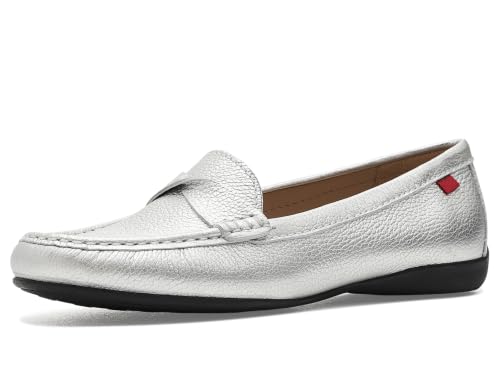
Marc Joseph Beverley Road Loafers
The Strengths Of Each Pick
The Slabtown 62′ Stoic Mid blends chukka-inspired lines with sneaker practicality, making it an easy match for casual workdays that drift into evening plans. A rubber rand wraps the lower edge, which helps the upper hold up against scuffs from carts, curbs, and concrete. Compared to the more athletic Slade Ocon that follows, this Sorel leans dressier without losing grip or ground feel.
For teachers moving between classrooms, shop staff on polished floors, or anyone pacing a convention floor, the mid-top cut offers light ankle coverage that keeps debris out. The moc-stitched toe gives it a heritage look that pairs with chinos or dark denim equally well. It’s a versatile all-rounder rather than a specialist.
A Few Strong Suits
- Rubber rand adds toe and side protection against bumps on busy days.
- Moc-stitched upper reads casual-rugged, suitable for both work and weekend wear.
- Mid-top collar keeps dust and small debris from working into the shoe.
- Versatile styling across jeans, chinos, and relaxed office outfits.
Points To Keep In Mind
- Less structured cushioning than dedicated work shoes, so long concrete shifts may still tire the feet.
- Not a slip-resistant certified work sneaker, so wet kitchen or hospital floors warrant caution.
Right Fit For
Office-adjacent workers and anyone wanting one shoe to bridge casual shifts and weekend plans.
Swap It Out When
You clock serious hours on hard floors; the ORTOREX ZenEnergy Recovery Work Shoes are tuned more specifically for that grind.
The Slade Ocon is the kind of no-fuss sneaker you lace up, forget about, and wear until the sole wears out. It’s a fashion sneaker through and through, so think of it as a comfort-first option for retail, light warehouse, or hospitality shifts rather than a rugged work boot replacement. The price positioning makes it an easy first pair or a backup to leave at the office.
For shoppers who don’t need slip-resistance certifications or high-end arch support, this is a sensible entry point. The silhouette is neutral enough to disappear under most pant legs. If you rotate shoes through a busy week, the Slade Ocon handles the lighter days without complaint.
Positive Takeaways
- Accessible price makes it easy to own a dedicated pair for work.
- Neutral styling works with most casual and work-casual uniforms.
- Lightweight build reduces foot fatigue on shorter shifts.
Worth Bearing In Mind
- Lacks the specialized cushioning of dedicated long-shift work shoes like the ORTOREX ZenEnergy.
- Not built as a heavy-use daily in punishing environments, so the upper may show wear faster.
- Limited arch structure for people with flatter feet or higher support needs.
Made For
First-time shoppers and anyone who needs an affordable everyday sneaker for light standing work.
A Better Fit Elsewhere
If your shifts run past eight hours on concrete, the ORTOREX ZenEnergy Recovery Work Shoes deliver more targeted relief.
The Pollard Osgood trades laces for a slip-on profile, which sounds minor until you’re the person pulling shoes on three times a day between delivery runs. Skechers builds this one around an Air-Cooled Memory Foam insole (a cushioned footbed that uses foam shaped to cradle the foot) and a relaxed fit through the forefoot, so wider feet won’t feel pinched. The mesh knit upper keeps air moving, and the Goodyear rubber outsole handles slick surfaces better than the average slip-on.
Compared to the Slade Ocon above, this loafer feels more grown-up and slightly more supportive. It works for anyone in a back-of-house role who values speed over sporty looks. The drawback is a softer structure that doesn’t lock the heel in as firmly as a tied sneaker.
Noteworthy Benefits
- Slip-on design with stretch gore panels for fast, no-bend entry.
- Air-Cooled Memory Foam insole cushions the foot across long shifts.
- Goodyear rubber outsole improves traction on smooth floors.
- Mesh knit upper breathes well in warm kitchens or stockrooms.
Some Limits To Know
- Looser heel hold compared to a laced sneaker, so very active days may feel less locked in.
Feature Snapshot
Best Suited To
Hospitality and back-of-house staff who want slip-on ease without giving up cushioning.
Look Elsewhere When
You need a more rugged, locked-in feel; the New Balance Numeric 272 brings skate-shoe durability to the table.
The ZenEnergy Recovery Work Shoes are designed around the specific problem this whole roundup addresses: staying on your feet for an entire shift without that throbbing ache at the end. ORTOREX positions this as recovery footwear, so the cushioning and rocker-style sole geometry are meant to reduce the impact that travels up through your knees and lower back. It’s the most purpose-built option in this list, and the only one openly marketed to the long-shift crowd.
Where the Skechers and Sorel picks here lean casual, the ZenEnergy looks and feels like a dedicated tool. That means it’s less versatile after hours, but far more comfortable in the middle of a ten-hour hospital or warehouse rotation. For shoppers whose feet genuinely protest by hour five, this is the pair worth a serious look.
Notable Upsides
- Cushioning system focused on reducing fatigue across multi-hour standing shifts.
- Rocker-style sole geometry helps the foot roll forward with less effort.
- Recovery-focused design supports tired feet and lower joints at the end of the day.
- Purpose-built for healthcare, warehouse, and retail roles.
Trade-Offs To Consider
- Work-specific styling means it won’t blend into casual or dress-casual settings.
- Heavier than the casual sneakers in this list, which can feel bulky off the clock.
Who It Suits Best
Nurses, warehouse workers, and retail staff with back-to-back shifts who prioritize foot recovery over versatility.
Where Another Pick Suits Better
If you want a shoe that transitions from clinic to dinner, the Skechers Pollard Osgood Loafer is a sleeker alternative.
Skate shoes aren’t the obvious choice for long days on your feet, but the New Balance Numeric 272 earns its place here because of how it’s built. The redesigned vulcanized sole (a sole bonded to the upper through heat-activated rubber, prized for flexibility and grip) is integrated for comfort, and the slim footbed gives you real ground feedback without feeling flat. Compared to the more cushioned ZenEnergy above, this one trades softness for tactile connection, which some wearers actually prefer.
The classic New Balance heritage lines carry it well past the skate park, and the construction is built to take abuse. The honest read is that the 272 isn’t a recovery shoe; it’s a durable everyday option for people who like a lower-profile ride. For standing all day, you may find the cushioning thin compared to dedicated work shoes, so the fit depends on your priorities.
What Pays Off
- Vulcanized sole construction balances grip with natural flex.
- Slim footbed supports a connected, low-profile feel.
- Heritage New Balance styling works across casual and skate-inspired outfits.
- Reinforced build holds up to daily wear and tear.
Honest Caveats
- Less cushioning than purpose-built standing shoes, so the longest shifts may still feel hard on the joints.
- Skate-shoe last (the foot-shaped mold the shoe is built around) runs narrower than typical work sneakers.
Quick Facts
Whose Shelf It Belongs On
Shoppers who want a long-lasting casual shoe that holds up to hard daily use.
Not Your Match When
Cushioning is the top priority; the ORTOREX ZenEnergy Recovery Work Shoes are tuned for that need instead.
The Kellie Harness is a mid-calf boot that wears its attitude on the strap, with metal harness hardware catching the eye on every step. It’s built on a stitched leather welt (a strip of material stitched around the perimeter where the upper meets the sole, valued for durability) and a rubber outsole, with a cushioned foam insole inside to soften the day’s mileage. The polyurethane upper is easier to maintain than full leather, and the zippered back closure speeds up entry.
To be clear, this isn’t a workhorse for warehouse shifts. It’s a style-led boot for someone standing at events, retail floors, or a busy bar where presentation matters. The trade-off shows up in the calf height, which feels great with leggings or tucked denim but takes a few wears to break in around the ankle.
Real Benefits
- Metal harness detail gives a distinctive, polished look.
- Stitched leather welt construction supports long-term durability.
- Cushioned foam insole softens impact across busy days.
- Zippered back closure makes on-and-off quick and easy.
Practical Considerations
- Polyurethane upper is more maintenance-light than full leather but won’t age the same way.
- Mid-calf height requires a break-in period before the boot feels fully broken in.
Who Should Grab It
Style-focused shoppers who want a standout boot for social settings and casual retail shifts.
Another Choice May Suit
For pure standing comfort across long shifts, the ORTOREX ZenEnergy Recovery Work Shoes deliver a more functional ride.
The Beverley Road Loafer is where dress code and foot comfort finally meet halfway. A gel heel insert absorbs the constant heel-strike impact that wears down your lower back, and the densely padded footbed keeps the ball of the foot cushioned across meetings that run long. The full Napa calf leather lining (soft, premium sheepskin leather used inside the shoe) helps prevent the hot spots you get from synthetic linings, and the twisted detail on the vamp adds quiet visual interest without straying into statement-shoe territory.
For office workers, teachers, and anyone standing in a polished setting, this is the rare dress shoe that doesn’t punish you for wearing it. Compared to the harness boot above, the Beverley Road is far more office-appropriate, and the leather upper and insole make it feel like a step up from synthetic alternatives.
What Earns Its Place
- Gel heel insert cushions the highest-pressure area during long days.
- Densely padded footbed reduces fatigue across back-to-back standing periods.
- Full Napa calf leather lining improves comfort and breathability.
- Slip-on silhouette pairs easily with office and business-casual outfits.
Less Ideal Details
- Leather construction needs occasional conditioning to stay supple.
- Not suited for wet, outdoor, or industrial work environments.
Core Details
Perfect Match For
Office professionals, real estate agents, and teachers who need polished style with serious underfoot comfort.
Consider Something Else When
Your day involves heavy outdoor walking; the Sorel Slabtown 62′ Stoic Mid is better suited to mixed terrain.
What Matters Most Before Choosing Mens Shoes For Standing All Day
Cushioning And Midsole Feel
The midsole is the layer between the foot and the outsole, and it’s where most of the comfort magic happens. Memory foam footbeds cradle the foot but compress over time, while gel inserts and rocker-shaped soles target specific pressure points. For workers logging ten-hour shifts, look for pairs that combine a supportive midsole with a footbed you can swap out, since insoles wear faster than the shoe itself.
Outsole Grip And Floor Type
A rubber outsole with patterned tread grips tile, polished concrete, and linoleum much better than a flat synthetic sole. For restaurant and hospital settings where spills are routine, a slip-resistant design isn’t optional. If you mostly walk on carpet or wood, you can prioritize cushioning over aggressive tread.
Fit Across The Forefoot And Heel
A relaxed fit through the toe box (the front of the shoe that surrounds your toes) prevents pinching on long days, while a snug heel keeps your foot from sliding side to side. Slip-on designs with stretch panels are convenient, but they trade heel lock-in for ease. Trying shoes on later in the day, when feet are slightly swollen, gives a more honest sense of fit.
Style Versus Pure Function
Some roles demand polished footwear, while others reward rugged construction. Decide early whether you need one pair to do both jobs or if a dedicated work shoe plus a casual option is the smarter play. The Beverley Road and Sorel Slabtown both bridge the gap, but neither replaces a true recovery shoe for punishing shifts.
Key Considerations Across These Picks
Where Shoppers Go Wrong
A common slip-up is buying based on looks alone and assuming any sneaker handles long shifts. The footbed wears out long before the upper, and a thin sole on concrete is a fast path to knee pain. Another trap is ignoring width: a shoe that feels fine in a ten-minute fitting can become painful by hour three. Always check the toe-box shape and read about sizing consistency before committing.
When Paying More Pays Off
The jump from a budget sneaker to a purpose-built work shoe shows up in midsole density, arch structure, and outsole compounds. Higher-tier pairs often use layered cushioning that returns energy rather than just compressing, plus outsoles engineered for specific floor conditions. For shoppers on their feet daily, that upgrade usually pays for itself in fewer aches and longer shoe life.
Frequently Asked Questions
How Often Should I Replace Standing Shoes?
Most work shoes last six to twelve months with daily use, depending on body weight, floor surface, and rotation habits. The telltale signs are compressed midsoles, worn tread, and new aches showing up in your feet or knees. Rotating between two pairs extends the life of both by letting each fully dry and recover between wears.
Are Slip-Ons As Supportive As Laced Shoes?
Modern slip-ons with structured midsoles and stretch gore can match laced shoes for many wearers, but they typically offer less heel lock-in. People with active jobs who need maximum stability often prefer laced options. For standing-dominant roles, the trade-off comes down to convenience versus a more locked-down fit.
Do I Need Special Socks For Long Shifts?
Cushioned, moisture-wicking socks (socks made from synthetic or merino fibers that pull sweat away from the skin) make a noticeable difference over plain cotton. They reduce blister risk and help regulate temperature inside the shoe. Look for pairs with reinforced heels and a seamless toe to prevent friction on long days.
Can I Use Running Shoes For Standing Work?
Running shoes prioritize forward motion and energy return, while standing shoes focus on impact absorption and stable support. A running shoe can work for light standing tasks but often lacks the structured midsole and tread pattern needed for long hours on hard floors. Dedicated standing or work shoes tend to feel flatter and more supportive under the arch.
What Is The Best Way To Break In New Work Shoes?
Wear new pairs for short periods at first, gradually increasing the time across a week or two. Thick socks and a shoe stretcher can ease tight spots, and inserting custom insoles early helps the shoe mold to your foot. Avoid wearing brand-new shoes for a full shift on day one, since blisters and sore spots can sideline you for days.
Wrap Up
The right pair of mens shoes for standing all day depends heavily on where your shift happens and what your feet ask for at hour eight. Casual sneaker options like the Slade Ocon and Pollard Osgood handle light days with ease, while the ZenEnergy Recovery Work Shoes target the heavy-lift crowd. For mixed settings, the Sorel Slabtown 62′ and Beverley Road Loafer cover style and substance in equal measure, and the Numeric 272 brings skate-shoe durability to the table. Pick the option that matches your floor, your hours, and your off-clock wardrobe, and your feet will thank you by the end of the week.