Spending eight to ten hours on your feet changes what “good shoes” actually means. Cushion matters, but so does slip resistance, breathability, and how a pair holds up after a season of hard wear. The right work shoes can quiet the lower-back ache by lunch and keep your footing sure on wet kitchen floors or gravel job sites.
This roundup covers seven picks built for real shifts, from back-of-house restaurant work and healthcare floors to warehouses, workshops, and rain-soaked outdoor jobs. Each option is matched to a specific kind of day, so you can find the one that fits how you actually work.
The Shortlist At A Glance

Crocs Unisex-Adult Classic Clog
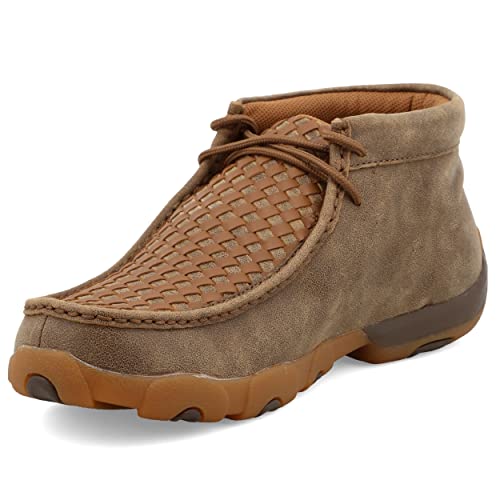
Twisted X Men’s Chukka Driving Moc Boot

Showave Mid Calf Deck Boots

ACE Bullfrog Pro Unisex Soft Toe Work Boot

MERIDOS Dress Sneakers Wingtip Oxford

Shoes For Crews Vitality II Work Sneaker

Shoes For Crews Everlight Work Sneaker
Inside Each Recommended Option
For kitchen line cooks, weekend gardeners, and anyone running a casual shift at a café or studio, the Classic Clog solves a familiar problem: shoes that feel heavy by hour four. The molded resin build keeps weight low, and the pivoting heel strap lets you lock them on for a brisk walk or flip them back for a slip-on feel when you’re moving between stations.
Unlike the heavier leather options later in this list, Crocs lean on a closed-cell material that resists water and shrugs off spills. Cleaning is straightforward: a rinse and air-dry handles most messes from soil, oil, or kitchen grime. For most people who split time between light outdoor tasks and indoor duty, the practical payoff is a forgiving fit right out of the box.
Everyday Perks
- Lightweight build reduces foot fatigue during long standing shifts
- Water-resistant material handles splashes and brief wet conditions
- Slip-on design with pivoting heel strap for quick entry and exit
- Roomy interior accommodates wider feet and aftermarket insoles
Things To Consider
- Open heel and ventilation ports let in debris on messy job sites
- Minimal arch support means you may want to add an insole for double shifts
Quick Facts
Right Fit For
Kitchen staff, gardeners, and anyone wanting a slip-on shoe for warm, casual shifts where cushion matters more than structure.
Look Elsewhere When
Twisted X Chukka Driving Moc Boot suits you better when you need full-grain leather for cooler outdoor conditions or a more rugged workshop setting.
Ranch hands, weekend builders, and tradespeople who split work between a truck cab and a dusty site will appreciate the Chukka Driving Moc’s split personality. The moccasin-style toe gives it a softer, broken-in feel from the first wear, while the chukka-height ankle adds a touch of support without the stiffness of a tall work boot.
The full-grain leather upper is the headline here, since it molds to your foot the more you wear it. Driving moc construction typically features a heel pod designed to stay comfortable when your foot is angled on a gas pedal for hours. Compare that to the Crocs Classic Clog, which prioritizes ventilation over structure, and the trade-off becomes clear: this is a boot for cooler weather and mixed indoor-outdoor days.
Advantages To Know
- Full-grain leather upper develops a custom fit over time
- Moccasin toe design feels flexible for driving and crouching tasks
- Mid-height ankle adds support without the weight of a tall work boot
- Leather naturally resists abrasion from workshop debris
Worth Noting
- Leather requires occasional conditioning to prevent drying and cracking
- Not waterproof, so wet jobs call for a sealed boot
- Break-in period may leave the leather stiff for the first few wears
At A Glance
Built With In Mind
Ranch work, light construction, and tradespeople who want a leather boot that handles both driving and site duty without feeling like a work boot.
Consider Something Else When
Showave Mid Calf Deck Boots make more sense if your shifts involve standing water, mud, or wet marine environments where sealed waterproofing matters.
Dock workers, commercial fishermen, farm hands, and anyone working where puddles, mud, and rinse-downs are part of the shift need a boot that keeps water out from the ankle down. The Showave Mid Calf Deck Boot delivers exactly that, with a sealed rubber build designed to handle standing water without soaking through.
Mid-calf height strikes a balance between full knee-high protection and a shorter ankle boot. Wading through shallow creeks, mucking out stalls, or hosing down a commercial kitchen floor all become less of a hassle. The trade-off is breathability: this is a rubber boot, so feet run warm in dry indoor conditions compared to the leather Chukka Driving Moc.
What Makes Sense
- Fully waterproof rubber construction keeps feet dry in standing water
- Mid-calf height protects against splashes and shallow wading
- Hose-clean surface makes end-of-shift cleanup fast
Trade Offs
- Rubber build traps heat in warm, dry conditions
- Minimal cushioning means you may want a thick insole on concrete floors
Whose Shelf It Belongs On
Outdoor laborers, farm workers, and dock staff who need sealed waterproofing above all else for messy, wet job sites.
Another Choice May Suit
ACE Bullfrog Pro Unisex Soft Toe Work Boot works better on dry indoor floors where slip resistance and cushioning matter more than waterproofing.
Warehouse pickers, freight loaders, and crew leaders juggling tools and ladders need a boot that grips wet concrete, holds up to abrasion, and stays comfortable through a double shift. The Bullfrog Pro comes from Shoes For Crews’ work-safety line, which means slip resistance is the core engineering focus rather than an afterthought.
Unlike the dress-casual MERIDOS Wingtip further down this list, this is a purpose-built work boot with a soft toe, water-resistant build, and EH (electrical hazard) rating for environments where stray voltage is a concern. The unisex sizing opens the boot up to crews that share gear or rotate shifts. In most warehouses and back-of-house kitchens, the traction alone justifies the build.
The Practical Payoff
- Slip-resistant outsole tuned for wet kitchen and warehouse floors
- Water-resistant upper handles splashes and brief exposure to moisture
- EH rating adds a layer of protection in electrical work environments
- Soft toe keeps the silhouette lighter than a steel-toe alternative
- Unisex sizing simplifies ordering for mixed crews
Honest Caveats
- Soft toe lacks impact protection, so falling-object zones may require a steel-toe upgrade
- Heavier than a sneaker-style work shoe like the Shoes For Crews Vitality II
- Break-in period can leave the upper stiff for the first week of wear
Feature Snapshot
Made For
Warehouse staff, freight handlers, and crew leaders who need traction and electrical hazard protection on slick indoor surfaces.
Skip It When
Shoes For Crews Vitality II Work Sneaker suits you better when your priority is lightweight comfort for long shifts on hard floors rather than toe protection.
Office workers, sales professionals, and anyone whose “work shoes” need to look sharp under a suit but feel like sneakers by the end of the day will find a useful middle ground here. The wingtip oxford styling reads business-formal, while the underlying sneaker construction keeps the foot cushioned through meetings and commutes.
Compared to the rugged Twisted X Chukka, this is a much lighter option designed for carpet and tile rather than gravel and mud. The trade-off shows up when you try to take it off-road: the sole and upper aren’t built for outdoor conditions, and the dress-shoe aesthetic would look out of place on a job site.
Bright Spots
- Wingtip oxford styling works for business and business-casual dress codes
- Sneaker-style comfort under the dress silhouette
- Light enough for daily commuting and standing presentations
Room For Improvement
- Not designed for wet, oily, or outdoor work environments
- Formal styling limits use to office-appropriate settings
Who It Suits Best
Office professionals, teachers, and front-desk staff who want business-casual styling with all-day cushioning rather than rugged protection.
A Better Fit Elsewhere
Crocs Unisex-Adult Classic Clog fits the bill when you want easy slip-on comfort for casual shifts and light outdoor tasks instead of a formal look.
Restaurant servers, line cooks, and healthcare aides who rack up serious mileage on slick floors will appreciate the Vitality II’s purpose-built approach. The sneaker silhouette feels familiar from the first wear, while the outsole is engineered for the same kind of wet, greasy traction challenges the heavier Bullfrog Pro handles.
The Vitality II trades the rugged ankle support and EH rating of a work boot for a much lighter ride. On long back-of-house shifts where you’re pivoting through tight spaces and chasing tickets, that weight difference adds up. You may find the cushioning slightly less substantial than the Bullfrog Pro out of the box, but the sneaker fit wins on agility.
Real Benefits
- Slip-resistant outsole designed for restaurant and hospital floors
- Sneaker-style fit breaks in immediately with no stiff period
- Lighter than a traditional work boot for faster movement
Factors To Consider
- Less protective than a full work boot for outdoor or warehouse duty
- Sneaker cushioning may compress faster under heavy daily use
Feature Rundown
Best Suited To
Restaurant staff, healthcare workers, and hospitality employees who spend their day on slick floors and value agility over heavy-duty protection.
Reach For A Different Pick When
ACE Bullfrog Pro Unisex Soft Toe Work Boot suits you better for warehouse or outdoor shifts where ankle support and electrical hazard ratings matter.
For healthcare aides, retirement-community staff, and hospitality workers who log ten or twelve thousand steps a day, shoe weight becomes a real issue by hour eight. The Everlight Work Sneaker leans hard into the lightweight angle, building a slip-resistant work shoe that feels closer to a running sneaker than a service-industry staple.
Compared to the Vitality II, the Everlight trims weight further, which makes a meaningful difference on long shifts where every ounce adds up across thousands of steps. The trade-off is durability: lighter construction typically shows wear sooner under daily commercial use, depending on how aggressive your environment is.
Where It Helps
- Featherweight build reduces foot fatigue on the longest shifts
- Slip-resistant outsole keeps traction on slick floors
- Sneaker-style fit requires no break-in period
- Comfortable enough to double as a daily commuter
Points To Note
- Lighter build may wear faster under heavy daily commercial use
- Less structural support than a boot for outdoor work
Who Should Grab It
Healthcare aides, hospitality staff, and service workers who walk many miles per shift and want minimal shoe weight above all else.
Swap It Out When
Shoes For Crews Vitality II Work Sneaker fits better when you want a slightly more substantial work sneaker with a longer service life under heavy daily wear.
What Matters Most Before Choosing Mens Shoes For Work
Match the shoe to the floor, not just the job title
A warehouse floor, a restaurant kitchen, and a suburban office ask three different things from work shoes. Wet, greasy, or polished surfaces demand slip-resistant outsoles with multi-directional tread patterns. Dry carpet and tile reward cushioning and breathability more than aggressive grip. Match the shoe’s design intent to the surface you actually walk on for most of the shift.
Decide between slip-on, sneaker, and boot early
Slip-on designs like the Crocs Classic Clog win for quick on-off routines and warm environments but offer limited protection. Work sneakers such as the Vitality II and Everlight hit a sweet spot for indoor service work. Boots like the Bullfrog Pro and Twisted X Chukka add ankle support and abrasion resistance for outdoor or heavy-duty settings. Your typical day’s hazards usually narrow the choice quickly.
Think about waterproofing versus breathability
Waterproof boots like the Showave Deck Boot keep feet dry in standing water, but the sealed construction traps heat. Leather and synthetic uppers breathe better, which matters on dry indoor shifts. If you split time between wet outdoor tasks and dry indoor work, owning two pairs often beats compromising on either front.
Don’t skip the support question
Cushioning under the heel and arch support across the midfoot are what separate a work shoe from a weekend shoe. People who stand for eight-plus hours benefit from reinforced arch structures, while people who walk thousands of steps lean toward responsive midsole cushioning. Trying on a pair at the end of a long day, when feet are slightly swollen, helps reveal fit issues that morning try-ons miss.
Key Considerations Across These Picks
Common Shopping Slip Ups
The most common mistake is choosing a shoe by appearance rather than by surface and duty cycle. A sharp-looking wingtip oxford does nothing for someone working a tile-floor kitchen shift, and a rugged waterproof boot is overkill for an office worker who mostly walks carpet. Match the shoe’s engineering to the actual floor and hazards first, then let style inform the final decision within that narrowed pool.
Where The Extra Money Goes
Premium work shoes typically spend the extra cost on outsole rubber compounds, anatomical footbeds, and tougher upper materials. The Twisted X Chukka’s full-grain leather ages into a custom fit, and the lighter commercial sneakers invest in slip-rated tread patterns. For people whose jobs punish cheap footwear, the upgrade often shows up as fewer foot problems and longer service life.
Frequently Asked Questions
How often should work shoes be replaced?
Most work shoes last somewhere between six months and two years, depending on materials, surface, and daily hours. Rubber outsoles wear faster on rough concrete, while leather uppers can outlast their soles if you resole them.
Are slip-resistant outsoles worth the extra cost?
For anyone working on wet, oily, or polished floors, slip resistance is essential rather than a luxury. The traction compounds are specifically engineered to channel fluids away from the contact patch, which standard sneaker rubber doesn’t do as reliably.
Can I use running shoes for work?
Running shoes handle dry, clean surfaces reasonably well, but they usually lack slip resistance, fluid resistance, and structural support. For environments with spills, debris, or long standing periods, purpose-built work shoes tend to hold up longer and protect better.
Do waterproof boots make feet sweat?
Sealed waterproof boots do trap heat and moisture in warm conditions. The Showave Deck Boot and similar styles work best when the job actually involves water exposure. For dry indoor shifts, breathable leather or synthetic uppers are usually more comfortable.
What’s the difference between soft toe and steel toe?
A soft toe has no impact-protection cap, keeping the shoe lighter and more flexible. A steel toe adds a reinforced cap that protects against falling objects and compression, at the cost of extra weight and reduced flexibility. Choose based on whether your environment involves falling-object hazards.
Bottom Line
The right pair of work shoes depends less on brand prestige and more on the floor beneath your feet, the hours on your shift, and the hazards you actually face. Match those three things first, and the rest of the choice tends to fall into place.