Your training shoes earn more abuse than any other gear in your kit. They take box jumps before sunrise, mid-day treadmill intervals, evening pickup basketball, and that 6 AM squat session you swore off last week. The right pair fades into the background so you can focus on the work. The wrong pair nags at your heels, shifts under lateral pressure, or breaks down after two months of real use.
This roundup focuses on shoes that handle genuine training, not flashy looks or marketing buzz. You’ll find picks suited to lifting, mixed gym work, casual wear, and all-day comfort. Each entry has an honest read on strengths, trade-offs, and the kind of training it actually serves.
The Choices Worth Comparing
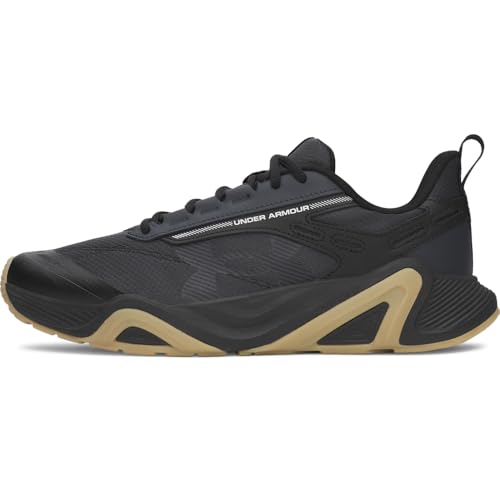
Under Armour Charged Commit Trainer 5

Reebok CrossFit Nano 9.0 Training Shoes

Adidas Mens Fitness (Powerlift 4)

Adidas Vl Court 3.0 Casual Sneakers (Grey)
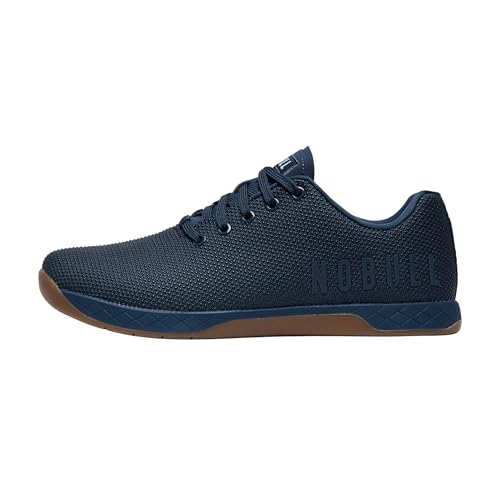
NOBULL Men’s Outwork Shoe

NOBULL Men’s Outwork Edge Shoe

NOBULL Women’s Allday 365 (Ripstop)
Inside Each Recommended Option
The Charged Commit Trainer 5 sits in that comfortable middle zone for people whose training week is genuinely mixed. One day it’s a warm-up jog to the weight room, the next it’s lateral shuffle drills and a few sets of plyometrics. The shoe carries leather reinforcement across the top of the foot, which helps it stay planted under pressure rather than twisting mid-rep.
Where the Commit Trainer 5 earns its reputation is the midsole. Charged Cushioning absorbs hard landings without making the shoe feel mushy under a heavy deadlift, and the flex grooves on the outsole let the forefoot bend naturally during quick transitions. Runners logging easy miles will find the cushion firm but not punishing. Lifters chasing a single-purpose flat sole should look elsewhere.
What Works In Its Favor
- Leather overlay keeps the midfoot stable during lateral work and rope climbs.
- Charged Cushioning softens impact for box jumps and short sprints.
- Flex grooves on the outsole keep the forefoot responsive during quick direction changes.
- Versatile enough to handle a warm-up jog, a strength block, and conditioning in one session.
Trade Offs
- Not a flat, rigid lifting shoe, so heavy squat sessions may feel less locked-in.
- Leather panels take longer to break in than a pure mesh upper.
Quick Facts
Best Suited To
Recreational athletes whose training week mixes cardio, conditioning, and moderate lifting will get the most out of this shoe.
A Better Fit Elsewhere
For pure barbell work in a powerlifting-style routine, the Adidas Mens Fitness delivers a flatter, more stable platform under the heel.
The Reebok Nano 9.0 has been a fixture in functional-fitness gyms for years because it handles a wide range of movements without leaning hard toward any one discipline. The Flexweave upper is a woven material that flexes through lunges and burpees but holds shape during heavy lifts. For shop-floor conditioning sessions or class-style WODs, the geometry stays out of your way.
Compared to the broader cushioning of the Charged Commit Trainer 5, the Nano 9.0 feels firmer and more ground-connected. That tradeoff pays off when you want stability for an overhead squat, but it can feel stiff during longer runs. Sizing runs a little narrow, so wide-footed lifters may want to try them on first.
Positive Takeaways
- Flexweave upper combines stretch where you need it with structure where you don’t.
- Midsole cushioning is firm enough to feel planted during heavy lifts.
- Wide, flat heel creates a stable base for squats and clean variations.
- Well suited to circuit-style training that mixes strength and quick movements.
Points To Note
- Cushioning feels thin during longer runs or extended rowing intervals.
- Narrow last can feel tight for wider feet, depending on foot shape.
- Outsole durability is generally fine on gym floors, though outdoor use accelerates wear.
Made For
Athletes running varied, high-intensity functional-fitness sessions who want a single shoe that won’t fight them between sets.
Swap It Out When
If your training leans toward heavy, slow lifts and minimal cardio, the Adidas Mens Fitness offers a more specialized wedge for that purpose.
The Adidas Mens Fitness in this listing covers the Powerlift 4, a shoe built almost entirely around one job: keeping you planted under a barbell. The wedge midsole raises the heel to open up ankle range for squats and cleans, and the wide medial band keeps the foot centered when loads get heavy. If your training week is mostly squats, presses, and pulls, this shoe does what it says.
Run this against the Charged Commit Trainer 5, and the difference is immediate. Where the UA moves with you through cardio and lateral work, the Powerlift 4 stays stubbornly still. That rigidity is the point, but it makes the shoe a poor choice for treadmill warm-ups or sprint work. Built with Primegreen recycled materials, the upper is a durable canvas that ages well under repeated chalk and sweat.
What Stands Out
- Raised heel wedge improves squat depth and ankle positioning for Olympic lifts.
- Wide medial strap locks the foot down during heavy pulls and presses.
- Durable canvas upper resists abrasion from rope work and chalked hands.
- Narrow last creates a secure, locked-in feel for narrower feet.
Honest Caveats
- Not built for running, jumping, or any meaningful cardio component.
- Heel wedge feels awkward when walking between platforms or on uneven floors.
Feature Snapshot
Whose Shelf It Belongs On
Strength-focused athletes who want a dedicated lifting shoe separate from their conditioning kicks will get real value from this one.
Look Elsewhere When
If your sessions are more dynamic and involve frequent transitions, the Reebok CrossFit Nano 9.0 adapts faster between movements.
Not every shoe in a workout roundup needs to survive a metcon. The Adidas Vl Court 3.0 earns its place as the casual option for the hours after the gym. The smooth leather upper looks clean with jeans, joggers, or shorts, and the lining keeps the fit comfortable enough for all-day wear.
The vulcanized rubber outsole, a construction method that bonds rubber to the upper with heat for a flexible, broken-in feel from day one, has skater DNA, which gives the shoe a bit more flexibility than a typical cupsole. The tradeoff shows up in lateral support: this is not a shoe to grab for any real athletic movement. If your “working out” mostly means walking to the gym and looking presentable afterward, the Vl Court 3.0 fits the brief.
Features That Help
- Smooth leather upper looks clean across casual outfits.
- Vulcanized rubber outsole stays flexible and breaks in fast.
- Lightweight cushioning handles long days on foot.
- Lined interior adds comfort for sockless or thin-sock wear.
Where It May Fall Short
- Zero lateral support means no agility work, jumping, or lateral cuts.
- Leather upper needs occasional cleaning to keep its look.
Right Fit For
Anyone wanting one clean, versatile sneaker for post-workout wear, errands, and casual outings will appreciate the simplicity.
Not Your Match When
If your goal is a single shoe that handles both gym sessions and casual days, the NOBULL Outwork Shoe bridges that gap better.
The NOBULL Outwork is the shoe you grab when your training includes sandbags, ropes, or the kind of outdoor conditioning that eats through ordinary uppers. The brand built its reputation on a SuperFabric-style upper that resists abrasion far better than standard mesh, which matters when your workouts involve dragging, climbing, or rough surfaces.
Compared to the Charged Commit Trainer 5’s leather-reinforced upper, the Outwork’s construction trades a bit of breathability for serious durability. The fit is roomier through the toe box, a feature many lifters appreciate for splayed feet under heavy squats. Cushioning sits in a moderate zone: enough for short runs and box jumps, but nothing like a dedicated running shoe.
The Good Stuff
- Abrasion-resistant upper handles rope climbs and rough terrain.
- Wider toe box allows toes to splay naturally under heavy loads.
- Low-profile design keeps the foot close to the ground for stability.
- Durable outsole holds up to outdoor conditioning surfaces.
Small Caveats
- Less breathable than mesh-heavy trainers, depending on foot temperature.
- Cushioning is moderate, so longer runs may feel flat.
Feature Card
Who Should Grab It
Functional-fitness athletes who mix outdoor conditioning, lifting, and rope work will get the most from this build.
Consider Something Else When
If your training is mostly indoor cardio and machine work, the Charged Commit Trainer 5 is a more breathable all-rounder.
The Outwork Edge takes the Outwork formula and adds a more aggressive outsole for athletes whose training leaves the gym floor. If your routine includes trail runs, hill sprints, or outdoor boot camp sessions, the extra traction changes how the shoe feels underfoot. On rubberized gym surfaces, that lug pattern can feel almost too grippy, almost like the shoe is grabbing the floor too eagerly.
The upper stays in the same abrasion-resistant family as the standard Outwork, so durability carries over. Where it differs most is intent: this is a shoe designed for variable terrain first, indoor lifting second. For pure indoor training, the original Outwork is the cleaner choice.
A Strong Showing
- Aggressive outsole pattern grips dirt, gravel, and grass well.
- Same durable upper construction as the standard Outwork.
- Low-profile platform keeps the foot close to the ground.
Less Ideal Details
- Trail-focused lugs feel over-grippy on smooth gym floors.
- Not the best pick if your training is exclusively indoor.
Built With In Mind
Athletes whose training week includes real outdoor work, from hill repeats to trail circuits, will appreciate the grip upgrade.
Reach For A Different Pick When
For purely indoor sessions, the standard NOBULL Outwork Shoe is a more efficient fit.
The Allday 365 in ripstop rounds out this list as a women’s-specific option that lives in the space between performance shoe and everyday sneaker. The ripstop upper, a tightly woven fabric that resists tearing and small punctures, holds up to gym sessions while staying light enough for full days of walking. It’s the shoe for someone whose training is real but who also needs the same pair to handle errands afterward.
Set against the NOBULL Outwork, the Allday 365 trades some lifting stability for cushioning and comfort. That makes it a better pick for active lifestyle wear and lighter training days, and a worse pick for max-effort squats. The fit runs true to size, with a slightly narrower last than the unisex Outwork.
What Helps Most
- Ripstop upper resists tears while staying light and flexible.
- Cushioned midsole handles long days on foot comfortably.
- Style works for both gym sessions and casual settings.
- True-to-size fit for most foot shapes.
Practical Considerations
- Less stable under very heavy barbell work than a true lifting shoe.
- Ripstop can show dirt more visibly than darker leather options.
Specs At A Glance
Who It Suits Best
Active women who want one shoe to handle workouts, walks, and daily errands without swapping pairs will find this fit well.
Where Another Pick Suits Better
For dedicated lifting sessions, the Adidas Mens Fitness offers a wedge midsole built for heavier loads.
Matching Shoes To The Way You Actually Train
Picking the right training shoe comes down to honest questions about how you spend your week. Runners logging heavy mileage need different cushioning and outsole geometry than lifters chasing stability under a barbell. Mixed-program athletes fall somewhere in the middle.
Identify Your Primary Movement Pattern
Start by ranking your weekly sessions: how much is lifting, how much is cardio, how much is mixed work. A shoe that excels at one movement type often sacrifices another. The Reebok Nano 9.0 tries to span the gap, while the Adidas Powerlift 4 commits fully to lifting. There’s no wrong answer, just a fit question.
Consider The Surfaces You Train On
Indoor gym floors reward flatter outsoles and stable platforms. Outdoor sessions, from parking-lot boot camps to trail runs, demand lug patterns and abrasion-resistant uppers. The NOBULL Outwork Edge is built for the latter, while most other picks here favor indoor traction.
Think About Durability Over Time
Training shoes break down faster than running shoes because they see more abrasion, chalk, and varied movements. Uppers with leather or ripstop panels tend to outlast plain mesh under heavy use. Outsoles with deeper lugs wear down faster on indoor floors, which is worth tracking if you log a lot of gym sessions.
Don’t Skip Fit And Foot Shape
Last shape (the foot-shaped mold the shoe is built around) matters more than most realize. Narrow feet often do better in the Powerlift 4 or Nano 9.0. Wider feet frequently prefer the roomier NOBULL toe box. Trying shoes on late in the day, when feet are slightly swollen, mimics how your feet feel during a tough session.
Key Considerations Across These Picks
Pitfalls Shoppers Hit
One common mistake is buying a single shoe for everything and expecting it to excel everywhere. A dedicated lifting shoe will frustrate you during conditioning, and a cushioned runner will feel unstable under a heavy squat. Another is chasing looks over fit, since flashy colorways won’t matter if the shoe pinches during a clean. Last, ignoring outsole wear can leave you training on a smooth, grip-less surface that increases injury risk.
Where The Extra Money Goes
Higher-tier training shoes usually spend the budget on outsole rubber compounds, midsole cushioning technology, and reinforced uppers. These upgrades show up in longevity and comfort over months of use, not in the first session. If your training is consistent year-round, the extra cost often pays off in fewer replacement cycles. For casual or occasional training, mid-range options deliver most of the value without the premium.
Frequently Asked Questions
How Often Should I Replace Training Shoes?
Most training shoes last six to twelve months with regular use, depending on the surfaces and intensity. Watch the outsole for smooth spots and the midsole for creasing or compression, which signal it’s time.
Can I Use Running Shoes For Lifting?
You can, but running shoes have softer midsoles designed for forward motion, which can feel unstable under heavy squats. For serious lifting, a flatter training shoe or dedicated lifter holds its ground better.
Do I Need Different Shoes For Cardio And Lifting?
Not strictly, but a dedicated shoe for each discipline usually performs better. A mixed-program shoe like the Reebok Nano 9.0 or Under Armour Charged Commit Trainer 5 is the practical middle ground if you only want one pair.
Are CrossFit-Style Shoes Good For Beginners?
Generally yes. They offer enough stability for learning lifts while staying flexible for conditioning work. Pure lifting shoes make more sense once your technique is consistent and your loads get heavy.
How Should Training Shoes Fit?
Snug through the midfoot with about a thumb’s width of room at the toe. The heel should stay locked without sliding, and the shoe should feel secure during lateral movements without pinching anywhere.
Closing Remarks
The right training shoe disappears under your feet so the work can take the spotlight. Match the shoe to your primary movement pattern, the surfaces you train on, and your foot shape, and most options here will serve you well. Try to test fit when you can, and trust the build that fits your week, not just the spec sheet.