Track work punishes compromise. You log the warm-up miles, plant on the curve, and feel every spike placement underfoot. Whether you’re training for the 800m or throwing shot for the school team, the right pair of mens track spikes changes how your foot meets the surface. This lineup covers distance specialists, sprinters, jumpers, and field-event throwers across a real spread of build styles and price points.
An Overview Of The Picks

adidas Adizero Distancestar Track and Field Spikes

Sonic Cat Carbon Plate Track Spikes with Air Cushion
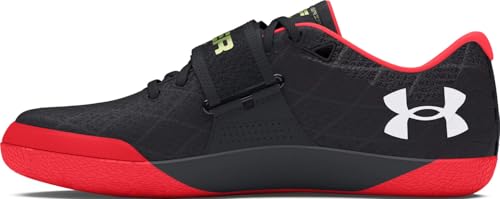
Under Armour UA Centric Grip Track Shoes

VELAASA Stones Throwing Shoes

RROCDTE Lightweight Sprint and Jumping Spikes
A Deeper Look At The Lineup
The Distancestar is built around the middle-to-long stretch of the oval. It uses an extended six-pin TPU (thermoplastic polyurethane, a tough yet flexible plastic) spike plate, which means more contact points digging into the track when you swing through the curve. The unisex fit opens this model to a wider range of foot shapes, which helps if you’re between sizes or buying for a high school team. In real-world terms, you feel planted at the 200m mark when fatigue starts to creep in.
Where this shoe earns its reputation is in the rhythm of an extended race. It’s lighter than a typical trainer but more forgiving than a pure sprint spike, so the foot does not feel crushed over the back half of a mile repeat. If your weekly training leans toward 400m repeats through two-mile tempo work, this is the kind of shoe you reach for on race day. For pure 100m specialists, the plate is a touch long for the kind of max-effort explosion they want.
Positive Points
- Extended six-pin plate delivers steady grip through tight curves
- Lightweight feel suits events from 400m up through the mile and beyond
- Unisex sizing helps teams or individuals with hard-to-fit feet
- Balanced stiffness gives a forgiving toe-off over the late stages of a race
- Trusted adidas build for daily training and meet day alike
Trade Offs To Consider
- Less aggressive than a sprint spike for pure 100m and 200m work
- Plate length may feel clunky to runners used to shorter spike beds
- Limited color options in some sizing runs
Built With In Mind
Middle and long-distance runners who want a dependable daily trainer that doubles as a race-day option without breaking the bank.
Consider Something Else When
If you specialize in throwing events, the VELAASA Stones Throwing Shoes will suit the rotational footwork of shotput and discus better.
Where the Distancestar leans distance, this Sonic Cat model pulls in the opposite direction: a full-length carbon plate (a stiff, springy sheet that runs the length of the foot) paired with air cushioning and seven removable metal spikes. That combination shows up across sprints, jumps, and middle-distance events, so you get a single shoe that travels well between workouts. The TPU support frame adds lateral stability for cut-phase drills.
For multi-event athletes who sprint on Monday and long-jump on Thursday, this kind of cross-purpose design simplifies the gear bag. The air pocket absorbs some of the hard impact during approach work, while the plate keeps the toe-off crisp. You may find the upper a touch warmer than a stripped-down sprint spike, depending on how long your session runs.
Why It Works Well
- Carbon plate gives a responsive, snappy toe-off under full effort
- Removable metal pins let you swap spike length for different surfaces
- Air cushion softens hard landings during jump practice
- Light upper with TPU reinforcement holds the midfoot during cuts
- Truly multi-event: sprints, middle-distance, and jumping all in one
Soft Spots Worth Knowing
- More moving parts (pins, plate) mean more setup time before meets
- Air cushion adds a touch of weight compared to minimal sprint spikes
- Pin wrench not always included, so budget for a separate tool
Feature Snapshot
Right Fit For
Multi-event high school and club athletes who sprint, jump, and run middle-distance within the same training week.
A Better Fit Elsewhere
If your focus is pure distance running past the 1500m, the adidas Adizero Distancestar Track and Field Spikes has a more distance-tuned feel.
The Centric Grip splits the difference between a sprint spike and a cushioned trainer. An embroidered upper keeps the forefoot breathable while you set up for a throw, and the platform delivers cushioning that softens the impact of repeated practice entries. The shoe was clearly aimed at field-event athletes who put hours into the ring each week.
Where this model earns its keep is in the warm-up cycle. You can jog in it, do your technique drills, and still feel supported through long throwing sessions. It’s heavier than a dedicated sprint spike, which matters if you also race sprints, but for shotput, discus, and hammer work, that extra mass disappears into the rotation. You may find the fit slightly narrow for wider feet, depending on your foot shape.
What Makes Sense
- Cushioned platform takes the sting out of repeated practice landings
- Embroidered upper breathes well during extended throwing sessions
- Locked-in midfoot feel helps stabilize rotational technique
- Unisex sizing covers a wide range of throwers
- Under Armour build quality for daily training use
Points To Keep In Mind
- Heavier than a pure sprint spike, so less ideal for 100m specialists
- Fit may run narrow for athletes with wider forefoot profiles
Best Suited To
Field-event throwers in shotput, discus, and hammer who want cushioning and stability during long practice blocks.
Swap It Out When
For pure throwing-event footwork in the ring, the VELAASA Stones Throwing Shoes offers a more specialized throwing-specific platform.
The Stones sits in its own category. This is a purpose-built throwing shoe, the kind you slip on right before stepping into the ring for shotput, discus, or javelin work. The platform is designed to handle the rotational forces that a throwing event puts through the foot, and the construction reflects years of throwing-shoe tradition. It is not a distance spike and it is not a sprint spike, and that is exactly the point.
For serious throwers who train multiple events, this is a focused tool. The build trades the all-around versatility of something like the Sonic Cat Carbon Plate Track Spikes for a much more specific feel underfoot during the throw. You may find the Stones a touch specialized if you only throw occasionally, in which case a more general track shoe is a smarter pick.
Useful Strengths
- Throwing-specific build tuned for rotational technique
- Stable platform underfoot through the release phase
- Works across multiple throwing disciplines
- Trusted name in throwing-event gear
Honest Caveats
- Too specialized for sprint or distance training sessions
- Limited cushioning for athletes used to padded trainers
- Sizing can run unique, so careful measuring helps
Perfect Match For
Dedicated throwers in shotput, discus, and javelin who want a purpose-built shoe for competition and focused practice.
Look Elsewhere When
If you split time between throwing and running events, the Under Armour UA Centric Grip Track Shoes covers both sides of that training load.
The RROCDTE model leans into accessibility. It is positioned as a lightweight professional-style spike for sprinting, racing, and jumping, with a price point that opens the door for beginners, school programs, and casual training. The build is straightforward, focused on weight reduction and a snug racing fit rather than elaborate plate technology.
For an athlete picking up their first pair of spikes, this covers the basics without overcommitting budget. You get a workable spike for short sprint sessions, easy jump approaches, and everyday training. You may find the upper less breathable than premium builds during long summer sessions, and the spike pins can require replacement sooner than higher-end options.
The Practical Payoff
- Lightweight build keeps legs fresh during early training blocks
- Accessible price point for first-time spike owners
- Covers sprints and basic jumping events
Less-Strong Areas
- Upper ventilation is thinner than premium competition models
- Spike pins may need replacement sooner under heavy use
- Less plate support for advanced distance training
Who Should Grab It
Beginners, high schoolers, and budget-conscious athletes who need a workable first pair of spikes for sprints and jumps.
Reach For A Different Pick When
If you’re competing at a serious level and want a shoe with a carbon plate and air cushioning, the Sonic Cat Carbon Plate Track Spikes with Air Cushion offers more advanced tech.
Picking The Right Mens Track Spikes For Your Events
The first question to answer is simple: what event do you actually compete in? Distance runners benefit from a longer spike plate and lighter upper, while sprinters want maximum forefoot lockdown and a stiff toe spring. Jumpers usually need a middle ground, with enough plate stiffness for the approach but enough cushion for landing. Field-event throwers live in their own category entirely, and a throwing-specific shoe like the VELAASA Stones handles rotational stress in ways a regular spike cannot.
Fit matters more than most beginners expect. Track spikes should feel snug at the heel and midfoot with a small amount of room in the toe box, because your foot swells during warm-up. Trying them on at the end of a training session, when your feet are at their largest, helps avoid the dreaded mid-race slip. A loose spike steals energy with every footstrike and can cost tenths of a second that compound over a full race.
Spike pin length and configuration deserve attention too. Longer pins dig in more on a soft, all-weather track, while shorter pyramid pins are friendlier on a hard indoor surface. Most schools and tracks have rules about pin length, so check with your coach before swapping. Spikes also wear out faster than trainers, so plan to rotate or replace them through a season if you train hard.
Finally, think about how many shoes you want to own. A multi-event high schooler might keep two pairs: a distance shoe and a sprint or jump spike. A throwing specialist needs the throwing shoe plus something for warm-up laps. A distance-only runner can get away with one well-chosen pair and use the savings for race entries or recovery gear.
Practical Pointers Before You Buy
Pitfalls Shoppers Hit
The most common mistake is choosing a sprint spike for distance training, or a distance spike for sprint racing. The plates and weights are tuned to different efforts, and the mismatch shows up as calf strain, sloppy toe-off, or shin splints. Another trap is buying too large. Track spikes are sized differently from your everyday trainers, and most athletes need a half-size down from their street shoe. Skipping this step leads to blisters and lost energy through wasted foot motion inside the shoe.
Where The Extra Money Goes
Premium spikes use lighter upper materials, stiffer plates, and more refined spike pin geometry. The carbon plate in models like the Sonic Cat track spikes, for example, costs more to source and shape than a basic nylon plate, and it returns more energy with every stride. Higher-end construction also tends to last longer under heavy training, so the cost per wear often evens out across a season for serious athletes.
Frequently Asked Questions
How should mens track spikes fit?
Track spikes should fit snugly around the heel and midfoot with about a thumbnail’s width of space at the front. Your foot swells during warm-up, so trying them on after a short jog gives a more realistic fit.
Can you use the same spikes for sprints and distance?
You can, but it’s not ideal. Sprint spikes have shorter, stiffer plates for explosive starts, while distance spikes flex more for sustained rhythm. Multi-event athletes often rotate two pairs to match the workout.
How often should you replace spike pins?
Replace pins when they look visibly worn or rounded at the tip, typically once or twice a season for active athletes. A worn pin loses traction and puts extra stress on your ankle on the curve.
Are throwing shoes different from running spikes?
Yes, throwing shoes are built specifically for rotational technique in the ring. They have a different platform and weight distribution than a distance or sprint spike, and using a running spike for throwing can wear it out fast in the wrong places.
Do you need spikes for indoor track?
Indoor tracks usually require shorter pyramid pins or specific indoor-only pins, since long pins can damage the surface. Always check the venue’s spike policy before competing indoors.
The Takeaway
The right mens track spikes depend almost entirely on your event, your foot, and the kind of training week you actually run. Distance specialists, multi-event athletes, throwers, and first-timers each have a different ideal fit, and this lineup covers all four lanes. Pick the shoe that matches the work you’re doing right now, and your feet will thank you every meet.