Trail running asks more from a shoe than pavement ever does. Loose rock, wet roots, steep grades, and sudden weather changes all hit your feet within the first mile, and the wrong pair punishes you long after you finish. A good trail shoe balances grip, cushion, and foot protection without feeling clunky on flat sections.
This roundup covers seven picks spanning cushioned long-distance cruisers, aggressive mud-bred grippers, and lighter crossover options. Some lean waterproof, some prioritize ground feel, and a couple work fine when your runs blur the line between road and trail. Use the table below to scan, then read the breakdowns to see which one matches your terrain and the kind of miles you log each week.
A Snapshot Of The Selections

On Mens Cloudhorizon Waterproof
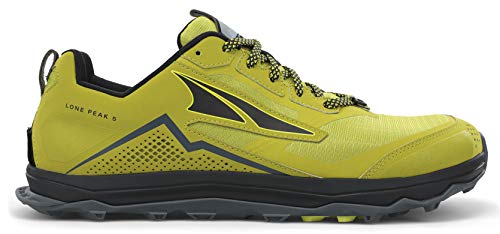
ALTRA Lone Peak 5 Trail Running Shoe

Salomon Mens Speedcross 6
ALTRA Experience Flow 2 Road

ALTRA Men’s Torin 8 Road

ASICS Men’s Gel-Contend 9

Men’s Experience Wild 2
A Breakdown Of The Leading Choices
Wet mornings and stream crossings won’t ruin your run when the upper keeps water out. The On Cloudhorizon leans into a cushioned ride that softens rocky sections, with a waterproof membrane wrapping the whole foot for full weather coverage. Compared to the Lone Peak 5 below, this one feels more protective than airy, which suits shoulder-season training where mud and rain show up without warning.
You log miles in regions where trails stay damp into late spring, or you commute by trail to work and need one shoe for both. The plush midsole softens long descents, and the lacing system holds your foot stable on uneven grades.
What Pays Off
- Waterproof construction keeps socks dry through puddles and wet grass
- Generous cushioning protects joints on multi-hour outings
- Roomy platform feels stable when carrying a small pack
- CloudTec-style outsole handles mixed gravel and root sections
Trade Offs
- Waterproof layers run warmer in summer heat, so you may find them stifling above 75°F
- Heavier than a minimalist trail shoe, which matters on race day
- Outsole lugs are moderate, not aggressive, so deep mud still slows you down
Made For
Runners who train year-round in damp climates and want one shoe that handles rain, cold, and rocky footing.
Reach For A Different Pick When
The Salomon Speedcross 6 suits you better when deep, sloppy mud is your regular trail surface and you need maximum bite.
The Lone Peak has earned a cult following among ultra runners for good reason, and version 5 keeps the roomy toe box that lets your forefoot splay naturally on downhills. The zero-drop platform, meaning the heel and forefoot sit at the same height, encourages a midfoot strike that reduces calf strain over long distances. Where the Cloudhorizon above focuses on weather protection, this shoe focuses on comfort over hours of running.
You’re logging back-to-back long runs on dry singletrack, or you prefer a barefoot-style feel without going fully minimal. The wide forefoot suits people whose toes splay during impact, and the grippy outsole handles packed dirt, loose gravel, and moderate rock gardens well.
Useful Strengths
- Foot-shaped toe box prevents pinching on long descents
- Zero-drop geometry feels natural for midfoot strikers
- Moderate lugs handle varied dry terrain confidently
- Stack height, the total cushion between foot and ground, is balanced for both protection and ground feel
Honest Caveats
- The roomy fit may feel sloppy for narrow-footed runners who need a locked-in heel
- Upper drainage is average, so wet stream crossings leave water sitting inside
- Not the lightest option in this lineup, which matters for race-pace efforts
Feature Snapshot
Who It Suits Best
Ultra-distance trail runners and hikers who log long hours on dry to moderately damp terrain and want a forgiving, natural-feeling ride.
Look Elsewhere When
The On Mens Cloudhorizon Waterproof is a smarter grab when your training happens mostly in wet, cold conditions that demand a sealed upper.
Few trail shoes grip mud the way the Speedcross does. Deep, widely spaced lugs bite into soft ground, and the updated upper sheds debris faster than past versions, which is a real upgrade for anyone running wet grass or clay-heavy trails. Compared to the Lone Peak’s balanced feel, this shoe feels aggressive and almost sporty, like a tool built for one job.
You race short trail events, train on hilly terrain with consistent mud, or run obstacle-style courses that demand traction. The quicklace system tightens with one pull, which sounds gimmicky until you try to adjust traditional laces with numb fingers on a cold start.
Useful Touches
- Deep lugs evacuate mud quickly and maintain bite in soft ground
- Quicklace system tightens evenly with a single pull
- Reinforced upper resists abrasion from rocks and branches
- Sensifit cradles the foot for a secure, locked-in heel
Things To Consider
- Aggressive lugs feel clunky on pavement, so road sections wear you down
- Run narrow, so wide-footed users may need to size up
- Stiffer midsole limits ground feel, which some runners miss on technical rock
Best Suited To
Runners tackling soft, wet, or muddy terrain regularly, including obstacle racers and trail runners who prioritize grip above all else.
Skip It When
The ALTRA Lone Peak 5 is a better fit when you want something more versatile for dry, rocky trails where ground feel matters more than bite.
The Experience Flow 2 sits in a hybrid space: road-focused cushion with enough tread for light trail work. The plush midsole softens impact during recovery runs, and the rocker shape, a curved sole geometry that rolls you forward with each step, gently pushes you through toe-off so legs feel fresher the next day. It lacks the aggressive grip of the Speedcross, but that’s the point. This shoe is built for runners whose training blends pavement with park paths and fire roads.
You want one shoe that handles weekday road miles and weekend trail detours without missing a beat. The foot-shaped fit mirrors the Lone Peak’s philosophy, just translated to a smoother, more cushioned ride.
Why It Works Well
- Rocker geometry reduces fatigue on long, easy-paced runs
- Cushioned midsole protects joints during high-mileage weeks
- Foot-shaped fit accommodates natural toe splay
- Versatile enough for road, gravel, and light trail segments
Less Ideal Details
- Limited lug depth means slippery footing on wet roots or steep mud
- Not designed for technical single-track, so rocky descents feel less controlled
Quick Facts
Whose Shelf It Belongs On
Runners who log most miles on pavement but want a shoe that can handle occasional gravel paths and fire roads without switching footwear.
A Better Fit Elsewhere
The Men’s Experience Wild 2 is the smarter pick when you want ALTRA’s signature fit but need genuine trail traction for variable conditions.
The Torin has long been ALTRA’s plush neutral trainer, and version 8 doubles down on cushion without sacrificing the brand’s roomy toe box. The result is a shoe that disappears on your feet during easy runs, which is the highest praise a daily trainer can earn. While the Experience Flow 2 leans into a rocker shape for forward momentum, the Torin offers a more traditional, grounded ride.
You’re building base mileage, returning from injury, or want a shoe that feels forgiving on recovery days. It works best for road running but can handle groomed gravel paths when your route takes you off the beaten track.
Bright Spots
- Plush cushion absorbs impact on hard surfaces
- Roomy forefoot prevents pinching during long runs
- Durable outsole handles daily training without quick wear
- Breathable upper keeps feet cool on warm days
Worth Noting
- Lacks trail-ready traction for anything beyond gravel paths
- Heavier than race-oriented shoes, which slows tempo efforts
Feature Rundown
The Right Fit
Runners seeking maximum cushioning for daily road miles, especially those with wider feet or anyone returning to consistent training after time off.
Not Your Match When
The Salomon Speedcross 6 fits better when your runs regularly take you into soft, technical trails that demand serious grip.
The Gel-Contend 9 is the budget-friendly gateway shoe in ASICS’s lineup, and it delivers the brand’s signature GEL cushioning (a silicone-based pad that absorbs impact in the heel) without the price tag of performance models. The AMPLIFOAM midsole keeps the ride soft, and the OrthoLite sockliner (a moisture-wicking foam insert) adds step-in comfort that feels premium for the cost. It’s a road runner through and through, so this isn’t a trail shoe, but for beginners logging their first miles, it gets the job done.
You’re starting a running habit, you need a reliable everyday trainer, or you want a low-cost option for gym cardio and short jogs. The polyester upper breathes well, and the traditional lace closure adjusts easily.
Positive Points
- Affordable entry point into quality running shoes
- GEL technology absorbs heel impact for smoother landings
- OrthoLite sockliner wicks moisture and resists odor
- AMPLIFOAM midsole provides durable cushioning for daily use
Where It May Fall Short
- Road-only design limits use on trails or uneven surfaces
- Standard fit may feel narrow for runners used to wider toe boxes
Who Should Grab It
Beginner runners, casual joggers, and anyone seeking an affordable, comfortable shoe for gym sessions and short road runs.
Where Another Pick Suits Better
The ALTRA Experience Flow 2 Road Running Shoe serves you better if you want a similar road-focused ride with a roomier, foot-shaped fit.
The Experience Wild 2 is ALTRA’s answer to runners who want trail-ready traction without giving up the brand’s signature foot-shaped comfort. The lug pattern digs into loose dirt and gravel, while the balanced cushion keeps the ride smooth on flatter sections. It’s the middle ground between the road-friendly Flow 2 and the more aggressive competition in this list.
Your training routes shift between groomed trails, rocky paths, and occasional pavement connectors. You want one shoe that adapts without feeling specialized.
What Helps Most
- Trail-specific lugs grip loose surfaces reliably
- Foot-shaped fit supports natural toe splay on uneven ground
- Balanced cushion softens impact without sacrificing ground feedback
- Versatile outsole transitions smoothly between trail and road
Points To Note
- Not as aggressive as dedicated mud runners like the Speedcross
- May feel overbuilt for runners who prefer minimal, low-profile shoes
At A Glance
Who Will Love This
Runners with varied training routes who want one shoe that handles trails competently and doesn’t feel awkward on short pavement sections.
Swap It Out When
The Salomon Speedcross 6 is a smarter match for runners who spend most weekends in deep mud and need maximum bite over versatility.
What Matters Most Before Choosing Mens Trail Running Shoes
Matching the Shoe to Your Terrain
The biggest decision is where you actually run. Soft, muddy trails demand aggressive lugs like those on the Speedcross 6, while rocky, dry terrain rewards the balanced grip of the Lone Peak 5 or Experience Wild 2. Runners who split time between road and trail should consider crossover options that handle both without feeling specialized for either.
Cushioning and Stack Height
Stack height, the total amount of material between your foot and the ground, affects both protection and ground feel. Higher stacks (more cushion) soften impact on long runs but can feel unstable on technical terrain. Lower stacks keep you connected to the trail but transmit more shock. The Torin 8 and Experience Flow 2 lean plush for road use, while trail-focused options balance cushion with ground feel.
Fit and Toe Box Shape
A roomy toe box lets your forefoot splay naturally on uneven ground, which reduces fatigue and prevents black toenails on downhills. Narrow-footed runners often prefer the locked-in feel of shoes like the Speedcross, while wide-footed athletes benefit from foot-shaped designs. Trying shoes on late in the day, when feet are slightly swollen, mirrors real running conditions.
Weight vs. Protection
Lighter shoes feel faster but offer less protection. Heavier trail shoes with reinforced uppers and rock plates shield your feet from sharp debris, which matters on long runs over rugged terrain. For short, fast efforts, a lighter shoe improves turnover; for multi-hour outings, the extra weight of a protective build is worth carrying.
Key Considerations Across These Picks
Pitfalls Shoppers Hit
Many runners choose trail shoes based on looks or brand loyalty rather than terrain. A road running shoe with aggressive marketing doesn’t handle mud well, and a true trail shoe feels clunky on pavement. Match the shoe to your most common surface rather than your aspirational one. Sizing also trips people up: trail shoes often fit differently than road shoes, especially when toe boxes are wider.
Where The Extra Money Goes
Premium trail shoes cost more because of advanced outsoles, lighter midsole foams, and protective features like rock plates and reinforced uppers. The extra cost matters most for runners logging high mileage or tackling technical terrain. For casual use on groomed trails, a mid-range option often delivers most of the benefit at a lower price. Spending up makes sense when your training demands it, not just because a shoe carries a premium label.
Frequently Asked Questions
How do trail running shoes differ from road running shoes?
Trail shoes have aggressive lugs for grip, reinforced uppers for abrasion resistance, and often rock plates to protect against sharp debris. Road shoes prioritize smooth outsoles, lighter weight, and more cushioning for repetitive impact on hard surfaces.
Can I use trail running shoes on pavement?
Yes, but the aggressive lugs will wear down faster on pavement, and the stiffer midsole can feel less comfortable during road miles. Crossover shoes with moderate lugs handle both surfaces better than dedicated trail or road models.
How often should I replace trail running shoes?
Most trail shoes last between 300 and 500 miles, depending on terrain, weight, and gait. Rocky, abrasive trails wear outsoles faster than soft dirt. Watch for compressed cushioning, worn lugs, or new aches after runs, which signal it’s time for a new pair.
Do I need waterproof trail shoes?
Waterproof uppers keep feet dry in rain, snow, and shallow stream crossings, but they trap heat and drain slowly when water does get inside. Runners in wet climates benefit from waterproofing, while those in dry regions often prefer breathable mesh that dries faster.
What is a zero-drop shoe?
A zero-drop shoe has the same heel and forefoot height, encouraging a midfoot strike and a more natural stride. Traditional running shoes have a higher heel than forefoot, which shifts weight forward. Zero-drop designs feel different and require an adjustment period for muscles and tendons.
The Takeaway
The right trail shoe depends on where you run, how far you go, and what your feet need to feel supported. Aggressive grippers like the Speedcross 6 shine in mud, cushioned long-distance options like the Lone Peak 5 handle ultra days, and crossover models like the Experience Wild 2 adapt to mixed routes. Match the shoe to your terrain, and your feet will thank you mile after mile.