Cold sidewalks, slushy parking lots, and drafty floors all ask the same question from your feet: what are you wearing right now? A solid pair of winter shoes should keep you warm without feeling clunky, grip well on slick surfaces, and hold up after a full season of daily wear. This shortlist covers four genuinely different takes on that problem, from a rugged snow boot to a soft house slipper, so you can match the right pair to how you actually spend your winter.
How The Shortlist Stacks Up
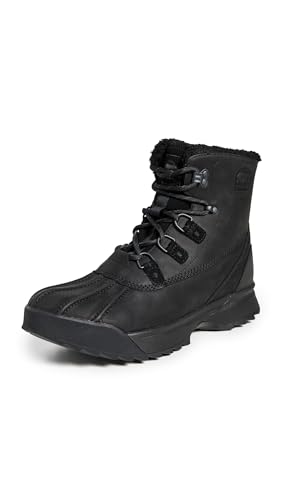
Sorel Scout 87′ Lux Waterproof
Timberland Redwood Falls

Columbia Newton Ridge Plus Waterproof Hiking Boot

Zigzagger Slip On Moccasin Slippers
What Each Pick Brings To The Table
Deep-winter days in the city call for a boot that takes the cold seriously, and the Sorel Scout 87′ Lux leans into that brief without looking like a hiking boot. The shearling collar is the first thing you notice: it frames the ankle and traps warmth right where cold air tends to sneak in. D-ring laces make quick work of snugging the boot down before a walk to the train, and the waterproof construction keeps slush from soaking through on those messy January mornings.
Compared to the Timberland Redwood Falls covered next, this pair trades some hiking-boot structure for a heavier, more insulated feel. Daily commuters and anyone walking long blocks through snow will appreciate that warmth, though runners heading onto a trail may prefer something lighter.
What Earns Its Place
- Shearling collar adds real warmth at the ankle, where heat loss tends to start.
- D-ring laces let you adjust fit in seconds, even with cold fingers.
- Waterproof construction keeps slush from soaking through during extended walks.
- Sturdy build handles months of daily winter wear without falling apart.
Things To Consider
- Heavier than a trail-focused boot, so it can feel bulky on long walks.
- Shearling trim may need occasional brushing to keep its look over time.
Who It Suits Best
City dwellers and commuters who walk through deep snow and want warm, dry feet without switching to a technical hiking boot.
Where Another Pick Suits Better
Pick the Timberland Redwood Falls instead if you spend more time on wet trails than on snowy sidewalks.
The Timberland Redwood Falls sits in a useful middle ground between a heavy snow boot and a lighter hiking shoe. Its waterproof build handles wet pavement and muddy paths without making every step feel like work, and the cushioned interior softens the landing on long walks. An OrthoLite footbed (a brand of cushioned insert known for moisture management) keeps things comfortable underfoot, which matters more than people expect once the temperature drops.
Where the Sorel Scout leans plush and insulated, the Redwood Falls leans practical and grippy. That makes it a smarter pick for someone whose winter includes weekend trail walks and weekday errands.
Bright Spots
- Cushioned interior softens long walks on cold pavement and uneven ground.
- OrthoLite footbed offers breathable, supportive comfort underfoot.
- Waterproof construction keeps feet dry through slush and shallow puddles.
- Versatile look works for both trails and casual office settings.
Honest Caveats
- Less insulated than a dedicated snow boot, so it runs cold in deep subzero stretches.
- Traction is tuned for varied terrain, meaning icy sidewalks may still feel slippery.
Quick Facts
Right Fit For
Active walkers and weekend hikers who want one boot that handles wet trails and everyday errands.
A Better Fit Elsewhere
Go with the Sorel Scout 87′ Lux if your winter is more about standing still in it than moving through it.
Built for trails rather than city slush, the Columbia Newton Ridge Plus Waterproof Hiking Boot focuses on durability and traction where it counts. The construction feels sturdier than the Timberland Redwood Falls, with a mid-cut ankle that holds steady over rocky ground. Waterproofing keeps the interior dry through damp leaves and shallow snow on cold-weather hikes, which is more common in shoulder seasons than full winter.
This is a boot that asks to be used, not just worn. You may find the heavier build tiring on a long grocery run, but it earns its keep the moment you step onto uneven ground.
Points In Its Favor
- Durable build handles rocky trails and rough winter terrain.
- Waterproof construction keeps feet dry across wet leaves and shallow snow.
- Mid-cut ankle offers stability on uneven ground.
- Comfortable enough for full-day hikes without constant adjustment.
Worth Bearing In Mind
- Heavier than casual winter boots, so it can feel clunky on short errands.
- Designed for trails first, meaning less warmth-focused insulation than a snow boot.
- Stock at the listing can be limited, so sizing options may be narrower at times.
Made For
Winter hikers and trail walkers who need a boot that holds up on rough, wet terrain.
Skip It When
The Zigzagger Slip On Moccasin Slippers make more sense if most of your winter happens indoors with the occasional porch step.
Not every cold-weather shoe needs to face a storm. The Zigzagger Slip On Moccasin Slippers handle the other side of winter, the hours spent on hardwood floors and cold tile when the heating has not quite caught up. The fuzzy interior feels soft from the first wear, and the slip-on shape means no bending down to fuss with laces when you just want warm feet fast.
Compared to the three boots on this list, these are a different animal. They trade outdoor toughness for everyday comfort, which is exactly what some households want next to the door.
Practical Advantages
- Soft fuzzy lining warms cold feet within minutes of putting them on.
- Slip-on design works well for quick trips to the mailbox or kitchen.
- Wide loafer shape gives toes room to relax, helpful after long work boots.
- Affordable enough to keep a spare pair near the back door.
Room For Improvement
- Not built for snow, slush, or any real outdoor use beyond dry steps.
- Plush lining may wear down faster than a structured boot, depending on use.
- Soles are light, so traction on icy porches can be unreliable.
Best Suited To
Anyone wanting soft, warm house shoes for cold floors and quick indoor-outdoor transitions.
Look Elsewhere When
Reach for the Sorel Scout 87′ Lux if you actually need a boot that handles deep snow rather than just cold floors.
Matching Mens Warm Winter Shoes To Your Winter Routine
Start with where your feet actually spend their time. Commuters walking long city blocks benefit most from insulated waterproof boots like the Scout 87′ Lux, because standing at a bus stop in slush punishes underprepared feet fast. Hikers and trail walkers should focus on traction and mid-cut ankle support, where the Timberland Redwood Falls and Columbia Newton Ridge both deliver, though the Columbia leans more rugged for rougher ground.
Fit matters more than any feature on a spec sheet. A boot that pinches your toes in January will feel miserable by February, and wool socks take up extra room that casual shoe buyers often forget to budget. Insulation type also deserves attention. Shearling collars trap warmth near the ankle, while standard synthetic linings distribute heat more evenly but run cooler in extreme cold. For indoor use, plush linings feel wonderful but offer no protection, so keep a separate pair by the door for actual outdoor errands.
Shopping Smart For Cold-Weather Footwear
Common Slip Ups To Dodge
Choosing boots based on looks alone is the fastest way to regret a winter purchase. Style matters, but waterproofing, traction, and insulation determine whether your feet stay warm or stay miserable. Skipping socks during fitting is another classic miss, since cold-weather socks add noticeable bulk and can turn a comfortable fit into a cramped one.
Where The Extra Money Goes
Premium winter boots tend to spend the upgrade budget on materials that matter: full waterproof membranes, real shearling collars, and outsoles with serious lug patterns (deep grooves cut into the rubber for grip). A budget pair can look similar in photos, but the midsole cushioning and seam sealing tend to be where corners get cut. For deep snow and long daily wear, that difference adds up over a season.
Frequently Asked Questions
How waterproof do winter shoes really need to be?
Waterproof construction matters most if you walk through slush, rain, or shallow snow regularly. For dry cold with light outdoor time, water-resistant materials may be enough.
Are fuzzy slippers warm enough for very cold homes?
Plush slippers help a lot on cold floors, but they cannot replace proper insulation if your home runs genuinely cold. Layering with thick socks helps bridge the gap.
Should winter boots run tight or roomy?
A little extra room is usually better, since you will likely wear thicker socks. Pinched toes lose warmth faster than roomy toes, and circulation matters in winter.
Can hiking boots work as everyday winter shoes?
Yes, especially models with waterproof builds and solid traction. They feel heavier than casual boots, so it is mostly a comfort-versus-durability trade-off.
How long should a quality pair of winter shoes last?
With regular use, a well-made pair typically lasts several winters before the insulation or outsole wears through, depending on how often you wear them and how wet your conditions get.
Final Take
Your winter footwear should match how you actually move through the cold, not how a product photo makes the season look. The right pair keeps your feet warm, dry, and steady, then disappears into the background of your day. Pick the boot that fits your real routine, and you will stop thinking about your feet by the second block.