Wet roots, slick rocks, and ankle-deep puddles don’t have to end your run. The right pair of waterproof trail runners keeps your feet dry through creek crossings, morning dew, and surprise downpours, while still giving you the grip and cushion to move fast on technical ground. The seven options below cover everything from budget-friendly gateways to premium cushioned haulers, so you can match your shoe to the terrain you actually run.
A Fast Comparison Of The Options

On Cloudhorizon Waterproof Hiking Shoe
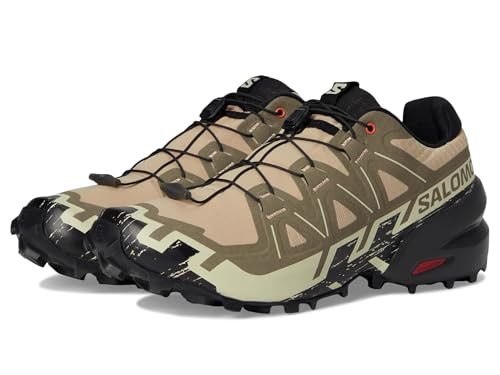
Salomon Speedcross 6 Trail Running Shoe
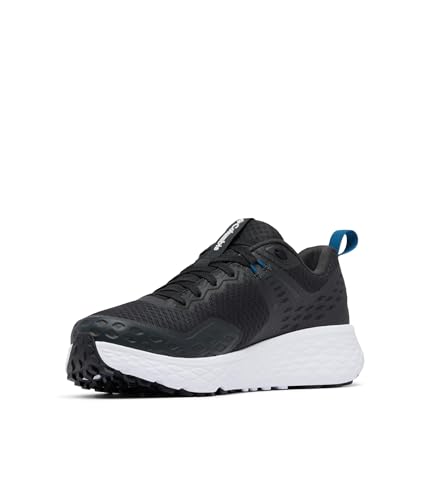
Columbia Konos TRS Trail Shoe

ALTRA Lone Peak 9 Trail Running Shoe

Merrell Moab 3 Hiking Shoe

Merrell Moab 3 Mid Waterproof Boot

Experience Wild 2 Trail Runner
The Picks, Examined More Closely
The On Cloudhorizon Waterproof leans toward trail hikers who log serious distance and want a cushioned ride that doesn’t punish the legs over long days. Its adapted CloudTec Phase midsole, the hollow pod system underfoot that On uses to soften impact, gives a noticeably softer landing than the Speedcross you’ll meet in the next review. The fully waterproof construction handles wet grass and shallow stream crossings without the slow soak-through common to mesh trail shoes.
Runners transitioning from road to trail for the first time will appreciate how quiet and stable the platform feels compared to more aggressive options. For most weekend warriors heading out on multi-hour routes, this is the shoe that disappears under your feet.
The Good Stuff
- CloudTec Phase cushioning reduces foot fatigue on multi-hour trail runs.
- Waterproof bootie construction keeps socks dry through puddles and wet grass.
- Wide, stable platform feels forgiving on uneven terrain.
- Quieter ride than the lugged-out competitors in this roundup.
Trade Offs To Consider
- Lugs are shallower than the Speedcross, so grip on greasy mud is less tenacious.
- The cushioning stack runs warm in summer heat, which may bother hot-climate runners.
Made For
Distance-focused trail runners who prize cushion and weather protection over razor-sharp agility.
Skip It When
You regularly tackle steep, muddy ascents and want the same aggressive grip as the Salomon Speedcross 6.
The Speedcross 6 keeps the iconic aggressive profile that made this line famous, while shaving weight and improving how fast mud releases from the outsole. The deep, arrow-shaped lugs bite into soft ground in a way the cushioned On Cloudhorizon simply cannot match. You feel it immediately when charging downhill on a wet slope or pushing through a muddy drainage ditch.
Where this shoe pulls ahead is in technical footing: roots, loose dirt, and saturated grass all stay planted underfoot. The trade-off shows up on hardpack and pavement, where the soft lugs wear faster than flatter outsoles.
A Few Strong Suits
- Deep chevron lugs deliver confident traction on mud and loose terrain.
- Lighter build than the previous generation reduces foot drag on long runs.
- Quicklace-style closure pulls snug in seconds, even with cold fingers.
- Reinforced upper resists abrasion from rocks and branches.
Things To Consider
- Lugs wear noticeably faster on asphalt-heavy training routes.
- Narrower fit than the ALTRA Lone Peak 9, so wide-foot runners may feel squeezed.
- Less plush cushioning than the On Cloudhorizon for long-haul comfort.
Quick Facts
Who It Suits Best
Trail runners who race or train on technical terrain in wet, muddy conditions.
A Better Fit Elsewhere
Casual hikers who mainly walk groomed trails will find the Merrell Moab 3 more forgiving and versatile.
The Columbia Konos TRS lands in the entry-level tier, but it doesn’t feel like a compromise on basic trail duty. The mesh upper with no-sew overlays keeps weight down and breathes well on warm days, while the underfoot system pairs cushioning with stability for mixed wet-and-dry routes. For runners who want waterproofing without overspending, this is a sensible starting point.
Compared to the Speedcross, the lugs are milder and the construction is lighter, which suits newer trail runners who aren’t chasing aggressive descents yet. You give up some of that tenacious grip, but you save substantially on cost.
A Few Highlights
- Accessible price point for first-time trail shoe shoppers.
- Breathable mesh upper keeps feet cooler on summer runs.
- Wet or dry grip handles rain-soaked pavement without slipping.
- Multiple colorways make it easy to match your kit.
Honest Caveats
- Not as durable as the Merrell Moab series for heavy backcountry use.
- Less ankle support than the mid-cut Moab 3 Waterproof.
- Cushioning feels firmer than the On Cloudhorizon over long distances.
Feature Snapshot
Right Fit For
New trail runners or casual hikers building a kit without overspending.
Consider Something Else When
You tackle rugged terrain weekly, since the Merrell Moab 3 Mid Waterproof offers stronger ankle support.
The ALTRA Lone Peak 9 stands out for one big reason: the FootShape toe box, the wide, foot-shaped front section that lets your toes splay naturally. Runners with wide feet or anyone transitioning from minimalist shoes tend to love this platform immediately. The zero-drop geometry, meaning the heel and forefoot sit at the same height, encourages a more natural midfoot strike over many miles.
It’s a different feel from the Speedcross’s locked-down fit or the On’s plush cushion. For ultrarunners and anyone logging 30-plus mile weeks, the roomy fit prevents the toe bruising that plagues narrow shoes on downhills.
What Works In Its Favor
- Wide FootShape toe box prevents black toenails on long descents.
- Zero-drop platform supports midfoot strikers naturally.
- Balanced cushioning handles both rocky and smooth trails.
- Spacious upper accommodates thick winter running socks.
Points To Keep In Mind
- Roomy fit can feel sloppy for runners with narrow feet.
- Zero-drop geometry takes adjustment for those used to raised heels.
- Outsole traction is gentler than the Speedcross on steep mud.
At A Glance
Best Suited To
Wide-foot runners and ultrarunners needing all-day comfort over varied terrain.
Not Your Match When
You want the locked-in precision of the Salomon Speedcross 6 for technical racing.
The Merrell Moab 3 leans into the heritage of one of the most recognized hiking shoe families around. This version brings a more supportive insole and a cushioned midsole that softens rocky trails underfoot. The Vibram outsole, a high-traction rubber compound known for gripping slick surfaces, holds confidently on wet roots and stream crossings, making it a reliable everyday trail companion.
What sets it apart from the dedicated trail racing shoes above is versatility. You can wear these on a morning trail run, an afternoon hike, and still feel comfortable. They’re less aggressive than the Speedcross, but far more durable than the Columbia Konos for repeated use.
What It Does Well
- Vibram outsole grips wet rock and roots with confidence.
- Cushioned midsole softens impact on rocky terrain.
- Roomy toe box accommodates thicker hiking socks.
- Proven Moab durability across thousands of trail miles.
A Few Limitations
- Heavier than the Speedcross 6, so race-pace runners may feel the extra weight.
- Low-cut design lacks the ankle support of the Moab 3 Mid Waterproof.
Feature Rundown
Perfect Match For
Casual hikers and trail runners who want one shoe that handles both well.
Reach For A Different Pick When
You need waterproofing plus ankle coverage, where the Merrell Moab 3 Mid Waterproof excels.
The Moab 3 Mid Waterproof steps things up with a higher-cut ankle collar and a dedicated waterproof membrane, a built-in lining that blocks water while letting heat escape. That mid-cut design makes a real difference on uneven, rocky terrain where ankle rolls are a constant worry. Compared to the low-cut Moab 3, this version sacrifices some agility for confidence on rough ground.
It’s the heaviest option in this roundup, but for backpackers and hikers carrying loads across wet terrain, the trade makes sense. The waterproof membrane is the real selling point for anyone tired of soggy socks on rainy mornings.
A Strong Showing
- Waterproof membrane keeps feet dry through puddles and rain.
- Mid-cut ankle collar reduces roll risk on uneven ground.
- Vibram outsole handles slick rock and mud reliably.
- Supportive build handles heavier pack loads comfortably.
Worth Noting
- Noticeably heavier than the low-cut Moab 3, so it isn’t built for fast trail running.
- Mid-cut height traps more heat in warm conditions.
Key Specs
Who Should Grab It
Backpackers and hikers tackling wet, rocky terrain with ankle support as a priority.
Where Another Pick Suits Better
Runners focused on speed should consider the lighter, lower-cut Merrell Moab 3.
The Experience Wild 2 closes out this list as a wallet-friendly waterproof option for runners who want weather protection without the premium tier price tag. It runs in the trail category with a build aimed at moderate off-road use, including wet trails, gravel paths, and park routes. For newer trail runners, it’s a low-stakes way to test whether waterproofing matters to you.
You won’t get the aggressive lugs of the Speedcross or the cushioning depth of the On Cloudhorizon, but you also won’t feel shortchanged on basic trail duty.
Key Advantages
- Waterproofing at a sub-$100 price tier.
- Lightweight build suits casual trail outings.
- Lower profile feels less clunky than mid-cut boots.
Softer Spots
- Less durable than the Merrell Moab line over many months of heavy use.
- Limited availability compared to the bigger-name options.
- Cushioning runs thin for runners logging high weekly mileage.
Whose Shelf It Belongs On
First-time trail runners who want waterproofing without committing to a premium price.
Swap It Out When
Your weekly mileage climbs past 20 miles, where the ALTRA Lone Peak 9 offers better long-distance comfort.
What To Weigh Before Choosing Your Next Trail Shoe
Waterproofing is only worth the trade-off if you actually run in wet conditions. A waterproof bootie construction, the sealed inner lining that blocks water, traps heat, so runners in dry climates may prefer a breathable non-waterproof shoe instead.
Lug depth and pattern determine how a shoe handles mud, loose dirt, and wet rock. Deep, widely spaced lugs shed debris fast, while shallow lugs feel smoother on hardpack. Consider the terrain you actually run, not the terrain you wish you ran.
Cushioning stack height, the total thickness of foam between your foot and the ground, matters more for distance runners than for short sprint sessions. Heavier cushioning reduces fatigue but adds weight and reduces ground feel. Forgiving midsoles help on rocky terrain, while responsive foam rewards quick turnover on smooth trails.
Fit and toe box shape are the most overlooked factor. Narrow-footed runners often feel cramped in wide platforms, and wide-footed runners suffer in tight shoes. Trying a model on with your actual running socks prevents the most common disappointment.
Key Considerations Across These Picks
Mistakes Worth Dodging
Buying a waterproof shoe for dry climates is the single most common slip-up. The sealed construction that keeps rain out also traps sweat, leading to damp feet from perspiration alone on hot days. Match waterproofing to your actual conditions.
Ignoring lug pattern in favor of colorways is another trap. Pretty shoes with flat outsoles turn treacherous the moment you hit wet rock. Always picture your real terrain before choosing.
Where The Extra Money Goes
Premium trail shoes typically invest in lighter midsole foams, more durable rubber compounds, and refined upper construction. You feel the difference on long runs and after months of use. For casual weekend hikers, the entry tier covers the basics well; for serious mileage, the upgrade pays back over time.
Frequently Asked Questions
Do waterproof trail running shoes actually keep feet dry?
Yes, in most wet conditions like rain, puddles, and wet grass. They can soak through during full stream crossings or after prolonged submersion, since no membrane is permanently watertight under pressure.
How long does the waterproof membrane last?
Most membranes hold their performance for several hundred miles of typical use, though heavy abrasion and heat exposure can shorten that window over time.
Can I use trail running shoes for everyday hiking?
Absolutely, especially models like the Moab 3 with cushioned midsoles and grippy outsoles. The lighter build is comfortable for day hikes and versatile enough for varied terrain.
Are wide toe box shoes better for runners?
Not necessarily. Wide toe boxes help runners with naturally wide feet or those prone to toe bruising, while narrow-footed runners may feel loose and unstable in the same shoe.
Should I size up for trail running shoes?
Most runners benefit from a half-size increase over their road shoe to allow for foot swelling on long descents and thicker socks. Fit always depends on the specific model and brand.
The Takeaway
The right pair comes down to matching the shoe’s strengths to the terrain under your feet. Aggressive mud runners will gravitate toward the Speedcross 6, distance chasers toward the On Cloudhorizon, and budget-conscious newcomers toward the Columbia Konos or Experience Wild 2. Whatever you pick, a waterproof trail shoe turns rainy mornings and creek-side miles into runs you can actually enjoy.