Stronger squats start from the ground up, and the right pair of men’s weightlifting shoes changes how every rep feels under load. Lifters chasing heavier PRs, tighter form, or a more stable base know that flimsy runners simply do not hold up under a loaded barbell. This guide walks through six options built to anchor your stance, support your heels, and stay durable through months of serious training.
A Fast Comparison Of The Options

Nike Free Metcon Cross Trainer (Black)
Under Armour Charged Commit Trainer 5

Adidas Powerlift 4 (Mens)
NOBULL Outwork Shoe


NOBULL Allday 365 Ripstop
More Details On Our Top Picks
The Nike Free Metcon Cross Trainer earns its spot for lifters who refuse to choose between the squat rack and a quick conditioning finisher. A wide, flat heel platform keeps your stance planted during heavy pulls, while the flexible forefoot lets you pivot, jump rope, or sprint between sets without changing shoes. The result is a hybrid feel that handles barbell work and athletic movement in the same session.
For most home gym setups, this is a sensible starting point. The trainer-style construction means lighter overall weight than a traditional weightlifting shoe, which some lifters prefer for fast-paced circuits. You trade a tiny bit of rigidity for that agility, so pure powerlifters chasing maximum heel compression may want to keep reading.
Everyday Advantages
- Wide heel base supports squats, deadlifts, and overhead presses without wobble.
- Flexible forefoot allows natural movement during warm-ups and agility drills.
- Lightweight construction reduces foot fatigue during long sessions.
- Versatile enough to handle mixed workouts without swapping footwear.
Things To Consider
- Less heel elevation than a dedicated lifting shoe, so deep squats may feel limited.
- Mesh upper can wear faster with rope climbs or rough gym floors.
Who It Suits Best
Gym-goers who alternate between strength work and conditioning and want one shoe that handles both.
Consider Something Else When
Pure strength athletes chasing maximum squat depth benefit more from the Adidas Powerlift 4 covered below.
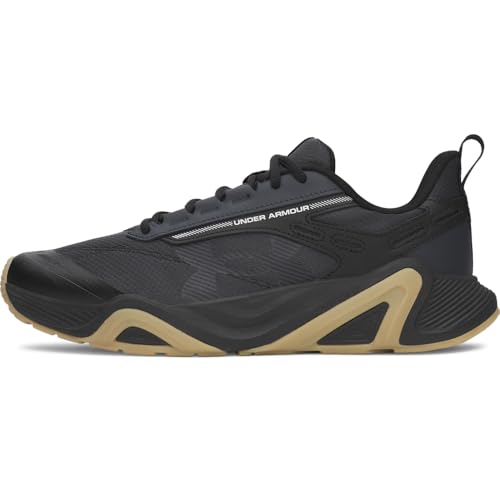
The Under Armour Charged Commit Trainer 5 leans toward reliability over flash, and that is exactly why it works for daily training. A leather overlay across the midfoot locks your foot in place during lateral drills and heavy lifts alike, while flex grooves along the sole let the shoe bend naturally when you push off into a sprint. The Charged Cushioning midsole absorbs impact during jump training without feeling mushy under a barbell.
For most lifters logging four to five gym sessions a week, this trainer covers the basics well. It sits comfortably between the more flexible Nike Free Metcon above and a rigid lifting shoe, giving you a balanced daily option that does not specialize in one direction.
Real Benefits
- Leather overlay on the midfoot adds lateral stability for lunges and side-to-side movement.
- Charged Cushioning softens impact during plyometrics while staying responsive under load.
- Flex grooves in the outsole support smooth transitions during multi-direction drills.
- Durable construction holds up to frequent training sessions over months of use.
Trade Offs
- Stack height is moderate, so lifters needing more heel lift for Olympic lifts may want a dedicated shoe.
- Stock availability can be inconsistent, which may require waiting for restocks.
Key Specs
Right Fit For
Recreational lifters who train five days a week and want one shoe that handles strength and cardio sessions.
Skip It When
Competitive powerlifters chasing a rigid heel benefit more from the Adidas Powerlift 4 below.
The Adidas Powerlift 4 steps away from cross-training and into pure lifting territory. A narrow last hugs the foot for a snug, locked-in fit, while a raised wedge midsole adds heel elevation that helps lifters maintain an upright torso during deep squats. The wide medial strap keeps the midfoot secure through heavy pulls without the foot rolling inward.
For lifters whose workouts revolve around the squat rack, deadlift platform, and bench station, this shoe delivers focused support. Unlike the Nike Free Metcon covered earlier, the Powerlift 4 is not built for sprints or plyometrics, so it really shines as a dedicated strength shoe.
What It Does Well
- Wedge midsole elevates the heel to support deeper squat positioning and torso angle.
- Narrow last creates a snug fit that reduces foot sliding under heavy load.
- Wide midfoot strap adds lockdown stability during maximal pulls.
- Durable canvas upper handles repeated wear without breaking down quickly.
Room For Improvement
- Rigid sole makes running or jumping uncomfortable, limiting cross-training use.
- Narrow fit may feel tight for lifters with wider feet.
- Toe-box room for toe splay is generous, which some users may not prefer.
Built With In Mind
Strength athletes focused on squat, bench, and deadlift who want a purpose-built shoe rather than a multi-use trainer.
Look Elsewhere When
Lifters mixing in cardio or agility work get more value from the Under Armour Charged Commit Trainer 5 covered earlier.
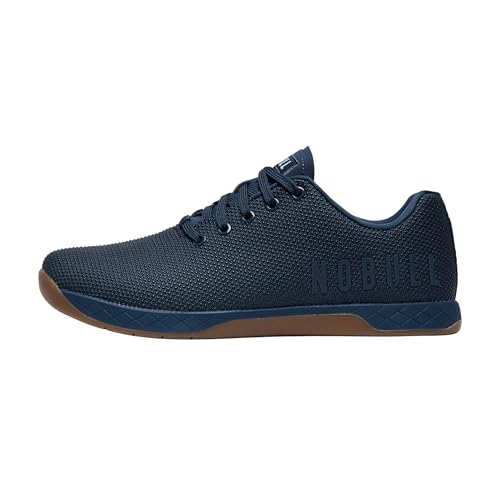
The NOBULL Outwork Shoe earns its reputation by refusing to fall apart when training gets ugly. A SuperFabric upper resists abrasion from rope climbs, box jumps, and dragging sleds, while the outsole grips well on rubber gym flooring and outdoor turf alike. It is the kind of shoe that holds up to functional fitness workouts where regular sneakers typically fray within months.
For lifters who treat their gear roughly and want something that lasts, this is a sensible step up from the more cushioned trainers reviewed above. The Outwork sits closer to the ground than the Nike Free Metcon, giving you a more stable base for heavy compound lifts.
Where It Excels
- SuperFabric upper resists tears during rope climbs, sled work, and rough outdoor sessions.
- Low-profile outsole creates a stable base for squats and deadlifts.
- Versatile grip works on rubber flooring, turf, and outdoor surfaces.
- Wide toe box allows natural toe splay during heavy squats.
- Construction holds up to daily abuse better than typical mesh trainers.
Worth Noting
- Less cushioning than the Under Armour Charged Commit, so long runs feel harsh.
- Minimal arch support may bother lifters with high arches or flat feet.
- Break-in period is short but the upper feels stiff for the first few sessions.
Feature Snapshot
Whose Shelf It Belongs On
Lifters running functional fitness workouts who drag, climb, and pull their way through training and want gear that survives.
Reach For A Different Pick When
Those focused strictly on barbell strength benefit from the elevated heel of the Adidas Powerlift 4 reviewed above.
The NOBULL Outwork Edge builds on the original Outwork and pushes further into outdoor and rugged training. Reinforced edges along the outsole protect against rocks, curbs, and uneven terrain during hill sprints or trail-loaded carries. Inside the gym, it keeps the same flat, stable platform that works well for squats and deadlifts, though the added protection adds a bit of weight compared to the standard Outwork.
For lifters who split time between the gym and outdoor sessions, this shoe bridges both worlds. Compared to the Nike Free Metcon earlier, the Edge trades agility for durability and protection, making it a smarter pick for those logging miles on rough ground.
A Strong Showing
- Reinforced outsole edges protect against rocks and rough terrain during outdoor work.
- Stable flat base supports heavy compound lifts in the gym.
- Durable construction handles dirt, gravel, and pavement without wearing down quickly.
- Multi-surface outsole grips well on turf, dirt, and rubber gym flooring.
Small Caveats
- Slightly heavier than the standard Outwork, which may slow fast-paced conditioning.
- Less flexible than mesh trainers, so agility drills feel stiffer.
Made For
Lifters who train at home gyms and on outdoor terrain and want one shoe that transitions between both.
Swap It Out When
Strict gym-only lifters get similar durability in a lighter package from the NOBULL Outwork covered just above.
The NOBULL Allday 365 Ripstop is designed for lifters who wear their shoes long past the workout, from morning errands straight into an evening session. A ripstop upper holds up to daily wear better than typical mesh, while the cushioned midsole keeps your feet comfortable during long days on your feet. The flat, stable base still supports lifts when you finally make it to the rack.
For most lifters balancing work, life, and training, this is a smart everyday pick. It leans more toward comfort than the rugged Outwork covered earlier, which makes it better for daily wear but less ideal for brutal functional fitness sessions.
Useful Strengths
- Ripstop upper resists tearing during daily wear and light training.
- Cushioned midsole keeps feet comfortable through long days.
- Stable flat base supports lifts when training time comes.
- Low-profile design works for casual wear without looking overly athletic.
- Durable construction handles frequent use across work and gym settings.
Points To Keep In Mind
- Less aggressive tread than the Outwork Edge, so outdoor grip is limited.
- Higher cushioning reduces ground feel compared to minimalist lifting shoes.
Feature Rundown
Perfect Match For
Lifters who want a shoe they can wear to work, around town, and straight into the gym without changing footwear.
Where A Sibling Pick Shines
Lifters wanting tougher outdoor durability benefit more from the NOBULL Outwork Edge reviewed just above.
What To Weigh Before Picking Your Next Pair
A good pair of men’s weightlifting shoes comes down to how the shoe matches your training style, foot shape, and squat mechanics. The right heel elevation, sole rigidity, and upper material change how a lift feels under load, so understanding these attributes helps you choose confidently.
Heel Elevation And Squat Depth
A raised heel, typically between 0.5 and 1 inch, helps lifters with limited ankle mobility reach depth in squats while keeping their torso upright. Lifters with deep natural ankle flexibility may find a flatter shoe more comfortable, while those working through mobility limits benefit from the added wedge. The Adidas Powerlift 4 leans into this with a noticeable wedge, while cross-trainers like the Nike Free Metcon keep things flatter.
Sole Rigidity And Stability
A rigid sole transfers force directly from the ground through your foot and into the bar. Lifters chasing heavy squats and deadlifts want a sole that does not compress, since energy loss through a soft sole cuts into your lift. More flexible trainers, like the Under Armour Charged Commit, work for mixed workouts but trade a bit of that direct force transfer for agility.
Upper Material And Durability
Mesh uppers breathe well and feel light, but they wear faster under rope climbs or rough gym floors. Ripstop and SuperFabric constructions, like those on the NOBULL picks, hold up better to abuse and last longer under heavy use. Choosing between breathability and durability depends on whether your training is more barbell-focused or functional fitness-driven.
Fit And Foot Shape
Narrow lasts hug the foot for a locked-in feel, which works well for lifters with slimmer feet. Wider toe boxes allow natural toe splay under heavy load, which benefits lifters with wider feet or those who squat with toes spread. Trying a shoe on or reviewing return policies helps avoid sizing surprises.
Key Considerations Across These Picks
Pitfalls Shoppers Hit
A common mistake is buying a pure running shoe and expecting it to support heavy lifts. Soft, cushioned soles compress under load and rob your squats of stability. Another trap is choosing a shoe based on looks alone, since flashy designs sometimes lack the structural support heavy training demands. Sizing errors trip up plenty of shoppers too, so checking the brand’s sizing chart before ordering saves headaches.
Why Top Tier Costs More
Premium lifting shoes typically use harder outsoles, denser midsoles, and tougher upper materials like SuperFabric or reinforced ripstop. These upgrades translate to better force transfer, longer lifespan, and more reliable grip during heavy pulls. The extra cost usually pays off for lifters who train frequently and push heavy weight, since cheaper alternatives wear out faster and lose support sooner.